
30 janvier 2019
Reading the Qur’an in the Context of Empire
CALL FOR PAPERS — International Qur’an Conference
Tangier Global Forum | University of New England
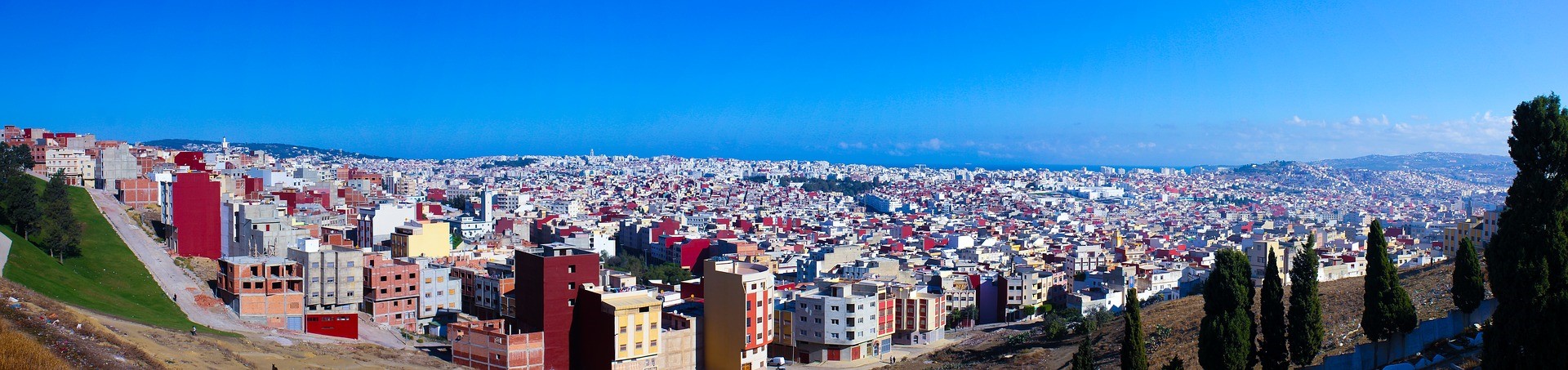
Tangier, Morocco (25-26 July, 2019)
The International Qur’anic Studies Association (IQSA) is happy to announce its third biennial conference July 25-26, 2019, which is hosted by the Tangier Global Forum of the University of New England, Tangier, Morocco. The main theme of the conference is Reading the Qur’an in the Context of Empire. We invite enthusiastic scholars to discuss under-researched aspects of Qur’anic Studies. Papers in all areas of the field are welcome, but we are particularly interested in papers about how rulers, politicians, religious figures and later colonial officers and European travelers contributed to the production, distribution and reception of Scriptures in general and the Qur’an in particular.
Given the history and the pluralistic nature of the conference, participants are encouraged to exchange views on the relationship between the Qur’an and others religions. The conference will unveil new research on the Qur’an, and create a platform for connecting other religions to Qur’anic studies. Further attention will be paid to the important contribution of North African scholars to the emergence and flourishing of methods in the study of Qur’an, tafsir and translation. Also, particular attention will be paid to understudied texts, including Qur’anic commentaries, manuscripts, and translations produced under influential early, medieval and modern Islamic empires and sultanates in Turkey, Persia, Africa, Europe and the Malay-Indonesian world. As there have been some long discussions about the way the Qur’an is [supposed to be] taught and examined in different Islamic and non-Islamic academic contexts, researchers will find a chance to discuss and challenge recent ideas and trends in Islamic studies by raising questions about: academic study of the Qur’an and its tafsir, reading the Qur’an along with other scriptures, reading the Qur’an in the light of recent archaeological and epigraphic discoveries, among others. The sub-themes of the conference are as follows:
- The Qur’an and Other Religions
- Tafsir and the translation of the Qur’an
- Qur’anic Manuscripts
- The Qur’an and Mysticism
- Modern African traditions of Qur’anic Exegesis
- Method and Theory in the Study of the Qur’an and its commentaries (past, present, future)
The conference will take place in English, Arabic and French. Please submit your abstracts (300 words) to: iqsatangier2019@gmail.com by January 30, 2019. Modest financial support may be available to accepted panelists by request, and contingent upon available funds. Should you have questions about the conference, please contact IQSA conference director, Majid Daneshgar (majid.daneshgar@frias.uni-freiburg.de) or the IQSA administration (contact@iqsaweb.org).
CALL FOR PAPERS — International Qur’an Conference
Tangier Global Forum | University of New England
Tangier, Morocco (25-26 July, 2019)
The International Qur’anic Studies Association (IQSA) is happy to announce its third biennial conference July 25-26, 2019, which is hosted by the Tangier Global Forum of the University of New England, Tangier, Morocco. The main theme of the conference is Reading the Qur’an in the Context of Empire. We invite enthusiastic scholars to discuss under-researched aspects of Qur’anic Studies. Papers in all areas of the field are welcome, but we are particularly interested in papers about how rulers, politicians, religious figures and later colonial officers and European travelers contributed to the production, distribution and reception of Scriptures in general and the Qur’an in particular.
Given the history and the pluralistic nature of the conference, participants are encouraged to exchange views on the relationship between the Qur’an and others religions. The conference will unveil new research on the Qur’an, and create a platform for connecting other religions to Qur’anic studies. Further attention will be paid to the important contribution of North African scholars to the emergence and flourishing of methods in the study of Qur’an, tafsir and translation. Also, particular attention will be paid to understudied texts, including Qur’anic commentaries, manuscripts, and translations produced under influential early, medieval and modern Islamic empires and sultanates in Turkey, Persia, Africa, Europe and the Malay-Indonesian world. As there have been some long discussions about the way the Qur’an is [supposed to be] taught and examined in different Islamic and non-Islamic academic contexts, researchers will find a chance to discuss and challenge recent ideas and trends in Islamic studies by raising questions about: academic study of the Qur’an and its tafsir, reading the Qur’an along with other scriptures, reading the Qur’an in the light of recent archaeological and epigraphic discoveries, among others. The sub-themes of the conference are as follows:
- The Qur’an and Other Religions
- Tafsir and the translation of the Qur’an
- Qur’anic Manuscripts
- The Qur’an and Mysticism
- Modern African traditions of Qur’anic Exegesis
- Method and Theory in the Study of the Qur’an and its commentaries (past, present, future)
The conference will take place in English, Arabic and French. Please submit your abstracts (300 words) to: iqsatangier2019@gmail.com by January 30, 2019. Modest financial support may be available to accepted panelists by request, and contingent upon available funds. Should you have questions about the conference, please contact IQSA conference director, Majid Daneshgar (majid.daneshgar@frias.uni-freiburg.de) or the IQSA administration (contact@iqsaweb.org).