
5 juillet 2017
Scriptural Reasoning: A performative practice of dialogue in Innsbruck
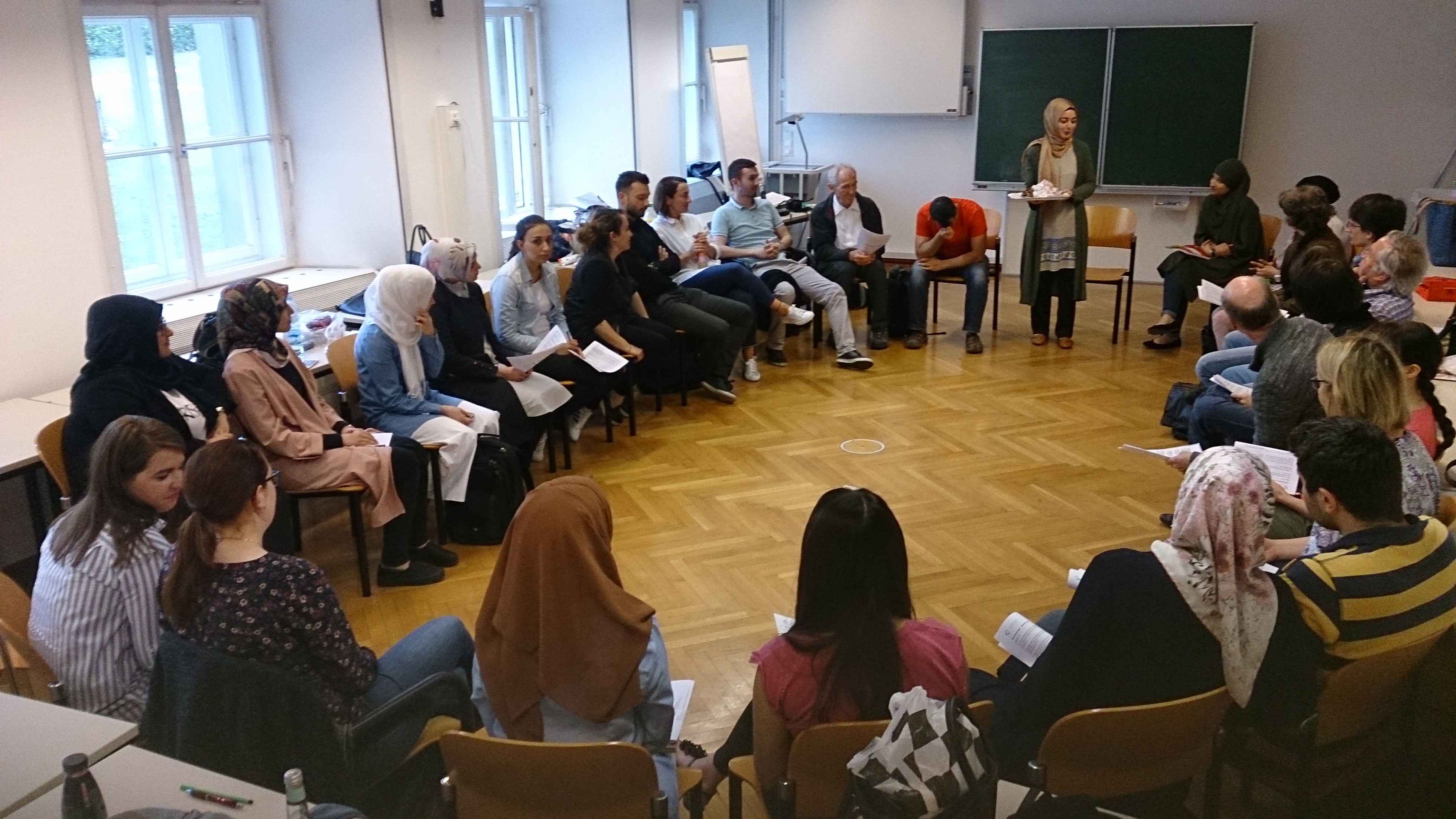
Since January 2015 students, teachers and interested people regularly meet at the University of Innsbruck to practice “Scriptural Reasoning”. Facilitated by Michaela Neulinger (Institute for Systematic Theology / School of Catholic Theology) and Fatima Cavis (Institute for Islamic Religious Education and Islamic Theology / School of Education) Christians and Muslims discuss verses from the Bible and the Quran and thus get to know each other in a better way. In May 2017 more than 20 Christian and Muslim students were invited for a special SR session introducing students of philosophy, Catholic and Islamic theology to this method of dialogue.
Based on biblical and quranic verses surrounding “ascension” or ”night journey” of Christ and Muhammad, respectively, the participants engaged in a deep conversation on how to properly understand a possible ascension – would it be vertical or horizontal, whether it was “real” journeys or “mystical” journeys etc.
The experiences in Innsbruck show, that SR can be a very helpful tool for developing attitudes for living and discussing (also passionately) in a culturally and religiously plural society. It enables participants to actively deal with differences and similarities, to discuss, reflect and possibly bear tensions and dissent. So far, the meetings dealt with images of being human, sibling rivalries (Cain/Qabīl and Abel/Habīl), but also “holy wars” and gender issues regarding dress codes. SR proves not only to be a theologically interesting method, but a socially and politically essential tool for developing a sincere discussion culture in contrast to polemic, undifferentiated and polarising debates that are too common these days.
The next meeting will take place in Innsbruck on 5 July 2017 and is dedicated to Job/ Ayyūb.
A recent article on our experiences in Innsbruck:
Cavis, Fatima/ Neulinger, Michaela (2017): Scriptural Reasoning als performative Praxis des interreligiösen Dialogs. Innsbrucker Erfahrungen und Reflexionen. In: CIBEDO-Beiträge. Zum Gespräch zwischen Christen und Muslimen 1, 7-13.
Links:
- Invitation: https://www.uibk.ac.at/islam-theol/docs/scriptural-reasoning-2017.pdf
- Institute for Systematic Theology: https://www.uibk.ac.at/systheol/index.html.de
- Institute für Islamic Theology and Religious Education: https://www.uibk.ac.at/islam-theol/

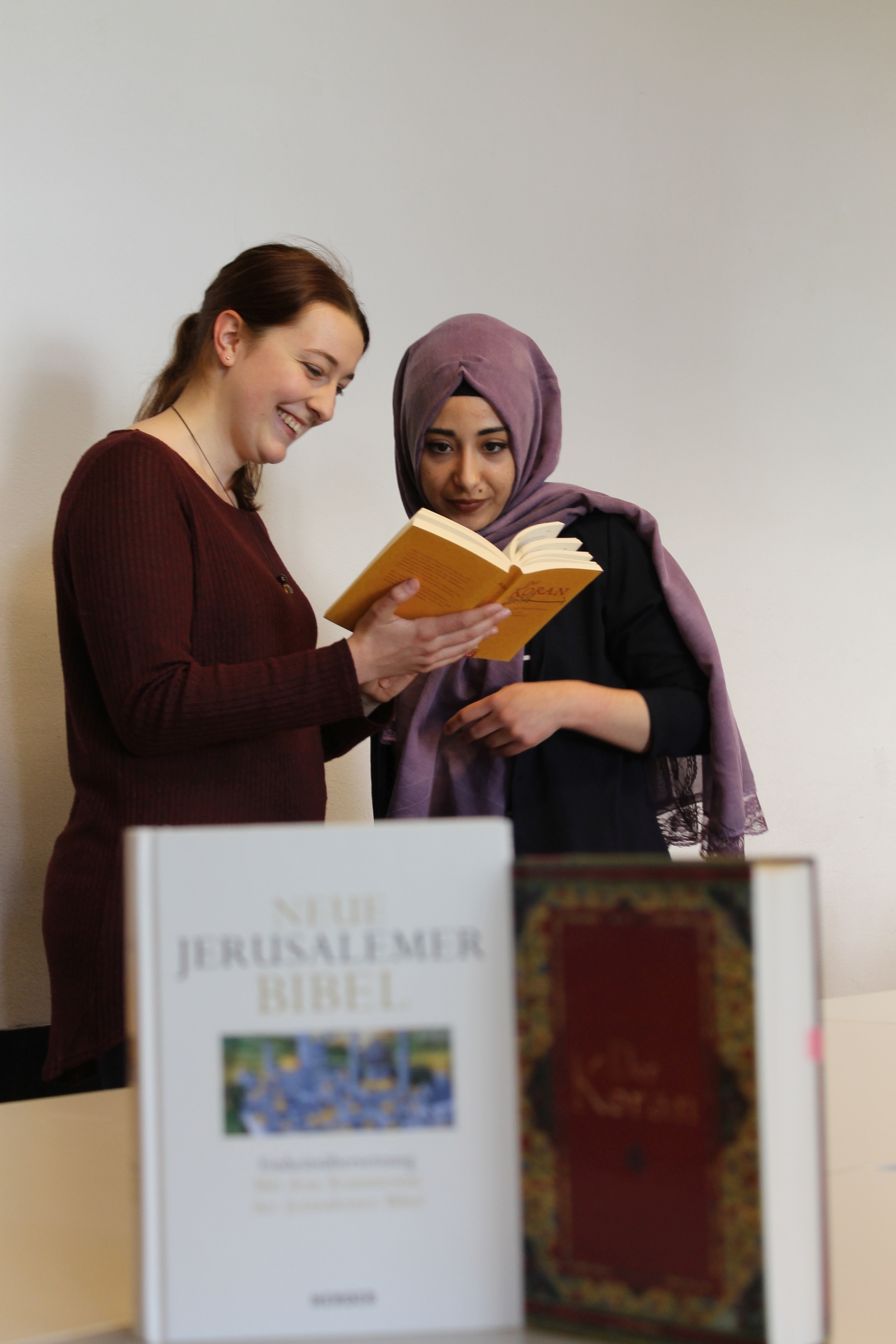
Since January 2015 students, teachers and interested people regularly meet at the University of Innsbruck to practice “Scriptural Reasoning”. Facilitated by Michaela Neulinger (Institute for Systematic Theology / School of Catholic Theology) and Fatima Cavis (Institute for Islamic Religious Education and Islamic Theology / School of Education) Christians and Muslims discuss verses from the Bible and the Quran and thus get to know each other in a better way. In May 2017 more than 20 Christian and Muslim students were invited for a special SR session introducing students of philosophy, Catholic and Islamic theology to this method of dialogue.
Based on biblical and quranic verses surrounding “ascension” or ”night journey” of Christ and Muhammad, respectively, the participants engaged in a deep conversation on how to properly understand a possible ascension – would it be vertical or horizontal, whether it was “real” journeys or “mystical” journeys etc.
The experiences in Innsbruck show, that SR can be a very helpful tool for developing attitudes for living and discussing (also passionately) in a culturally and religiously plural society. It enables participants to actively deal with differences and similarities, to discuss, reflect and possibly bear tensions and dissent. So far, the meetings dealt with images of being human, sibling rivalries (Cain/Qabīl and Abel/Habīl), but also “holy wars” and gender issues regarding dress codes. SR proves not only to be a theologically interesting method, but a socially and politically essential tool for developing a sincere discussion culture in contrast to polemic, undifferentiated and polarising debates that are too common these days.
The next meeting will take place in Innsbruck on 5 July 2017 and is dedicated to Job/ Ayyūb.
A recent article on our experiences in Innsbruck:
Cavis, Fatima/ Neulinger, Michaela (2017): Scriptural Reasoning als performative Praxis des interreligiösen Dialogs. Innsbrucker Erfahrungen und Reflexionen. In: CIBEDO-Beiträge. Zum Gespräch zwischen Christen und Muslimen 1, 7-13.
Links:
- Invitation: https://www.uibk.ac.at/islam-theol/docs/scriptural-reasoning-2017.pdf
- Institute for Systematic Theology: https://www.uibk.ac.at/systheol/index.html.de
- Institute für Islamic Theology and Religious Education: https://www.uibk.ac.at/islam-theol/
منذ يناير/كانون الثاني 2015، يجتمع طلاب وأساتذة ومهتمّون بشكل منتظم في جامعة إنسبروك لممارسة «Scriptural Reasoning». تُيسّر هذه الممارسة Michaela Neulinger (معهد اللاهوت المنهجي/كلية اللاهوت الكاثوليكي) وFatima Cavis (معهد التربية الدينية الإسلامية واللاهوت الإسلامي/كلية التربية)، حيث يناقش المسيحيون والمسلمون آيات من الكتاب المقدس والقرآن، فيتعرّفون على بعضهم بشكل أفضل. وفي مايو/أيار 2017، دُعي أكثر من عشرين طالباً وطالبة من المسيحيين والمسلمين لجلسة خاصة من SR تعرّف طلاب الفلسفة واللاهوت الكاثوليكي واللاهوت الإسلامي بهذه الطريقة الحوارية.
انطلاقاً من الآيات الكتابية والقرآنية المتعلقة بـ«الصعود» أو «الإسراء» للمسيح ولمحمد، خاض المشاركون محادثة معمّقة حول كيفية فهم الصعود المحتمل فهماً سليماً: هل هو عمودي أم أفقي، وهل تعلّق الأمر برحلات «واقعية» أم «صوفية»، إلخ.
تُظهر التجارب في إنسبروك أنّ SR يمكن أن يكون أداةً بالغة الفائدة لتنمية مواقف تُعين على العيش والحوار (وحتّى الحماسي) في مجتمع متعدد الثقافات والأديان. وهو يُتيح للمشاركين التعامل بفعالية مع الفوارق وأوجه التشابه، والحوار والتأمّل، وربّما تحمّل التوتّرات والاختلافات. حتّى الآن، تناولت اللقاءات صور الإنسان، وعداوات الإخوة (قايين/قابيل وهابيل)، فضلاً عن «الحروب المقدسة» ومسائل النوع الاجتماعي المتعلقة باللباس. وتُثبت SR أنّها ليست فقط طريقة مثيرة للاهتمام لاهوتياً، بل أداة أساسية اجتماعياً وسياسياً لتنمية ثقافة حوار صادقة في مواجهة السجالات الاستقطابية غير المتمايزة الشائعة في أيامنا هذه.
اللقاء المقبل سيُعقد في إنسبروك في 5 يوليو/تموز 2017 وسيُخصَّص لأيوب.
مقال حديث حول تجاربنا في إنسبروك:
Cavis, Fatima / Neulinger, Michaela (2017): Scriptural Reasoning als performative Praxis des interreligiösen Dialogs. Innsbrucker Erfahrungen und Reflexionen. In: CIBEDO-Beiträge. Zum Gespräch zwischen Christen und Muslimen 1, 7-13.
روابط:
- الدعوة: https://www.uibk.ac.at/islam-theol/docs/scriptural-reasoning-2017.pdf
- معهد اللاهوت المنهجي: https://www.uibk.ac.at/systheol/index.html.de
- معهد اللاهوت الإسلامي والتربية الدينية: https://www.uibk.ac.at/islam-theol/
Ressources lié aux mots clés
article
Wael Saleh : « Reconnaître sans enfermer pour mieux “désaltériser” le débat public »
- Wael Saleh
Dans une tribune publiée le 20 juillet 2026 par Le Devoir, Wael Saleh, membre du comité scientifique de Pluriel, propose une notion neuve pour le débat démocratique contemporain : la « désaltérisat...
videos
« Guerre et paix », par Adrien Candiard
Le mercredi 20 mai 2026, l'Institut dominicain d'études orientales (IDEO) a accueilli au Caire une conférence du frère Adrien Candiard, dominicain et islamologue, sur le thème « Guerre et paix ». F...
article
Kenneth Cragg et l’événement du Coran
- Timo Güzelmansur
Article de Timo Güzelmansur paru sous le titre Kenneth Cragg und das Ereignis des Koran sur le portail théologique feinschwarz.net (12 juin 2026, en libre accès). Timo Güzelmansur présente le théol...
article
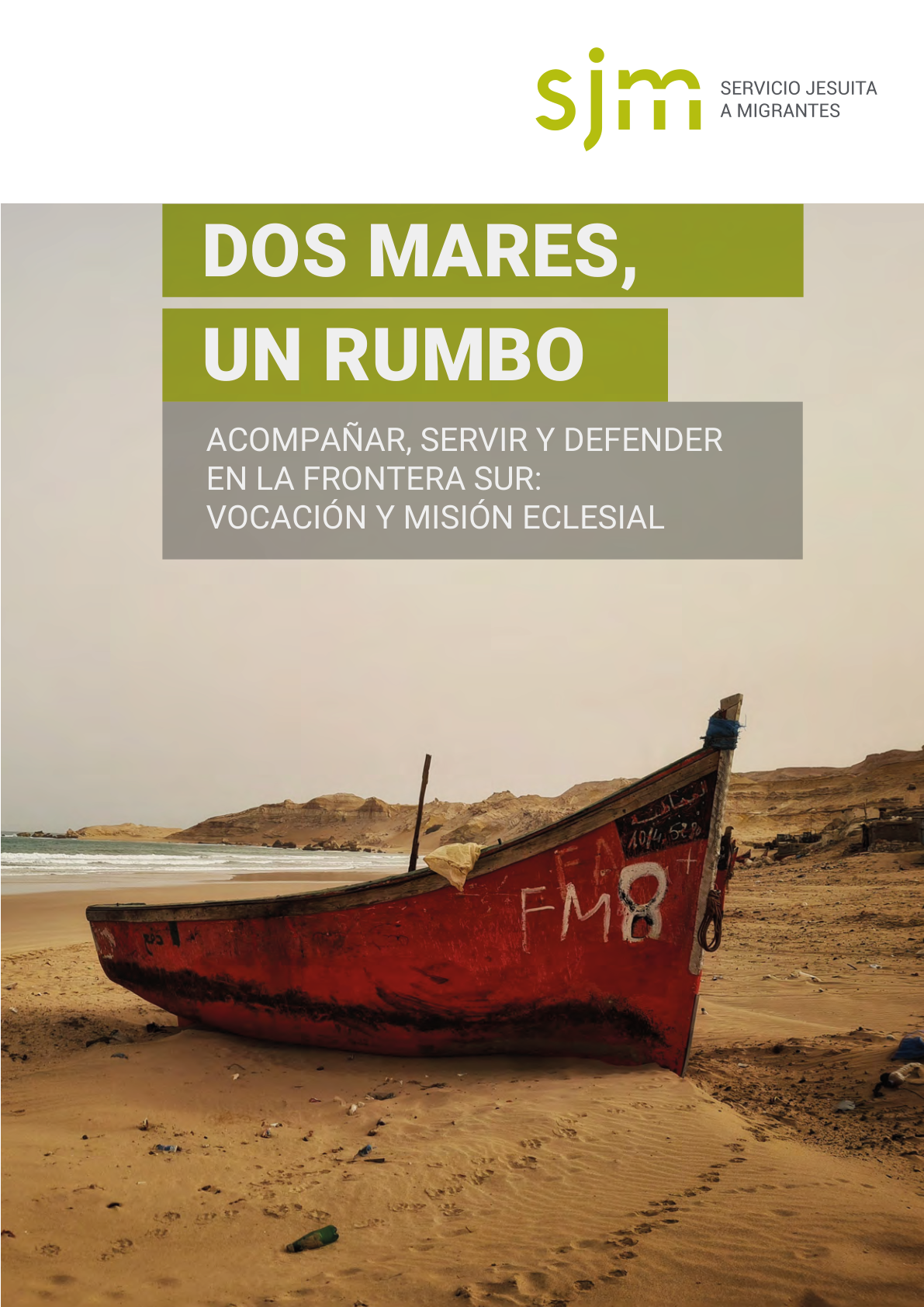
Deux mers, un même cap : le rapport 2026 du Service jésuite des migrants sur la frontière sud de l’Espagne
- Josep Buades
Rapport annuel du Service jésuite des migrants (SJM), organisme de l’apostolat social de la Compagnie de Jésus en Espagne, ce document rédigé par Josep (Pep) Buades Fuster examine les dynamiques mi...
publication
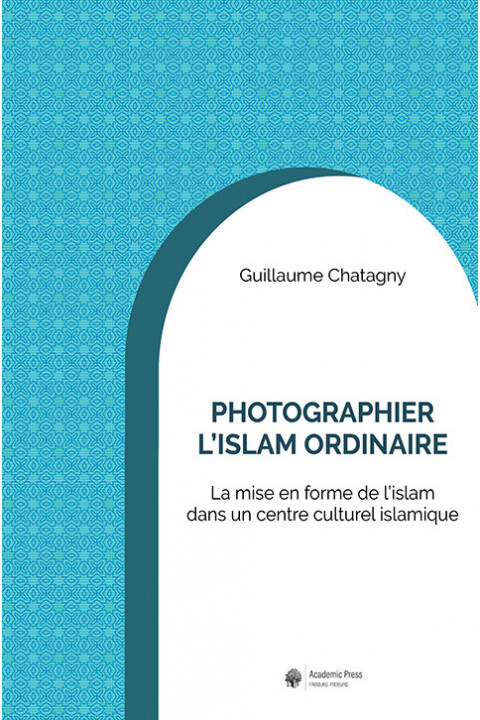
Photographier l’islam ordinaire
- Guillaume Chatagny
À quoi ressemble concrètement l’islam au sein d’une association musulmane ? C’est à cette question que répond le sociologue Guillaume Chatagny dans cet ouvrage issu d’une en...

article
L’encyclique « Magnifica humanitas » de Léon XIV et le groupe de travail Pluriel sur le dialogue interreligieux assisté par l’IA
- Wael Saleh
Texte de Wael Saleh, chercheur à l’Université du Québec à Montréal (UQAM) et membre du comité de coordination de Pluriel. La concomitance entre la publication de l’encyclique Magnifica humanitas...
publication
La reconnaissance d’un colibri. Essais sur le dialogue interreligieux et l’œuvre missionnaire (2007-2025)
- Rémi Caucanas
Publié en mai 2026 au PISAI (Rome), ce recueil rassemble les essais de Rémi Caucanas sur le dialogue interreligieux et l’œuvre missionnaire, écrits entre 2007 et 2025. Le titre La reconnaissa...
videos
De Lavigerie au PISAI : l’histoire institutionnelle de l’engagement des Missionnaires d’Afrique avec l’islam
Donnée le 21 mai 2026 à l'Institut pontifical d'études arabes et d'islamologie (PISAI) de Rome, cette conférence ouvre le cycle commémoratif du centenaire (1926-2026) de l'institut. Le père Moussa ...