
Pluriel

University platform for research on Islam

Initiated by
the Federation
of European
Catholic
Universities

Supported by
the International
Federation
of Catholic
Universities

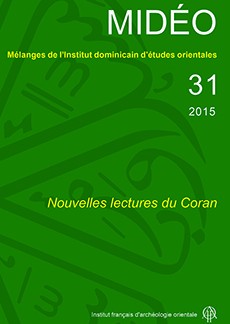
Nouvelles lectures du Coran

Michel Cuypers has written an article in which he responds to one of the critics of the rhetorical analysis applied to the Qur’an. El-Sayed Amin, professor at al-Azhar, offers an exegetical review regarding violence in the Qur’an. Jean-Louis Déclais presents a translation of the Surat al-Aʿrāf and shows the existence of midrashic processes. Mohammad-Ali Amir-Moezzi reports on the educational contribution made by imams on Surat al-Qadr. Geneviève Gobillot, following the inductive method of reading the Qur’an, addresses the issue of history and sacred geography in the Qur’an, using the example of Sodom. Finally, Mehdi Azaiez provides an analysis of the presence of a decisive rhetorical figure in the Qur’an, that of its addressee. Moreover, apart from the theme, Philippe Vallat has written a key article on Abu Bakr al-Rāzī.

For more information: link

Michel Cuypers signe un article où il répond à un des critiques de l’analyse rhétorique appliquée au Coran. El-Sayed Amin, enseignant à al-Azhar, propose une mise au point exégétique sur la question de la violence dans le Coran. Jean-Louis Déclais présente une traduction de la sourate al-Aʿrāf et montre l’existence de procédés midrashiques. Mohammad-Ali Amir-Moezzi rend compte de l’apport de l’enseignement des imams à propos de la sourate al-Qadr. Geneviève Gobillot, en suivant la méthode inductive de lecture du Coran, traite de la question de l’histoire et de la géographie sacrée dans le Coran à partir de l’exemple de Sodome. Enfin, Mehdi Azaiez propose une analyse de la présence d’une figure rhétorique décisive dans le Coran, celle de l’allocutaire coranique. Par ailleurs, en dehors de la thématique, Philippe Vallat signe un article important sur Abū Bakr al-Rāzī.

Pour plus d’informations : lien vers editeur
Resources related to keywords

videos

Interreligious Dialogue and Ethnic Nationalisms in the Balkans

At the invitation of PISAI (Pontifical Institute for Arabic and Islamic Studies, Rome) and Georgetown University, Ahmet Alibašić, professor of Islamic civilization at the Faculty of Islamic Studies...

publication

For a Christian Theology of Religions

  • Michel Younès

Faced with contemporary religious diversity, how can Christian theology make sense of the place that other religions occupy in God’s design? Michel Younès examines the three traditional ̶...

publication

Intercultural Theology

  • Jean Patrick Nkolo Fanga

Because every theology is culturally situated, Christian theology is inevitably multicultural. Yet one step remains to be taken: to become intercultural. Crossing languages, contexts, origins, ages...

article

The grammar of sacred violence: A critical discourse analysis of radical Islamist writings

  • Mohamed-Ali Mostfa

This article offers a discursive analysis of two contemporary Islamist texts that present violence not as a deviation from religious normativity, but as its necessary, even redemptive expression. I...

publication

Islam and Muslims. Doctrines, Schools of Thought, and Current Trends

  • Michel Younès

Publication date: April 16, 2026. Islam, as a historical, religious, and civilizational reality, is difficult to define. It can be perceived as a form of political governance, an expression of fait...

publication

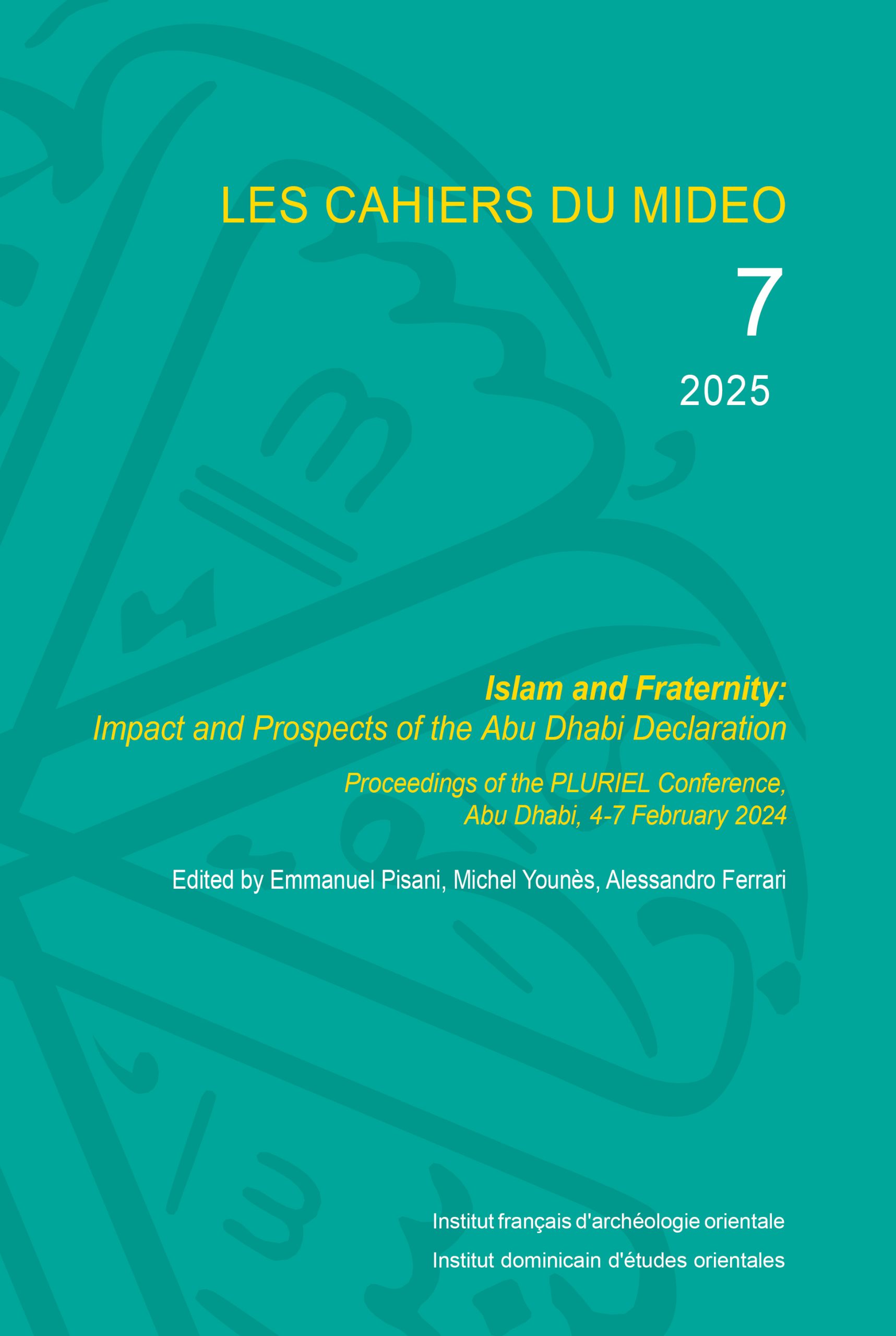
Islam and Fraternity: Impact and Prospects of the Abu Dhabi Declaration

The volume dedicated to the conference “Islam and Fraternity”, held in Abu Dhabi from February 4 to 7, 2024, under the auspices of the PLURIEL network, in partnership with Trends, a research center...

publication

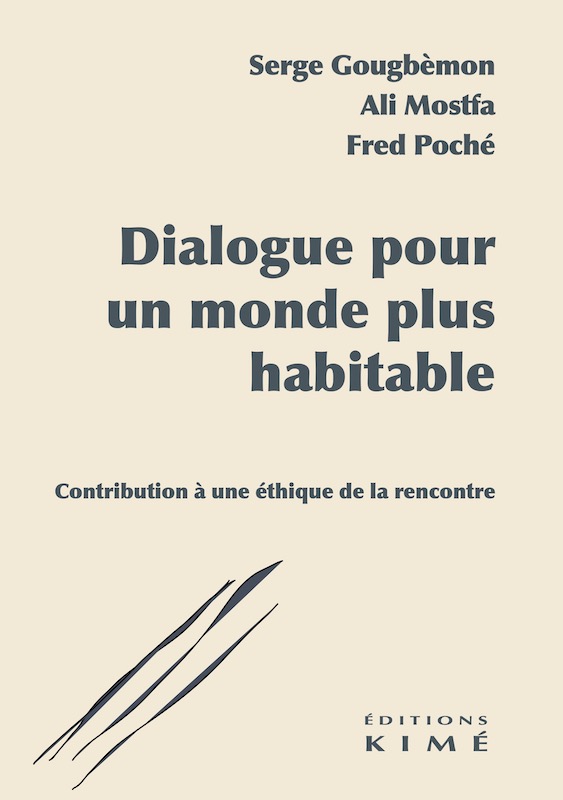
Dialogue for a More Livable World: Toward an Ethics of Encounter

  • Mohamed-Ali Mostfa

How can we live in a climate of mistrust, trapped in identity-based withdrawal, and paralyzed by an uncertain future? On what basis can we open new paths to ease suffering—perhaps even reenchant ou...

videos

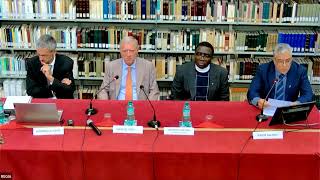
Inaugural Lecture for the Chair in Mediterranean Studies, Religions and Societies

  • Dominique Avon

Lecture given by Professor Dominique Avon on October 13, 2025, at the Pontifical Institute for Arabic and Islamic Studies (PISAI).