
La violence dans l’Islam primitif. Les récits religieux, les conquêtes arabes et la canonisation du Jihad
Titre original : Violence in Early Islam. Religious Narratives, the Arab Conquests and the Canonization of Jihad
Présentation:
Le concept de jihad occupe une place de choix dans la pensée et l’histoire de l’Islam. Au-delà de sa signification spirituelle, le terme a été historiquement associé aux grandes conquêtes des Croyants arabes aux 7-8ème siècles avant Jésus-Christ. Mais compte tenu des progrès réalisés dans notre compréhension de l’historicité et de la chronologie du Coran et des premiers textes islamiques, est-il correct d’identifier le djihad et l’Islam à une conquête violente ?
Dans ce livre, Marco Demichelis explore l’histoire du concept de jihad au cours des premiers siècles proto-islamiques (7-8ème). Déployant une approche interdisciplinaire qui combine l’étude herméneutique des célèbres « Versets de l’épée » dans le Coran lui-même, avec des écrits historiques de chroniqueurs islamiques ainsi que des sources non islamiques, des preuves numismatiques, épigraphiques et architecturales, le livre s’interroge sur la relation entre le concept religieux du djihad et les conquêtes. Le livre soutient que les forices chrétiennes byzantines Foederati qui ont précédemment lutté contre les Perses ont peut-être eu un effet formateur sur l’émergence ultérieure d’une rhétorique plus belliqueuse. Ce faisant, il remet en question les hypothèses sur les attitudes belliqueuses inhérentes à la doctrine islamique et révèle une histoire plus nuancée et plus compliquée de la violence religieuse dans la période pré, proto et le début de l’Islam.
Traduit avec www.DeepL.com/Translator
Reviews :
Presentation:
The concept of jihad holds a prominent place in Islamic thought and history. Beyond its spiritual meanings, the term has historically been associated with the sweeping Arab-Believers conquests of the 7-8th century BCE. But given advances in our understanding of the historicity and chronology of the Qur’an and early Islamic texts, is it correct to identify jihad and Islam with violent conquest?
In this book, Marco Demichelis explores the history of the concept of jihad in the early proto-Islamic centuries (7-8th). Deploying an interdisciplinary approach which combines the hermeneutical study of the famous ‘Verses of the Sword’ within the Qur’an itself, with historical writing by Islamic chroniclers as well as non-Islamic sources, numismatics, epigraphical and architectural evidence, the book questions the relationship between the religious concept of jihad and the conquests. The book argues that Christian Byzantine Foederati forices who previously fought against the Persians may have had a formative effect on the later emergence of more bellicose rhetoric. In so doing, it calls into question assumptions about warlike attitudes inherent within Islamic doctrine, and reveals a more nuanced and complicated history of religious violence in the pre, proto and early Islamic period.
Reviews :
Original title : Violence in Early Islam. Religious Narratives, the Arab Conquests and the Canonization of Jihad
Présentation:
Presentation:
The concept of jihad holds a prominent place in Islamic thought and history. Beyond its spiritual meanings, the term has historically been associated with the sweeping Arab-Believers conquests of the 7-8th century BCE. But given advances in our understanding of the historicity and chronology of the Qur’an and early Islamic texts, is it correct to identify jihad and Islam with violent conquest?
In this book, Marco Demichelis explores the history of the concept of jihad in the early proto-Islamic centuries (7-8th). Deploying an interdisciplinary approach which combines the hermeneutical study of the famous ‘Verses of the Sword’ within the Qur’an itself, with historical writing by Islamic chroniclers as well as non-Islamic sources, numismatics, epigraphical and architectural evidence, the book questions the relationship between the religious concept of jihad and the conquests. The book argues that Christian Byzantine Foederati forices who previously fought against the Persians may have had a formative effect on the later emergence of more bellicose rhetoric. In so doing, it calls into question assumptions about warlike attitudes inherent within Islamic doctrine, and reveals a more nuanced and complicated history of religious violence in the pre, proto and early Islamic period.
Reviews :
Du même auteur sur Pluriel
 Le contrôle mythique du Nil : une étude des sources islamiques
Marco Demichelis Résumé Paru en anglais sous le titre « The Mythological Control of the River Nile: A Study on the Islamic Sources » dans le Journal of…
 L’idée conciliariste de l’islam au Quattrocento : prélude et héritage
Marco Demichelis Résumé Paru en anglais sous le titre « The Conciliarist Idea of Islam in the Quattrocento: Prelude and Legacy » dans la revue Religions (vol. 15,…
 Le Khatim an-Nabiyyin (le « sceau des prophètes ») et sa perspective inclusive sur Abraham : Muhammad et ‘Isa ibn Maryam en dialogue
Marco Demichelis Titre original : "The Khatim an-Nabiyyin (The Seal of the Prophets) and Its Inclusive Abrahamic Perspective: Muhammad and ‘Isa ibn Maryam in Dialogue" Résumé…
 Le salut et l’enfer dans la pensée islamique classique : Dieu peut-il nous sauver tous ?
Marco Demichelis Titre original : « Salvation and Hell in Classical Islamic Thought. Can Allah Save Us All? » Salvation and Hell in Classical Islamic Thought utilise des…
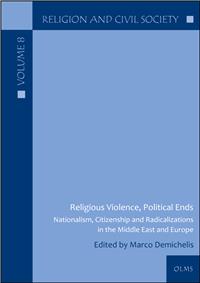 Violence religieuse, fins politiques : nationalisme, citoyenneté et radicalisation au Moyen-Orient et en Europe
Marco Demichelis Depuis l’Antiquité, la violence religieuse fondée sur des motifs politiques a été et reste une pratique courante : les atrocités commises par l’Empire romain…
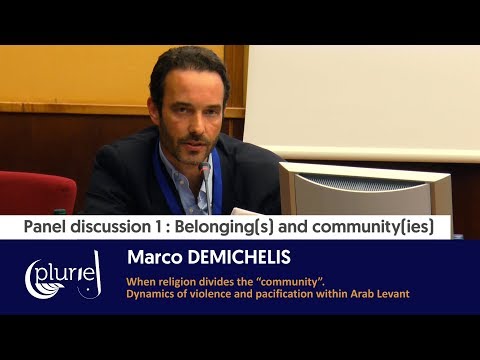 Quand la religion divise la « communauté » : dynamique de la violence et de la pacification au sein du Levant arabe
Marco Demichelis Conférence de Marco DEMICHELIS, au deuxième Congrès international de PLURIEL Résumé Depuis le XIXe siècle, la dynamique des conflits interreligieux dans le monde arabe…
Ressources liées à « Violence et religion »
 « Guerre et paix », par Adrien Candiard
Le mercredi 20 mai 2026, l'Institut dominicain d'études orientales (IDEO) a accueilli au Caire une conférence du frère Adrien Candiard, dominicain et islamologue, sur…
 Grammaire de la violence sacrée : analyse critique du discours des écrits islamistes radicaux
Ali Mostfa Cet article propose une analyse discursive de deux textes islamistes contemporains qui présentent la violence non comme une déviation de la normativité religieuse, mais…
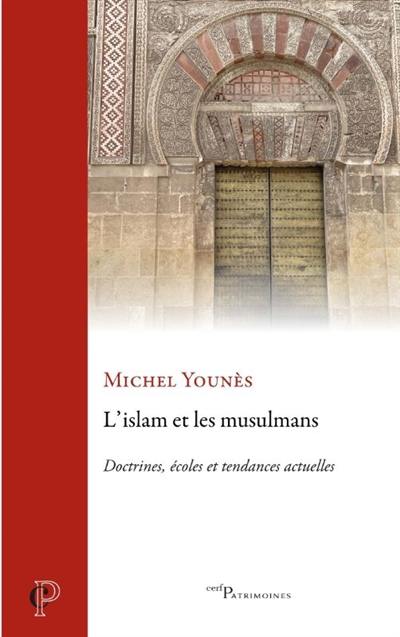 L’islam et les musulmans. Doctrines, écoles et tendances actuelles
Michel Younès Paru le 16 avril 2026. L’islam, comme réalité historique, religieuse et civilisationnelle, est difficilement définissable. Il peut être perçu comme une forme de gouvernance…
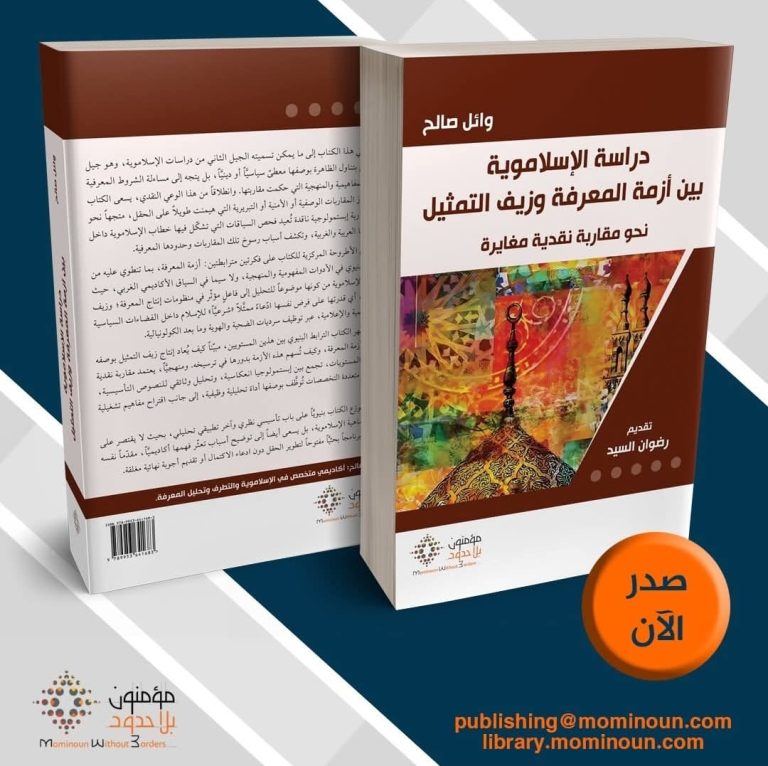 Étudier l’islamisme entre crise du savoir et fausse représentation
Wael Saleh Cet ouvrage de Wael Saleh, chercheur principal à TRENDS Research & Advisory et professeur associé à l’Institut d’études internationales de Montréal (IEIM) de l’Université…
 Dieu est avec nous. Comment les religions islamique et juive justifient la violence
Haoues Seniguer Bien avant le 7 octobre 2023 et évidemment bien davantage après, un certain judaïsme et un certain islam politisés ont créé et créent les…
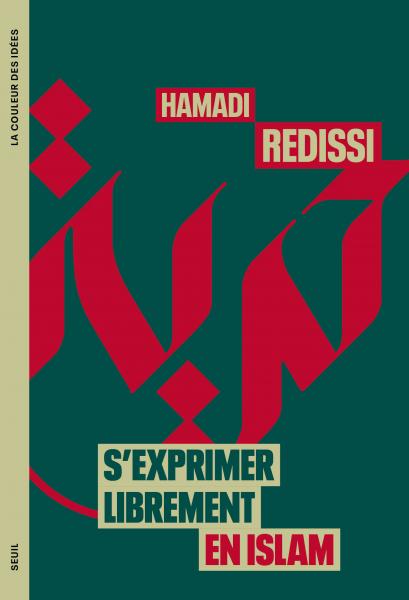 S’exprimer librement en islam
Hamadi Redissi Quelle est la doctrine islamique du blasphème, injure faite à Dieu, à la religion et au Prophète ? Qu’en est-il de l’interdiction de la…