
14 May 2026
Conflicts of Knowledge: Four Pluriel Researchers at the 93rd Acfas Congress (Trois-Rivières, 14 May 2026)
Trois-Rivières, Canada, 14 May 2026. Four Pluriel member researchers will take part in the symposium “Conflicts of Knowledge: The Arab World in Academic Narrativities”, held within the 93rd Congress of Acfas (Association francophone pour le savoir, the French-language Association for Knowledge) at the Université du Québec à Trois-Rivières (UQTR). The symposium is co-convened by Wael Saleh (Université du Québec à Montréal, UQAM, and TRENDS Research & Advisory) and Patrice Brodeur (Université de Montréal, UdeM), bringing together scholars from both shores of the Mediterranean and from across the Arab world.
The production of knowledge on the Arab world is shaped by a web of profound tensions: linguistic, epistemological, disciplinary, institutional and ideological. These tensions reveal genuine conflicts of knowledge, where competing narratives confront one another between local intellectual heritages and dominant Western theoretical frameworks, between languages of production (Arabic, French, English) embedded in differentiated hierarchies of legitimacy, and between aspirations to scientific autonomy and structural dependence on external funding.
The symposium sets out to examine how these conflicts shape, fragment or reconfigure academic narratives about the Arab world. The aim is to shed light on the mechanisms of domination, invisibilisation and exclusion that govern the circulation of knowledge, and to chart possible pathways towards more inclusive, plural and genuinely transboundary humanities and social sciences, in resonance with the overarching theme of the 93rd Acfas Congress.
Programme
Morning session (9:45 to 12:30): “Producing Knowledge on the Arab World: Crises, Conflicts and Epistemic Alternatives”
Chair and moderator: Patrice Brodeur (UdeM).
- 9:45, Welcome address.
- 10:00, Violaine Lemay (UdeM): “The potential impact of any conflict on academic production: immaturities of Western knowledge and the strengths of the Arab world facing tomorrow’s knowledge”.
- 10:30, Mariem Toukabri (UQAM): “Decolonising knowledge: a Tunisian alternative for defining freedom of expression”.
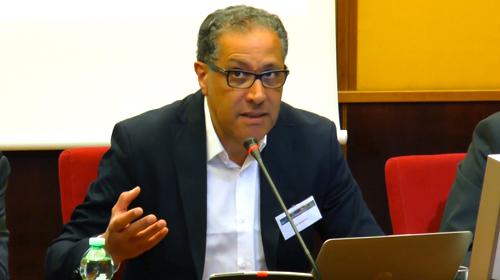
- 11:00, Wael Saleh (UQAM, TRENDS Research & Advisory): “Beyond representation: systemic epistemic alterity and the architecture of knowledge on the Arab world”.
- 11:30, Mounia Ait Kabboura (Royal Military College Saint-Jean): “Constructing the ‘Muslim’: from problematic citizen to political subject in contemporary ideological discourses in Quebec”.
- 12:00, Q&A session.
Afternoon session (14:00 to 16:00): “Islam, Islamism and Conflicts of Knowledge: Critical Re-readings of Academic Paradigms”
Chair and moderator: Wael Saleh (UQAM, TRENDS Research & Advisory).
- 14:00, Ali Mostfa (Université catholique de Lyon, UCLy): “The ‘Islam in Crisis’ narrative: epistemic, linguistic and political stakes of a normative discourse”.
- 14:20, Zeineb Toujani (FLAH Manouba, Tunisia): “Hichem Djaït, Penser l’Islam: moving beyond the conflict of knowledge between the West and the Arab-Islamic heritage”.
- 14:40, Karim Kardady (UdeM): “Radicalisation and the Arab world: conflicts of knowledge and academic narratives on violent Islamism. Reflections on Ibn Khaldūn’s Al-Muqaddima (1377)”.
- 15:10, Farid Ben Belgacem (Université de Tunis El Manar): “From Islamic exceptionalism to Islamist exceptionalism: a critique of Western paradigms and a re-reading of political Islam”.
- 15:30, Q&A session.
- 16:00, Closing remarks.
Practical information
- Date: Thursday 14 May 2026.
- Venue: UQTR, Pavillon Albert-Tessier, room B-2230, 3351 boulevard des Forges, Trois-Rivières (Quebec, Canada).
- Format: on site and online, hashtag #AcfasC453.
14 mai 2026, Trois-Rivières (Canada). Quatre chercheurs membres de Pluriel interviennent au colloque « Conflits de savoirs : le monde arabe en narrativités académiques », organisé dans le cadre du 93e Congrès de l’Acfas (Association francophone pour le savoir) à l’Université du Québec à Trois-Rivières (UQTR). Le colloque, coordonné par Wael Saleh (Université du Québec à Montréal, UQAM, et TRENDS Research & Advisory) et Patrice Brodeur (Université de Montréal, UdeM), réunit des chercheuses et chercheurs des deux rives de la Méditerranée et du monde arabe.
La production du savoir sur le monde arabe est traversée par un ensemble de tensions profondes : linguistiques, épistémologiques, disciplinaires, institutionnelles et idéologiques. Ces tensions révèlent de véritables conflits de savoirs où se confrontent des narrations concurrentes, entre héritages intellectuels locaux et cadres théoriques occidentaux dominants, entre langues de production (arabe, français, anglais) inscrites dans des hiérarchies différenciées de légitimation, entre aspiration à une autonomie scientifique et dépendance structurelle vis-à-vis des financements extérieurs.
L’objectif est d’analyser la manière dont ces conflits façonnent, fragmentent ou reconfigurent les narrativités académiques portant sur le monde arabe, en mettant en lumière les mécanismes de domination, d’invisibilisation et d’exclusion qui déterminent la circulation des savoirs, et en explorant les voies possibles vers des sciences humaines et sociales plus inclusives, plurielles et transfrontalières, en résonance avec le thème général du 93e Congrès de l’Acfas.
Programme
Matinée (9 h 45 à 12 h 30) : « Produire le savoir sur le monde arabe : crises, conflits et alternatives épistémiques »
Présidence et animation : Patrice Brodeur (UdeM).
- 9 h 45, Mot de bienvenue.
- 10 h 00, Violaine Lemay (UdeM) : « L’impact potentiel de tout conflit sur toute production universitaire : immaturités du savoir occidental et forces du monde arabe face au savoir du demain ».
- 10 h 30, Mariem Toukabri (UQAM) : « Décolonisation des savoirs : une alternative tunisienne de la définition de la liberté d’expression ».
- 11 h 00, Wael Saleh (UQAM, TRENDS Research & Advisory) : « Au-delà de la représentation : altérité épistémique systémique et architecture du savoir sur le monde arabe ».
- 11 h 30, Mounia Ait Kabboura (Collège militaire royal de Saint-Jean) : « Construire le “musulman” : entre citoyen problématique et sujet politique dans les discours idéologiques contemporains au Québec ».
- 12 h 00, Période de questions.
Après-midi (14 h 00 à 16 h 00) : « Islam, islamisme et conflits de savoirs : relectures critiques des paradigmes académiques »
Présidence et animation : Wael Saleh (UQAM, TRENDS Research & Advisory).
- 14 h 00, Ali Mostfa (Université catholique de Lyon, UCLy) : “L’islam en crise” : enjeux épistémiques, linguistiques et politiques d’un discours normatif.
- 14 h 20, Zeineb Toujani (FLAH Manouba) : « Hichem Djaït, Penser l’Islam : dépasser le conflit de savoirs entre Occident et héritage arabo-islamique ».
- 14 h 40, Karim Kardady (UdeM) : « Radicalisation et monde arabe : conflits de savoirs et narrativités académiques autour de l’islamisme violent. Regards sur l’œuvre Al-Muqaddima (1377) d’Ibn Khaldûn ».
- 15 h 10, Farid Ben Belgacem (Université de Tunis El Manar) : « De l’exceptionnalisme islamique à l’exceptionnalisme islamiste : critique des paradigmes occidentaux et relecture du phénomène de l’islam politique ».
- 15 h 30, Période de questions.
- 16 h 00, Mot de clôture.
Informations pratiques
- Date : jeudi 14 mai 2026.
- Lieu : UQTR, Pavillon Albert-Tessier, salle B-2230, 3351 boulevard des Forges, Trois-Rivières (Québec, Canada).
- Modalité : sur place et en ligne, hashtag #AcfasC453.
تروا ريفيير، كندا، 14 مايو 2026. يشارك أربعة من باحثي « المنصة الجامعية للدراسات حول الإسلام » في الندوة المعنونة « تنازع المعارف: العالم العربي في السرديات الأكاديمية »، التي تُعقد في إطار المؤتمر الثالث والتسعين للجمعية الفرنكوفونية للمعرفة (Acfas)، في جامعة كيبيك بتروا ريفيير (UQTR). وقد نسّق هذه الندوة كلٌّ من وائل صالح (جامعة كيبيك في مونتريال UQAM، ومؤسسة TRENDS للأبحاث والاستشارات) وباتريس برودور (جامعة مونتريال UdeM)، وتجمع باحثين وباحثات من ضفّتَي البحر المتوسط ومن العالم العربي.
يخضع إنتاج المعرفة حول العالم العربي لجملة من التوترات العميقة: لغوية، ومعرفية، وتخصصية، ومؤسسية، وأيديولوجية. وتكشف هذه التوترات عن تنازعات حقيقية للمعارف، تتصارع فيها سرديات متنافسة: بين الموروث الفكري المحلي والأطر النظرية الغربية المهيمنة، وبين لغات الإنتاج (العربية والفرنسية والإنجليزية) المنخرطة في تراتبيات متباينة من الاعتراف، وبين السعي إلى الاستقلال العلمي والتبعية البنيوية للتمويل الخارجي.
تسعى الندوة إلى تحليل الكيفية التي تشكّل بها هذه التنازعات السرديات الأكاديمية حول العالم العربي وتفكّكها وتعيد تكوينها، وذلك بإلقاء الضوء على آليات الهيمنة والإقصاء والتعتيم التي تتحكم في تداول المعارف، وباستكشاف المسارات الممكنة نحو علومٍ إنسانية واجتماعية أكثر شمولاً وتعدّداً وعبوراً للحدود، انسجاماً مع الموضوع العام للمؤتمر الـ93 للجمعية الفرنكوفونية للمعرفة.
البرنامج
الفترة الصباحية (9:45 إلى 12:30): « إنتاج المعرفة حول العالم العربي: أزمات، تنازعات وبدائل معرفية »
رئاسة الجلسة وإدارتها: باتريس برودور (جامعة مونتريال UdeM).
- 9:45، كلمة الترحيب.
- 10:00، فيولين لوماي (جامعة مونتريال UdeM): « الأثر الممكن لأي نزاع على الإنتاج الجامعي بأسره: قصور المعرفة الغربية وقوى العالم العربي في مواجهة معرفة الغد ».
- 10:30، مريم توكابري (جامعة كيبيك في مونتريال UQAM): « إنهاء استعمار المعارف: بديل تونسي لتعريف حرية التعبير ».
- 11:00، وائل صالح (UQAM، TRENDS Research & Advisory): « ما وراء التمثيل: الغيرية المعرفية النسقية وهندسة المعرفة حول العالم العربي ».
- 11:30، منية آيت قبورة (الكلية العسكرية الملكية في سان جان): « بناء « المسلم »: بين المواطن الإشكالي والذات السياسية في الخطابات الأيديولوجية المعاصرة في كيبيك ».
- 12:00، فترة أسئلة وأجوبة.
الفترة المسائية (14:00 إلى 16:00): « الإسلام والإسلاموية وتنازع المعارف: قراءات نقدية للنماذج الأكاديمية »
رئاسة الجلسة وإدارتها: وائل صالح (UQAM، TRENDS Research & Advisory).
- 14:00، علي مصطفى (الجامعة الكاثوليكية في ليون UCLy): « « الإسلام في أزمة »: الرهانات المعرفية واللغوية والسياسية لخطاب معياري ».
- 14:20، زينب الطوجاني (كلية الآداب والفنون والإنسانيات بمنوبة، تونس): « هشام جعيط، « التفكير في الإسلام »: تجاوز تنازع المعارف بين الغرب والموروث العربي الإسلامي ».
- 14:40، كريم قارضادي (جامعة مونتريال UdeM): « الراديكالية والعالم العربي: تنازعات المعارف والسرديات الأكاديمية حول الإسلاموية العنيفة. قراءات في كتاب « المقدّمة » (1377) لابن خلدون ».
- 15:10، فريد بن بلقاسم (جامعة تونس المنار): « من استثنائية الإسلام إلى استثنائية الإسلاموية: نقد النماذج الغربية وقراءة جديدة لظاهرة الإسلام السياسي ».
- 15:30، فترة أسئلة وأجوبة.
- 16:00، كلمة الختام.
معلومات عمليّة
- التاريخ: الخميس 14 مايو 2026.
- المكان: جامعة كيبيك في تروا ريفيير (UQTR)، جناح ألبير تيسييه، قاعة B-2230، 3351 شارع دي فورج، تروا ريفيير (كيبيك، كندا).
- الصيغة: حضوريّ وعن بُعد، الوسم #AcfasC453.


Resources related to Discourse Analysis - Hermeneutics
article
The grammar of sacred violence: A critical discourse analysis of radical Islamist writings
- Mohamed-Ali Mostfa
This article offers a discursive analysis of two contemporary Islamist texts that present violence not as a deviation from religious normativity, but as its necessary, even redemptive expression. I...

videos
From word to virtue: Ibn Ḥazm and the aesthetics of discourse
Paper presented at the 5th international congress of the University Platform for Research on Islam (Pluriel), held in Cordoba from 10 to 14 February 2026 on the theme "Ethics and Aesthetics in Isla...
publication
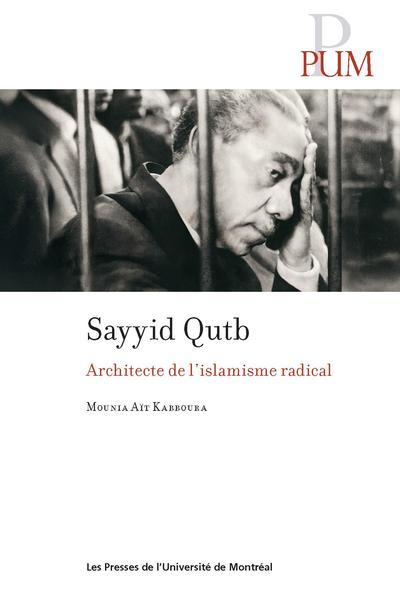
Sayyid Qutb. Architect of Radical Islamism
- Mounia Ait Kabboura
The thought of Sayyid Qutb (1906–1966) has profoundly shaped a wide range of religio-political movements, from the Muslim Brotherhood to Salafi-jihadists, radicalizing political Islam and inspiring...
videos
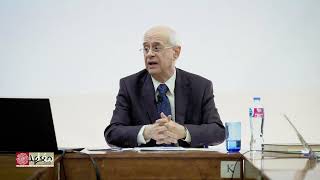
The Foundations of Arabic Grammatical Theory
Cairo. In a lecture delivered in Arabic on Saturday, January 25, 2025, at the Dominican Institute for Oriental Studies (IDEO) in Cairo, Professor Ramzi Baalbaki, holder of the Chair of Arabic...
publication
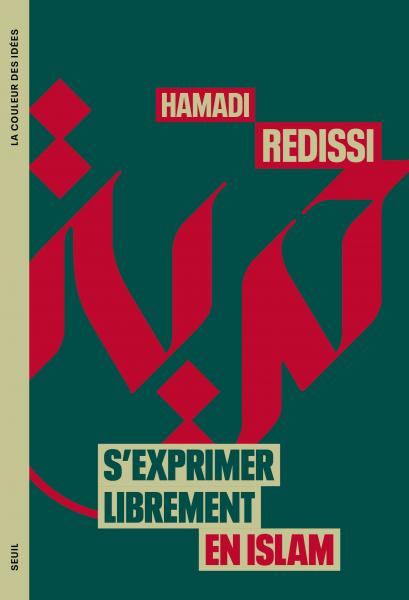
Speaking freely in Islam
- Hamadi Redissi
What is the Islamic doctrine of blasphemy, insult to God, religion and the Prophet? What about the prohibition of figurative representation of Muhammad? Can one openly believe or abjure in Islam? T...

article
The Genre of the Mawlid Narrative in the mid-12th h./18th Century as Exemplified by al-Barzanjī
- Antonio Cuciniello
Among the works of Arabic literature concerning the genre of Mawlid, certainly al-Barzanjī’s Mawlid is a text that has achieved great popularity and spread to large parts of the Islamic world. Inde...

videos
The History of the Quran according to Muslim Sources
- Gabriel Said Reynolds
Professors Shady Nasser from Harvard and Gabriel Reynolds from the University of Notre Dame explore the history of the revelation and compilation of the Quran according to traditional Muslim source...
publication
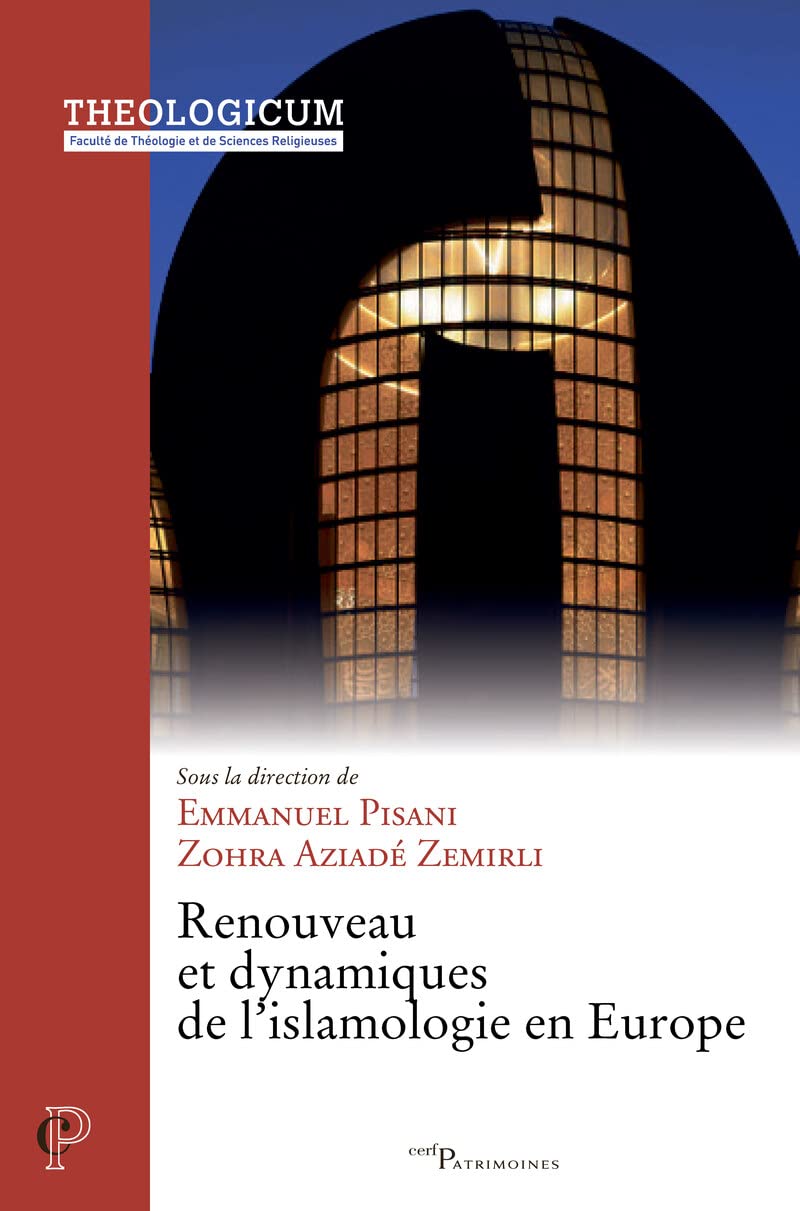
Revival and Dynamics of Islamic Studies in Europe
- Michel Younès
- Emmanuel Pisani
- Cédric Baylocq
- Zohra Aziadé Zemirli
- Michele Brignone
- Haoues Seniguer
“In a troubled international context where Islam is sometimes defined as an ideological marker of many conflicts, academic research drawing on history, sociology, and political science has mu...