

English

The History of the Quran according to Muslim Sources
Professors Shady Nasser from Harvard and Gabriel Reynolds from the University of Notre Dame explore the history of the revelation and compilation of the Quran according to traditional Muslim sources. They describe the process of revelation through the angel Gabriel to Muhammad over a period of 20 to 23 years, highlighting the absence of a complete compilation at the death of the Prophet. The crucial stages of the compilation are then examined, from the first initiative by Abu Bakr, motivated by the loss of many reciters during the Apostasy Wars, to the major standardization undertaken by the caliph Uthman. The latter, triggered by concerns about divergent recitations, led to the establishment of an official version of the text, disseminated throughout the Muslim world. The speakers shed light on the political and social implications of this process, including the tensions arising from the elimination of alternative versions held by some companions. They also highlight how the accounts of this compilation often reflect later theological and legal concerns, including the argument for the superiority of the Quran over Jewish and Christian scriptures due to its supposed perfect preservation.
Les professeurs Shady Nasser, de Harvard, et Gabriel Reynolds, de l’université Notre Dame, explorent l’histoire de la révélation et de la compilation du Coran selon les sources musulmanes traditionnelles. Ils décrivent le processus de révélation par l’intermédiaire de l’ange Gabriel à Muhammad sur une période de 20 à 23 ans, soulignant l’absence d’une compilation complète à la mort du Prophète. Les étapes cruciales de la compilation sont ensuite examinées, depuis la première initiative d’Abu Bakr, motivée par la perte de nombreux récitateurs lors des guerres d’apostasie, jusqu’à la standardisation majeure entreprise par le calife Uthman. Cette dernière, déclenchée par des inquiétudes concernant les divergences de récitation, a abouti à l’établissement d’une version officielle du texte, diffusée dans tout le monde musulman. Les intervenants mettent en lumière les implications politiques et sociales de ce processus, notamment les tensions suscitées par l’élimination des versions alternatives détenues par certains compagnons. Ils soulignent également comment les récits de cette compilation reflètent souvent des préoccupations théologiques et légales postérieures, y compris l’argument de la supériorité du Coran sur les écritures juives et chrétiennes en raison de sa préservation supposée parfaite.


Resources of this researcher
videos
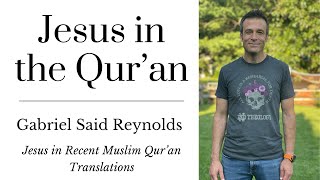
Jesus in Recent Qur’an Translations | The Jesus of the Qur’an vs. the Jesus of the New Testament
In this video, Gabriel Said Reynolds discusses the presentation of Jesus in the Qur'an and how it is interpreted and rendered in English by recent translations of the Qur'an. I show that recent tra...
videos
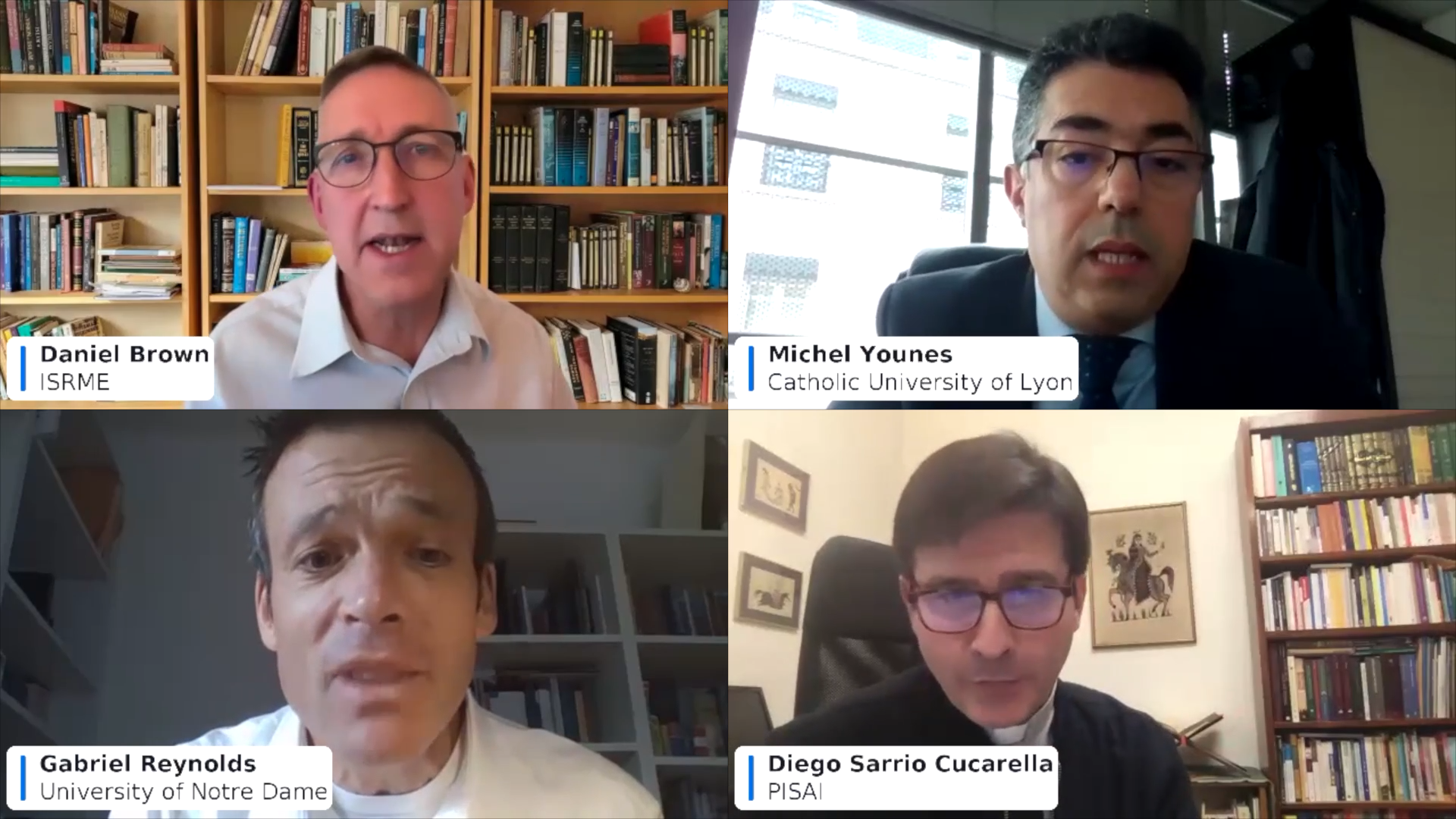
Online Symposium: Islamic Origins & Christian Theological Engagement with Islam
Panelists David Marshall, University of Bern (Moderator), Guest Editor of Islamochristiana Martin Accad, Arab Baptist Theological Seminary Daniel Brown, ISRME Diego Sarrio Cucarella, PISAI Sa...
article
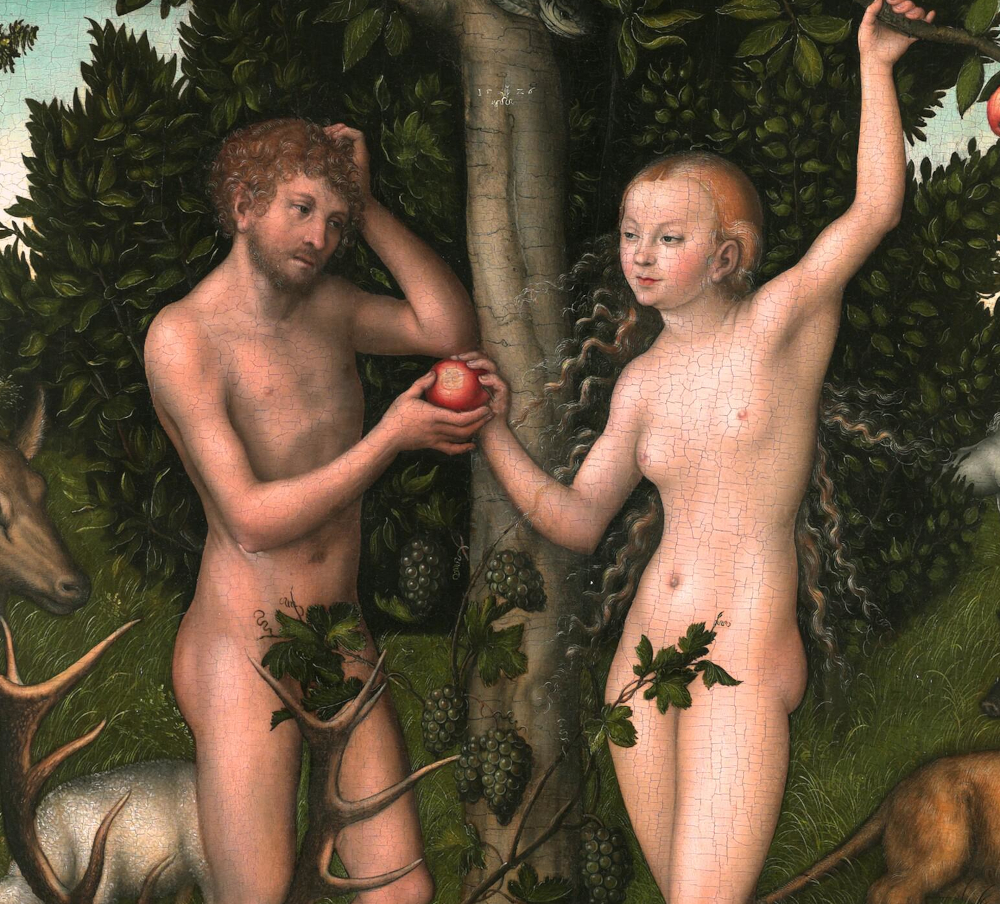
Original Sin and the Qur’an
The present article addresses the common view that the Qur’an has no doctrine of original sin. It begins by defining original sin with attention to the Bible and Christian tradition. Thereafter the...

videos
Islam and the Salvation of non- Muslims: The Qur’anic Perspective
"At the Pluriel conference on “Islam and Otherness” I will argue the Qur’an’s emphasis on divine freedom provides an opening for inclusivism. The Qur’an emphasizes God’s mercy, using al-Raḥmān as a...

videos
God of mercy and vengeance
First International Congress of the University Platform for Research on Islam in Europe and Lebanon (PLURIEL): theological axis Speaker: Gabriel Said Reynolds, Professor of Islamology and Theolo...
Resources related to Quranic Studies
publication
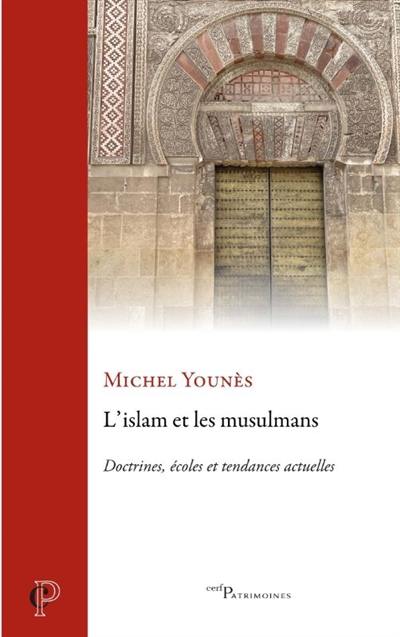
Islam and Muslims. Doctrines, Schools of Thought, and Current Trends
- Michel Younès
Publication date: April 16, 2026. Islam, as a historical, religious, and civilizational reality, is difficult to define. It can be perceived as a form of political governance, an expression of fait...

publication
The Event of the Qur’an: Islam in its Scripture
- Timo Güzelmansur
Published as Das Ereignis des Koran. Der Islam in seiner Schrift (Regensburg: Verlag Friedrich Pustet, 2026), this volume is the first German translation of the classic work by the Anglican Islamic...
publication
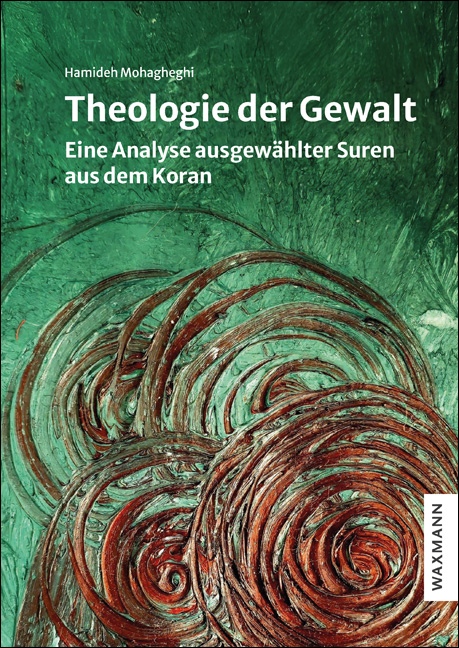
A Theology of Violence: An Analysis of Selected Surahs from the Qur’an
- Hamideh Mohagheghi
Published as Theologie der Gewalt. Eine Analyse ausgewählter Suren aus dem Koran (Münster: Waxmann, 2026), this book by Hamideh Mohagheghi is the published version of her doctoral thesis (defended ...
publication
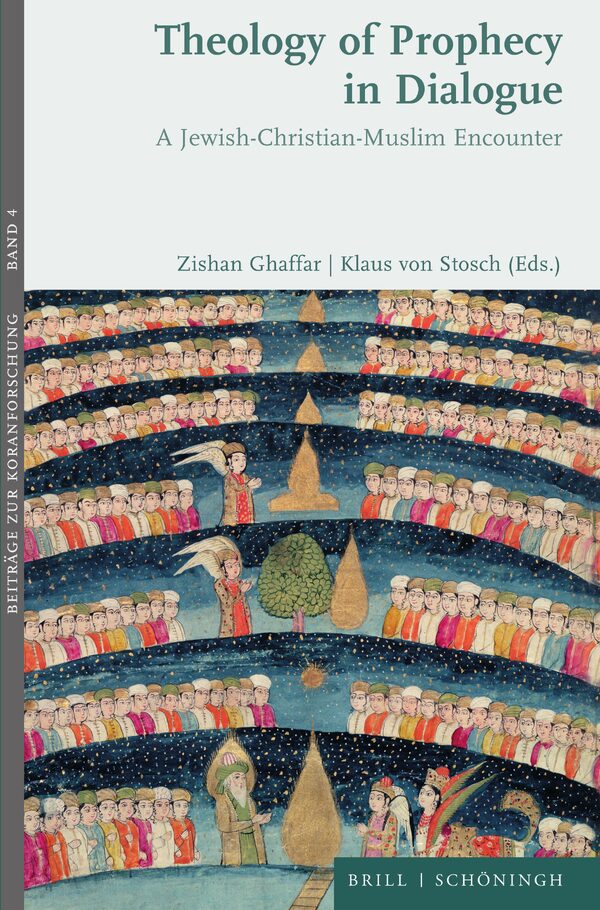
Theology of Prophecy in Dialogue: A Jewish-Christian-Muslim Encounter
- Klaus von Stosch
- Zishan Ahmad Ghaffar
Edited by Zishan Ghaffar (University of Paderborn) and Klaus von Stosch, professor of systematic theology at the University of Bonn and member of the coordination committee of Pluriel, this collect...
article
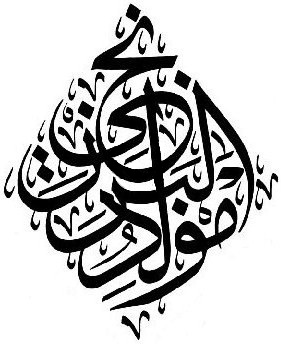
The Genre of the Mawlid Narrative in the mid-12th h./18th Century as Exemplified by al-Barzanjī
- Antonio Cuciniello
Among the works of Arabic literature concerning the genre of Mawlid, certainly al-Barzanjī’s Mawlid is a text that has achieved great popularity and spread to large parts of the Islamic world. Inde...

videos
The History of the Quran according to Muslim Sources
- Gabriel Said Reynolds
Professors Shady Nasser from Harvard and Gabriel Reynolds from the University of Notre Dame explore the history of the revelation and compilation of the Quran according to traditional Muslim source...
videos
Jesus in Recent Qur’an Translations | The Jesus of the Qur’an vs. the Jesus of the New Testament
- Gabriel Said Reynolds
In this video, Gabriel Said Reynolds discusses the presentation of Jesus in the Qur'an and how it is interpreted and rendered in English by recent translations of the Qur'an. I show that recent tra...
publication
Islam and Scientific Examination: A Renewed Quest
- Mohammad Ali Amir-Moezzi
- Dominique Avon
“How can we establish an objective, rigorous, and detached study of Islam in the face of the excesses generated by its politicization? It is to answer this burning question that the French In...