

ما وراء التمثيل: الغيرية المعرفية النَّسقية وبنية المعرفة في الأكاديميا المعاصرة
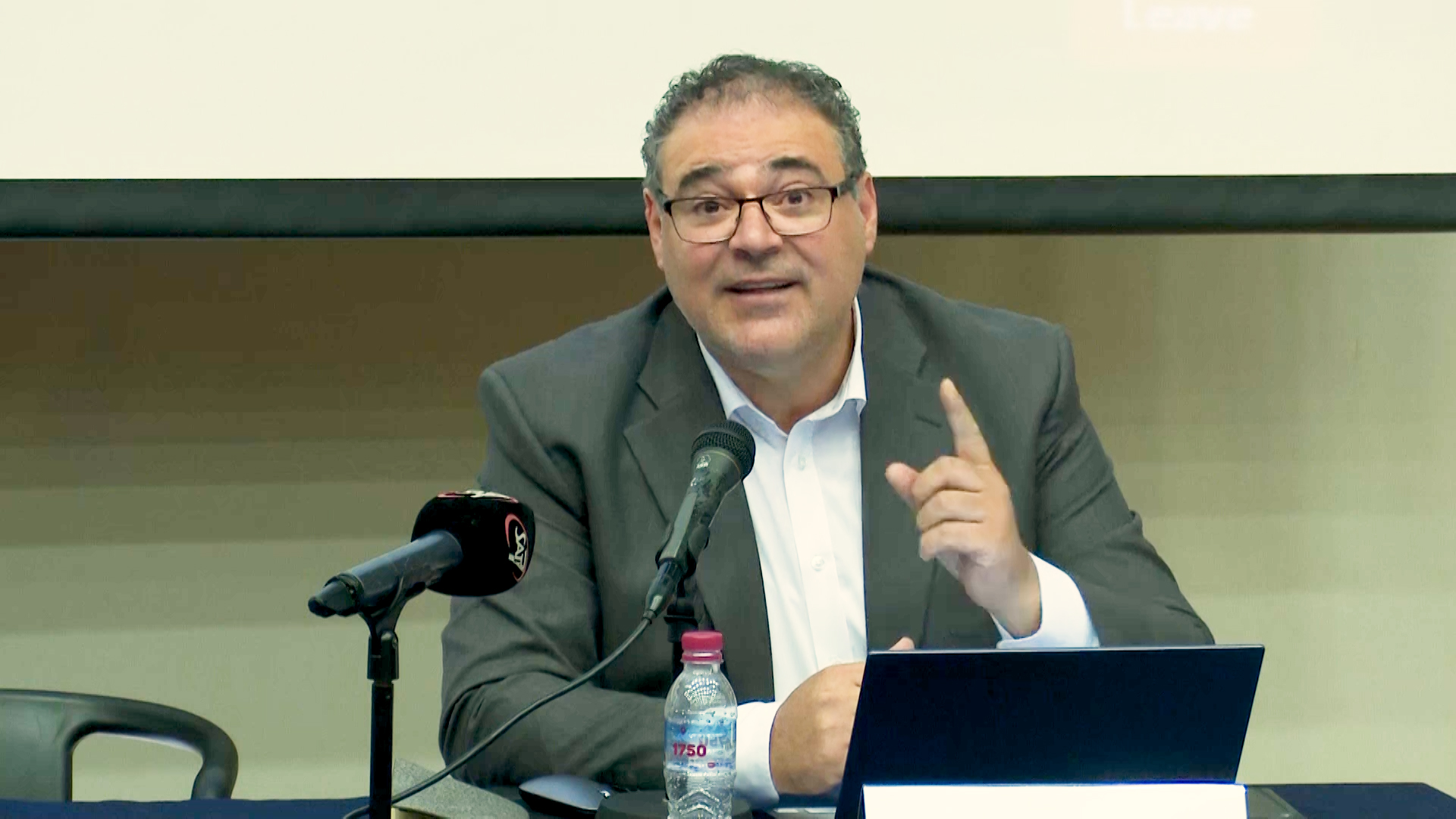
في هذه المقالة المنشورة في جزأين ضمن «Social Epistemology Review and Reply Collective» (SERRC)، يقترح وائل صالح، الباحث في جامعة كيبك في مونتريال (UQAM) وعضو لجنة تنسيق المنصة الجامعية للدراسات حول الإسلام، الإطارَ التحليليَ «الغيرية المعرفية النَّسقية» لإظهار تشكيلٍ محدَّدٍ لسلطة المعرفة، ينشأ من تفاعل الترتيبات المؤسَّسية وأنظمة التقييم والبنى الخوارزمية داخل الأنظمة الأكاديمية المعاصرة.
وانطلاقاً مما يُعرَف عادةً بـ«الربيع العربي»، يذهب المؤلّف إلى أنّ هذه الأحداث لم تكشف مجرّد قصورٍ في التمثيل أو التأويل، بل أزمةً أعمق في البنية المعرفية التي تحكم إنتاج المعرفة والتصديق عليها وجعلها مفهومة. ومن خلال مقاربته بتأمّل إدوارد سعيد في حرب أكتوبر 1973 بوصفها مَنشأ نقده للاستشراق، يُعيد طرح سؤالٍ تأسيسيّ: كيف تُنتَج المعرفة الأكاديمية الغربية عن المجتمعات العربية، وعبر أيّ مصفاةٍ مؤسَّسية؟
ثمّ تجمع المقالة بين ثلاثة مستوياتٍ كثيراً ما تُعالَج منفصلة: الأجهزة المؤسَّسية والتحريرية للجامعة المعاصرة؛ وأنظمة التقييم (المقاييس والمؤشّرات والتصنيفات)؛ والبنى الرقمية (المنصّات والخوارزميات والأرشيفات المفتوحة). ويبيّن وائل صالح أنّه عند تقاطع هذه المنطقيّات الثلاث يتشكّل إنتاجٌ منهجيٌّ للغيرية المعرفية: تهميشٌ بنيويٌّ لأصواتٍ وميادينَ ومناهجَ بعينها، لم يَعُد بقيّةَ هيمنةٍ استعماريةٍ قديمة، بل أثراً إجرائياً لأدوات إضفاء الشرعية على المعرفة اليوم.
والإطار المقترَح تشخيصيٌّ واستكشافيٌّ لا تنبّئيّ: فهو يحدّد شروطاً بنيوية تصوغ الشرعية والظهور المعرفيَّين من دون ردّها إلى آلياتٍ حتميّة. وهو يُحاور نظريات الظلم المعرفيّ (فريكر، مِدينا) والنقد ما بعد الكولونيالي ودراسات العلم والتقنية (STS)، وإن تميّز عنها بعنايته بالبنى الرقمية للتقييم. ويدعو المؤلّف الأبحاثَ التجريبية المقبلة إلى تدقيق هذه الديناميات أو مساءلتها أو وضعها في سياقها بحسب التخصّصات والمناطق والأطر المؤسَّسية.
المرجع: وائل صالح، مقالة في Social Epistemology Review and Reply Collective (المجلّد 15، العدد 3، 2026، ص 22-44)، عنوانها:
Beyond Representation: Systemic Epistemic Alterity and the Architecture of Knowledge in the Contemporary Academy
نُشرت في جزأين: الجزء الأول (11 مارس 2026) والجزء الثاني (13 مارس 2026).
Dans cet article publié en deux parties par Social Epistemology Review and Reply Collective (SERRC), Wael Saleh, chercheur à l’Université du Québec à Montréal (UQAM) et membre du comité de coordination de Pluriel, propose le cadre analytique de l’« altérité épistémique systémique » pour rendre visible une configuration spécifique du pouvoir épistémique. Celle-ci émerge de l’interaction entre arrangements institutionnels, régimes d’évaluation et infrastructures algorithmiques au sein des systèmes académiques contemporains.
Prenant pour point de départ les événements communément désignés sous le nom de « printemps arabes », l’auteur soutient que ces séquences ont mis en lumière non pas un simple défaut de représentation ou d’interprétation, mais une crise plus profonde de l’architecture épistémique : celle qui gouverne la production, la validation et l’intelligibilité du savoir. Le rapprochement avec la réflexion d’Edward Said sur la guerre d’octobre 1973 comme matrice de sa critique de l’orientalisme permet de réactiver une question fondatrice : comment le savoir académique occidental sur les sociétés arabes est-il produit, et selon quels filtres institutionnels ?
L’article articule alors trois plans habituellement disjoints : les dispositifs institutionnels et éditoriaux de l’université contemporaine ; les régimes évaluatifs (métriques, indices, classements) ; et les infrastructures numériques (plateformes, algorithmes, archives ouvertes). Wael Saleh montre qu’au croisement de ces trois logiques se construit une production systématique d’altérité épistémique : une marginalisation structurelle de certaines voix, certains terrains et certaines méthodes, qui n’est plus le résidu d’une domination coloniale ancienne mais un effet opérationnel des outils contemporains de légitimation du savoir.
Le cadre proposé se veut diagnostique et heuristique, non prédictif : il identifie des conditions structurelles qui façonnent la légitimité et la visibilité épistémiques, sans les réduire à des mécanismes déterministes. Il dialogue avec les théories de l’injustice épistémique (Fricker, Medina), la critique postcoloniale et les Science and Technology Studies, tout en s’en distinguant par l’attention portée aux infrastructures numériques d’évaluation. L’auteur invite les recherches empiriques futures à affiner, contester ou contextualiser ces dynamiques selon les disciplines, les régions et les cadres institutionnels.
Référence : Wael Saleh, « Beyond Representation : Systemic Epistemic Alterity and the Architecture of Knowledge in the Contemporary Academy », Social Epistemology Review and Reply Collective, vol. 15, n° 3, 2026, p. 22-44. Article publié en deux parties : Partie I (11 mars 2026) et Partie II (13 mars 2026).
In this article, published in two parts by Social Epistemology Review and Reply Collective (SERRC), Wael Saleh, a researcher at the University of Quebec in Montreal (UQAM) and a member of Pluriel’s coordination committee, proposes the analytical framework of “systemic epistemic alterity” to make visible a specific configuration of epistemic power. It emerges from the interaction between institutional arrangements, evaluation regimes and algorithmic infrastructures within contemporary academic systems.
Taking as its starting point the events commonly known as the “Arab Springs”, the author argues that these sequences revealed not a mere failure of representation or interpretation, but a deeper crisis of the epistemic architecture that governs the production, validation and intelligibility of knowledge. Drawing a parallel with Edward Said’s reflection on the October 1973 war as the matrix of his critique of Orientalism, he reactivates a foundational question: how is Western academic knowledge about Arab societies produced, and through which institutional filters?
The article then brings together three planes usually kept separate: the institutional and editorial apparatus of the contemporary university; evaluative regimes (metrics, indices, rankings); and digital infrastructures (platforms, algorithms, open archives). Wael Saleh shows that at the intersection of these three logics a systematic production of epistemic alterity takes shape: a structural marginalisation of certain voices, fields and methods, which is no longer the residue of an old colonial domination but an operational effect of the contemporary tools that legitimise knowledge.
The proposed framework is diagnostic and heuristic rather than predictive: it identifies structural conditions that shape epistemic legitimacy and visibility, without reducing them to deterministic mechanisms. It engages with theories of epistemic injustice (Fricker, Medina), postcolonial critique and Science and Technology Studies, while distinguishing itself through its attention to the digital infrastructures of evaluation. The author invites future empirical research to refine, contest or contextualise these dynamics across disciplines, regions and institutional settings.
Reference: Wael Saleh, “Beyond Representation: Systemic Epistemic Alterity and the Architecture of Knowledge in the Contemporary Academy”, Social Epistemology Review and Reply Collective, vol. 15, no. 3, 2026, pp. 22-44. Published in two parts: Part I (11 March 2026) and Part II (13 March 2026).


مصادر الكاتب في الموقع
publication
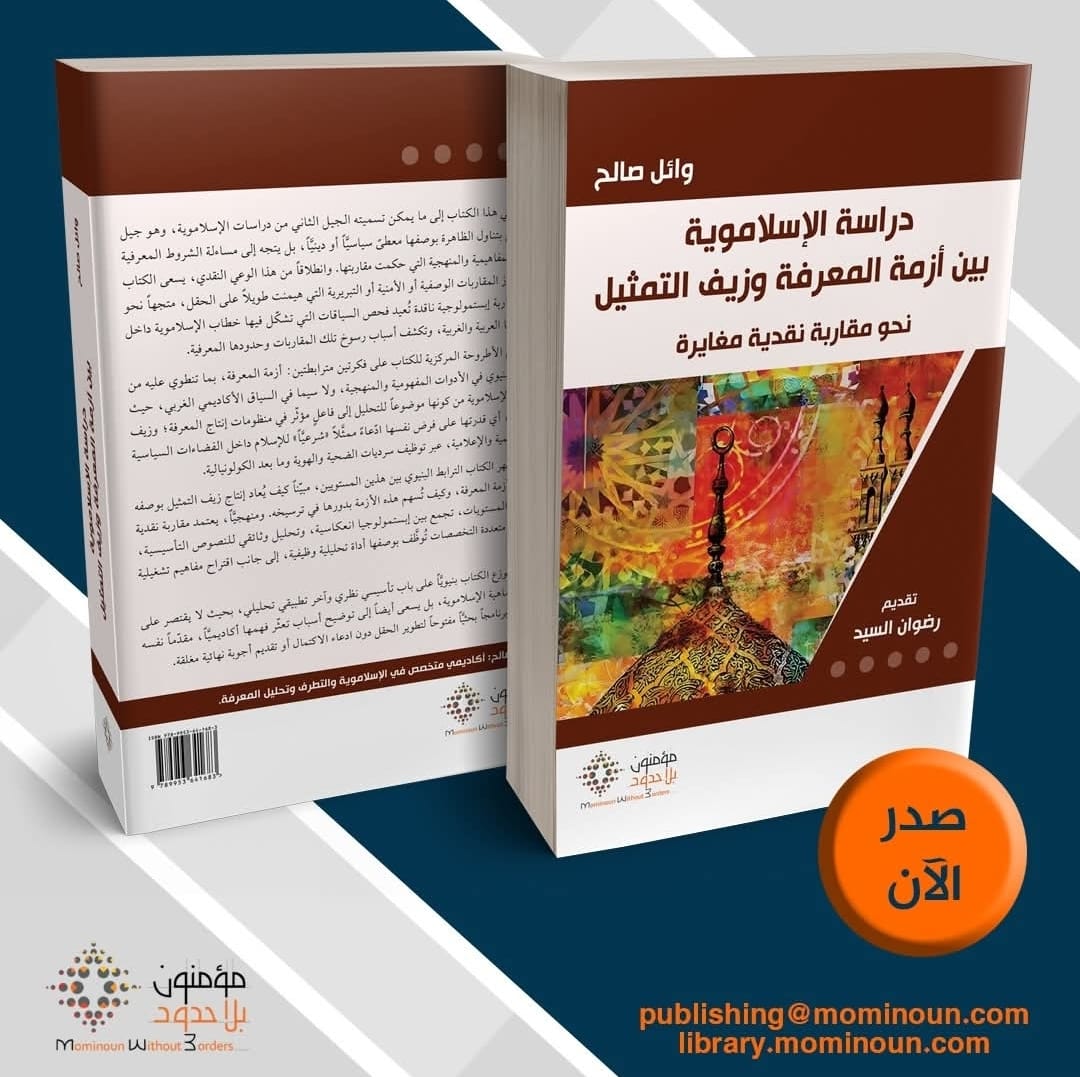
دراسة الإسلاموية بين أزمة المعرفة وزيف التمثيل
ينتمي هذا الكتاب لـوائل صالح، الباحث الرئيسي في مركز تريندز للبحوث والاستشارات والأستاذ المشارك في معهد الدراسات الدولية بمونتريال (IEIM) التابع لجامعة كيبيك في مونتريال (UQAM)، إلى ما يمكن تسميته ...

article
دراسات التطرّف المؤدّي إلى العنف باسم الإسلام: تصنيف الجهات الفاعلة النظريّة بغية فهم التحدّيات المعرفية والأخلاقية
هل يمكن اعتبار التحريض على العنف أو إضفاء الشرعية الإيديولوجية أو الدينية أو النظرية عليه بغية تبريره أو التقليل من شأنه، عملاً عنيفًا؟ وفقًا لنظرية أفعال اللغة التي وضعها الفيلسفوف أوستين، إنّ الق...

videos
الانتماء (الانتماءات) والأرض (الأراضي) من منظور التديّن في الفكر العربي الإسلامي الحالي
محاضرة ألقاها وائل صالح في المؤتمر الدولي الثاني الذي نظّمته شبكة PLURIEL في روما. كما لاحظ المفكّر السوري برهان غليون [1] والمؤرّخ الفرنسي دومينيك أفون [2] والفيلسوف المغربي عبد الإله بلقزيز [...
publication
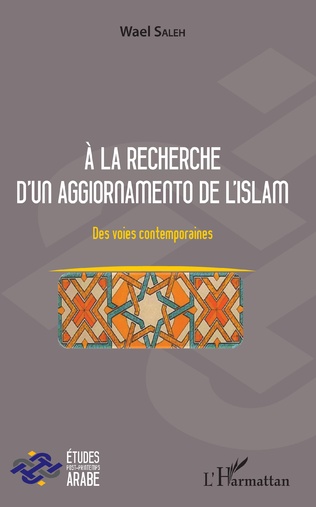
بحث عن تحديث للإسلام. دروب معاصرة
في الوقت الحالي، يعيشُ العالمُ العربي- المسلم بحسب رأينا، خصوصاً البلدان التي تأثّرت بالربيع العربي حالةً من الاضطرابات والتقلّبات تشبه تلك التي عرفتها أوروبا في عصر الإصلاح والحروب الدينية. هل يؤد...
المصادر المرتبطة بـ  نظرية المعرفة
publication
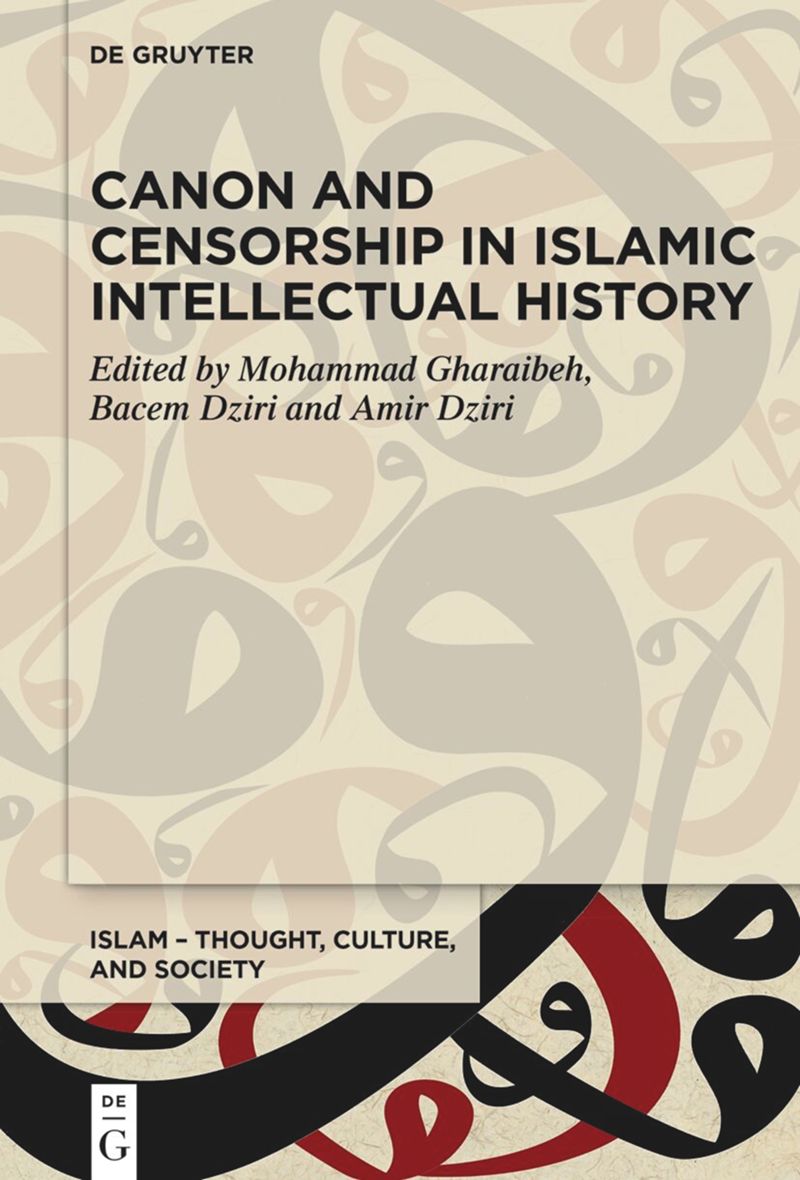
التقنين والرقابة في التاريخ الفكري الإسلامي
- أمير دزيري
صدر هذا الكتاب الجماعي بعنوان: Canon and Censorship in Islamic Intellectual History (De Gruyter، سلسلة «الإسلام: الفكر والثقافة والمجتمع»، المجلد 16، 2026)، بإشراف محمد غرايبة وباسم دزيري (جامعة هو...
publication
دراسة الإسلاموية بين أزمة المعرفة وزيف التمثيل
- وائل صالح
ينتمي هذا الكتاب لـوائل صالح، الباحث الرئيسي في مركز تريندز للبحوث والاستشارات والأستاذ المشارك في معهد الدراسات الدولية بمونتريال (IEIM) التابع لجامعة كيبيك في مونتريال (UQAM)، إلى ما يمكن تسميته ...
article
ما وراء التمثيل: الغيرية المعرفية النَّسقية وبنية المعرفة في الأكاديميا المعاصرة
- وائل صالح
في هذه المقالة المنشورة في جزأين ضمن «Social Epistemology Review and Reply Collective» (SERRC)، يقترح وائل صالح، الباحث في جامعة كيبك في مونتريال (UQAM) وعضو لجنة تنسيق المنصة الجامعية للدراسات حول...
publication
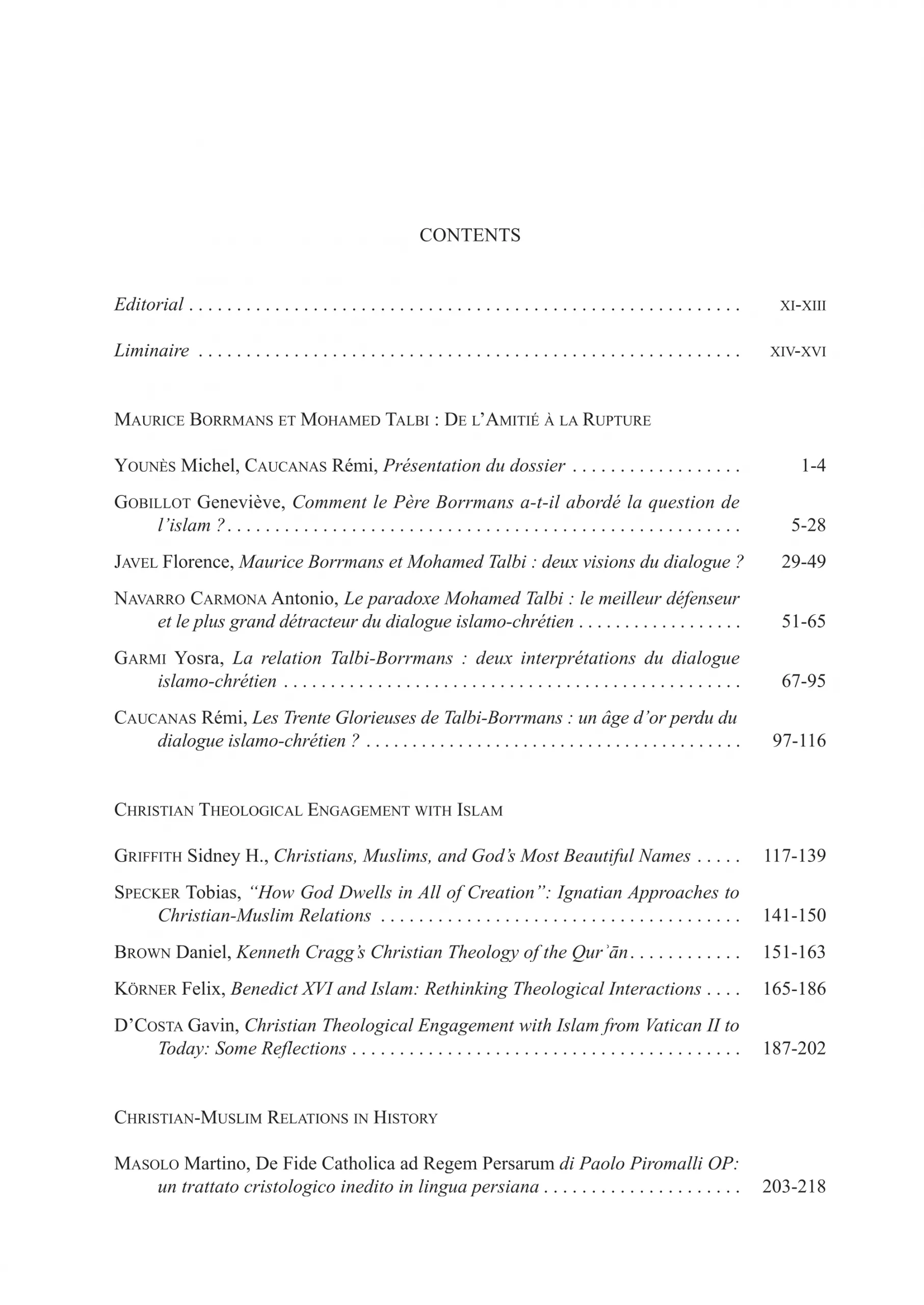
مجلة إسلاموكريستيانا 49 (2024): “موريس بورمانز ومحمد الطالبي: من الصداقة إلى القطيعة”
- ديفيد مارشال
- دييغو ساريو كوكاريلا
- ريمي كوكاناس
- ميشال يونس
- جينيفييف غابيو
- فلورنس جافيل
- يسرا غارمي
- طوبياس سبيكير
عنوان هذا العدد، “موريس بورمانز ومحمد الطالبي: من الصداقة إلى القطيعة”، استوحي من مجموعة مقالات تسلط الضوء على جوانب مختلفة من العلاقة بين هاتين الشخصيتين اللتين تركتا بصمتهما في التاري...
publication
مرجعيّة الحديث النبويّ
- إيمانويل بيساني
لم يتمّ تكريس الحديث النبويّ كمرجعيّة دون صراعاتٍ دينيّة بين علماء القرآن وأهل الحديث وأهل العقل. والسؤال المطروح دائمًا هو عن مصدر السلطة المعرفيّة؟ كيف نشأتْ مرجعيّة الحديث النبويّ وكيف أنّه من خ...