

السيطرة الأسطورية على نهر النيل: دراسة في المصادر الإسلامية
ملخّص
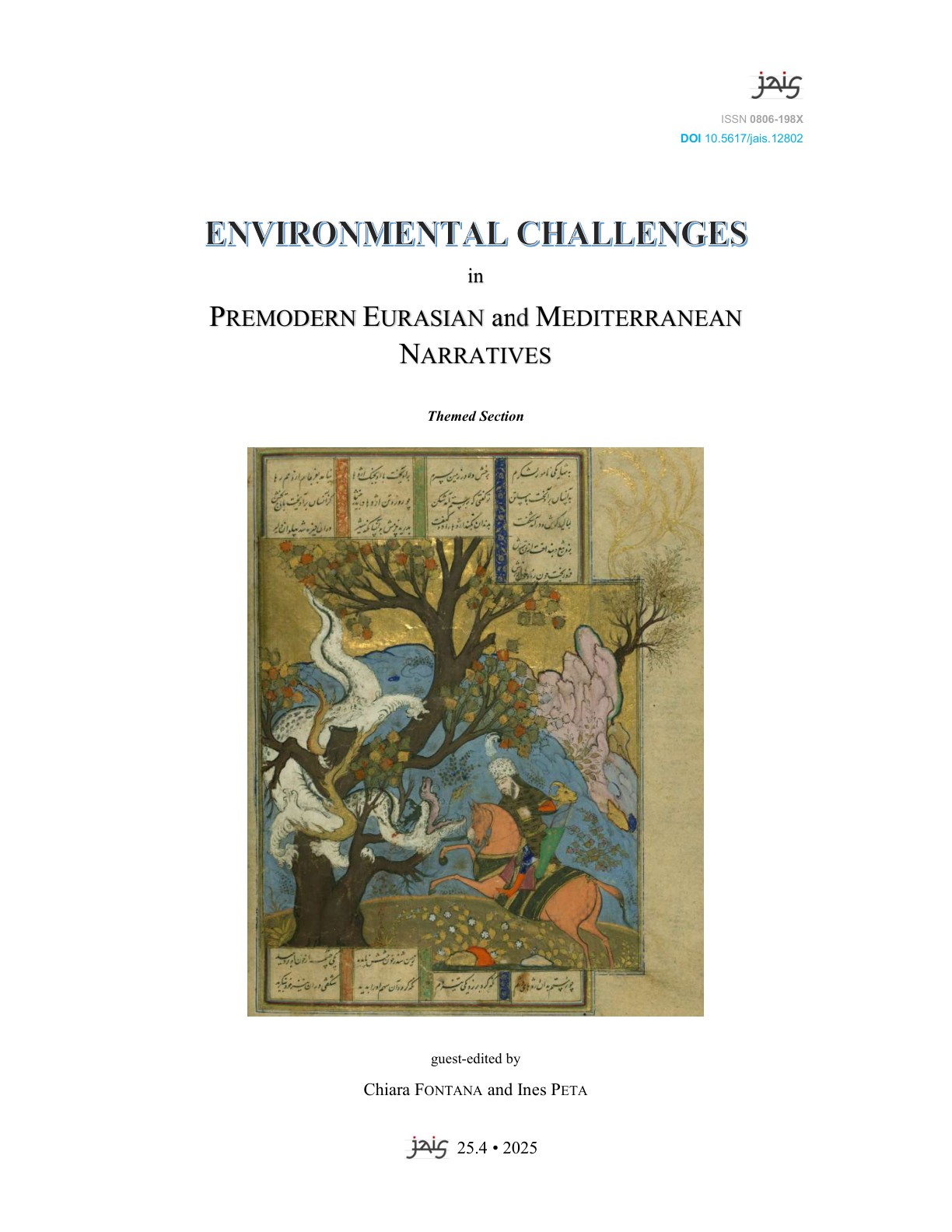
نُشر هذا المقال بالإنكليزية في «مجلة الدراسات العربية والإسلامية» (Journal of Arabic and Islamic Studies، المجلد 25، العدد 4، 2025، ص 69-87)، ضمن ملف «التحدّيات البيئية في السرديات الأوراسية والمتوسطية قبل الحديثة» الذي أشرفت عليه كيارا فونتانا وإينيس بيتا، تحت العنوان الآتي:
The Mythological Control of the River Nile: A Study on the Islamic Sources
وفيه يدرس ماركو ديميشيليس، الأستاذ المساعد في تاريخ العالم الإسلامي والفكر الإسلامي في جامعة بولونيا، المصادرَ الإسلامية الممتدّة من القرن العاشر إلى القرن الرابع عشر التي رسّخت، في سياق فترات الجفاف، فكرةَ أنّ الحبشة قادرة على إحياء مصر أو إهلاكها بإحداث فيضانات مفرطة أو جفاف طويل.
فبعد الفتوحات العربية، ظلّت مصر والنيل متلازمين، وقد صارت لهما أهمية اقتصادية وعسكرية في المواجهة مع العالم المسيحي زمن الحروب الصليبية. وحدّد الجغرافيون العرب، من الخوارزمي إلى الإدريسي، ورثةُ بطليموس، منبعَ النيل في «جبال القمر»، وفي القرن السادس عشر ظلّ الحسن الوزان (ليون الإفريقي) يربط الفيضان السنوي بأمطار الحبشة من غير أن يذكر أيّ تهديد. غير أنّ أزمات بعينها، مثل سقوط الإخشيديين بعد مجاعة طويلة، والشدّة المستنصرية زمن الخليفة الفاطمي المستنصر، التي تزامنت مع أول أزمة دبلوماسية مع الحبشة، قُرئت في ضوء أحاديث الفتن والملاحم، فغذّت إشاعة قدرة الحبشة على التحكّم في النهر.
وفي الغرب اللاتيني، امتزجت هذه الإشاعة بعد الحروب الصليبية بأسطورة «القسّ يوحنا». ويبدو أنّ الحاجّ الأوغسطيني جاكوبو دا فيرونا كان أول من جعل إمبراطور الحبشة هو القسّ يوحنا وسيّد النيل في آن واحد، وهي أسطورة ظلّت متداولة في أوروبا حتى أواخر القرن السادس عشر. أمّا في الجانب الإسلامي، فقد فقدت مصداقيتها: فنحو عام 1405، ردّ المقريزي مجاعات مصر إلى الظواهر الجوية وضعف الفيضان، من غير أن يرى فيها يد الحبشة.
والمقال متاح مجّاناً على موقع المجلة.
Résumé
Paru en anglais sous le titre « The Mythological Control of the River Nile: A Study on the Islamic Sources » dans le Journal of Arabic and Islamic Studies (vol. 25, n° 4, 2025, p. 69-87), au sein du dossier « Environmental Challenges in Premodern Eurasian and Mediterranean Narratives » coordonné par Chiara Fontana et Ines Peta, cet article de Marco Demichelis, maître de conférences en histoire du monde islamique et de la pensée islamique à l’Université de Bologne, étudie les sources islamiques des Xe-XIVe siècles qui, à propos des périodes de sécheresse, ont accrédité l’idée que l’Éthiopie pouvait donner la vie ou la mort à l’Égypte en provoquant des crues excessives ou des sécheresses prolongées.
Après les conquêtes arabes, l’Égypte et le Nil restent indissociables, désormais en raison de leur importance économique et militaire face au monde chrétien à l’époque des croisades. Les géographes arabes, d’al-Khwārizmī à al-Idrīsī, héritiers de Ptolémée, situent la source du Nil dans les « monts de la Lune », et au XVIe siècle Léon l’Africain rattache encore la crue annuelle aux pluies de l’Éthiopie sans évoquer aucune menace. Mais certaines crises, comme la chute des Ikhshidides après une longue famine et la grande crise des eaux sous le calife fatimide al-Mustanṣir, contemporaine d’une première crise diplomatique avec l’Éthiopie, lues à la lumière des traditions apocalyptiques islamiques, ont nourri la rumeur d’un pouvoir éthiopien sur le fleuve.
Dans l’Occident latin, la rumeur se combine après les croisades avec la légende du prêtre Jean. Le pèlerin augustin Jacopo da Verona semble avoir été le premier à faire de l’empereur d’Éthiopie à la fois le prêtre Jean et le maître du Nil, mythe qui circule en Europe jusqu’à la fin du XVIe siècle. Du côté islamique, en revanche, il perd son crédit : vers 1405, al-Maqrīzī attribue les famines de l’Égypte aux phénomènes atmosphériques et à la faiblesse des crues, sans y voir la main de l’Éthiopie.
L’article est en libre accès sur le site de la revue (DOI 10.5617/jais.12786).
Abstract
Published in the Journal of Arabic and Islamic Studies (vol. 25, no. 4, 2025, pp. 69-87), in the themed section “Environmental Challenges in Premodern Eurasian and Mediterranean Narratives” edited by Chiara Fontana and Ines Peta, this article by Marco Demichelis, Assistant Professor in History of the Islamic World and Islamic Thought at the University of Bologna, explores Islamic sources from the tenth to the fourteenth century which, in connection with periods of drought, gave credence to the idea that Ethiopia could give life or death to Egypt by causing excessive floods or prolonged droughts.
After the Arab conquests, Egypt and the Nile remained inseparable, now because of their economic and military importance in the confrontation with the Christian world in the era of the Crusades. Arab geographers, from al-Khwārizmī to al-Idrīsī, heirs to Ptolemy, placed the source of the Nile in the “Mountains of the Moon”, and in the sixteenth century Leo Africanus still linked the annual flood to the rains of Ethiopia without mentioning any threat. Yet certain crises, such as the fall of the Ikhshidids after a long famine and the great water crisis under the Fatimid caliph al-Mustanṣir, which coincided with a first diplomatic crisis with Ethiopia, read in the light of Islamic apocalyptic traditions, fuelled the rumour of an Ethiopian power over the river.
In the Latin West, after the Crusades, the rumour merged with the legend of Prester John. The Augustinian pilgrim Jacopo da Verona seems to have been the first to make the Ethiopian emperor both Prester John and master of the Nile, a myth that circulated in Europe until the end of the sixteenth century. On the Islamic side, by contrast, it lost credibility: around 1405, al-Maqrīzī attributed Egypt’s famines to atmospheric phenomena and weak floods, without seeing the hand of Ethiopia in them.
The article is freely available on the journal website (DOI 10.5617/jais.12786).


الكاتب
مصادر الكاتب في الموقع
article
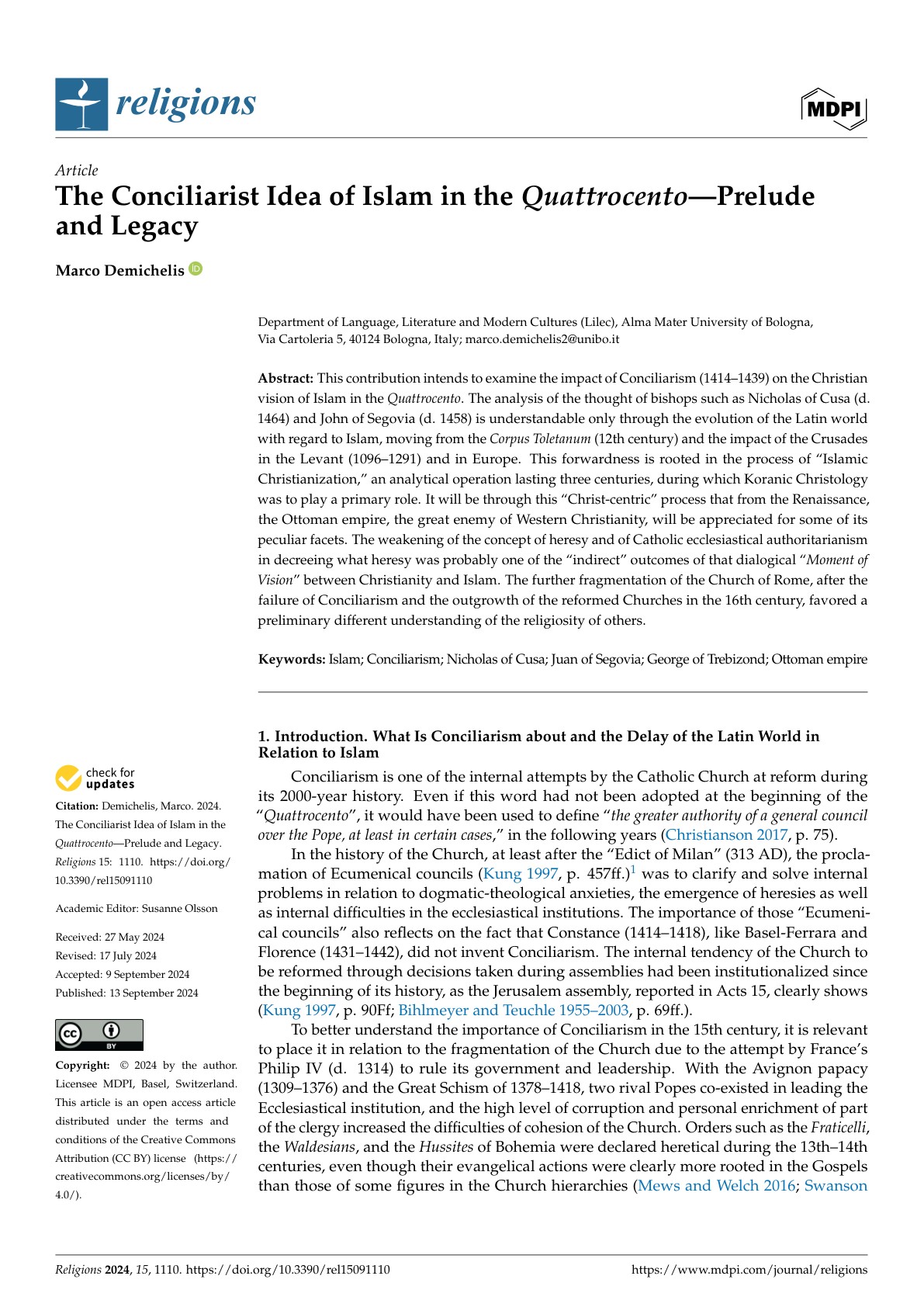
صورة الإسلام في الفكر المجمعي في القرن الخامس عشر: التمهيد والإرث
ملخّص نُشر هذا المقال بالإنكليزية في مجلة «Religions» (المجلد 15، العدد 9، 2024)، تحت العنوان الآتي: The Conciliarist Idea of Islam in the Quattrocento: Prelude and Legacy وفيه يدرس ماركو ...
publication
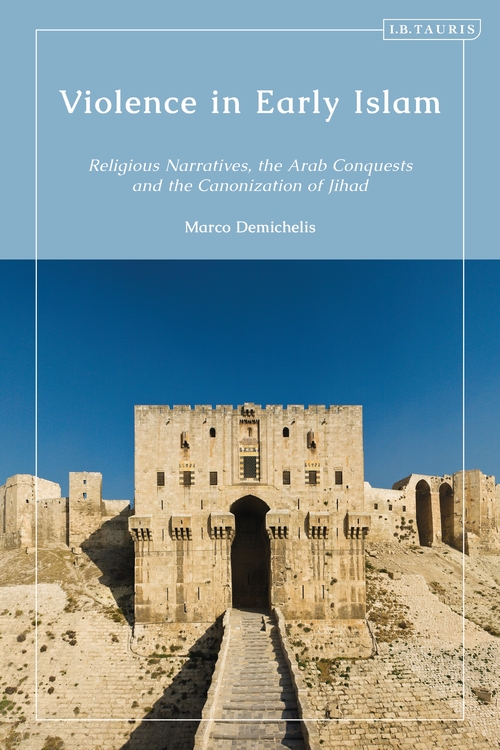
العنف في الإسلام المبكر. الخطابات الدينية، والفتوحات العربية، وتقديس الجهاد
Original title : Violence in Early Islam. Religious Narratives, the Arab Conquests and the Canonization of Jihad Présentation: Presentation: The concept of jihad holds a prominent place in Islamic ...
article
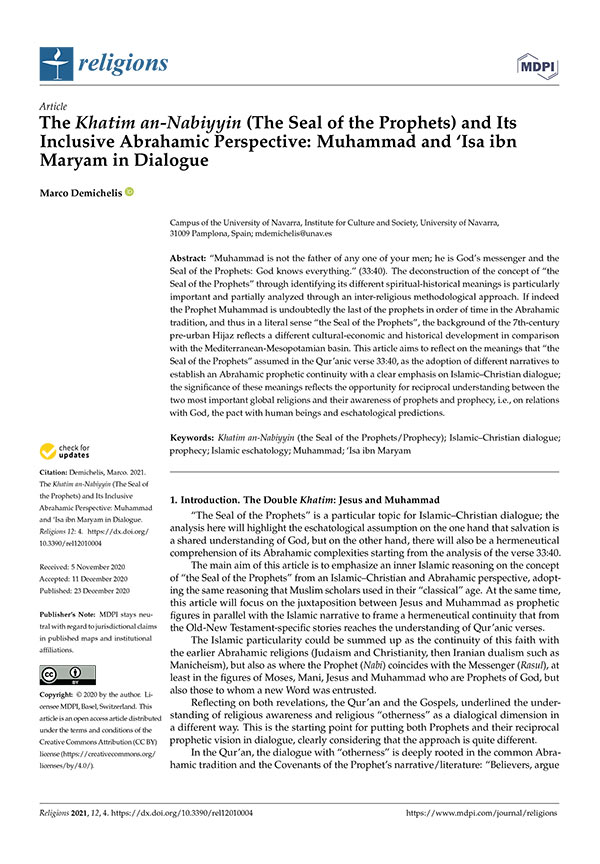
خاتم النبيّين ومنظوره الإبراهيمي الشامل: محمد وعيسى ابن مريم في حوار
Original title : "The Khatim an-Nabiyyin (The Seal of the Prophets) and Its Inclusive Abrahamic Perspective: Muhammad and ‘Isa ibn Maryam in Dialogue" Abstract “Muhammad is not the father of ...
publication
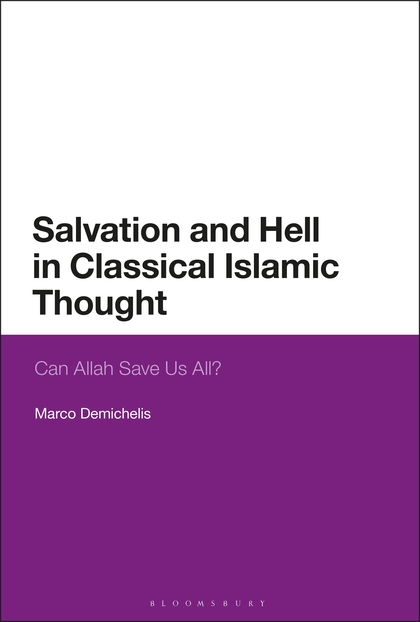
الخلاص والجحيم في الفكر الإسلامي الكلاسيكي. هل يستطيع الله أن ينقذنا جميعاً؟
يلجأ “الخلاص والجحيم في الفكر الإسلامي الكلاسيكي” إلى مصادر إسلامية كلاسيكية ليخطَّ تطوّر الإسخاتولوجيا الإسلامية في خلال قرون ولادة تاريخ الفكر الإسلامي. ويستندُ ماركو ديميشليس إلى علّ...
publication
العنف الديني، والغايات السياسية، والقومية، والمواطنة والتطرّف في الشرق الأوسط وأوروبا
منذ العصور القديمة، شكّلَ العنف الديني القائم على الدوافع السياسية ممارسة شائعة ولا يزالُ حتى يومنا هذا. فالفظائع التي ارتكبتها الإمبراطورية الرومانية ضد الجماعات المسيحية الأولى سرعان ما استُبدِلت...

videos
حينما يقسّم الدين “المجتمع”. ديناميات العنف والتهدئة في المشرق العربي
محاضرة ألقاها ماركو ديميشليس في المؤتمر الدولي الثاني الذي نظّمته شبكة PLURIEL في روما. ملخّص ملخّص منذ القرن التاسع عشر، أدّت دينامياتُ الصراع بين الأديان في العالم العربي إلى رفع مستوى ...
المصادر المرتبطة بـ  التاريخ
publication
مجلة ميديو، العدد 41: المعنى الحرفي بين العوالم المسيحية والعوالم الإسلامية
- جان درويال
- إيمانويل بيساني
يحمل العدد الحادي والأربعون من مجلة ميديو عنوان ملفّه: «المعنى الحرفي بين العوالم المسيحية والعوالم الإسلامية»، ويتناول مسألة المعنى الحرفي للنصوص المقدّسة من خلال مقاربة مقارنة للتفاسير المسيحية و...

article
اختبار مسجد عبر التصوير الفوتوغرافي: الإسلامُ ديانةً عاديّة
ملخّص يظهر هذا المقال، المنشورُ سنة 2021 في مجلّة Visual Ethnography (المجلّد 10، العدد 2)، تحت عنوانه الأصليّ: Experiencing a Mosque Through Photography: Islam As an Ordinary Religion يتس...

article
الإسلام من منظور عزيز العظمة
ملخّص يظهر هذا المقال، المكتوبُ بالعربية أصلًا، في العدد 50 (2024) من مجلّة Islamochristiana (المعهد البابويّ للدراسات العربية والإسلامية، PISAI، صدر في أبريل/نيسان 2025). فيه يتناول وسيم سلمان،...

article
رؤى إسلامية ليسوع: الوحي والنبوّة والآخريات
- أنطونيو كوتشينييلو
ملخّص يظهر هذا الفصل في المؤَلَّف الجماعيّ Jerusalem in Memory and Eschatology: Jewish, Christian, and Muslim Visions of the Past and Future of Jerusalem، بإشراف إيما أودونيل بولياكوف (Bloomsbur...

article
المجمع النيقاويّ الأوّل (325) والحوارُ الإسلاميّ المسيحيّ حول وحدانية الله والتثليث
ملخّص يظهر هذا المقال في العدد 2/2025 من مجلّة CIBEDO-Beiträge، المجلّة المرجعية للحوار الإسلاميّ المسيحيّ باللغة الألمانية، تحت عنوانه الأصليّ: Das erste Konzil von Nizäa (325) und der chris...
publication
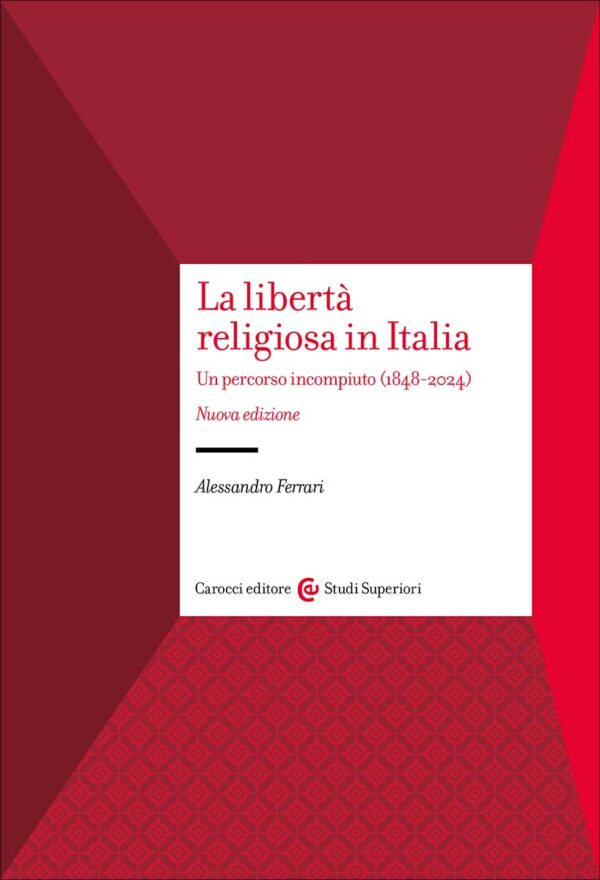
الحرية الدينية في إيطاليا: مسارٌ غير مكتمل (1848-2024)
- أليساندرو فيراري
يظهر هذا الكتابُ التحليليّ لـأليساندرو فرّاري، أستاذ القانون الكنسيّ والقانون المقارن للأديان في جامعة إنسوبريا، ومدير مركز REDESM لدراسة «الأديان والحقوق والاقتصادات في الفضاء المتوسّطي»، بعنوانه ...
publication
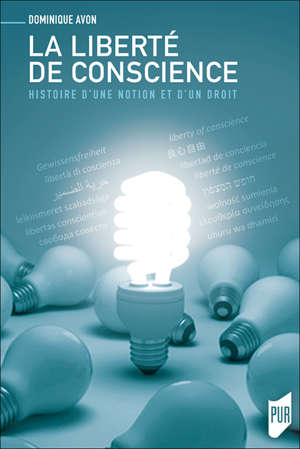
حرية الضمير: تاريخ مفهومٍ وحقّ
- دومينيك أفون
صدر عام ٢٠٢٥ عن منشورات يافا (٣٠١ صفحة) كتاب حرية الضمير: تاريخ مفهومٍ وحقّ، وهو الترجمة العربية التي أنجزها عفيف بوني للكتاب المرجعي La liberté de conscience. Histoire d’une notion et d’un droit ل...
article
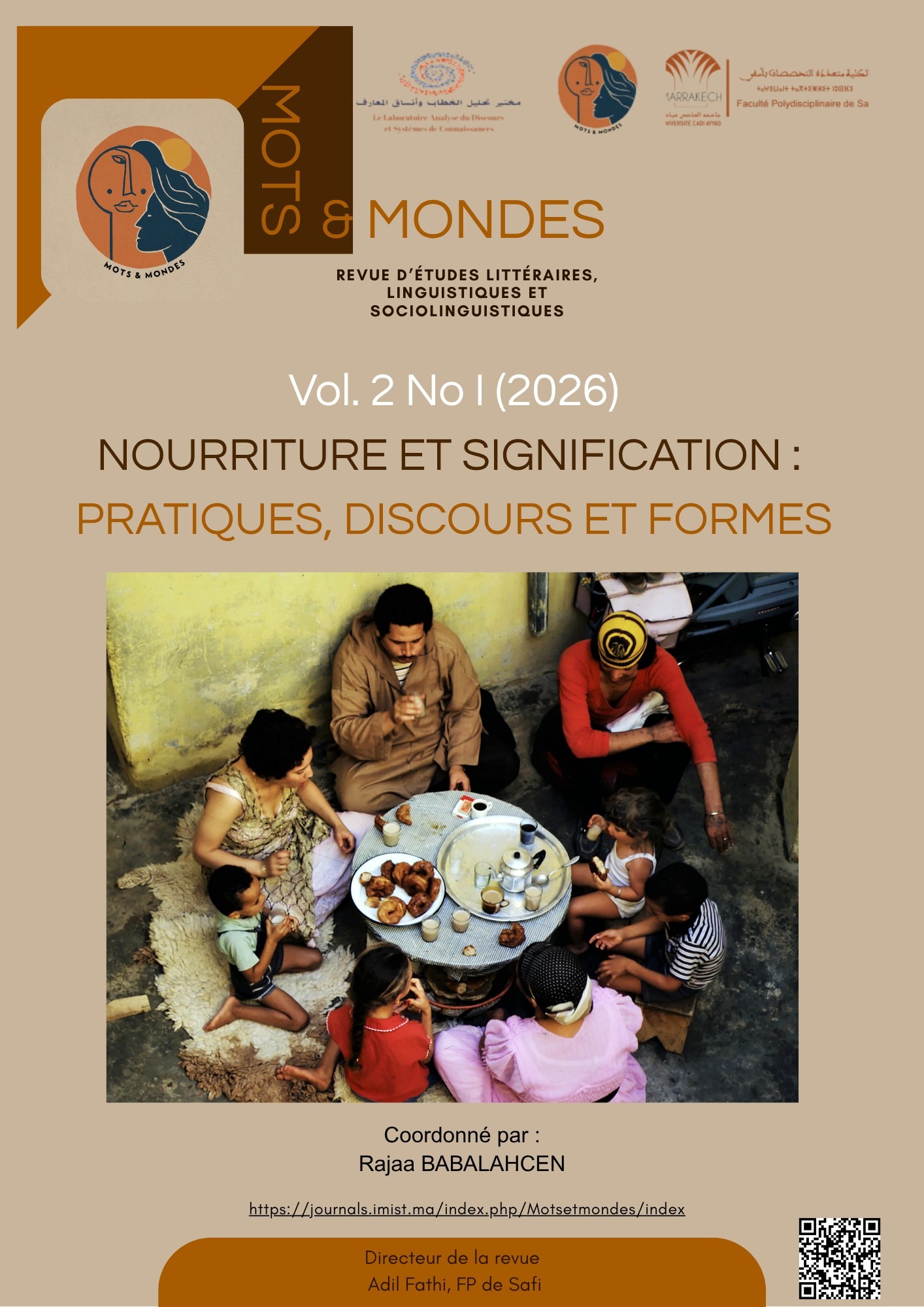
المائدة لغةً اجتماعية: الطعام والأعراف عند الجاحظ
- فيصل كنعنة
ملخّص نُشر هذا المقال بالفرنسية في مجلة «كلمات وعوالم» (Mots et mondes) للدراسات الأدبية واللسانية والسوسيولسانية الصادرة عن جامعة القاضي عياض في مراكش، ضمن العدد المخصّص لموضوع «الطعام والدلالة...