

الفرنسية

جماليّة العيش المشترك: تصوّرُ أخلاقيّاتٍ إسلاميّة للآخر في الأندلس
مداخلةٌ قُدّمت في المؤتمر الدوليّ الخامس للمنصّة الجامعيّة للدراسات حول الإسلام (Pluriel)، المنعقد في قرطبة من 10 إلى 14 فبراير 2026 حول موضوع «الأخلاق والجماليّة في الإسلام». تدخّلت رجاء سكراني (جامعة بون، ألمانيا) في إطار المحور الثالث — الموروثات الجماليّة والأخلاقيّة: توتّراتٌ وحواراتٌ وضيافة.
ملخّص المداخلة
تُقدّم الأخلاقُ الإسلاميّة نفسَها تركيبًا معقّدًا من التعاليم القرآنيّة والتقاليد العربيّة قبل الإسلاميّة والعناصر غير العربيّة (اليونانيّة والفارسيّة على وجه الخصوص)، مندمجةً في بنيةٍ أخلاقيّة عامّة. إنّها سيرورةُ استيعابٍ واندماجٍ لاتّجاهاتٍ متباينة تعايشت وتجاورت بدلاً من أن يُقصي بعضها بعضًا، واستمرّت على الأقلّ حتّى القرن الحادي عشر. بيدَ أنّ السنّة هي التي أدّت دورًا حاسمًا في صياغة أخلاقٍ إسلاميّة أصيلة، إلى حدّ يمكن معه القول إنّ متن الحديث يُشكّل في ذاته دليلاً أخلاقيًّا. كما كان الإمام الشافعيّ هو من دفع نحو الاستخدام المعياريّ لكلمة «الأدب» بتوظيفها شبهَ مرادفٍ للأخلاق. وشهدت الجماليّاتُ في الإسلام بدورها تطوّرًا معقّدًا، إذ انتهى التيّار الأرثوذكسيّ إلى تقييد اندفاع هذا السعي الإبداعيّ بشكلٍ مفرط، بسجنه في معياريّة المحظورات؛ والدليلُ أنّ الإسلام لم يكن دائمًا مُعاديًا للصورة.
وبموازاة الهيمنة الفقهيّة-اللاهوتيّة التي انتهت إلى اختزال الروحانيّة الإسلاميّة في أخلاقٍ جامدة داخل إطارٍ معياريّ صارم، سمح الانفتاحُ على الآخر وقيمُ الضيافة و«المروءة» للحضارة العربيّة-الإسلاميّة بتقديم أفضل ما لديها. إنّ تجربة الأندلس هي بالتحديد التمفصلُ الأكبر لتجربةٍ جماليّةٍ ساميةٍ تجمع بين أخلاقيّات الغيريّة والانفتاح والإدماج وبين رقيّ العيش المشترك بين المسلمين والمسيحيّين واليهود. فالعمارةُ والموسيقى والشعر وتشابك اللغات والمزاوجةُ بين الأيقونيّات وفنون الطهي، ووضعُ المرءِ لغتَه جانبًا لاستعارة لغة الآخر، والترجمةُ والقبولُ بأن يُترجَم المرءُ؛ صارت الجماليّةُ جسرًا للعبور بين الذات والآخر والعالم. فتتجاوز بذلك مجرّدَ استكشاف الجميل في الفنّ أو العمارة لتصير سعيًا إلى الإنسان حيث كان، وتعميقًا لمعرفةٍ إسلاميّة عالميّة بفضل انفتاحها.
ومن خلال تصوّر أعمالٍ فنّيّة ونماذجَ معماريّةٍ فريدة ومخطوطات، تحاول هذه المداخلةُ تحليلَ التمفصل بين الأخلاق والجماليّة في تجربةٍ ماضية، مع الاستمرار في ربطها بالقضايا الراهنة الملحّة لهذه الجدليّة غير المعروفة إلى حدٍّ كبير بين الأخلاق والجماليّة.
اقرأ ملخّص لوحة النقاش بقلم سيلفيا تريفوغلي
حرّرت هذا الملخّص إثر انعقاد المؤتمر سيلفيا تريفوغلي، ضمن برنامج المنح الطلاّبيّة للمنصّة الجامعيّة للدراسات حول الإسلام (Pluriel). ويغطّي مجموع مداخلات لوحة النقاش الثلاث.
جماليّة الغيريّة ولقاء الإلهيّ: الجسدُ والضيافةُ والإيروس
انعقدت هذه اللوحة يوم الجمعة 13 فبراير 2026 في التاسعة والنصف صباحًا، بالقاعة الأولى، برئاسة ميشيل يونس (الجامعة الكاثوليكيّة بليون). وقد جمعت ثلاث مداخلات: جان باتريك نكولو فانغا (معهد الموافقة المسكونيّ، الرباط) حول الرقصات والروحانيّات والأديان في بناء الحوار بين الأديان في إفريقيا المعاصرة؛ ورجاء سكراني (جامعة بون) حول جماليّة العيش المشترك وتصوّر أخلاقيّات إسلاميّة للآخر في الأندلس؛ وسلمى الرويطي (جامعة محمّد الخامس، الرباط) حول الإيروسيّة الروحيّة والروحانيّة الإيروسيّة في الفكر العرفانيّ الصوفيّ. استكشفت اللوحة كيف تُتيح الجماليّة — سواءٌ عبّرت عن نفسها بالحركة الجسديّة، أو الانسجام الاجتماعيّ، أو حتّى الرغبة العشقيّة — أن تكون الناقلَ الأوّل لأخلاقيّاتٍ في الغيريّة وفي لقاء الإلهيّ.
تناولت المداخلةُ الأولى الجسدَ الإنسانيّ في قلب الليتورجيا، مقدَّمةً إيّاه لا مجرّدَ عائقٍ، بل «فضاءً ثالثًا» قادرًا على حلّ ثنائيّة الجسد والنفس. ويمكن ربط هذا المنظور مباشرةً بالمداخلة الثالثة، حيث لا يكون الجسدُ الصوفيّ شيئًا يُنكر، بل يصير «مساميًّا»، وتُهدى كلّ بنيته التشريحيّة إلى الإلهيّ. أمّا المداخلة الثانية فتناولت حالة الأندلس، وأظهرت أنّ convivencia — الكلمة الإسبانيّة الدالّة على «العيش المشترك» — لم تكن مفهومًا نظريًّا، بل ممارسةً يوميّةً وجماليّةً براغماتيّة. تحدّثت رجاء سكراني عن ضربٍ من «المرونة المعياريّة»، بالاعتراف مثلاً بشرعيّة الأنظمة الغذائيّة المتنوّعة. فيتراءى ضربٌ من الضيافة البصريّة تُجسّده هجانةُ العمارة والحروف والعادات الغذائيّة. وتلتقي هذه «أخلاقيّاتُ الضيافة» بفكرة نكولو فانغا للرقص بوصفه ناقلاً للتضامن، بخاصّةٍ في الجنازات أو الاحتفالات بين الأديان في إفريقيا، حيث يحفظ الابتكارُ الليتورجيّ التماسكَ العائليّ والاجتماعيّ.
وقد جرى التأكيد على نقطة بليغة تتعلّق بالقدرة على «التلقّي». أبرزت سلمى الرويطي حدسَ ابن عربيّ في أنّ المؤنّث نقطةٌ روحيّة للتلقّي، وشرطٌ لازم كي يحدث الإلهيّ من دون السعي إلى تملّكه. وهذه الفكرة في اللاتملّك والانفتاح هي أساسُ الأخلاقيّات التي ذكرتها رجاء سكراني، والتي تُتيح للمرء «أن يضع لغته جانبًا ليستعير لغة الآخر». وعلى هذا النحو، تصير اللغة الصوفيّة حاسمةً: فبمفاهيمَ كالفناء والسُّكْر، يُتيح لنا التصوّفُ أن نفهم أنّ لقاء الآخر يقتضي تسليمًا كاملاً.
لم تُغفل المداخلاتُ التحدّياتِ والمقاومات. سواءٌ في ما يتعلّق بالرقصات في السنغال والمغرب، أو في الإيروسيّة لبعض النصوص العرفانيّة، لاحظ المتدخّلون توتّرًا متواصلاً بين «الحرفيّة» والحرّيّة الإبداعيّة للجماليّة الروحيّة. وجرى كذلك نقاشٌ حول «الحضور الأنثويّ» في هذه الخطابات، والذي كثيرًا ما يتوارى بسبب هيمنة الأصوات الذكوريّة. ودافعت سلمى الرويطي عن إدماجٍ أوسع للأصوات النسائيّة من دون وساطة الرجال؛ وهو مسارٌ يتّجه نحو مساواةٍ حقيقيّة بين الجنسَين. أمّا في ما يخصّ الحالة الأندلسيّة، فذكّرت رجاء سكراني الحضور بألاّ نُرَومنس هذه الحقبة التاريخيّة، إذ إنّ جماليّةَ التعايش هذه لم تمنع قسوةَ محاكم التفتيش، ممّا يُبرز الحدود التاريخيّة لنموذجٍ لم ينجُ من زوال إرادته السياسيّة. وقيل إنّه يجب تناولُ بنى السلطة وما سُمّي «سوسيولوجيا الهيمنة»، التي كانت كامنةً كثيرًا تحت سطح التعايش.
وقد شكّلت انتهاكاتُ السلطة هذه محورًا كبيرًا للنقاش، غير أنّ المتدخّلين الثلاثة اتّفقوا في الوقت نفسه على وجوب مشاركةِ إبداعِ احتفالاتٍ وطقوسٍ تُقدّم الحساسيّةَ والتجربةَ الشخصيّة. فذلك ما يضمن ألاّ تظلّ الضيافةُ فلسفةً نظريّةً بحتة، بل تصير فنًّا براغماتيًّا يوميًّا في سُكنى حضورِ الآخر.
Communication présentée lors du cinquième congrès international de la Plateforme universitaire de recherche sur l’islam (PLURIEL), tenu à Cordoue du 10 au 14 février 2026 sur le thème « Éthique et esthétique en islam ». Raja Sakrani (Université de Bonn) est intervenue dans le cadre de l’Axe 3 — Héritages esthétiques et éthiques : tensions, dialogues et hospitalité.
Résumé de la communication
L’éthique islamique se présente comme une synthèse complexe d’enseignements coraniques, de traditions arabes préislamiques, et d’éléments non-arabes, (grecs et persans en particulier), intégrés dans une structure morale générale. C’est un processus d’assimilation et d’intégration de tendances divergentes qui coexistèrent et se juxtaposèrent plutôt qu’elles ne s’évincèrent l’une l’autre et dura au moins jusqu’au XIe siècle. Néanmoins, c’est la sunna qui joua un rôle décisif dans l’élaboration d’une éthique proprement musulmane, au point que l’on pourrait affirmer que le corpus du hadith constitue en lui-même un manuel d’éthique. Ce fut aussi l’imam al-Shafi’i qui poussa l’usage normatif du mot adab (savoir vivre) en l’utilisant comme un quasi synonyme de akhlaq.
L’esthétique en Islam a connu, à son tour, une évolution complexe puisque la tendance orthodoxe a fini par trop limiter l’élan de cette quête créatrice en la rendant prisonnière de la normativité des interdits. La preuve est que l’islam n’a pas toujours été iconoclaste.
Parallèlement à l’emprise juridico-théologique qui finira par réduire la spiritualité islamique à une éthique figée dans un cadre normatif rigide, l’ouverture à l’autre et les valeurs d’hospitalité et de « Muruwwa » ont permis à la civilisation arabo-islamique de donner le meilleur d’elle-même. L’expérience d’al-Andalus est précisément l’articulation majeure d’une expérience esthétique sublime alliant l’éthique de l’altérité, de l’ouverture et de l’inclusion au raffinement du vivre ensemble entre musulmans, chrétiens et juifs. L’architecture, la musique, la poésie, l’enchevêtrement des langues, le mariage des iconographies et des arts culinaires, poser sa langue pour emprunter celle de l’autre, traduire et se laisser traduire ; l’esthétique est devenue le pont de passage entre le soi, l’autre et le monde. Elle dépasse ainsi une simple exploration du beau dans l’art ou l’architecture pour devenir la quête de l’Humain où qu’il soit, et l’approfondissement d’un savoir islamique universel de par son ouverture.
En visualisant des œuvres artistiques, des modèles architecturaux uniques, des manuscrits, cette présentation tente d’analyser l’articulation entre éthique et esthétique d’une expérience révolue sans cesser de faire le lien avec les questions actuelles brûlantes de cette dialectique largement méconnue entre éthique et esthétique.
Lire la synthèse du panel rédigée par Silvia Trifogli
Cette synthèse a été rédigée à la suite du congrès par Silvia Trifogli, dans le cadre du programme de bourses étudiantes de Pluriel. Elle couvre l’ensemble des communications du panel.
Esthétique de l’altérité et rencontre du divin : corps, hospitalité et éros
Tenu le vendredi 13 février 2026 à 9h30 en Salle 1 sous la présidence de Michel Younès (Université catholique de Lyon), ce panel réunissait trois communications : Jean Patrick Nkolo Fanga (Institut œcuménique Al Mowafaqa, Rabat) sur les danses, spiritualités et religions dans la construction d’un dialogue interreligieux en Afrique contemporaine ; Raja Sakrani (Université de Bonn) sur l’esthétique du vivre ensemble et la visualisation d’une éthique islamique de l’autre à al-Andalus ; et Salma Rouyett (Université Mohammed V, Rabat) sur l’érotisme spirituel et la spiritualité érotique dans la pensée mystique soufie. Le panel explora comment l’esthétique, qu’elle s’exprime par le mouvement corporel, l’harmonie sociale ou même le désir amoureux, peut être le vecteur premier d’une éthique de l’altérité et de la rencontre du divin.
La première intervention porta sur le corps humain dans la liturgie, présenté non comme un simple obstacle, mais comme un « tiers espace » capable de dissoudre la dichotomie corps-âme. Cette perspective peut être directement mise en relation avec la troisième communication, où le corps soufi n’est plus quelque chose qu’on nie, mais devient « poreux », toute la structure anatomique s’offrant au divin. La deuxième intervention traita du cas d’al-Andalus et démontra que la convivencia n’était pas un concept théorique, mais une pratique quotidienne et une esthétique pragmatique. R. Sakrani parla d’une forme de « flexibilité normative » — par exemple, la reconnaissance des règles alimentaires diverses comme également valides. On observe ainsi une hospitalité visuelle, illustrée par l’hybridation de l’architecture, des alphabets et des habitudes culinaires. Cette « éthique de l’hospitalité » rejoint l’idée de Nkolo Fanga de la danse comme véhicule de solidarité, notamment lors des funérailles ou des célébrations interreligieuses en Afrique, où l’innovation liturgique maintient la cohésion familiale et sociale.
Un point fort fut affirmé quant à la capacité de « réception ». S. Rouyett souligna l’intuition d’Ibn Arabi selon laquelle le féminin est un point spirituel de réceptivité, essentiel pour laisser le divin advenir sans chercher à le posséder. Cette idée de non-possession et d’ouverture est le fondement de l’éthique évoquée par R. Sakrani, permettant de « poser sa propre langue pour emprunter la langue de l’autre ». En ce sens, la langue soufie est cruciale : par des concepts comme fanā’ et l’ivresse, le soufisme nous fait comprendre que rencontrer l’Autre exige un abandon total.
Les interventions n’ont pas passé sous silence les défis et les résistances. Qu’il s’agisse des danses au Sénégal et au Maroc ou de l’érotisme de certains textes mystiques, les intervenants ont relevé une tension constante entre « littéralisme » et liberté créatrice de l’esthétique spirituelle. Il y eut aussi une discussion sur la « présence féminine » dans ces discours, dont la recherche s’estompe souvent en raison de la prépondérance des voix masculines. S. Rouyett a plaidé pour une plus grande inclusion des voix féminines, sans médiation par des hommes ; ce processus va dans le sens d’une réelle égalité de genre. Concernant le cas andalou, R. Sakrani a rappelé qu’il ne fallait pas romantiser cette période historique, car cette esthétique de la coexistence n’a pas empêché la cruauté de l’Inquisition, soulignant les limites historiques d’un modèle qui n’a pas survécu à la disparition de sa volonté politique. Il a été dit qu’il faut aborder et analyser les structures de pouvoir et ce qui a été appelé la « sociologie de la domination », souvent tapie sous la surface de la coexistence.
Ces abus de pouvoir ont été un grand point de discussion, mais dans le même temps, les trois panélistes se sont accordés sur la nécessité de co-construire des célébrations et des rituels qui privilégient la sensibilité et l’expérience personnelle. C’est cela qui garantit que l’hospitalité ne demeure pas une simple philosophie théorique, mais devient un art pragmatique et quotidien d’habiter la présence de l’Autre.
Paper presented at the fifth international congress of the University Platform for Research on Islam (Pluriel), held in Cordoba from 10 to 14 February 2026 on the theme “Ethics and Aesthetics in Islam”. Raja Sakrani (University of Bonn, Germany) spoke as part of Theme 3 — Aesthetic and ethical heritages: tensions, dialogues and hospitality.
Summary of the paper
Islamic ethics presents itself as a complex synthesis of Quranic teachings, pre-Islamic Arab traditions and non-Arab elements (Greek and Persian in particular), integrated into a general moral structure. It is a process of assimilation and integration of divergent tendencies that coexisted and juxtaposed themselves rather than supplanting one another — a process that lasted at least until the eleventh century. Nevertheless, it was the sunna that played a decisive role in the elaboration of a properly Muslim ethics, to the point that one could affirm that the hadith corpus constitutes in itself a manual of ethics. It was also Imam al-Shāfiʿī who advanced the normative use of the word adab (savoir-vivre) by using it as a quasi-synonym of akhlāq. Aesthetics in Islam has, in turn, undergone a complex evolution, since the orthodox tendency ended up overly limiting the impetus of this creative quest by imprisoning it within the normativity of prohibitions; the proof is that Islam has not always been iconoclastic.
Parallel to the juridico-theological grip that would eventually reduce Islamic spirituality to an ethics frozen in a rigid normative framework, openness to the other and the values of hospitality and of muruwwa allowed Arab-Islamic civilisation to give the best of itself. The experience of al-Andalus is precisely the major articulation of a sublime aesthetic experience combining the ethics of alterity, of openness and of inclusion with the refinement of living together between Muslims, Christians and Jews. Architecture, music, poetry, the intertwining of languages, the marriage of iconographies and of culinary arts, setting aside one’s own language to borrow that of the other, translating and letting oneself be translated: aesthetics became the bridge between self, other and world. It thus exceeds a simple exploration of beauty in art or architecture to become the quest for the Human wherever he may be, and the deepening of an Islamic knowledge made universal by its very openness.
By visualising artistic works, unique architectural models and manuscripts, this paper attempts to analyse the articulation between ethics and aesthetics of a past experience, without ceasing to link it to the burning contemporary questions of this largely unrecognised dialectic between ethics and aesthetics.
Read the panel synthesis by Silvia Trifogli
This synthesis was written in the aftermath of the congress by Silvia Trifogli, under the Pluriel student-fellowship programme. It covers all three papers of the panel.
Aesthetics of alterity and the encounter with the divine: body, hospitality, eros
Held on Friday 13 February 2026 at 9:30 am in Hall 1, chaired by Michel Younès (Catholic University of Lyon), this panel gathered three papers: Jean Patrick Nkolo Fanga (Al Mowafaqa Ecumenical Institute, Rabat) on dances, spiritualities and religions in the construction of interreligious dialogue in contemporary Africa; Raja Sakrani (University of Bonn) on the aesthetics of living together and the visualisation of an Islamic ethics of the other in al-Andalus; and Salma Rouyett (Mohammed V University, Rabat) on spiritual eroticism and erotic spirituality in Sufi mystical thought. The panel explored how aesthetics — expressed through bodily movement, social harmony or even amorous desire — can be the primary vehicle of an ethics of alterity and of the encounter with the divine.
The first presentation spoke about the human body within the liturgy, presenting it not merely as an obstacle, but rather as a “third space” capable of dissolving the body-soul dichotomy. This perspective can be directly connected to the third presentation, where the Sufi body is no longer something that is denied, but becomes “porous” and the whole anatomical structure is offered to the divine. The second presentation spoke about the case of al-Andalus and demonstrated that the convivencia — the Spanish word for “living together” — was not a theoretical concept but a daily practice and a pragmatic aesthetics. R. Sakrani spoke about a form of “normative flexibility”, for example recognising diverse dietary laws as valid. Thus we have a visual hospitality illustrated by the hybridisation of architecture, alphabets and culinary habits. This “ethics of hospitality” aligns with Nkolo Fanga’s idea of dance as a vehicle of solidarity, for example during funerals or interreligious celebrations in Africa, since in this case liturgical innovation maintains family and social cohesion.
A strong point was made regarding the capacity for “reception.” S. Rouyett highlighted Ibn Arabi’s intuition that the feminine is a spiritual point of receptivity, essential for letting the divine happen without attempting to possess it. This idea of non-possession and openness is the foundation of the ethics mentioned by R. Sakrani, allowing one to “lay down one’s own language to borrow the language of the other”. In this way, the Sufi language is crucial: through concepts like fanā’ and intoxication, Sufism enables us to understand that encountering the Other requires total surrender.
The papers did not overlook the challenges and resistances. Whether regarding the dances in Senegal and in Morocco, or the eroticism of certain mystical texts, the speakers noted a constant tension between “literalism” and the creative freedom of spiritual aesthetics. There was also a discussion on the “female presence” in these discourses, whose retrieval often fades because of the prominence of male voices. S. Rouyett advocated for a greater inclusion of female voices without any mediation by men — a process leading towards real gender equality. Regarding the Andalusian case, R. Sakrani reminded the audience that we must not romanticise this historical period, since this aesthetics of coexistence did not prevent the cruelty of the Inquisition, highlighting the historical limits of a model that did not survive the disappearance of its political will. It was said that we must address and analyse the power structures and what has been called the “sociology of domination”, which often existed beneath the surface of coexistence.
These abuses of power were a great point of discussion, but at the same time the three panellists agreed that we must co-construct celebrations and rituals that prioritise sensitivity and personal experience. That is because this ensures that hospitality is not just a theoretical philosophy, but rather a pragmatic daily art of inhabiting the presence of the Other.


مصادر الكاتب في الموقع
المصادر المرتبطة بـ  التاريخ
publication
اعترافُ طائرٍ طنّان: مقالاتٌ في الحوار بين الأديان والعمل الإرسالي (2007-2025)
- ريمي كوكاناس
صدر هذا الكتاب في أيار/مايو 2026 عن المعهد الحبري للدراسات العربية والإسلامية (PISAI) في روما، ويضمّ مقالات الباحث ريمي كوكاناس حول الحوار بين الأديان والعمل الإرسالي، المكتوبة بين عامَي 2007 و2025...
videos
من لافيجري إلى المعهد البابوي للدراسات العربية والإسلاميات: التاريخ المؤسسي لانخراط مرسلي إفريقيا مع الإسلام
أُلقيَت يوم 21 أيار/مايو 2026 في المعهد البابوي للدراسات العربية والإسلاميات (PISAI) في روما، تفتتح هذه المحاضرة سلسلة المؤتمرات الإحيائية للذكرى المئوية (1926-2026) لتأسيس المعهد. وقد أنجز الأب مو...
publication
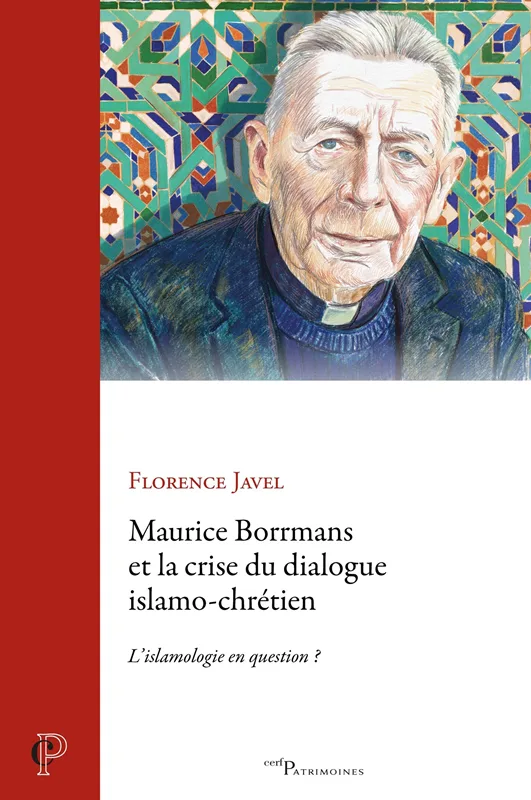
موريس بورمانس وأزمة الحوار الإسلامي-المسيحي: الدراسات الإسلامية موضع تساؤل؟
- فلورنس جافيل
في السنة الجامعية 2025-2026، نُحيي الذكرى الستين لانعقاد المجمع الفاتيكاني الثاني وصدور إعلان في عصرنا (Nostra aetate، 28 تشرين الأول/أكتوبر 1965). قبل ذلك بقرن من الزمن، في تشرين الأول/أكتوبر 1925...
publication
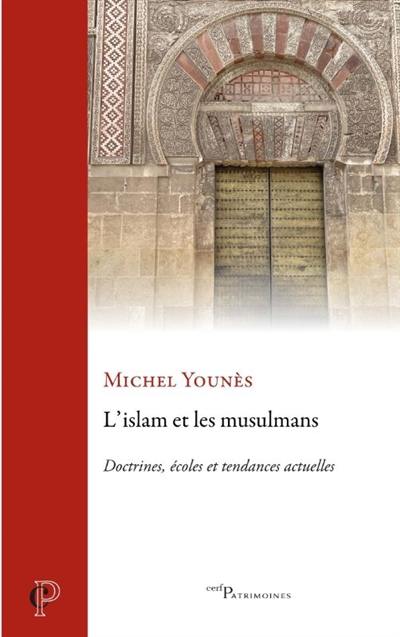
الإسلام والمسلمون. العقائد والمدارس والاتجاهات الراهنة
- ميشال يونس
صدور الكتاب في 16 أبريل 2026. الإسلام، بوصفه واقعًا تاريخيًا ودينيًا وحضاريًا، يصعب تعريفه. فقد يُنظر إليه باعتباره شكلًا من أشكال الحكم السياسي، أو تعبيرًا عن الإيمان، أو تصورًا اجتماعيًا ذا ممارس...
publication
التقنين والرقابة في التاريخ الفكري الإسلامي
- أمير دزيري
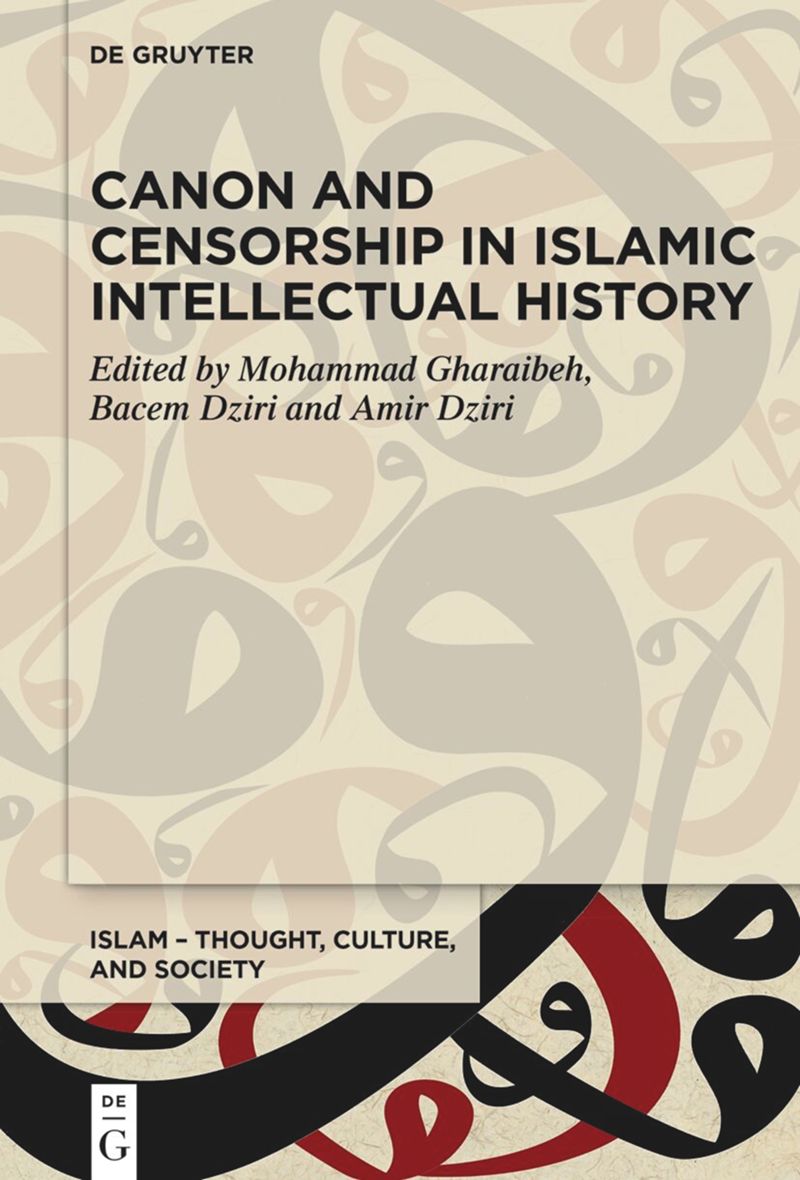
صدر هذا الكتاب الجماعي بعنوان: Canon and Censorship in Islamic Intellectual History (De Gruyter، سلسلة «الإسلام: الفكر والثقافة والمجتمع»، المجلد 16، 2026)، بإشراف محمد غرايبة وباسم دزيري (جامعة هو...

videos
موريس بورمانس (1925-2017)، باحث في الدراسات الإسلامية ومدافع عن الحوار بين المسيحيين والمسلمين
- فلورنس جافيل
في 19 شباط/فبراير 2026، في مكتبة موريس بورمانس التابعة للمعهد البابويّ للدراسات العربيّة والإسلاميّة (PISAI) بروما، قدّمت فلورنس جافيل، الدكتورةُ في اللاهوت من الجامعة الكاثوليكيّة بليون، أعمالَها ...

videos
المشهد والمعمار مناسبتَين للتأمّل وللحوار بين الأديان في رحلات الصوفيّ عبد الغنيّ النابلسيّ
مداخلةٌ قُدّمت في المؤتمر الدوليّ الخامس للمنصّة الجامعيّة للدراسات حول الإسلام (Pluriel)، المنعقد في قرطبة من 10 إلى 14 فبراير 2026 حول موضوع «الأخلاق والجماليّة في الإسلام». تدخّلت ماريا غراسيا ل...

videos
جماليّة العيش المشترك: تصوّرُ أخلاقيّاتٍ إسلاميّة للآخر في الأندلس
مداخلةٌ قُدّمت في المؤتمر الدوليّ الخامس للمنصّة الجامعيّة للدراسات حول الإسلام (Pluriel)، المنعقد في قرطبة من 10 إلى 14 فبراير 2026 حول موضوع «الأخلاق والجماليّة في الإسلام». تدخّلت رجاء سكراني (ج...