Pluriel

University platform for research on Islam

Initiated by
the Federation
of European
Catholic
Universities

Supported by
the International
Federation
of Catholic
Universities

Researcher

All researchers

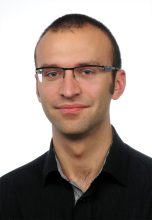
Piotr Sękowski

Born in 1987 in Poland, Piotr Sękowski is a researcher in Arabic and Islamic studies at the Pontifical Institute for Arabic and Islamic Studies (PISAI) in Rome. A diocesan Catholic priest, he specializes in Islamic-Christian relations and particularly in the work of Louis Massignon.

Holder of a PhD in Dogmatic Theology, Religious Studies and Interreligious Dialogue from the University of Opole (2021), he completed his education with Arabic studies in Morocco, Egypt and Rome. His research focuses on Arabic Christology, interfaith dialogue and Islamic mysticism. He is the author of five books, including a study on Christian theology of Islam in Louis Massignon’s work (2024) and an analysis of post-Chalcedonian confessions in the Arab context (2016). His works also include articles on historical figures like ‘Ammār al-Baṣrī and aspects of Islamic-Christian dialogue.

In parallel with his academic activities, he manages the SEKO publishing house and chairs the audit committee of the Research Institute for Far Eastern Theology and Spirituality (Arabic section). He is a member of several learned societies and research networks, including the Society of Polish Dogmatists Theologians. He is responsible for the Polish section of “Badaliya” and a member of the international association “Friends of Deir Mar Musa”. As a mosaic artist, he exhibited several works inspired by religious themes.

Location

Loading ...

Resources related toMuslim-Christian Dialogue

Le pape Léon XIV présente l'encyclique Magnifica Humanitas, Salle du Synode, Vatican, 25 mai 2026

article

Leo XIV’s encyclical Magnifica Humanitas and the Pluriel working group on AI-assisted interreligious dialogue

  • Wael Saleh

Text by Wael Saleh, researcher at the Université du Québec à Montréal (UQAM) and member of the Pluriel coordination committee. The simultaneous appearance of Leo XIV's encyclical Magnifica Human...

videos

From Lavigerie to PISAI: The Institutional History of the Missionaries of Africa’s Engagement with Islam

Delivered on 21 May 2026 at the Pontifical Institute for Arabic and Islamic Studies (PISAI) in Rome, this lecture opens the series of conferences marking the institute's centenary (1926-2026). Fr. ...

videos

Interreligious Dialogue and Ethnic Nationalisms in the Balkans

At the invitation of PISAI (Pontifical Institute for Arabic and Islamic Studies, Rome) and Georgetown University, Ahmet Alibašić, professor of Islamic civilization at the Faculty of Islamic Studies...

publication

Intercultural Theology

  • Jean Patrick Nkolo Fanga

Because every theology is culturally situated, Christian theology is inevitably multicultural. Yet one step remains to be taken: to become intercultural. Crossing languages, contexts, origins, ages...

publication

Islam and Fraternity: Impact and Prospects of the Abu Dhabi Declaration

The volume dedicated to the conference “Islam and Fraternity”, held in Abu Dhabi from February 4 to 7, 2024, under the auspices of the PLURIEL network, in partnership with Trends, a research center...

publication

Dialogue for a More Livable World: Toward an Ethics of Encounter

  • Mohamed-Ali Mostfa

How can we live in a climate of mistrust, trapped in identity-based withdrawal, and paralyzed by an uncertain future? On what basis can we open new paths to ease suffering—perhaps even reenchant ou...

videos

Freedom of conscience, a contested yet resilient right

  • Dominique Avon

Rome. In a conference given on November 28, 2024, at the Pontifical Institute for Arabic and Islamic Studies, Professor Dominique Avon from the École Pratique des Hautes Études in Paris traced the ...

publication

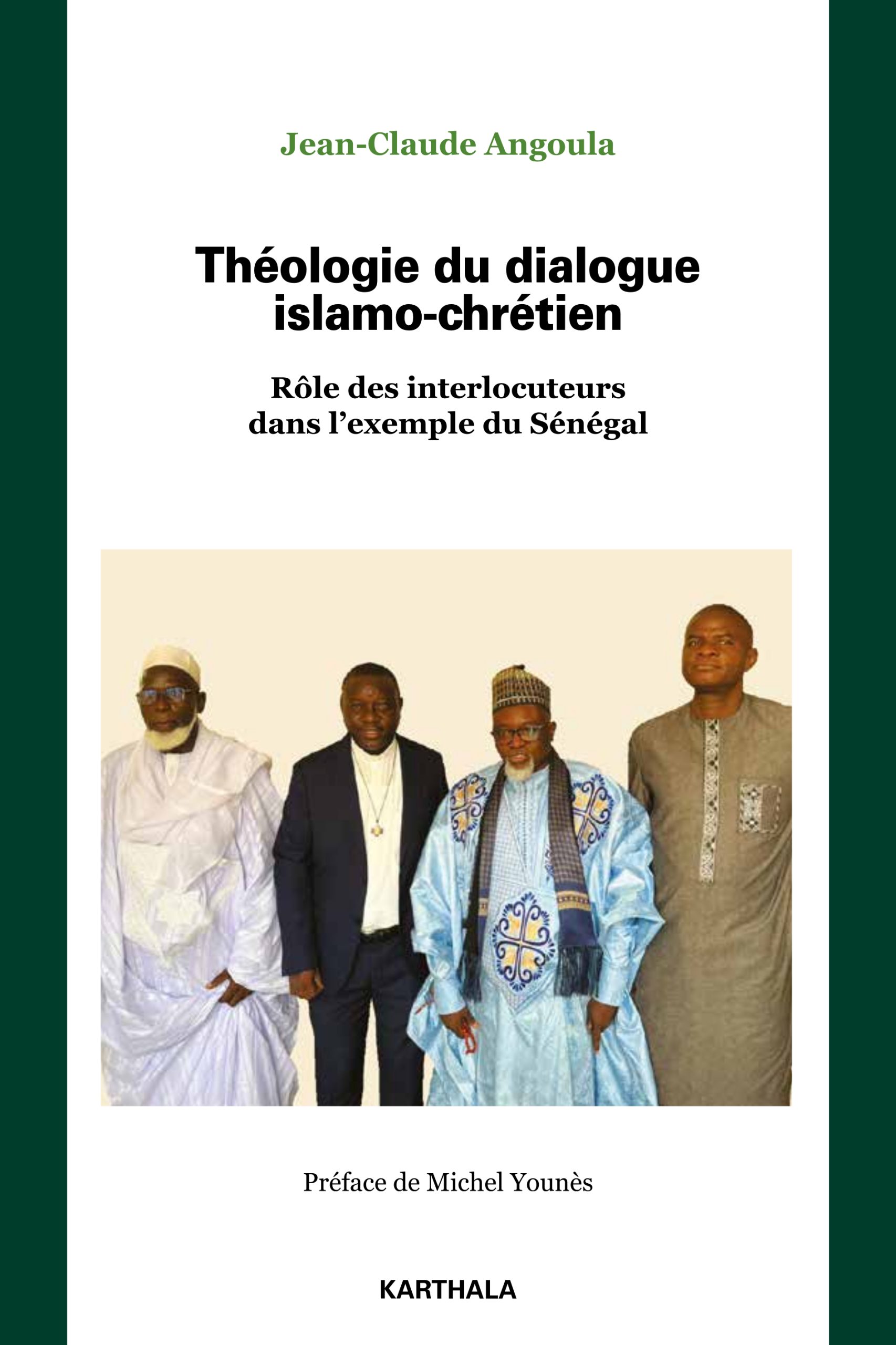
Theology of Islamic-Christian Dialogue: Role of Interlocutors in the Example of Senegal

  • Jean-Claude Angoula

Encounters reveal the urgency of dialogue and the difficult quest for truth. This truth sometimes appears unique but elusive, especially during Islamic-Christian encounters. What model of dialogue ...