


Leo XIV’s encyclical Magnifica Humanitas and the Pluriel working group on AI-assisted interreligious dialogue
Text by Wael Saleh, researcher at the Université du Québec à Montréal (UQAM) and member of the Pluriel coordination committee.
The simultaneous appearance of Leo XIV’s encyclical Magnifica Humanitas, devoted to the protection of the human person in the age of artificial intelligence, and the launch of Pluriel’s working group on AI-assisted interreligious dialogue is not a matter of mere chronological coincidence.
It reveals a convergence between an ethical and spiritual call on the one hand, and a scientific and institutional initiative on the other, around a shared question: how can AI be turned into an instrument serving human dignity, mutual understanding and peace, rather than a vector of domination, polarisation and hatred?
The encyclical reminds us that technology is neither evil in itself nor neutral. It bears the imprint of the logics that design and use it. The central issue is therefore its orientation: will it be placed at the service of the common good, or subjected to the logics of profit, control and power?
It is within this perspective that the Pluriel working group is situated. The aim is not to replace human dialogue with AI, but to examine how these technologies can deconstruct stereotypes, counter hate speech and widen the spaces of encounter between scholars, believers and actors of interreligious dialogue.
In a digital environment shaped by algorithms and platforms, interreligious dialogue can no longer be conceived independently of the technologies that govern the circulation of knowledge, representations and emotions. Left to polarisation, AI may amplify tensions; framed by a critical and ethical approach, it can foster clarification, translation between religious and cultural worlds, and a fuller recognition of the other.
This reflection echoes the call for a global ethics of AI, notably through Grand Imam Ahmad Al-Tayyeb, Sheikh of Al-Azhar, announcing a joint charter with the Vatican on the ethics of artificial intelligence.
Thus, Magnifica Humanitas offers a normative horizon, while Pluriel’s working group provides a scientific and applied translation of it. Between the two emerges a common ambition: to orient, frame and humanise AI so that it becomes an instrument of trust, mutual recognition and renewal of dialogue between religious and cultural traditions.
For more on the Pluriel working group: AI-assisted interreligious dialogue.
Texte de Wael Saleh, chercheur à l’Université du Québec à Montréal (UQAM) et membre du comité de coordination de Pluriel.
La concomitance entre la publication de l’encyclique Magnifica humanitas de Léon XIV, consacrée à la protection de la personne humaine à l’ère de l’intelligence artificielle, et la création du groupe de travail sur le dialogue interreligieux assisté par l’IA de Pluriel ne relève pas d’un simple hasard chronologique.
Elle révèle une convergence entre un appel éthique et spirituel et une initiative scientifique et institutionnelle autour d’une même question : comment faire de l’IA un instrument au service de la dignité humaine, de la compréhension mutuelle et de la paix, plutôt qu’un vecteur de domination, de polarisation et de haine ?
L’encyclique rappelle que la technologie n’est ni mauvaise en soi ni neutre. Elle porte l’empreinte des logiques qui la conçoivent et l’utilisent. L’enjeu central est donc son orientation : sera-t-elle mise au service du bien commun ou soumise aux logiques du profit, du contrôle et du pouvoir ?
C’est dans cette perspective que s’inscrit le groupe de travail de Pluriel. Il ne s’agit pas de remplacer le dialogue humain par l’IA, mais d’examiner comment ces technologies peuvent déconstruire les stéréotypes, combattre les discours de haine et élargir les espaces de rencontre entre chercheurs, croyants et acteurs du dialogue interreligieux.
Dans un environnement numérique façonné par les algorithmes et les plateformes, le dialogue interreligieux ne peut plus être pensé indépendamment des technologies qui organisent la circulation des savoirs, des représentations et des émotions. Livrée à la polarisation, l’IA peut amplifier les tensions ; encadrée par une approche critique et éthique, elle peut favoriser la clarification, la traduction entre univers religieux et culturels, et une meilleure reconnaissance de l’autre.
Cette réflexion rejoint l’appel à une éthique mondiale de l’IA, notamment à travers l’annonce du Grand Imam Ahmad Al-Tayyeb, Cheikh d’Al-Azhar, concernant une charte commune avec le Vatican sur l’éthique de l’intelligence artificielle.
Ainsi, Magnifica humanitas offre un horizon normatif, tandis que le groupe de travail de Pluriel en propose une traduction scientifique et appliquée. Entre les deux se dessine une même ambition : orienter, encadrer et humaniser l’IA afin qu’elle devienne un instrument de confiance, de reconnaissance mutuelle et de renouvellement du dialogue entre les traditions religieuses et culturelles.
Pour aller plus loin sur le groupe de travail Pluriel : Dialogue interreligieux assisté par l’intelligence artificielle.
نص بقلم وائل صالح، باحث في جامعة كيبيك في مونتريال (UQAM) وعضو في لجنة تنسيق المنصة الجامعية للدراسات حول الإسلام (Pluriel).
إن تزامن صدور الرسالة العامة الإنسانية الرائعة (Magnifica humanitas) للبابا ليون الرابع عشر، المخصصة لحماية الشخص الإنساني في عصر الذكاء الاصطناعي، مع إطلاق مجموعة عمل Pluriel حول الحوار بين الأديان بمساعدة الذكاء الاصطناعي، ليس مجرد مصادفة زمنية.
إنه يكشف عن التقاء بين نداء أخلاقي وروحي من جهة، ومبادرة علمية ومؤسسية من جهة أخرى، حول سؤال مشترك: كيف يمكن جعل الذكاء الاصطناعي أداة في خدمة كرامة الإنسان، والتفاهم المتبادل، والسلام، عوض أن يكون وسيلة للهيمنة والاستقطاب والكراهية؟
تذكّر الرسالة العامة بأن التكنولوجيا ليست شريرة في ذاتها ولا محايدة. إنها تحمل بصمات المنطق الذي يصممها ويستعملها. والرهان المركزي هو إذن توجيهها: هل ستوضع في خدمة الصالح العام، أم ستخضع لمنطق الربح والسيطرة والسلطة؟
في هذا المنظور تندرج مجموعة عمل Pluriel. فالأمر لا يتعلق باستبدال الحوار الإنساني بالذكاء الاصطناعي، بل بدراسة كيف يمكن لهذه التقنيات أن تفكك الصور النمطية، وتواجه خطابات الكراهية، وتوسّع فضاءات اللقاء بين الباحثين والمؤمنين والفاعلين في الحوار بين الأديان.
في بيئة رقمية تشكّلها الخوارزميات والمنصات، لم يعد بإمكان الحوار بين الأديان أن يفكَّر فيه بمعزل عن التقنيات التي تنظّم تداول المعارف والتصورات والانفعالات. فإذا تُرك الذكاء الاصطناعي للاستقطاب فقد يضخّم التوترات؛ أما إذا أُطّر بمقاربة نقدية وأخلاقية، فبإمكانه أن يسهم في التوضيح، والترجمة بين العوالم الدينية والثقافية، وفي اعتراف أعمق بالآخر.
يلتقي هذا التفكير مع الدعوة إلى أخلاقيات عالمية للذكاء الاصطناعي، ولا سيما من خلال إعلان فضيلة الإمام الأكبر أحمد الطيب، شيخ الأزهر، عن ميثاق مشترك مع الفاتيكان حول أخلاقيات الذكاء الاصطناعي.
هكذا تقدّم الإنسانية الرائعة أفقاً معيارياً، في حين تقترح مجموعة عمل Pluriel ترجمة علمية وتطبيقية له. ويرتسم بين الاثنين طموح مشترك: توجيه الذكاء الاصطناعي وتأطيره وأنسنته، حتى يصير أداة للثقة والاعتراف المتبادل وتجديد الحوار بين التقاليد الدينية والثقافية.
لمزيد من المعلومات حول مجموعة عمل Pluriel: الحوار بين الأديان بمساعدة الذكاء الاصطناعي.


Resources of this researcher
article
Leo XIV’s encyclical Magnifica Humanitas and the Pluriel working group on AI-assisted interreligious dialogue
Text by Wael Saleh, researcher at the Université du Québec à Montréal (UQAM) and member of the Pluriel coordination committee. The simultaneous appearance of Leo XIV's encyclical Magnifica Human...
article
Beyond Representation: Systemic Epistemic Alterity and the Architecture of Knowledge in the Contemporary Academy
In this article, published in two parts by Social Epistemology Review and Reply Collective (SERRC), Wael Saleh, a researcher at the University of Quebec in Montreal (UQAM) and a member of Pluriel's...
publication
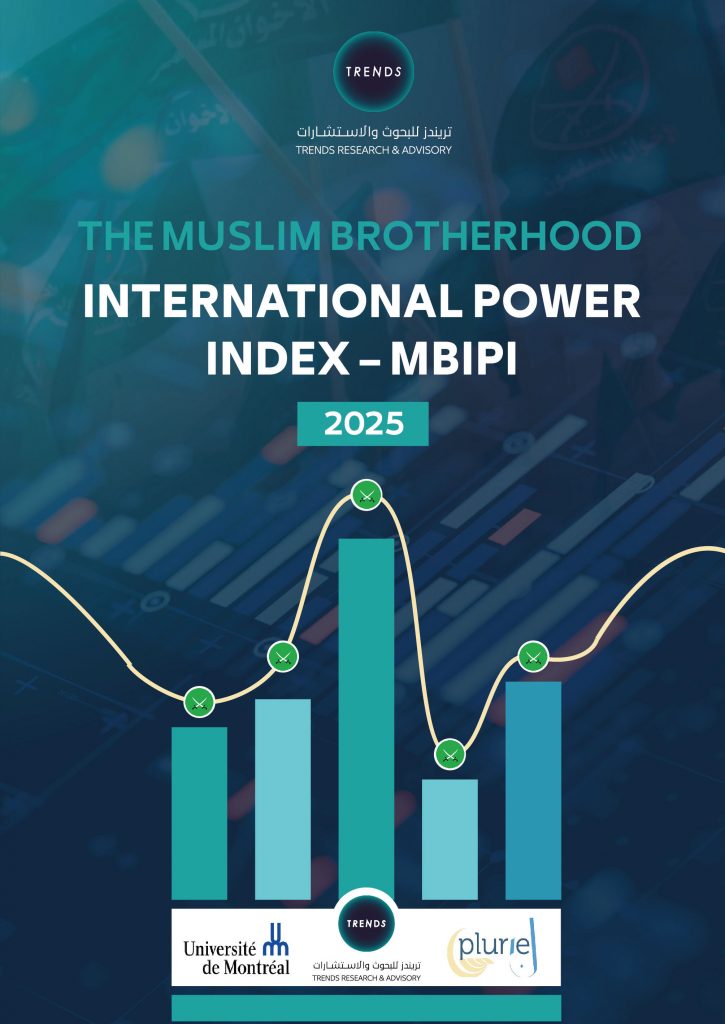
The Muslim Brotherhood International Power Index (MBIPI) 2025
Published in February 2026 by TRENDS Research & Advisory (Abu Dhabi), The Muslim Brotherhood International Power Index (MBIPI) 2025 offers the first systematic, global measurement of the Brothe...
videos
The representation of non-Islamist Muslims in Sunni Islamist discourse
Full lecture title : 'The representation of non-Islamist Muslims in Sunni Islamist discourse: an intra-religious otherness?' In what ways do non-Brother Muslims (especially secular, liberal and ...

videos
From Applied Islamology to Applied Islamismology
Lecture given on 14 October 2021 at the Catholic University of Lyon during the conference "Radicalisation leading to violence in the name of Islam, Epistemological, methodological and ethical appro...
article
Studies of radicalization leading to violence in the name of Islam: mapping theoretical actors to better understand epistemological and ethical issues
Original title : "Les études de la radicalisation menant à la violence au nom de l’islam : cartographier les acteurs théoriques pour mieux comprendre les enjeux épistémologiques et éthiques" Abs...

videos
Belonging(s) and territory(s) to the prism of religiosity (al-tadayyun) in current Arab-Muslim thought
Lecture by Wael SALEH, at the second International Congress of PLURIEL in Rome. As Syrian thinker Burhan Ghalioun [1] French historian Dominique Avon [2], Moroccan philosopher Abd al-Ila h Balqazi...
publication
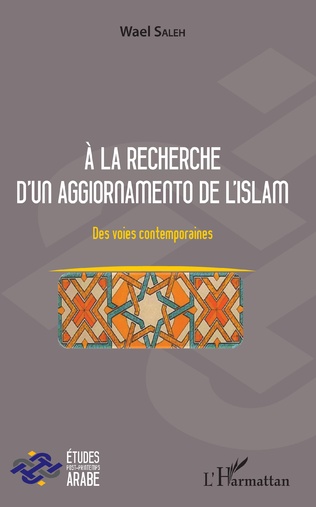
In search of an aggiornamento of Islam. Contemporary approaches
Can the upheavals in the Arab-Muslim world lead to an aggiornamento regulating the link between religion and politics and making it possible to live better together in peace? To answer this questio...
Resources related to Muslim-Christian Dialogue

article
Islamic Visions of Jesus: Revelation, Prophecy, and Eschatology
- Antonio Cuciniello
Abstract Published in the collective volume Jerusalem in Memory and Eschatology: Jewish, Christian, and Muslim Visions of the Past and Future of Jerusalem, edited by Emma O'Donnell Polyakov (Blo...

article
Questions on Islamic Soteriology in Early Islam
- Jaume Flaquer Garcia
Abstract Published under the original title "Cuestiones sobre la soteriología islámica en el islam primitivo" in the collective volume Riesgos y fidelidades. Miradas teológicas para un mundo plu...

article
The Uncreated Muslim Qur’an and the Eternally Begotten Christian Logos
- Jaume Flaquer Garcia
Abstract Published under the original title "El Corán musulmán increado y el Logos cristiano eternamente engendrado" in the monographic section Logos, Agape, Sarx. Una dialógica cristiana of iss...
publication
Les Affranchis. Des dérives religieuses dans le judaïsme, le christianisme et l’islam
- Roberta Collu Moran
Les Affranchis. Des dérives religieuses dans le judaïsme, le christianisme et l’islam (Le Passeur, 2020) offers an anthropological reading of religious excesses and radicalisation within the ...

article
The First Council of Nicaea (325) and the Christian-Muslim Dialogue on God’s Unity and Trinity
- Dirk Ansorge
Abstract Published under the original title "Das erste Konzil von Nizäa (325) und der christlich-muslimische Dialog über Gottes Einheit und Dreifaltigkeit" in issue 2/2025 of CIBEDO-Beiträge, th...
article
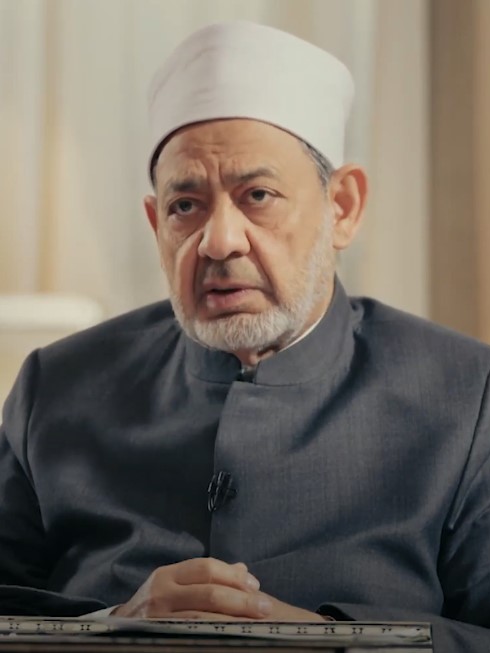
Christian-Muslim Relations Today: Some Reflections
- David Marshall
Abstract Published as "Christian-Muslim Relations Today: Some Reflections" in a special issue of The Muslim World marking the 50th anniversary of the Duncan Black Macdonald Center (Hartford), th...
article
Ḥaydar Ibrāhīm ʿAlī, a Thinker on Multiple Fronts
- Guy-Raymond Sarkis
Abstract Ḥaydar Ibrāhīm ʿAlī, a Sudanese sociologist of religion, is a committed intellectual whose writings both arise from and respond to the challenges of his society. He calls for a liberati...

article
Literary, Semiotic and Hermeneutical Approaches to the Qur’an in the Modern Period
- Wasim Salman
Abstract In this contribution to issue 51 (Mélanges) of the journal Islamochristiana, published in Italian as Approcci letterari, semiotici ed ermeneutici al Corano nel periodo moderno, Wasim Sa...