

French

Spiritual poetry, hermeneutics and theology in contemporary Shi’i Iran: Soroush, Shabestari, Malekian and Rūmī
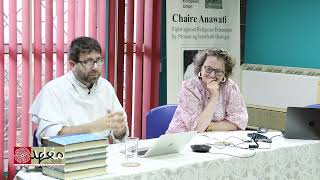
Paper presented at the fifth international congress of the University Platform for Research on Islam (Pluriel), held in Cordoba from 10 to 14 February 2026 on the theme “Ethics and Aesthetics in Islam”. Constance Arminjon (EPHE–PSL, chair “Intellectual History of Contemporary Shi’ism”) spoke as part of Theme 1 — Ethics and aesthetics in Islamic heritage.
Summary of the paper
In contemporary Iran, “classical” spiritual poetry is not only a heritage that lives on in memory and is venerated near the tombs of Ḥāfeẓ, Saʿdī and others. It irrigates the theological and even juridical reflections of religious scholars and philosophers of all orientations. On the one hand, they illustrate their arguments by quoting the spiritual poets of the medieval period, most of whom were Sunnis. On the other, some theologians and philosophers draw on the poets to devise innovative propositions for the doctrine of faith as well as for moral theology and for dogmatics.
Within their ample poetic heritage, these authors give a privileged place to Jalāl al-Dīn Rūmī (1207–1273) and to his Mathnawī. The philosopher ʿAbd al-Karīm Soroush (b. 1945) maintains multiple relations with the poet. Not only are his works on epistemology and on “new theology” (in his own terms) punctuated by abundant quotations from Rūmī, but he has edited and taught his works. By combining modern European philosophical hermeneutics and the meditation of Rūmī, the theologian Moḥammad Mojtahed Shabestari (b. 1936) has striven, since the mid-2000s, to rethink moral theology and dogmatics, including the dogma on the Qur’an. Finally, the philosopher Moṣṭafā Malekian (b. 1956) erects Rūmī as a beacon in order to illuminate his questioning on the knowledge of God and his meditation on the place of silence and of the word in moral life.
Considering the place of spiritual poetry in the religious culture of contemporary Shi’i Iran, this paper aims to analyse the relations established with Rūmī by three innovative figures of theology and of the philosophy of religion.
Read the panel synthesis by Hacene Kherchaoui
This synthesis was written in the aftermath of the congress by Hacene Kherchaoui, under the Pluriel student-fellowship programme. It covers all four papers of the panel.
Ethics and aesthetics in Islamic heritage: history, language and philosophy
Held on Wednesday 11 February 2026, 12:15–2:00 pm, in Hall 1 of the Bishop’s Palace of the Mosque-Cathedral of Cordoba, this panel was chaired by Wasim Salman. It brought together four speakers: Mounia Ait Kabboura (Royal Military College of Saint-Jean, Canada / Université de Sherbrooke, CERC), a historian of philosophy and of contemporary religious studies; Aziz Hilal (Dominican Institute for Oriental Studies, Cairo), doctor in Arabic philosophy and specialist of Andalusian thought (Averroes, al-Fārābī); Constance Arminjon (EPHE–PSL, chair “Intellectual History of Contemporary Shi’ism”), historian of contemporary Islamic doctrines and of hermeneutic renewals, joining by videoconference; and Essaid Labib (Chouaib Doukkali University, El Jadida, Morocco), a scholar working at the intersection of philosophy, aesthetics and gender studies. The panel explored the conceptual foundations of the articulation between ethics and aesthetics in classical Islamic thought, through major figures — Averroes, al-Fārābī, Rūmī — and their contemporary receptions. Its coherence rested upon a shared refusal to separate the beautiful, the good and the true, and upon a conception of Islamic heritage as a living space of thought, open to dialogue and reinterpretation.
Mounia Ait Kabboura and Aziz Hilal converge on an integrated conception of the true, the good and the beautiful. In Averroes, the universal Intellect grounds a cognitive pluralism in which the rigour of demonstration constitutes an aesthetics of logos inseparable from an ethics of intellectual responsibility. In al-Fārābī, the doctrine of emanation (fayḍ) makes beauty not a supplement to the real, but the sensible manifestation of universal harmony: order, proportion and intelligibility are at once ontological criteria and aesthetic criteria. Constance Arminjon, for her part, showed that the spiritual poetry of Rūmī actively irrigates the reflection of three contemporary Iranian philosophers — Soroush, Shabestari and Malekian — who take hold of it in order to renew moral theology and Shi’i dogmatics. Classical poetry thus becomes a hermeneutic instrument, a mediation between a medieval Sunni heritage and the demands of a contemporary religious thought. Essaid Labib, finally, analysed a passage from Averroes’s commentary on Plato’s Republic to show that art — and music in particular — becomes there an argument in favour of social and political equality between women and men. Against Renan’s reading, he brought out the beginnings of an inclusive Islamic ethico-aesthetics, mobilising the frameworks of Foucault and of gender studies for a critical rereading of the classical text.
The exchanges brought three main tensions to light. The first bears on the risk of anachronism: how are we to draw on classical thinkers to shed light on contemporary stakes without reducing their historical complexity? Raised in connection with both Averroes and al-Fārābī, this question remained open. The second concerns the internal coherence of al-Fārābī’s work: since the doctrine of emanation is absent from several of his treatises, the room questioned the possibility of a truly unified Farabian aesthetics. Finally, Arminjon’s paper gave rise to questions on the representativity of the Shi’i figures studied within today’s Iranian intellectual landscape, and on the institutional status of poetry within theology.
The main contribution of this panel lies in the way it brings to light an integrated conception of knowledge, of the beautiful and of the good, across several traditions and periods of Islamic thought. By articulating medieval philosophy, mystical poetry and contemporary rereading, it shows the plurality of entries into Islamic heritage and its capacity to feed present-day reflections on pluralism, gender and intercultural dialogue. Its limits lie mainly in the absence of any questioning of the concrete — artistic and social — mediations through which these categories may have been embodied in effective practices. The density of Arminjon’s dossier (three authors, several centuries) would have deserved a longer space of discussion. Among the tracks left open: a systematic comparison of the theories of beauty in al-Fārābī and Averroes, and the study of non-Iranian receptions of mystical poetry in contemporary theological debates.
Communication présentée lors du cinquième congrès international de la Plateforme universitaire de recherche sur l’islam (PLURIEL), tenu à Cordoue du 10 au 14 février 2026 sur le thème « Éthique et esthétique en islam ». Constance Arminjon (EPHE–PSL, chaire « Histoire intellectuelle du shi’isme contemporain ») est intervenue dans le cadre de l’Axe 1 — Éthique et esthétique dans le patrimoine islamique.
Résumé de la communication
Dans l’Iran contemporain, la poésie spirituelle « classique » n’est pas seulement un patrimoine vivant dans les mémoires et vénéré près des tombeaux de Ḥāfeẓ, de Saʿdī et d’autres. Elle irrigue les réflexions théologiques et même juridiques des savants religieux et des philosophes de toutes orientations. D’une part, ceux-ci illustrent leurs argumentations en citant les poètes spirituels de l’époque médiévale, dont la plupart étaient sunnites. D’autre part, certains théologiens et philosophes s’appuient sur les poètes pour concevoir des propositions novatrices aussi bien pour la doctrine de la foi que pour la théologie morale et pour la dogmatique.
Dans leur ample héritage poétique, ces auteurs accordent une place privilégiée à Jalāl ol-Dīn Rūmī (1207-1273) et à son Mathnawī. Le philosophe ʿAbd ol-Karīm Sorūsh (1945- ) entretient avec le poète des rapports multiples. Non seulement ses ouvrages d’épistémologie et de « nouvelle théologie » (suivant ses propres termes) sont jalonnés d’abondantes citations de Rūmī, mais il a édité et enseigné sur ses œuvres. En conjuguant l’herméneutique philosophique européenne moderne et la méditation de Rūmī, le théologien Moḥammad Mojtahed Shabestarī (1936-) s’est efforcé depuis le milieu des années 2000 de repenser la théologie morale et la dogmatique, dont le dogme sur le Coran. Enfin, le philosophe Moṣṭafā Malekiyān (1956- ) érige Rūmī en phare afin d’éclairer son questionnement sur la connaissance de Dieu et sa méditation sur la place du silence et de la parole dans la vie morale.
En considérant la place de la poésie spirituelle dans la culture religieuse de l’Iran shi’ite contemporain, notre proposition vise à analyser les rapports établis avec Rūmī par trois figures novatrices de la théologie et de la philosophie de la religion.
Lire la synthèse du panel rédigée par Hacene Kherchaoui
Cette synthèse a été rédigée à la suite du congrès par Hacene Kherchaoui, dans le cadre du programme de bourses étudiantes de PLURIEL. Elle couvre l’ensemble des communications du panel.
Éthique et esthétique dans le patrimoine islamique : histoire, langage et philosophie
Aziz Hilal (Institut dominicain d’études orientales, Le Caire) — docteur en philosophie arabe, spécialiste de la pensée andalouse (Averroès, al-Fārābī). Langue : français. Constance Arminjon (EPHE–PSL, chaire « Histoire intellectuelle du shi’isme contemporain ») — historienne des doctrines de l’islam contemporain et des renouvellements herméneutiques. Langue : français, visioconférence. Essaid Labib (Université Chouaib Doukkali, El Jadida, Maroc) — chercheur à l’intersection de la philosophie, de l’esthétique et des études de genre. Langue : français.
Ce panel explore les fondements conceptuels de l’articulation entre éthique et esthétique dans la pensée islamique classique, à travers des figures majeures (Averroès, al-Fārābī, Rûmī) et leurs réceptions contemporaines. Sa cohérence repose sur le refus partagé d’une séparation entre le beau, le bien et le vrai, et sur une conception du patrimoine islamique comme espace de pensée vivant, ouvert au dialogue et à la réinterprétation.
Axes et arguments principaux
### Métaphysique du beau : fondements ontologiques chez Averroès et al-Fārābī
Mounia Ait Kabboura et Aziz Hilal s’accordent sur une conception intégrée du vrai, du bien et du beau. Chez Averroès, l’Intellect universel fonde un pluralisme cognitif où la rigueur démonstrative constitue une esthétique du logos indissociable d’une éthique de la responsabilité intellectuelle. Chez al-Fārābī, la doctrine de l’émanation (fayḍ) fait de la beauté non un supplément au réel, mais la manifestation sensible de l’harmonie universelle : ordre, proportion et intelligibilité sont à la fois critères ontologiques et critères esthétiques.
### Poésie et herméneutique comme vecteurs de renouvellement théologique
Constance Arminjon montre que la poésie spirituelle de Rûmī irrigue activement la réflexion de trois philosophes iraniens contemporains (Sorûsh, Shabestarî, Malekiyân), qui s’en saisissent pour renouveler la théologie morale et la dogmatique shi’ite. La poésie classique devient ici instrument herméneutique, médiation entre un héritage sunnite médiéval et les exigences d’une pensée religieuse contemporaine.
### Éthico-esthétique et dimension politique : genre et citoyenneté
Essaid Labib analyse un passage du Commentaire de La République de Platon d’Averroès pour montrer que l’art — et la musique en particulier — y devient argument en faveur de l’égalité sociale et politique entre femmes et hommes. Contre la lecture de Renan, il dégage les amorces d’une éthico-esthétique islamique à dimension inclusive, mobilisant les cadres de Foucault et des études de genre pour une relecture critique du texte classique.
Points de discussion et débats
Les échanges ont fait apparaître trois tensions principales. La première porte sur le risque d’anachronisme : comment mobiliser des penseurs classiques pour éclairer des enjeux contemporains sans en réduire la complexité historique ? Cette question, soulevée à propos d’Averroès comme d’al-Fārābī, est restée ouverte. La deuxième concerne la cohérence interne de l’œuvre d’al-Fārābī : la doctrine de l’émanation étant absente de plusieurs de ses traités, la salle s’est interrogée sur la possibilité d’une esthétique farabienne véritablement unifiée. Enfin, la communication d’Arminjon a suscité des questions sur la représentativité des figures shi’ites étudiées dans le paysage intellectuel iranien actuel, et sur le statut institutionnel de la poésie dans la théologie.
Apports et limites du panel
Le principal apport de ce panel réside dans la mise en évidence d’une conception intégrée du savoir, du beau et du bien à travers plusieurs traditions et périodes de la pensée islamique. En articulant philosophie médiévale, poésie mystique et relecture contemporaine, il montre la pluralité des entrées dans le patrimoine islamique et sa capacité à alimenter des réflexions actuelles sur le pluralisme, le genre et le dialogue interculturel.
Ses limites tiennent principalement à l’absence de questionnement sur les médiations concrètes — artistiques et sociales — par lesquelles ces catégories ont pu s’incarner dans des pratiques effectives. La densité du dossier d’Arminjon (trois auteurs, plusieurs siècles) aurait mérité un espace de discussion plus long. Parmi les pistes ouvertes : une comparaison systématique des théories du beau chez al-Fārābī et Averroès, et l’étude des réceptions non iraniennes de la poésie mystique dans les débats théologiques contemporains.
مداخلةٌ قُدّمت في المؤتمر الدوليّ الخامس للمنصّة الجامعيّة للدراسات حول الإسلام (Pluriel)، المنعقد في قرطبة من 10 إلى 14 فبراير 2026 حول موضوع «الأخلاق والجماليّة في الإسلام». تدخّلت كونستانس آرمنجون (المدرسة التطبيقيّة للدراسات العليا PSL، حاملة كرسيّ «التاريخ الفكريّ للتشيّع المعاصر») في إطار المحور الأوّل — الأخلاق والجماليّة في التراث الإسلاميّ.
ملخّص المداخلة
في إيران المعاصرة، ليس الشعرُ الروحانيّ «الكلاسيكيّ» تراثًا حيًّا في الذاكرات ومُبجَّلاً قرب أضرحة حافظ وسعدي وغيرهما فحسب. بل هو يُروي التفكيرَ اللاهوتيّ، بل والفقهيّ، عند العلماء الدينيّين والفلاسفة بمختلف توجّهاتهم. فمن جهةٍ، يُوضّحون حججَهم بالاستشهاد بالشعراء الروحانيّين للحقبة الوسيطة، وكان معظمهم من السنّة. ومن جهةٍ أخرى، يستند بعض اللاهوتيّين والفلاسفة إلى الشعراء بغية صوغ اقتراحاتٍ تجديديّة، لعقيدة الإيمان كما للاهوت الأخلاقيّ وللدوغماتيك.
وفي تراثهم الشعريّ الواسع، يُوَلي هؤلاء المؤلّفون مكانةً متميّزة لجلال الدين الروميّ (1207-1273) ولمثنويّه. فالفيلسوف عبد الكريم سروش (المولود عام 1945) يُقيم مع الشاعر علاقاتٍ متعدّدة. ليست مؤلّفاته في نظريّة المعرفة و«اللاهوت الجديد» (بتعبيره) مرصّعةً بشواهدَ وفيرة من الروميّ فحسب، بل قد حقّق أعماله ودرّسها. وبالجمع بين الهرمينوطيقا الفلسفيّة الأوروبيّة الحديثة وتأمّل الروميّ، يعمل اللاهوتيّ محمّد مجتهد شبستري (المولود عام 1936) منذ منتصف عقد الألفيّة على إعادة التفكير في اللاهوت الأخلاقيّ والدوغماتيك، بما في ذلك العقيدة القرآنيّة. وأخيرًا، ينصب الفيلسوف مصطفى ملكيان (المولود عام 1956) الروميَّ منارةً لينير تساؤله عن معرفة الله وتأمّله في مكانة الصمت والكلام في الحياة الأخلاقيّة.
وبتأمّل مكانة الشعر الروحانيّ في الثقافة الدينيّة لإيران الشيعيّة المعاصرة، تبتغي هذه المداخلة تحليلَ العلاقات التي يُقيمها بالروميّ ثلاثةٌ من الشخصيّات التجديديّة في اللاهوت وفلسفة الدين.
اقرأ ملخّص لوحة النقاش بقلم حسان قرشاوي
حرّر هذا الملخّص إثر انعقاد المؤتمر حسان قرشاوي، ضمن برنامج المنح الطلاّبيّة للمنصّة الجامعيّة للدراسات حول الإسلام (Pluriel). ويغطّي مجموع مداخلات لوحة النقاش الأربع.
الأخلاق والجماليّة في التراث الإسلاميّ: التاريخ واللغة والفلسفة
انعقدت هذه اللوحة يوم الأربعاء 11 فبراير 2026، من الثانية عشرة والربع إلى الثانية بعد الظهر، بالقاعة الأولى في مقرّ الأسقفيّة بمسجد-كاتدرائيّة قرطبة، برئاسة وسيم سلمان. جمعت أربعةَ متدخّلين: منية آيت كبّورة (الكليّة العسكريّة الملكيّة في سان-جان، كندا / جامعة شيربروك، مركز CERC)، المؤرّخة في تاريخ الفلسفة والدراسات الدينيّة المعاصرة؛ وعزيز هلال (المعهد الدومنيكيّ للدراسات الشرقيّة، القاهرة)، الدكتور في الفلسفة العربيّة والمتخصّص في الفكر الأندلسيّ (ابن رشد والفارابيّ)؛ وكونستانس آرمنجون (المدرسة التطبيقيّة للدراسات العليا PSL، حاملة كرسيّ «التاريخ الفكريّ للتشيّع المعاصر»)، المؤرّخةَ للعقائد الإسلاميّة المعاصرة وللتجديدات الهرمينوطيقيّة، التي شاركت عبر الاتّصال المرئيّ؛ ثمّ إسعيد لبيب (جامعة شعيب الدكّالي، الجديدة، المغرب)، الباحث في تخوم الفلسفة والجماليّة ودراسات النوع الاجتماعيّ. استكشفت اللوحة الأسسَ المفهوميّة للربط بين الأخلاق والجماليّة في الفكر الإسلاميّ الكلاسيكيّ، من خلال شخصيّاتٍ كبرى — ابن رشد، والفارابيّ، والروميّ — وتلقّياتها المعاصرة. أمّا تماسكها فيقوم على الرفض المشترك للفصل بين الجميل والخير والحقّ، وعلى تصوّر التراث الإسلاميّ بوصفه فضاءَ فكرٍ حيّ، مفتوحًا على الحوار وإعادة التأويل.
تتّفق منية آيت كبّورة وعزيز هلال على تصوّرٍ مندمج للحقّ والخير والجميل. فعند ابن رشد، يُؤسّس العقلُ الفعّال تعدّديّةً معرفيّة، تُشكّل فيها صرامةُ البرهان جماليّةً للّوغوس لا تنفصل عن أخلاقيّات المسؤوليّة الفكريّة. أمّا عند الفارابيّ، فتجعل عقيدةُ الفيض الجمالَ لا زيادةً على الواقع، بل التجلّي المحسوس للانسجام الكونيّ: فالنظام والتناسب والقابليّة للعقل معايير أنطولوجيّة وجماليّة في آنٍ معًا. وأمّا كونستانس آرمنجون فقد بيّنت أنّ الشعر الروحانيّ للروميّ يُروي فعليًّا تفكيرَ ثلاثةٍ من الفلاسفة الإيرانيّين المعاصرين — سروش، وشبستري، وملكيان — الذين يستمسكون به بغية تجديد اللاهوت الأخلاقيّ والعقيدة الشيعيّة. فيصير الشعر الكلاسيكيّ حينئذٍ أداةً هرمينوطيقيّة، ووساطةً بين تراثٍ سنّيّ وسيط ومقتضياتِ فكرٍ دينيّ معاصر. وأخيرًا، حلّل إسعيد لبيب مقطعًا من شرح ابن رشد لجمهوريّة أفلاطون، ليُبيّن أنّ الفنّ — والموسيقى بخاصّة — يصير فيه حجّةً لصالح المساواة الاجتماعيّة والسياسيّة بين النساء والرجال. وفي مواجهة قراءة رينان، استخرج بواكيرَ إيتيقا-جماليّةٍ إسلاميّةٍ ذات بُعدٍ جامع، مُوظّفًا الأُطُر الفوكويّة ودراسات النوع الاجتماعيّ لإعادة قراءةٍ نقديّة للنصّ الكلاسيكيّ.
أبرزت المبادلاتُ ثلاثةَ توتّراتٍ رئيسيّة. أوّلها يتعلّق بخطر المفارقة الزمنيّة: كيف يُوظَّف المفكّرون الكلاسيكيّون لإلقاء الضوء على الرهانات المعاصرة من دون اختزال التعقيد التاريخيّ؟ إنّ هذا السؤال، المطروح في خصوص ابن رشد والفارابيّ على السواء، بقي مفتوحًا. أمّا الثاني فيتعلّق بالاتّساق الداخليّ لعمل الفارابيّ: فبما أنّ عقيدة الفيض غائبةٌ عن كثيرٍ من رسائله، ساءلت القاعةُ إمكانَ قيام جماليّةٍ فارابيّةٍ موحّدةٍ حقًّا. وأخيرًا، أثارت مداخلة آرمنجون أسئلةً حول تمثيليّة الشخصيّات الشيعيّة المدروسة في المشهد الفكريّ الإيرانيّ الراهن، وحول المكانة المؤسّسيّة للشعر داخل اللاهوت.
يتمثّل الإسهامُ الرئيسيّ لهذه اللوحة في إبراز تصوّرٍ مندمج للمعرفة والجميل والخير، عبر تقاليدَ متعدّدة وعصورٍ متعدّدة من الفكر الإسلاميّ. فبربطها بين الفلسفة الوسيطة والشعر العرفانيّ وإعادة القراءة المعاصرة، تُبيّن اللوحة تعدّديّةَ مداخل التراث الإسلاميّ وقدرتَه على تغذية التفكير الراهن في التعدّديّة والنوع الاجتماعيّ والحوار بين الثقافات. أمّا حدودها فتعود بالأساس إلى غياب مساءلة الوساطات الملموسة — الفنّيّة والاجتماعيّة — التي عبرها قد تتجسّد هذه المقولات في ممارساتٍ فاعلة. وكان ثقل ملفّ آرمنجون (ثلاثة مؤلّفين، عدّة قرون) يستحقّ فسحةً أطول للنقاش. ومن المسارات المفتوحة: مقارنةٌ منتظمة بين نظريّات الجمال عند الفارابيّ وابن رشد، ودراسةُ التلقّيات غير الإيرانيّة للشعر العرفانيّ في النقاشات اللاهوتيّة المعاصرة.


Resources of this researcher
Resources related to Islamic Theology
videos
“War and peace”, by Adrien Candiard
On Wednesday 20 May 2026, the Dominican Institute for Oriental Studies (IDEO) hosted in Cairo a lecture by Brother Adrien Candiard, Dominican and Islamologist, on the theme "War and peace". Faced w...

videos
Defining the beautiful in Islam: between submission to and transgression of ethical norms
Paper presented at the 5th international congress of the University Platform for Research on Islam (Pluriel), held in Cordoba from 10 to 14 February 2026 on the theme "Ethics and Aesthetics in Isla...

videos
Ethics and aesthetics in the thought of Abū Ḥayyān al-Tawḥīdī (d. 414/1023)
Paper presented at the 5th international congress of the University Platform for Research on Islam (Pluriel), held in Cordoba from 10 to 14 February 2026 on the theme "Ethics and Aesthetics in Isla...

videos
The contemplation of God’s signs according to Ibn Barrajān of Seville: towards an ethics respectful of the natural world
Paper presented at the 5th international congress of the University Platform for Research on Islam (Pluriel), held in Cordoba from 10 to 14 February 2026 on the theme "Ethics and Aesthetics in Isla...

videos
Annihilation in beauty, subsistence in ethics: the unity of unveiling and ethics in Ibn ʿArabī
Paper presented at the fifth international congress of the University Platform for Research on Islam (Pluriel), held in Cordoba from 10 to 14 February 2026 on the theme "Ethics and Aesthetics in Is...

videos
Fakhr al-Dīn al-Rāzī: from bodily healing to the aesthetics of the soul — a study of the “Risālat Dhamm Ladhdhāt al-Dunyā”
Paper presented at the fifth international congress of the University Platform for Research on Islam (Pluriel), held in Cordoba from 10 to 14 February 2026 on the theme "Ethics and Aesthetics in Is...

videos
Spiritual poetry, hermeneutics and theology in contemporary Shi’i Iran: Soroush, Shabestari, Malekian and Rūmī
Paper presented at the fifth international congress of the University Platform for Research on Islam (Pluriel), held in Cordoba from 10 to 14 February 2026 on the theme "Ethics and Aesthetics in Is...
article
The Role of Islam and its Organizations in Cooperating on the Goals of the Agenda 2030
- Antonio Angelucci
A chapter by Antonio Angelucci in Human Rights, Religions and the United Nations Agenda 2030 (A. Angelucci, R. Bottoni, G. Camilleri, A. Cupri eds., Ledizioni, 2025).The author presents Islamic eco...