


Islam Seen through the Work of Aziz al-Azmeh
Abstract
Published in Arabic in issue 50 (2024) of Islamochristiana (PISAI, released in April 2025), this essay by Wasim Salman, president of PISAI and director of the journal, examines the relationship between political power and Islam in the work of the Syrian historian and sociologist Aziz al-Azmeh, professor emeritus at Central European University.
From Islams and Modernities (1993) to The Emergence of Islam in Late Antiquity (2014), al-Azmeh has developed a resolutely non-essentialist reading of Islam: in his view, Islam is neither a monolithic bloc nor a fixed essence dictating the conduct of Muslims once and for all, but a set of diverse historical traditions in constant evolution, shaped by relations of power and by successive imperial configurations. He offers a symmetrical critique of Islamist discourse (which treats Islam as an absolute political programme) and of Western culturalism (which reduces Arab societies to an alleged religious backwardness).
Salman gives an account of this approach and asks what it implies for a contemporary Muslim theology capable of distinguishing religion from power, and for Christian-Muslim dialogue, by highlighting the way Islam has been articulated, from its very origins, with changing political frameworks.
Issue 50 (2024) of Islamochristiana, co-edited by Wasim Salman and David Marshall, is devoted to Jerusalem (an eleven-essay file) and gathers, in addition, several free studies including the present one.
Further details on the PISAI journal page.
Résumé
Publié en arabe dans le numéro 50 (2024) de la revue Islamochristiana (PISAI, paru en avril 2025), cet essai de Wasim Salman, président du PISAI et directeur de la revue, examine la relation entre pouvoir politique et islam dans l’œuvre de l’historien et sociologue syrien Aziz al-Azmeh, professeur émérite à la Central European University.
Depuis Islams and Modernities (1993) jusqu’à The Emergence of Islam in Late Antiquity (2014), al-Azmeh a construit une lecture non essentialiste de l’islam : à ses yeux, l’islam n’est ni un bloc monolithique ni une essence figée dictant de tout temps les conduites des musulmans, mais un ensemble de traditions historiques diverses en évolution constante, façonnées par les rapports de pouvoir et les configurations impériales successives. Il critique symétriquement le discours des islamistes (qui font de l’islam un programme politique absolu) et celui des culturalistes occidentaux (qui réduisent les sociétés arabes à une prétendue arriération religieuse).
Salman rend compte de cette démarche et en interroge les enjeux pour une théologie musulmane contemporaine capable de distinguer religion et pouvoir, ainsi que pour le dialogue islamo-chrétien, en éclairant la manière dont l’islam a été historiquement articulé, dès ses origines, à des cadres politiques changeants.
Le numéro 50 (2024) d’Islamochristiana, codirigé par Wasim Salman et David Marshall, est consacré à Jérusalem (dossier de onze essais) et rassemble en outre plusieurs études libres, dont celle-ci.
Pour en savoir plus, voir la page de la revue sur le site du PISAI.
ملخّص
يظهر هذا المقال، المكتوبُ بالعربية أصلًا، في العدد 50 (2024) من مجلّة Islamochristiana (المعهد البابويّ للدراسات العربية والإسلامية، PISAI، صدر في أبريل/نيسان 2025). فيه يتناول وسيم سلمان، رئيسُ المعهد ومديرُ المجلّة، العلاقةَ بين السلطة السياسية والإسلام في أعمال المؤرّخ وعالم الاجتماع السوريّ عزيز العظمة، الأستاذ الفخريّ في جامعة أوروبا الوسطى.
منذ كتاب Islams and Modernities (1993) وصولًا إلى The Emergence of Islam in Late Antiquity (2014)، شيّد العظمة قراءةً غيرَ ماهويّة للإسلام: فالإسلام في نظره ليس كتلةً واحدة ولا جوهرًا ثابتًا يُملي على المسلمين سلوكَهم في كلّ زمانٍ ومكان، بل هو مجموعةٌ من التقاليد التاريخية المتنوّعة والمتغيّرة باستمرار، تصوغها موازينُ القوى والتشكيلاتُ الإمبراطورية المتعاقبة. ويوجّه المؤلّف نقدًا متوازيًا لخطاب الإسلاميين، الذين يجعلون من الإسلام برنامجًا سياسيًّا مطلقًا، ولخطاب الثقافويّين الغربيين الذين يختزلون المجتمعات العربية في تخلّفٍ دينيّ مزعوم.
يعرض سلمان هذه المقاربة ويتساءل عن آفاقها: بالنسبة إلى لاهوتٍ إسلاميّ معاصر قادرٍ على التمييز بين الدين والسلطة من جهة، وبالنسبة إلى الحوار الإسلاميّ المسيحيّ من جهة أخرى، من خلال إبراز الطريقة التي انتظم بها الإسلامُ منذ نشأته الأولى في أطرٍ سياسيةٍ متبدّلة.
يشترك وسيم سلمان مع ديفيد مارشال في إدارة العدد 50 (2024) من Islamochristiana المكرَّس للقدس (ملفّ من أحد عشر بحثًا)، والذي يتضمّن كذلك عددًا من الدراسات المستقلّة، ومنها هذا المقال.
لمزيد من المعلومات، انظر صفحة المجلّة على موقع PISAI.


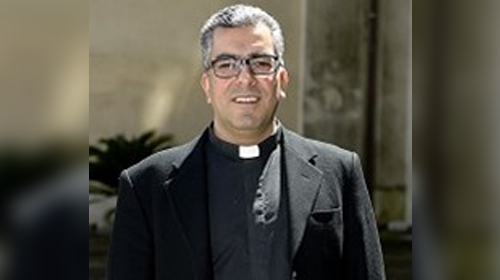
Resources of this researcher
article
Literary, Semiotic and Hermeneutical Approaches to the Qur’an in the Modern Period
Abstract In this contribution to issue 51 (Mélanges) of the journal Islamochristiana, published in Italian as Approcci letterari, semiotici ed ermeneutici al Corano nel periodo moderno, Wasim Sa...
publication
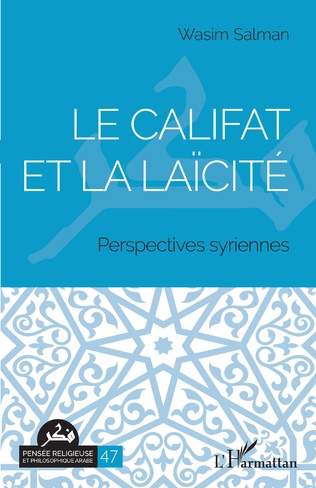
The Caliphate and Secularism. Syrian perspectives
The book confronts us with two opposing possibilities facing contemporary Arab society, namely the caliphate and secularism. While the former refers to the Islamic monarchy, theocracy and absolute ...
Resources related to Political Islam

publication
Understanding Salafism
- Mohamed-Ali Adraoui
Published in 2022 by Palgrave Macmillan (Springer) in the series The Sciences Po Series in International Relations and Political Economy, this book by Mohamed-Ali Adraoui, professor at Sorbonne Par...
article
Islam Seen through the Work of Aziz al-Azmeh
- Wasim Salman
Abstract Published in Arabic in issue 50 (2024) of Islamochristiana (PISAI, released in April 2025), this essay by Wasim Salman, president of PISAI and director of the journal, examines the rela...
article
Ḥaydar Ibrāhīm ʿAlī, a Thinker on Multiple Fronts
- Guy-Raymond Sarkis
Abstract Ḥaydar Ibrāhīm ʿAlī, a Sudanese sociologist of religion, is a committed intellectual whose writings both arise from and respond to the challenges of his society. He calls for a liberati...
publication
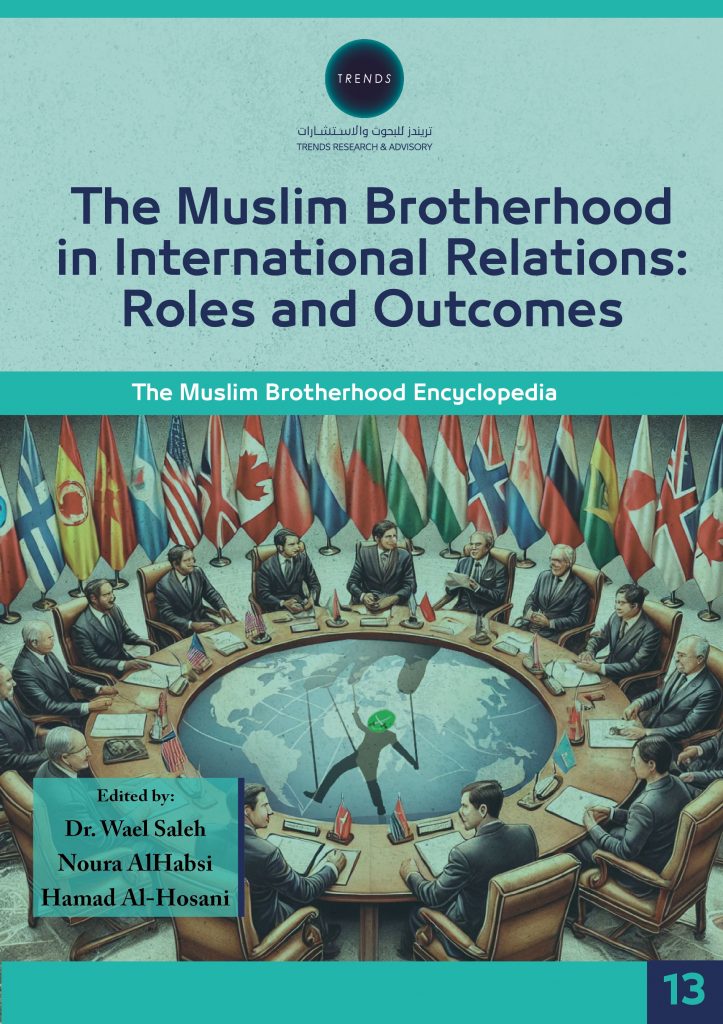
The Muslim Brotherhood in International Relations: Roles and Outcomes
- Wael Saleh
In this book published by TRENDS Research & Advisory (Abu Dhabi, May 2026), Wael Saleh, a member of Pluriel‘s coordination committee, examines the place and modes of action of the Muslim ...
videos
Interreligious Dialogue and Ethnic Nationalisms in the Balkans
At the invitation of PISAI (Pontifical Institute for Arabic and Islamic Studies, Rome) and Georgetown University, Ahmet Alibašić, professor of Islamic civilization at the Faculty of Islamic Studies...
publication
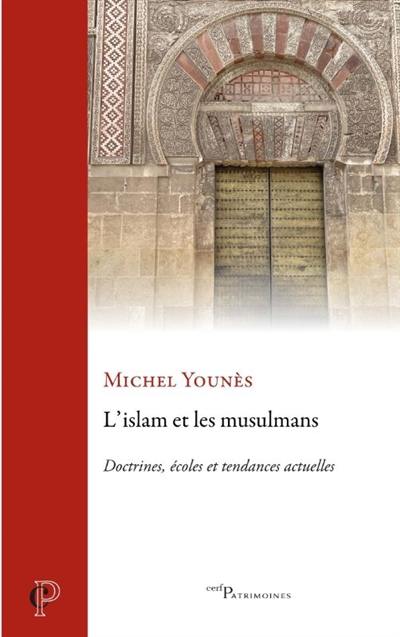
Islam and Muslims. Doctrines, Schools of Thought, and Current Trends
- Michel Younès
Publication date: April 16, 2026. Islam, as a historical, religious, and civilizational reality, is difficult to define. It can be perceived as a form of political governance, an expression of fait...

videos
Aesthetics and politico-ethics of Islamic thought: for a new reading of Averroes
Paper presented at the 5th international congress of the University Platform for Research on Islam (Pluriel), held in Cordoba from 10 to 14 February 2026 on the theme "Ethics and Aesthetics in Isla...
publication
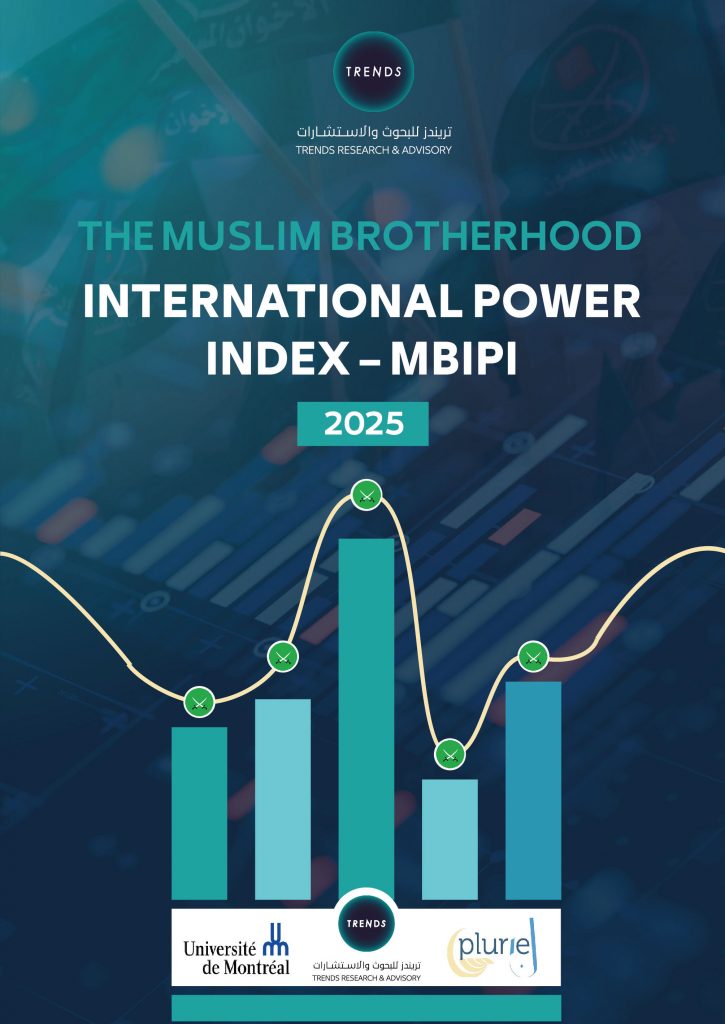
The Muslim Brotherhood International Power Index (MBIPI) 2025
- Wael Saleh
- Patrice Brodeur
Published in February 2026 by TRENDS Research & Advisory (Abu Dhabi), The Muslim Brotherhood International Power Index (MBIPI) 2025 offers the first systematic, global measurement of the Brothe...