
Publisher : Karthala - Paris

French


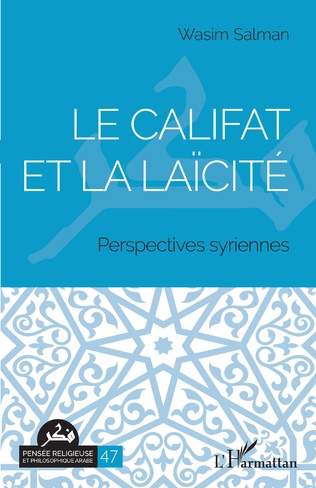
The Caliphate and Secularism. Syrian perspectives
The book confronts us with two opposing possibilities facing contemporary Arab society, namely the caliphate and secularism. While the former refers to the Islamic monarchy, theocracy and absolute power, the latter is a modern world allergic to the amalgamation of power and religion. After the Arab revolts (2011), the term ‘caliphate’ has come back with a vengeance, coinciding with the elections that brought the Islamists to power with the aim of founding an Islamic state guided by the new Ottoman sultan, as well as with the emergence of the Daesh nebula. Is Islamism the destiny of the Arabs? This is the question that the three Syrian authors presented in this book, M. Shahrour, G. Tarabichi and A. al-Azmeh, answer. Is there still a place for moderates among Muslims and Christians in the Middle East? The historical approach and the meticulous analysis of Arab-Islamic thought carried out by our authors reveal possible scenarios for the future of the Middle East torn between the caliphate and secularism.
L’ouvrage nous met face à deux possibilités opposées qui se présentent à la société arabe contemporaine, à savoir le califat et la laïcité. Si le premier se réfère à la monarchie islamique, à la théocratie et au pouvoir absolu, l’autre relève d’un monde moderne allergique à l’amalgame entre pouvoir et religion. Après les révoltes arabes (2011), le terme “califat” revient avec force, en coïncidence avec les élections qui ont porté les islamistes au pouvoir visant à fonder un État islamique guidé par le nouveau sultan ottoman, ainsi qu’avec l’émergence de la nébuleuse de Daesh. L’islamisme est-il le destin des Arabes ? C’est à cette question que nous répondent les trois auteurs syriens que présente cet ouvrage, M. Shahrour, G. Tarabichi et A. al-Azmeh. Y a-t-il encore une place pour les modérés parmi les musulmans et les chrétiens au Proche-Orient ? L’approche historique et l’analyse minutieuse de la pensée arabo-islamique menée de bout en bout par nos auteurs nous révèlent des scénarios possibles de l’avenir du Proche-Orient tiraillé entre le califat et la laïcité.


 publisher's website
Resources of this researcher

article
Literary, Semiotic and Hermeneutical Approaches to the Qur’an in the Modern Period
Abstract In this contribution to issue 51 (Mélanges) of the journal Islamochristiana, published in Italian as Approcci letterari, semiotici ed ermeneutici al Corano nel periodo moderno, Wasim Sa...
publication
The Caliphate and Secularism. Syrian perspectives
The book confronts us with two opposing possibilities facing contemporary Arab society, namely the caliphate and secularism. While the former refers to the Islamic monarchy, theocracy and absolute ...
Resources related to Political Sciences

publication
Understanding Salafism
- Mohamed-Ali Adraoui
Published in 2022 by Palgrave Macmillan (Springer) in the series The Sciences Po Series in International Relations and Political Economy, this book by Mohamed-Ali Adraoui, professor at Sorbonne Par...
publication
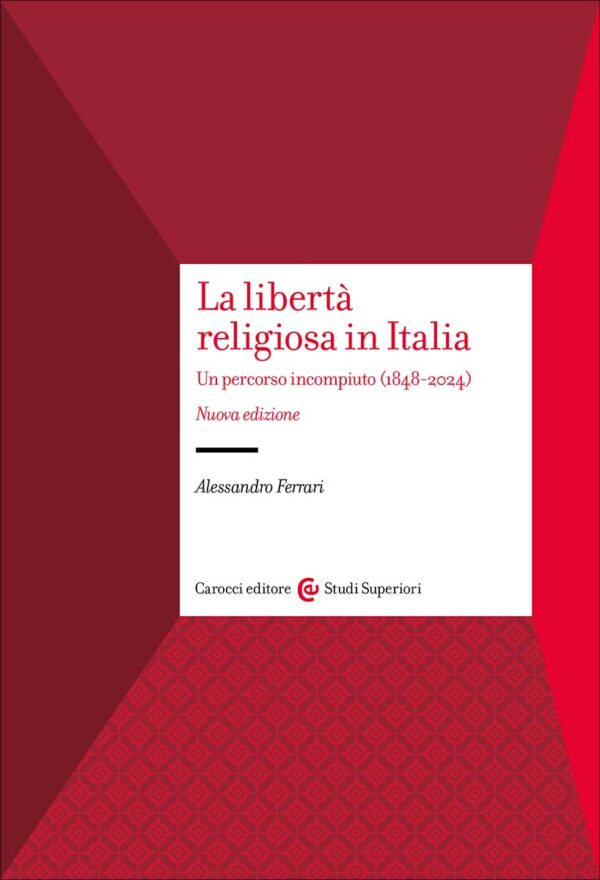
Religious Freedom in Italy. An Unfinished Path (1848-2024)
- Alessandro Ferrari
Published under the original title La libertà religiosa in Italia. Un percorso incompiuto (1848-2024), this synthesis by Alessandro Ferrari, professor of ecclesiastical law and comparative religiou...
article
Wael Saleh: “Recognising Without Confining, to Better ‘De-other’ the Public Debate”
- Wael Saleh
In an op-ed published on 20 July 2026 by Le Devoir, Wael Saleh, a member of the scientific committee of Pluriel, puts forward a new concept for contemporary democratic debate: "de-othering" (in Fre...
publication
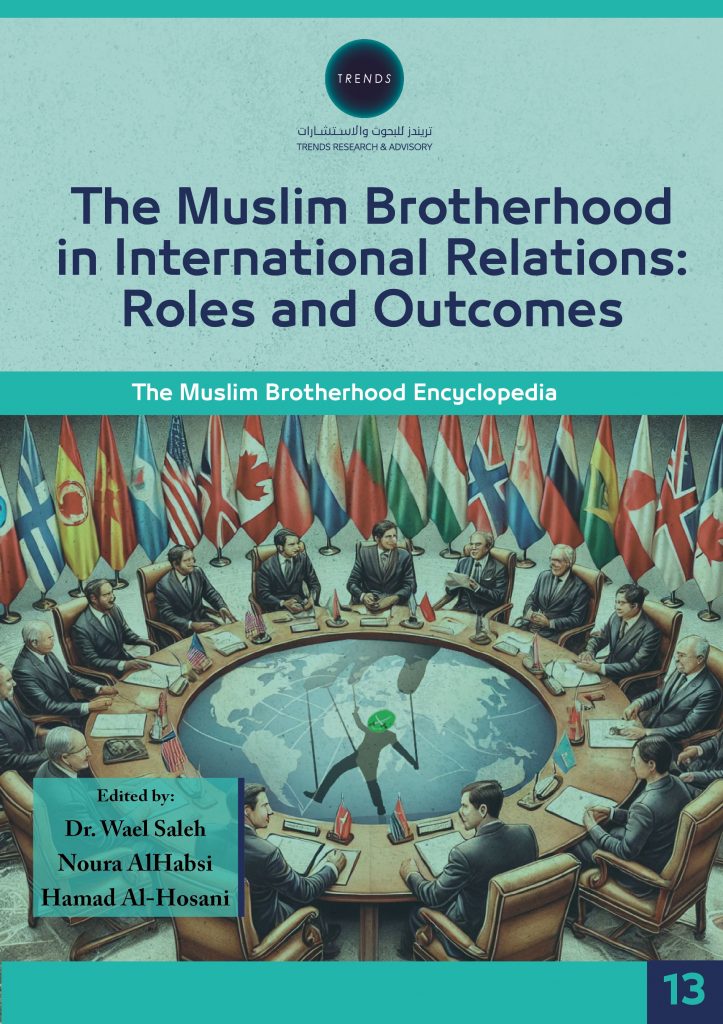
The Muslim Brotherhood in International Relations: Roles and Outcomes
- Wael Saleh
In this book published by TRENDS Research & Advisory (Abu Dhabi, May 2026), Wael Saleh, a member of Pluriel‘s coordination committee, examines the place and modes of action of the Muslim ...
videos
Interreligious Dialogue and Ethnic Nationalisms in the Balkans
At the invitation of PISAI (Pontifical Institute for Arabic and Islamic Studies, Rome) and Georgetown University, Ahmet Alibašić, professor of Islamic civilization at the Faculty of Islamic Studies...
article
Beyond Representation: Systemic Epistemic Alterity and the Architecture of Knowledge in the Contemporary Academy
- Wael Saleh
In this article, published in two parts by Social Epistemology Review and Reply Collective (SERRC), Wael Saleh, a researcher at the University of Quebec in Montreal (UQAM) and a member of Pluriel's...
publication
Managing Religious Diversity in Italy: Law, Policy, and Practice in a Pluralist Era
- Alessandro Ferrari
In this article published in the journal Religions 17/3 (2026), Alessandro Ferrari offers a comprehensive analysis of Italy’s regime for governing religious diversity, at the intersection of ...
publication
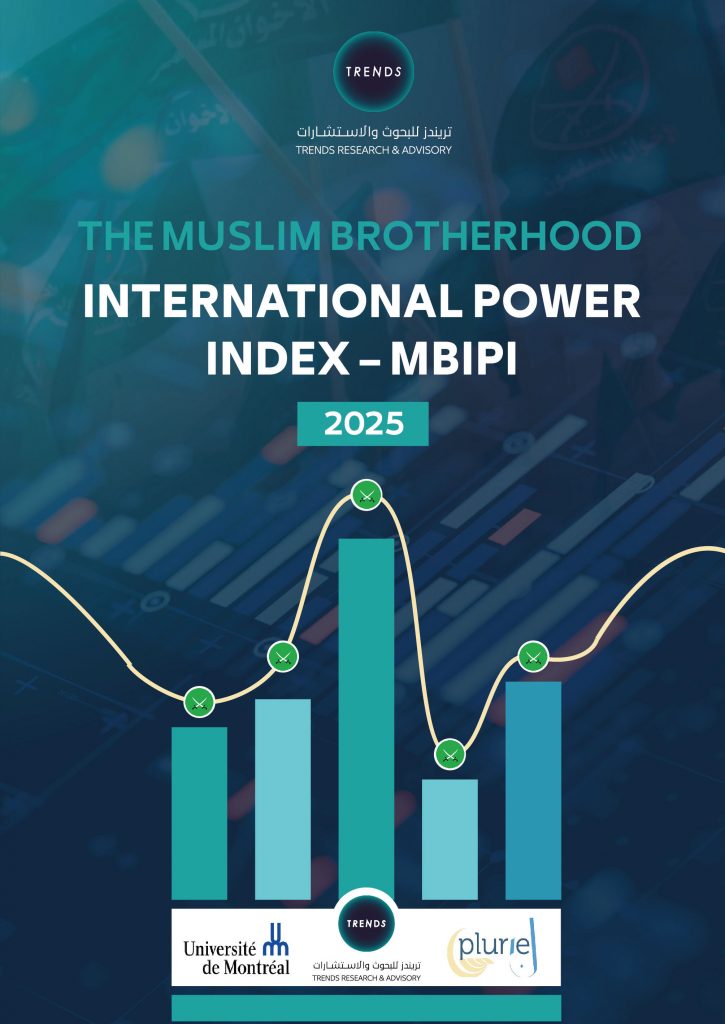
The Muslim Brotherhood International Power Index (MBIPI) 2025
- Wael Saleh
- Patrice Brodeur
Published in February 2026 by TRENDS Research & Advisory (Abu Dhabi), The Muslim Brotherhood International Power Index (MBIPI) 2025 offers the first systematic, global measurement of the Brothe...