

German

Artificial Intelligence, a New God? Christian and Muslim Perspectives
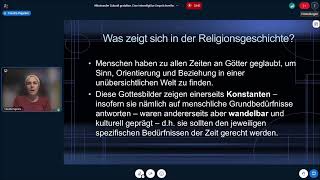
On 20 October 2026, the Centre for Interreligious Studies (ZIRS) at the University of Innsbruck, a partner institution of Pluriel, opened the semester of its online interreligious conversation series “Miteinander Zukunft gestalten” (“Shaping the Future Together”) with a deliberately provocative question: “Artificial Intelligence, a New God?”. Moderated by Azemina Mašetić, the dialogue brought together the philosopher and theologian Claudia Paganini (Institute of Christian Philosophy) and the Muslim philosopher and theologian Hureyre Kam (Institute of Islamic Theology and Religious Education).
The author of Der neue Gott. Künstliche Intelligenz und die menschliche Sinnsuche (The New God: Artificial Intelligence and the Human Search for Meaning, Herder, 2025), Claudia Paganini does not argue that AI is a god, but that many people treat it as one, ascribing to it the attributes that the history of religions has associated with gods: omniscience, omnipotence, omnipresence. In a time of multiple crises and of upheaval in the media, AI also meets a very contemporary need for immediate availability, whereas the God of the Abrahamic religions remains beyond our disposal and calls for humility and patience.
A specialist in al-Māturīdī and in debates on transhumanism, Hureyre Kam tests these features in the light of the Qur’an. AI is available in the way a commodity is, whereas the God of the Qur’an lies beyond all control; its presence comes above all from the fact that it flatters us and reflects our own image back to us, whereas God tests human beings. It is therefore not the machine that is an idol: in his view, it becomes one when we raise our own desire to supreme authority, which Surah 25 (verse 43) reproaches in the one who takes his own passion as his god. There remains the efficacy of autonomous agents, which raises a newer question. Drawing on al-Māturīdī’s distinction between the creation of an act and its appropriation through free choice, he recalls that pursuing a goal is not enough to make an agent responsible: responsibility, the amāna entrusted to humankind (Surah 33, verse 72), lies with those who design, test and deploy these systems.
The conversation, followed by an exchange with the audience, was held in German (see the ZIRS page). The next event in the series, “Würdevoll sterben?” (“Dying with Dignity?”), will bring together Sigrid Müller and Martin Mahmud Kellner on 24 November 2026 at 6 pm (Central European Time), online.
Le 20 octobre 2026, le Centre d’études interreligieuses (ZIRS) de l’Université d’Innsbruck, institution partenaire de Pluriel, a ouvert le semestre de sa série d’entretiens en ligne « Miteinander Zukunft gestalten » (« Construire l’avenir ensemble ») par une question volontairement provocante : « L’intelligence artificielle, un nouveau dieu ? ». Animé par Azemina Mašetić, le dialogue a réuni la philosophe et théologienne Claudia Paganini (Institut de philosophie chrétienne) et le philosophe et théologien musulman Hureyre Kam (Institut de théologie islamique et de pédagogie religieuse).
Auteure de Der neue Gott. Künstliche Intelligenz und die menschliche Sinnsuche (Herder, 2025), Claudia Paganini ne soutient pas que l’IA soit un dieu, mais que beaucoup la traitent comme tel, en lui prêtant les attributs que l’histoire des religions associe aux dieux : omniscience, toute-puissance, omniprésence. En un temps de crises multiples et de bouleversement des médias, l’IA répond en outre à un besoin très contemporain, celui d’une disponibilité immédiate, là où le Dieu des religions abrahamiques reste indisponible et appelle l’humilité et la patience.
Spécialiste d’al-Māturīdī et des débats sur le transhumanisme, Hureyre Kam éprouve ces traits à la lumière du Coran. La disponibilité de l’IA est celle d’une marchandise, quand le Dieu du Coran échappe à toute emprise ; sa présence tient surtout à ce qu’elle nous flatte et nous renvoie notre image, alors que Dieu éprouve les hommes. Ce n’est donc pas la machine qui est une idole : elle le devient, selon lui, lorsque nous érigeons en autorité suprême notre propre désir, ce que la sourate 25 (verset 43) reproche à celui qui fait de sa passion sa divinité. Reste l’efficacité des agents autonomes, qui pose une question plus neuve. En s’appuyant sur la distinction d’al-Māturīdī entre la création d’un acte et son appropriation par un libre choix, il rappelle que poursuivre un but ne suffit pas à rendre un agent responsable : la responsabilité, l’amāna confiée à l’homme (sourate 33, verset 72), revient à ceux qui conçoivent, testent et mettent en service ces systèmes.
L’entretien, suivi d’un échange avec le public, s’est déroulé en allemand (voir la page du ZIRS). Le prochain rendez-vous du cycle, « Würdevoll sterben ? » (« Mourir dans la dignité ? »), réunira Sigrid Müller et Martin Mahmud Kellner le 24 novembre 2026 à 18h, en ligne.
في 20 أكتوبر/تشرين الأول 2026، افتتح مركز الدراسات بين الأديان في جامعة إنسبروك، وهي مؤسسة شريكة للمنصة الجامعية للدراسات حول الإسلام، الفصلَ الدراسي من سلسلة حواراته بين الأديان عبر الإنترنت «لنصنع المستقبل معًا» بسؤال استفزازي عن قصد: «الذكاء الاصطناعي، إله جديد؟». وجمع الحوار، الذي أدارته أزمينا ماشيتيتش، الفيلسوفة واللاهوتية كلاوديا باغانيني (معهد الفلسفة المسيحية) والفيلسوف وعالم الكلام المسلم هريرة كام (معهد اللاهوت الإسلامي والتربية الدينية).
ولا تزعم كلاوديا باغانيني، مؤلفة كتاب «الإله الجديد: الذكاء الاصطناعي وبحث الإنسان عن المعنى» (دار هِردر، 2025)، أن الذكاء الاصطناعي إله، بل ترى أن كثيرين يعاملونه كأنه إله، فينسبون إليه الصفات التي ربطها تاريخ الأديان بالآلهة: العلم بكل شيء، والقدرة المطلقة، والحضور في كل مكان. وفي زمن تتراكم فيه الأزمات وتتبدّل فيه وسائل الإعلام تبدّلًا عميقًا، يلبّي الذكاء الاصطناعي حاجةً معاصرة إلى الإتاحة الفورية، في حين يظل إله الأديان الإبراهيمية خارج متناول الإنسان، ويدعو إلى التواضع والصبر.
أما هريرة كام، المتخصص في الماتريدي وفي النقاشات حول ما بعد الإنسانية، فيختبر هذه السمات في ضوء القرآن. فإتاحة الذكاء الاصطناعي هي إتاحة السلعة، بينما يتعالى إله القرآن عن كل تحكّم؛ وحضوره نابع قبل كل شيء من أنه يتملّقنا ويعكس لنا صورتنا، في حين أن الله يبتلي الناس. فليست الآلة إذن صنمًا في ذاتها، بل تصير صنمًا، في رأيه، حين نرفع رغبتنا الخاصة إلى مقام السلطة العليا، وهو ما يعيبه القرآن على ﴿مَنِ اتَّخَذَ إِلَٰهَهُ هَوَاهُ﴾ (الفرقان: 43). ويبقى أمر فاعلية وكلاء الذكاء الاصطناعي المستقلين، وهو يطرح سؤالًا أكثر جدّة: فاستنادًا إلى تمييز الماتريدي بين خلق الفعل وكسبه بالاختيار الحر، يذكّر بأن السعي إلى هدف لا يكفي لتحميل الفاعل المسؤولية، وأن المسؤولية، أي الأمانة التي حملها الإنسان (الأحزاب: 72)، تقع على من يصمّمون هذه الأنظمة ويختبرونها ويطلقونها.
وقد جرى الحوار، الذي أعقبه نقاش مع الجمهور، باللغة الألمانية (انظر صفحة المركز). ويجمع اللقاء التالي من السلسلة، «الموت بكرامة؟»، سيغريد مولر ومارتن محمود كيلنر يوم 24 نوفمبر/تشرين الثاني 2026 عند الساعة 18:00 بتوقيت وسط أوروبا، عبر الإنترنت.
KI. Der neue Gott?, Gesprächsreihe „Miteinander Zukunft gestalten“, Zentrum für Interreligiöse Studien, Universität Innsbruck, 20. Oktober 2026 ; Claudia Paganini, Der neue Gott. Künstliche Intelligenz und die menschliche Sinnsuche, Herder, 2025.


Resources of this researcher
Resources related to Muslim-Christian Dialogue
videos
Artificial Intelligence, a New God? Christian and Muslim Perspectives
On 20 October 2026, the Centre for Interreligious Studies (ZIRS) at the University of Innsbruck, a partner institution of Pluriel, opened the semester of its online interreligious conversation seri...
publication
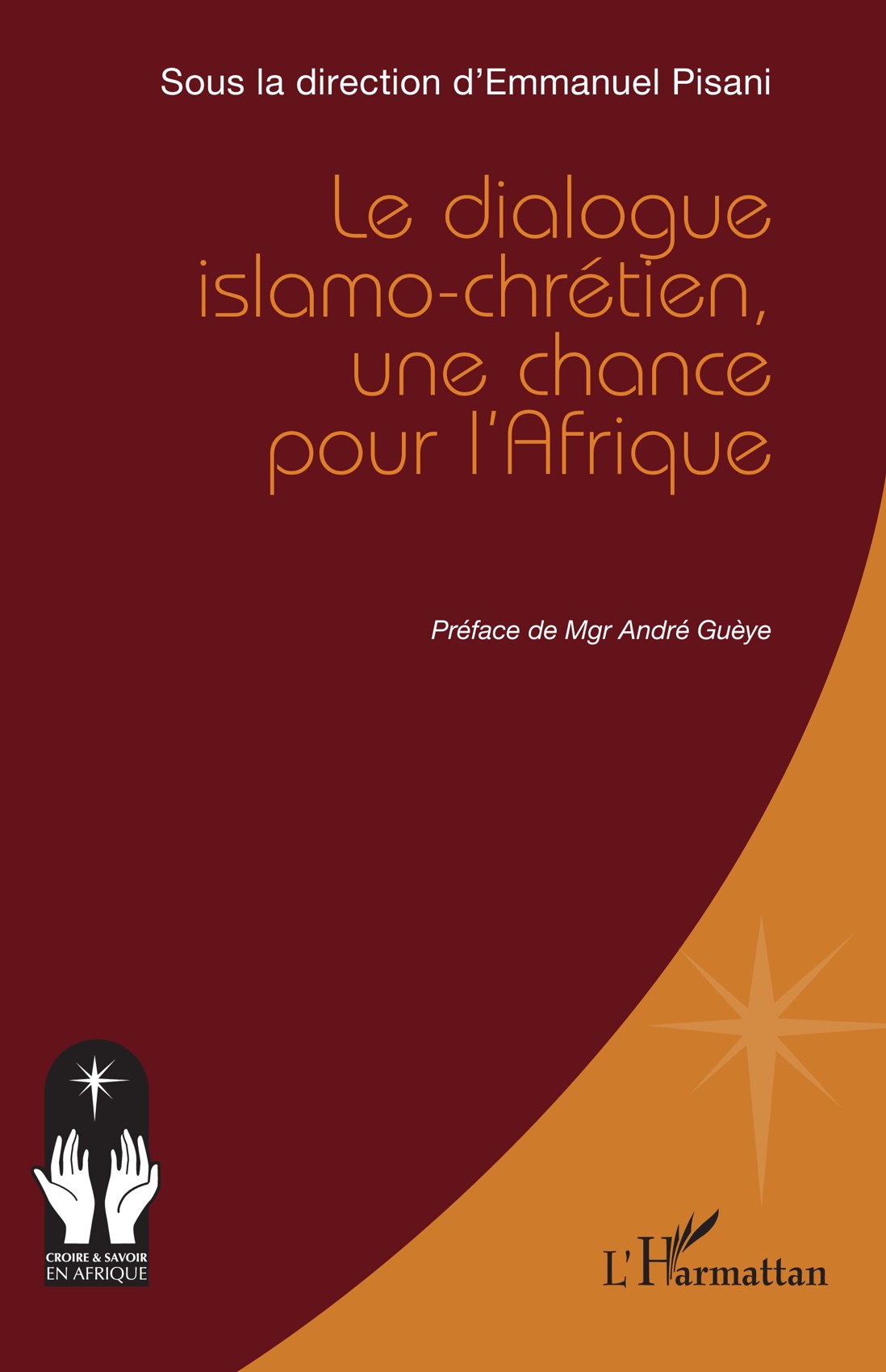
Christian-Muslim Dialogue, an Opportunity for Africa
- Emmanuel Pisani
At a time when sub-Saharan Africa is undergoing profound socio-political change and the rise of religious radicalism, Christian-Muslim dialogue emerges as an essential requirement and a condition f...
publication
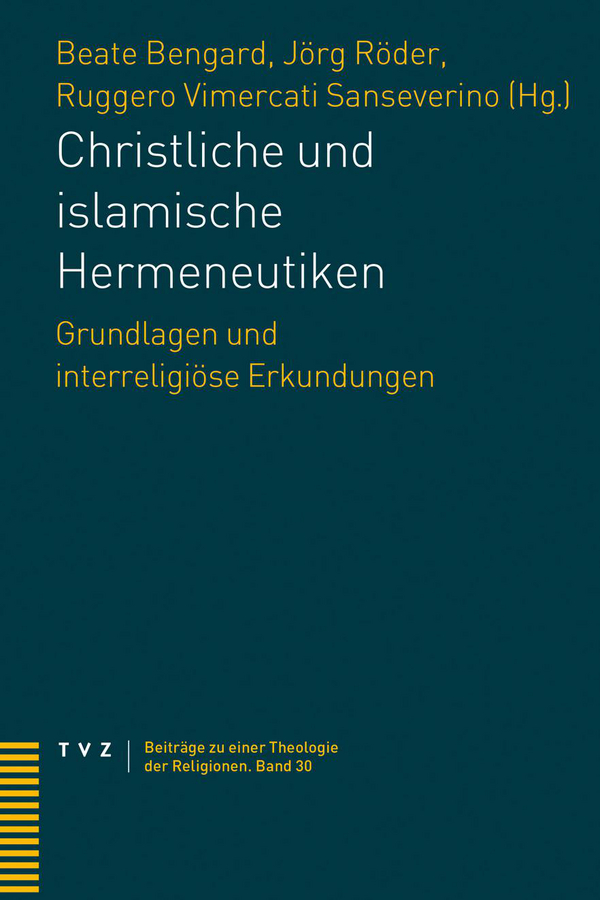
Christian and Islamic Hermeneutics: Foundations and Interreligious Explorations
- Beate Bengard
Published in October 2026 by TVZ (Theologischer Verlag Zürich) in the series “Beiträge zu einer Theologie der Religionen” (vol. 30, 451 p.), Christliche und islamische Hermeneutiken: Gr...

article
Islamic Visions of Jesus: Revelation, Prophecy, and Eschatology
- Antonio Cuciniello
Abstract Published in the collective volume Jerusalem in Memory and Eschatology: Jewish, Christian, and Muslim Visions of the Past and Future of Jerusalem, edited by Emma O'Donnell Polyakov (Blo...

article
Questions on Islamic Soteriology in Early Islam
- Jaume Flaquer Garcia
Abstract Published under the original title "Cuestiones sobre la soteriología islámica en el islam primitivo" in the collective volume Riesgos y fidelidades. Miradas teológicas para un mundo plu...

article
The Uncreated Muslim Qur’an and the Eternally Begotten Christian Logos
- Jaume Flaquer Garcia
Abstract Published under the original title "El Corán musulmán increado y el Logos cristiano eternamente engendrado" in the monographic section Logos, Agape, Sarx. Una dialógica cristiana of iss...

article
The First Council of Nicaea (325) and the Christian-Muslim Dialogue on God’s Unity and Trinity
- Dirk Ansorge
Abstract Published under the original title "Das erste Konzil von Nizäa (325) und der christlich-muslimische Dialog über Gottes Einheit und Dreifaltigkeit" in issue 2/2025 of CIBEDO-Beiträge, th...
article
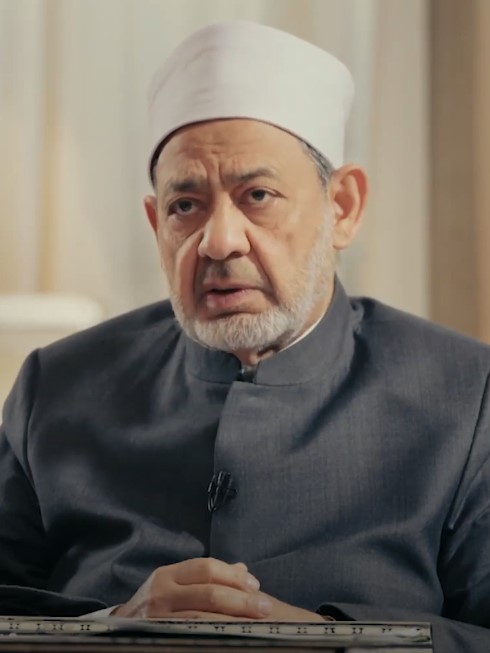
Christian-Muslim Relations Today: Some Reflections
- David Marshall
Abstract Published as "Christian-Muslim Relations Today: Some Reflections" in a special issue of The Muslim World marking the 50th anniversary of the Duncan Black Macdonald Center (Hartford), th...