
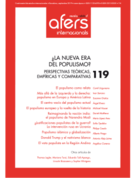
Référence :
Revista CIDOB d’Afers Internacionals, n.119, p. 161-184

Spanish

Islamic Populism: A Non-Western Response to Globalization
Original title : “El populismo islámico: una respuesta no occidental a la globalización”
Abstract
Globalisation’s excesses, the Muslim world’s hybrid regimes and the lack of credibility of pan-Arab and pan-Islamic projects have, along with other factors, caused a significant part of the umma to seek alternative responses to the traditional political options. As well as neo-fundamentalist, post-Islamist and conservative responses, in some Islamic societies other options such as “Islamic populism” are beginning to emerge, which takes up certain features of the Iranian Revolution but incorporating new demands deriving from contemporary political, social and economic conditions. This paper seeks to identify the elements that constitute Islamic populism through a comparative study of the cases of Egypt, Turkey, Indonesia and Iran.
Titre original : “El populismo islámico: una respuesta no occidental a la globalización”
Résumé
Les excès de la mondialisation, les régimes hybrides dans le monde musulman, le manque de crédibilité des projets panarabes et panislamiques, etc., ont conduit une partie importante de l’Umma, la communauté des croyants de l’islam, à rechercher des réponses alternatives aux choix politiques traditionnels. Face aux réponses néo-fondamentalistes, post-islamistes ou conservatrices dans certaines sociétés islamiques, d’autres options comme le “populisme islamique” commencent à émerger, reprenant certains éléments déjà compris dans la Révolution iranienne mais intégrant de nouvelles exigences tenant compte des nouvelles conditions politiques, sociales et économiques. Cet article vise à identifier ces éléments qui constituent le populisme islamique en comparant les cas de l’Égypte, de la Turquie, de l’Indonésie et de l’Iran.
إنّ العولمة المفرطة والأنظمة الهجينة في العالم الإسلامي، وغياب مصداقية مشاريع الوحدة العربيّة والوحدة الإسلامية وغيرها من العوامل دفعت بجزءٍ كبيرٍ من الأمّة أيّ جماعة المؤمنين المسلمين إلى البحثِ عن ردود فعل بديلة حيال الخيارات السياسية التقليدية. وفي مواجهة ردود أبداها الأصوليون الجدد أو ما بعد الإسلاميين أو المحافظون في بعض المجتمعات الإسلامية، بدأت خيارات أخرى مثل “الشعبوية الإسلامية” تظهرُ مُستعيدةً بعض عناصر الثورة الإيرانية ودامجةً مطالب جديدة تأخدُ في عين الاعتبار الظروف السياسية والاجتماعية والاقتصادية الجديدة. من هنا، يهدف هذا المقال إلى تحديد هذه العناصر التي تشكِّل الشعبوية الإسلامية من خلال مقارنة حالات مصر وتركيا وإندونيسيا وإيران.
Resumen
Los excesos de la globalización, los regímenes híbridos en el mundo musulmán, la falta de credibilidad de los proyectos panarabistas y panislámicos, etc., han provocado que una importante parte de la umma –la comunidad de creyentes del islam– busque respuestas alternativas a las opciones políticas tradicionales. Frente a las repuestas neofundamentalistas, post-islamistas o conservadoras en algunas sociedades islámicas, comienzan a emerger otras opciones como el “populismo islámico”, que recoge algunos elementos ya apuntados por la Revolución Iraní pero que incorpora nuevas demandas derivadas de las condiciones políticas, sociales y económicas actuales. El presente artículo busca identi car estos elementos que constituyen el populismo islámico mediante un estudio comparado de los casos de Egipto, Turquía, Indonesia e Irán.
 Download PDF

Resources of this researcher
article
The evolution of terrorism from Al Qaeda to ISIS: organization, methodology and profiles
Original title : "La evolución del terrorismo de Al Qaeda al ISIS: organización, metodología y perfiles" Abstract In the last 25 years international terrorism has evolved significantly. The e...
article
Fundamentalism, Extremism, Fanaticism and Religious Terrorism. An effort at Clarification
Original title: "Fundamentalismo, extremismo, fanatismo y terrorismo religioso. una clarificación de los conceptos" Abstract In recent years, we have witnessed an increase in terrorist ac...

videos
Alberto Priego interviews John L. Esposito
Alberto Priego, International Relations professor at Comillas Pontifical University, interviews John L. Esposito on the ocassion of his appointmet as Doctor Honoris Causa.
article
Islamic Populism: A Non-Western Response to Globalization
Original title : "El populismo islámico: una respuesta no occidental a la globalización" Abstract Globalisation’s excesses, the Muslim world’s hybrid regimes and the lack of credibility of pa...
Resources related to Identities
article
Wael Saleh: “Recognising Without Confining, to Better ‘De-other’ the Public Debate”
- Wael Saleh
In an op-ed published on 20 July 2026 by Le Devoir, Wael Saleh, a member of the scientific committee of Pluriel, puts forward a new concept for contemporary democratic debate: "de-othering" (in Fre...
videos
Interreligious Dialogue and Ethnic Nationalisms in the Balkans
At the invitation of PISAI (Pontifical Institute for Arabic and Islamic Studies, Rome) and Georgetown University, Ahmet Alibašić, professor of Islamic civilization at the Faculty of Islamic Studies...

videos
Highlighting an Islamic heritage in constant evolution: literary ethics and aesthetics in Najib Redouane’s “Under the Sky of Oran”
Paper presented at the fifth international congress of the University Platform for Research on Islam (Pluriel), held in Cordoba from 10 to 14 February 2026 on the theme "Ethics and Aesthetics in Is...
publication
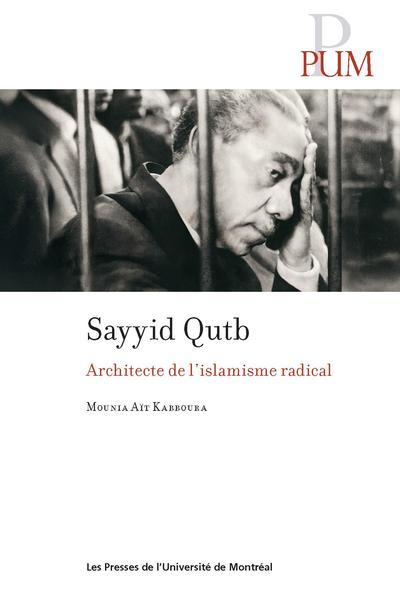
Sayyid Qutb. Architect of Radical Islamism
- Mounia Ait Kabboura
The thought of Sayyid Qutb (1906–1966) has profoundly shaped a wide range of religio-political movements, from the Muslim Brotherhood to Salafi-jihadists, radicalizing political Islam and inspiring...
publication
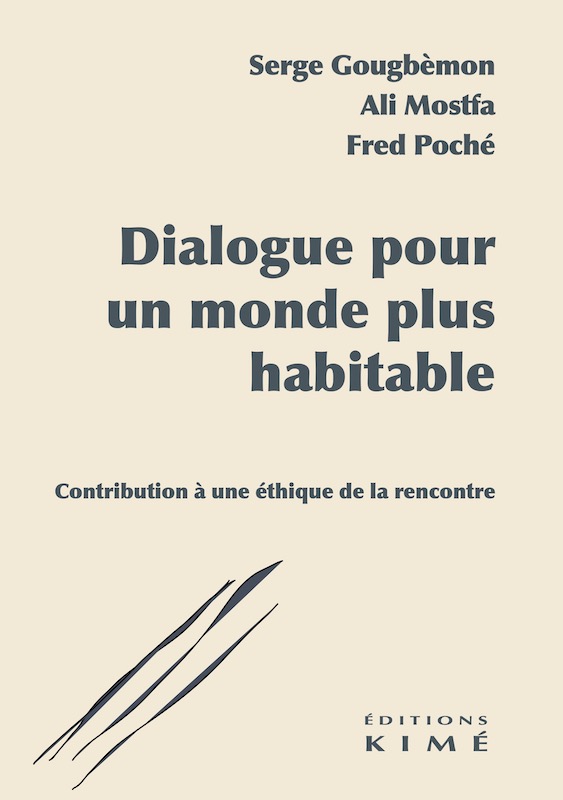
Dialogue for a More Livable World: Toward an Ethics of Encounter
- Mohamed-Ali Mostfa
How can we live in a climate of mistrust, trapped in identity-based withdrawal, and paralyzed by an uncertain future? On what basis can we open new paths to ease suffering—perhaps even reenchant ou...
videos
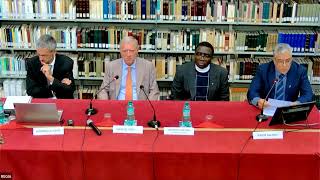
Inaugural Lecture for the Chair in Mediterranean Studies, Religions and Societies
- Dominique Avon
Lecture given by Professor Dominique Avon on October 13, 2025, at the Pontifical Institute for Arabic and Islamic Studies (PISAI).
publication
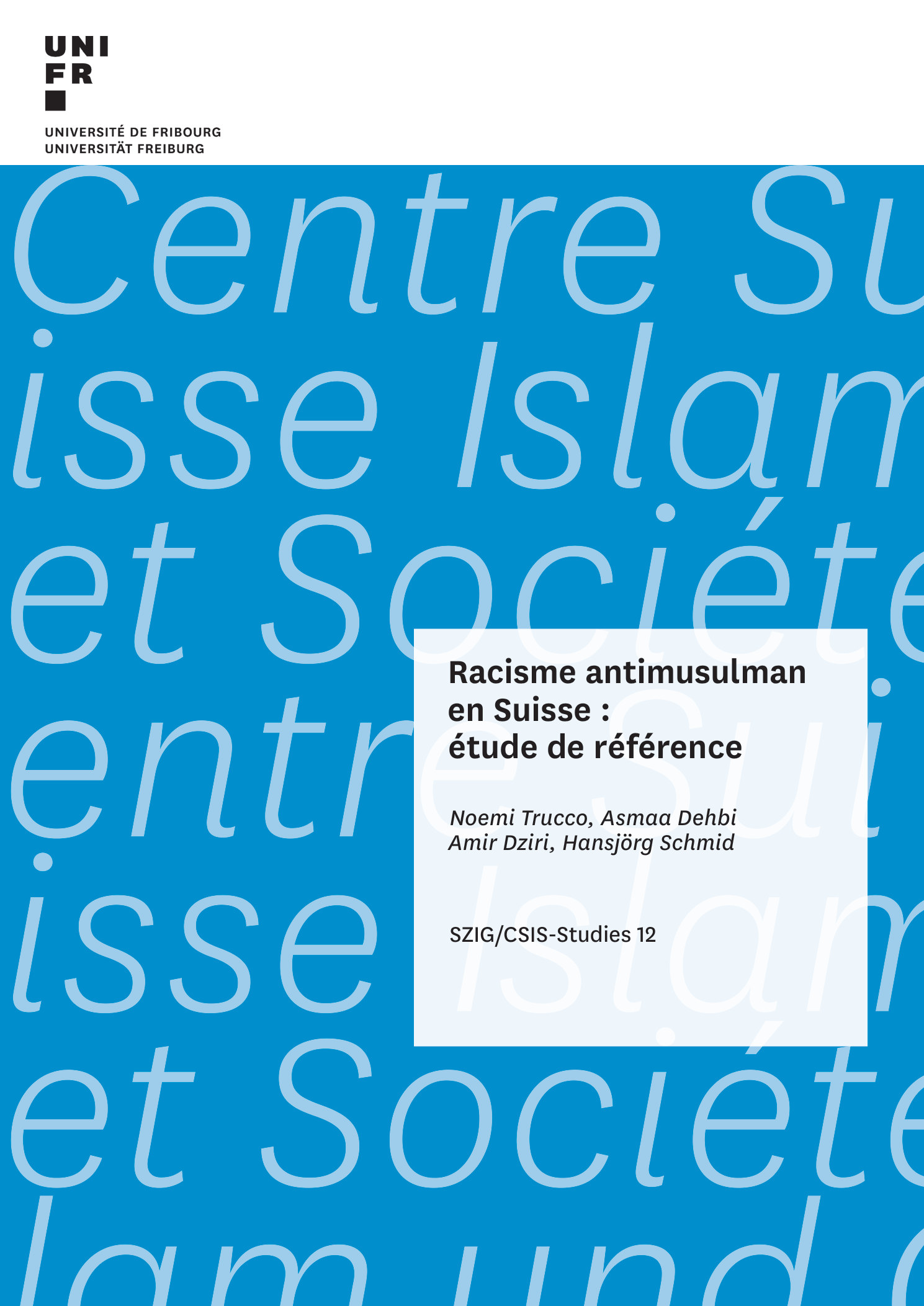
Anti-Muslim Racism in Switzerland: A Baseline Study
- Noemi Trucco
- Amir Dziri
- Hansjörg Schmid
Commissioned by the Swiss Confederation’s Service for Combating Racism (SLR), this study (SZIG/CSIS-Studies 12, 2025) is the first comprehensive baseline survey of anti-Muslim racism in Switz...

videos
Islam in Europe or European Islam?
In this conference given on January 30, 2025, at PISAI (Pontifical Institute for Arabic and Islamic Studies) in Rome, political scientist Olivier Roy offers an in-depth analysis of the Muslim prese...