
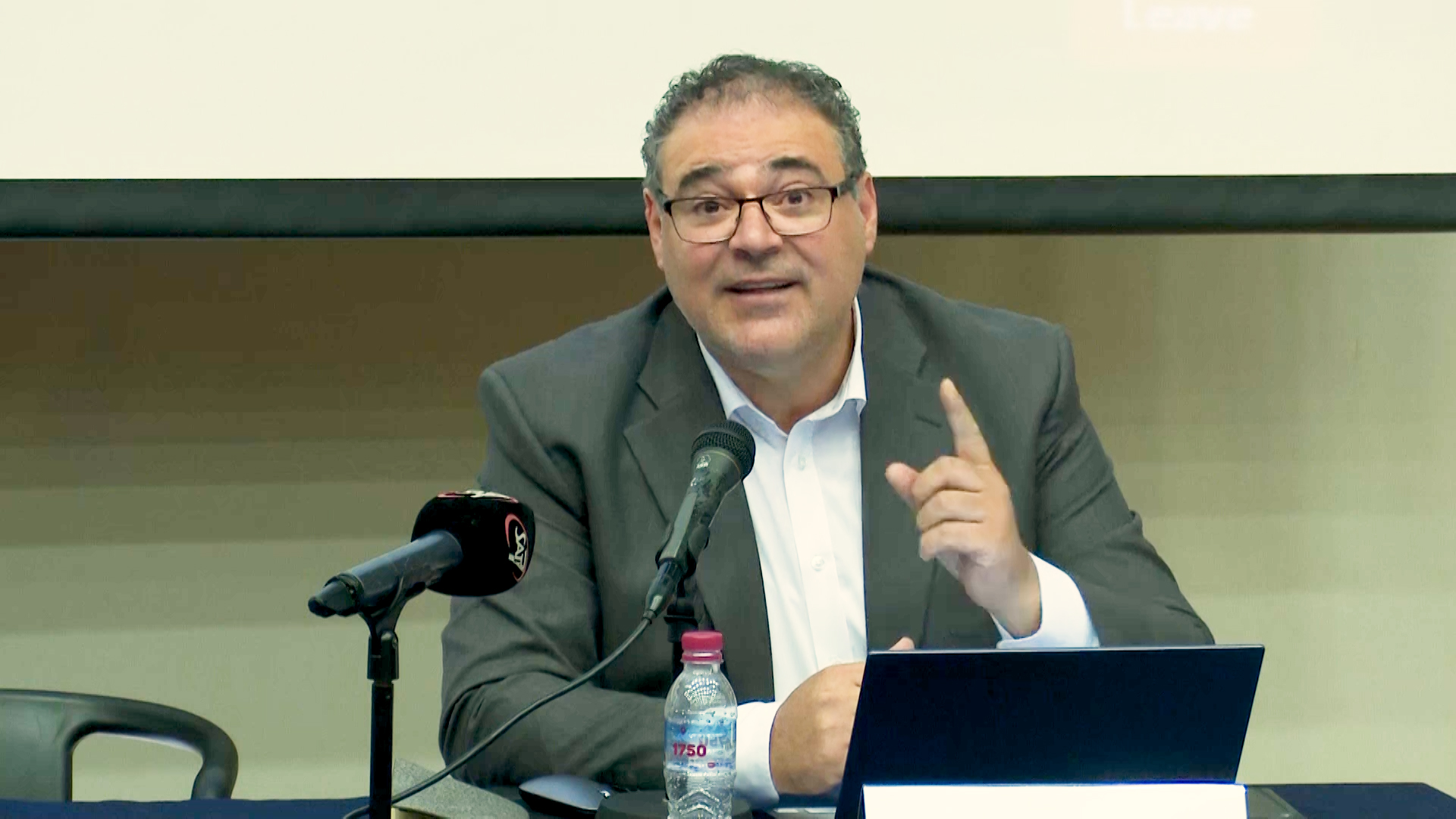

Wael Saleh: “Recognising Without Confining, to Better ‘De-other’ the Public Debate”
In an op-ed published on 20 July 2026 by Le Devoir, Wael Saleh, a member of the scientific committee of Pluriel, puts forward a new concept for contemporary democratic debate: “de-othering” (in French, désaltérisation). Between a universalism blind to wounds and an identity-based reading that sees nothing else, he defends a third way, one that recognises injustices (racism, religious discrimination, indigenous marginalisation) without reducing those who suffer them to their group belonging.
The case of the Muslim citizen illustrates the paradox. From the outside, fear and securitarian suspicion assimilate the individual to rigorist currents and hold him accountable for discourses he does not share. From the inside, Islamism “transforms his religion into a closed political identity” and claims to define what an authentic Muslim should think. Both operations, the author underlines, deny the believer “his right not to coincide with the identity that has been assigned to him”.
The op-ed thus proposes an ethics of citizenship that “protects belongings without ever confining anyone within them”. It calls for distinguishing recognition, which restores to the subject his capacity to define himself, from assignation, which fixes him in the very identity by which he was wounded. “A democracy does not liberate the individual by requiring him to assume the identity that has been imposed on him. It liberates him by protecting his right to interpret and to transform it.”
Wael Saleh will also address these issues at the “Diversity and Citizenship: Perspectives Around the Mediterranean” study day, held at the Catholic University of Lyon (UCLy) on Wednesday 2 December 2026, as part of the panel devoted to the Middle East.
Dans une tribune publiée le 20 juillet 2026 par Le Devoir, Wael Saleh, membre du comité scientifique de Pluriel, propose une notion neuve pour le débat démocratique contemporain : la « désaltérisation ». Entre un universalisme aveugle aux blessures et une lecture identitaire qui n’en voit plus qu’elles, il défend une troisième voie qui reconnaît les injustices (racisme, discriminations religieuses, marginalisation autochtone) sans transformer les personnes qui les subissent en pures fonctions de leur appartenance.
Le cas du citoyen musulman illustre le paradoxe. De l’extérieur, la peur et le soupçon sécuritaire l’assimilent aux courants rigoristes et le rendent comptable de discours qu’il ne partage pas. De l’intérieur, l’islamisme « transforme sa religion en identité politique fermée » et prétend définir ce qu’un musulman authentique devrait penser. Les deux opérations, souligne l’auteur, refusent au croyant « son droit de ne pas coïncider avec l’identité attribuée ».
La tribune propose ainsi une éthique de la citoyenneté qui « protège les appartenances sans jamais y enfermer personne ». Elle appelle à distinguer la reconnaissance, qui restitue au sujet sa capacité de se définir, de l’assignation, qui le fixe dans l’identité par laquelle il a été blessé. « Une démocratie ne libère pas l’individu en lui demandant d’assumer l’identité imposée. Elle le libère en protégeant son droit de l’interpréter et de la transformer. »
Wael Saleh interviendra également sur ces enjeux à la journée d’étude « Diversité et citoyenneté : regards croisés autour de la Méditerranée » organisée à l’Université catholique de Lyon (UCLy) le mercredi 2 décembre 2026, au sein du panel consacré au Moyen-Orient.
في مقالة رأي نُشرت يوم 20 تمّوز/يوليو 2026 على صفحات صحيفة Le Devoir الكنديّة، يقترح الباحث وائل صالح، عضو اللجنة العلميّة لـالمنصّة الجامعيّة للدراسات حول الإسلام (Pluriel)، مفهوماً جديداً للنقاش الديمقراطي المعاصر: مفهوم «إزالة التغريب» (بالفرنسيّة: désaltérisation). فبين كونيّةٍ عمياء لا تُبصر الجروح، وقراءةٍ هوياتيّة لا تُبصر سواها، يدافع صالح عن طريقٍ ثالث؛ طريقٍ يعترف بالمظالم من عنصريّةٍ وتمييزٍ دينيّ وتهميشٍ للسكّان الأصليّين، دون أن يختزل من يُقاسون منها إلى مجرّد وظائف مطبوعةٍ بأثر انتمائهم.
وتتجلّى هذه المفارقة بأوضح صورةٍ في وضع المواطن المسلم. فمن الخارج، يُشبّه الخوفُ والشكّ الأمنيّ الفردَ بالتيّارات المتشدّدة، ويُحمّلانه مسؤوليّة خطاباتٍ لا يُشاركها. ومن الداخل، «تُحوّل الإسلاموية دينَه إلى هويّةٍ سياسيّة مُغلقة»، وتزعم تحديد ما ينبغي للمسلم الحقّ أن يفكّر فيه. وكلتا العمليّتين، كما يُبرز المؤلّف، تُنكران على المؤمن «حقَّه في ألاّ يتطابق مع الهويّة المُسنَدة إليه».
وتطرح المقالة أخلاقيّاتٍ للمواطنة «تحمي الانتماءات دون أن تحبس فيها أحداً»؛ وتدعو إلى التمييز بين الاعتراف الذي يُعيد للذات قدرتها على تعريف نفسها، وبين الإسناد الذي يُثبّتها في الهويّة التي أُصيبت من خلالها. «إنّ الديمقراطيّة لا تُحرّر الفردَ بمطالبته بتبنّي الهويّة المفروضة، وإنّما تُحرّره بضمان حقِّه في تأويلها وتحويلها».
سيتناول وائل صالح هذه الإشكاليّات أيضاً في يومٍ دراسيّ بعنوان «التنوّع والمواطنة: نظرات متقاطعة حول المتوسّط» الذي تنظّمه الجامعة الكاثوليكيّة في ليون (UCLy) يوم الأربعاء 2 ديسمبر 2026، ضمن الجلسة المخصّصة للشرق الأوسط.


Resources of this researcher

article
Leo XIV’s encyclical Magnifica Humanitas and the Pluriel working group on AI-assisted interreligious dialogue
Text by Wael Saleh, researcher at the Université du Québec à Montréal (UQAM) and member of the Pluriel coordination committee. The simultaneous appearance of Leo XIV's encyclical Magnifica Human...
article
Beyond Representation: Systemic Epistemic Alterity and the Architecture of Knowledge in the Contemporary Academy
In this article, published in two parts by Social Epistemology Review and Reply Collective (SERRC), Wael Saleh, a researcher at the University of Quebec in Montreal (UQAM) and a member of Pluriel's...
publication
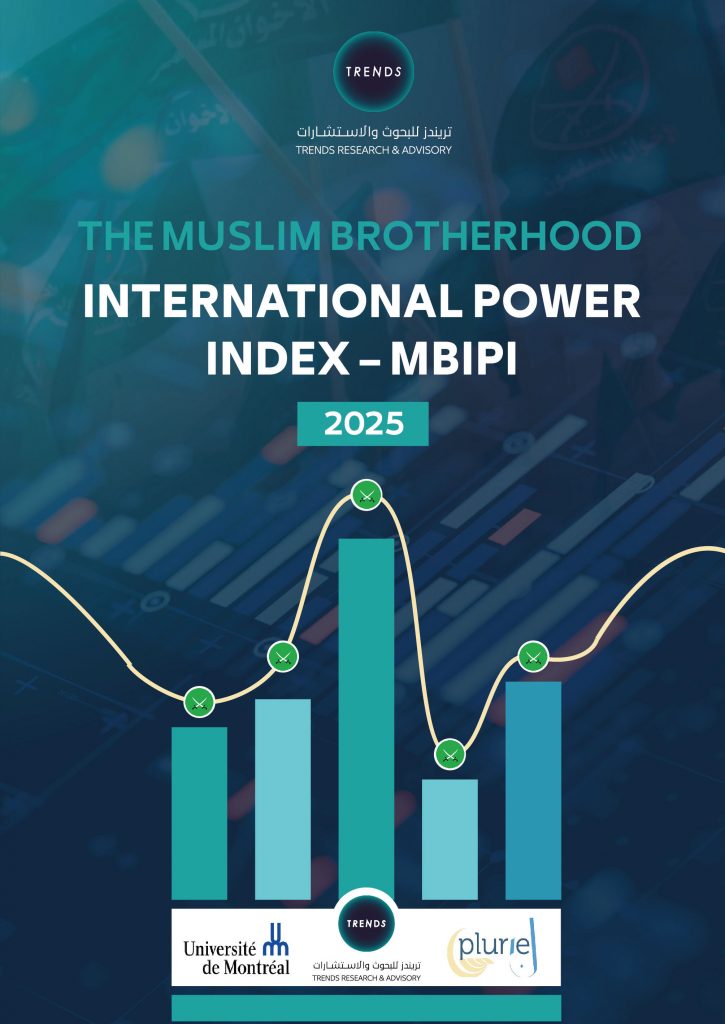
The Muslim Brotherhood International Power Index (MBIPI) 2025
Published in February 2026 by TRENDS Research & Advisory (Abu Dhabi), The Muslim Brotherhood International Power Index (MBIPI) 2025 offers the first systematic, global measurement of the Brothe...
videos
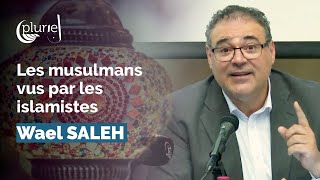
The representation of non-Islamist Muslims in Sunni Islamist discourse
Full lecture title : 'The representation of non-Islamist Muslims in Sunni Islamist discourse: an intra-religious otherness?' In what ways do non-Brother Muslims (especially secular, liberal and ...

videos
From Applied Islamology to Applied Islamismology
Lecture given on 14 October 2021 at the Catholic University of Lyon during the conference "Radicalisation leading to violence in the name of Islam, Epistemological, methodological and ethical appro...
article
Studies of radicalization leading to violence in the name of Islam: mapping theoretical actors to better understand epistemological and ethical issues
Original title : "Les études de la radicalisation menant à la violence au nom de l’islam : cartographier les acteurs théoriques pour mieux comprendre les enjeux épistémologiques et éthiques" Abs...

videos
Belonging(s) and territory(s) to the prism of religiosity (al-tadayyun) in current Arab-Muslim thought
Lecture by Wael SALEH, at the second International Congress of PLURIEL in Rome. As Syrian thinker Burhan Ghalioun [1] French historian Dominique Avon [2], Moroccan philosopher Abd al-Ila h Balqazi...
publication
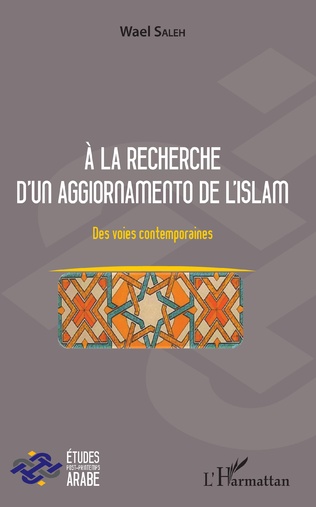
In search of an aggiornamento of Islam. Contemporary approaches
Can the upheavals in the Arab-Muslim world lead to an aggiornamento regulating the link between religion and politics and making it possible to live better together in peace? To answer this questio...
Resources related to Citizenship
article
Wael Saleh: “Recognising Without Confining, to Better ‘De-other’ the Public Debate”
- Wael Saleh
In an op-ed published on 20 July 2026 by Le Devoir, Wael Saleh, a member of the scientific committee of Pluriel, puts forward a new concept for contemporary democratic debate: "de-othering" (in Fre...
article
Muslim worship in France: is the State-led reorganization underway?
- Mohamed-Ali Mostfa
In this article published on February 26, 2025, on The Conversation, Ali Mostfa analyzes the evolution of the Forum of Islam in France (Forif), created in 2022 to replace the French Council of Musl...

videos
Islam in Europe or European Islam?
In this conference given on January 30, 2025, at PISAI (Pontifical Institute for Arabic and Islamic Studies) in Rome, political scientist Olivier Roy offers an in-depth analysis of the Muslim prese...
publication
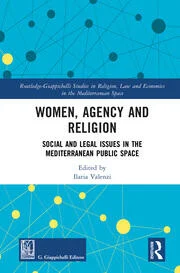
Women, Agency and Religion: Social and Legal Issues in the Mediterranean Public Space
- Leïla Tauil
On the two Mediterranean shores, women’s agency is articulated by new social and legal actors who face the religious factor both as an asset and as a hindrance. This book explores how female ...
article
The Abu Dhabi Document: A Potential Cornerstone for Islamic-Christian Dialogue in Italian Educational Contexts
- Antonio Cuciniello
In Italy, the migratory phenomenon has also had an impact on the school system, becoming an interesting potential field for intercultural and inter-religious encounters. As regards, for instance, t...

videos
Christian Thought, Muslim Thought and Societal Issues: Launch of the “Theologies in Dialogue” Chair
- Mohammad Ali Amir-Moezzi
- Michel Younès
On Wednesday, September 25, 2024, this inaugural conference presents a new chair entitled "Theologies in Dialogue" at the Faculty of Theology of the Catholic University of Lyon. The speakers, Miche...

videos
Cosmopolitanism and minority rights: going beyond the protection of ethnoreligious minorities in the Middle East
- Hélène Rey
This communication challenges traditional approaches to ethnoreligious diversity in the Middle East, arguing that the focus on "protecting minority rights" is inadequate. It demonstrates how these ...
videos
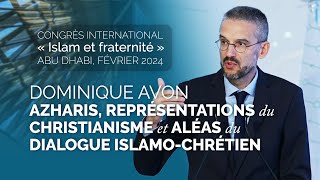
Azharis, Representations of Christianity, and the Vagaries of Islamic-Christian Dialogue (1930s-2020s)
- Dominique Avon
Dominique Avon, Director of Studies at the École pratique des hautes études, traces the evolution of the discourse of the ulama of al-Azhar on Christianity since the 1930s. Confronted with the colo...