

French

Fighting for the Cause of God: Vice or Virtue? Views of ŠIHĀB AL–DĪN AL–QARĀFĪ (d. 1285)
Original title : “Se battre pour la cause de Dieu : vice ou vertu ? Vues de ŠIHĀB AL–DĪN AL–QARĀFĪ (m. 1285)”
ABSTRACT: This article discusses the views of the Cairene jurist Šihāb al–Dīn al–Qarāfī (d. 1285) of the moral-ity of fighting for God’s cause, as expressed in his work al–Aǧwiba al–fāḫira ‘an al–as’ila al–fāǧira (Splendid Replies to Insolent Questions). This book is among the most extensive and important medievalMuslim refutations of Christianity composed in response to a popular apology for Christianity written bythe Melkite Bishop of Sidon, Paul of Antioch, around the year 1200. Although Paul remained silent on theissue of the spread of Islam through military conquest, al–Qarāfī still felt the need to address the question,aware of the popularity of this argument in Christian polemics against Islam. Al–Qarāfī also raised the is-sue of religious warfare in connection with his defence of the universality of Muḥammad’s prophethood,this in reply to Paul’s contention that Muḥammad was sent exclusively to the Arab pagans of his time.From his treatment of the subject, it becomes clear that al–Qarāfī conceives Muḥammad’s military cam-paigns as religiously driven, an expression of his fight against error and unbelief
Résumé
Cet article discute les vues du juriste cairote Šihāb al–Dīn al–Qarāfī (m. 1285) sur la moralité du combat pour la cause de Dieu telles qu’il les exprime dans son œuvre al–Aǧwiba al–fāḫira ‘an al–as’ila al–fāǧira (Splendides réponses à des questions insolentes). Ce livre est une des plus importantes et des plus complètes réfutations médiévales musulmanes du christianisme. Elle a été composée en réponse à une apologie du christianisme écrite par l’évêque melkite de Sidon, Paul d’Antioche, aux environs de l’an 1200. Bien que l’évêque Paul n’ait rien dit sur la question de l’expansion de l’Islam par conquête militaire, al–Qarāfī a cependant senti le besoin de soulever la question, conscient qu’il était de la popularité de cet argument dans la polémique chrétienne contre l’Islam. Al–Qarāfī a aussi soulevé la question du combat pour la cause de Dieu en relation à sa défense de l’universalité de la mission prophétique de Muḥammad, cela en réponse à l’évêque Paul présentant Muḥammad comme exclusivement envoyé aux Arabes païens de son temps. À la façon dont il traite le sujet, il apparait clairement qu’al–Qarāfī envisage les campagnes militaires de Muḥammad comme religieusement inspirées et comme une expression de sa lutte contre l’erreur et l’incroyance.
 Download PDF

Resources of this researcher
videos
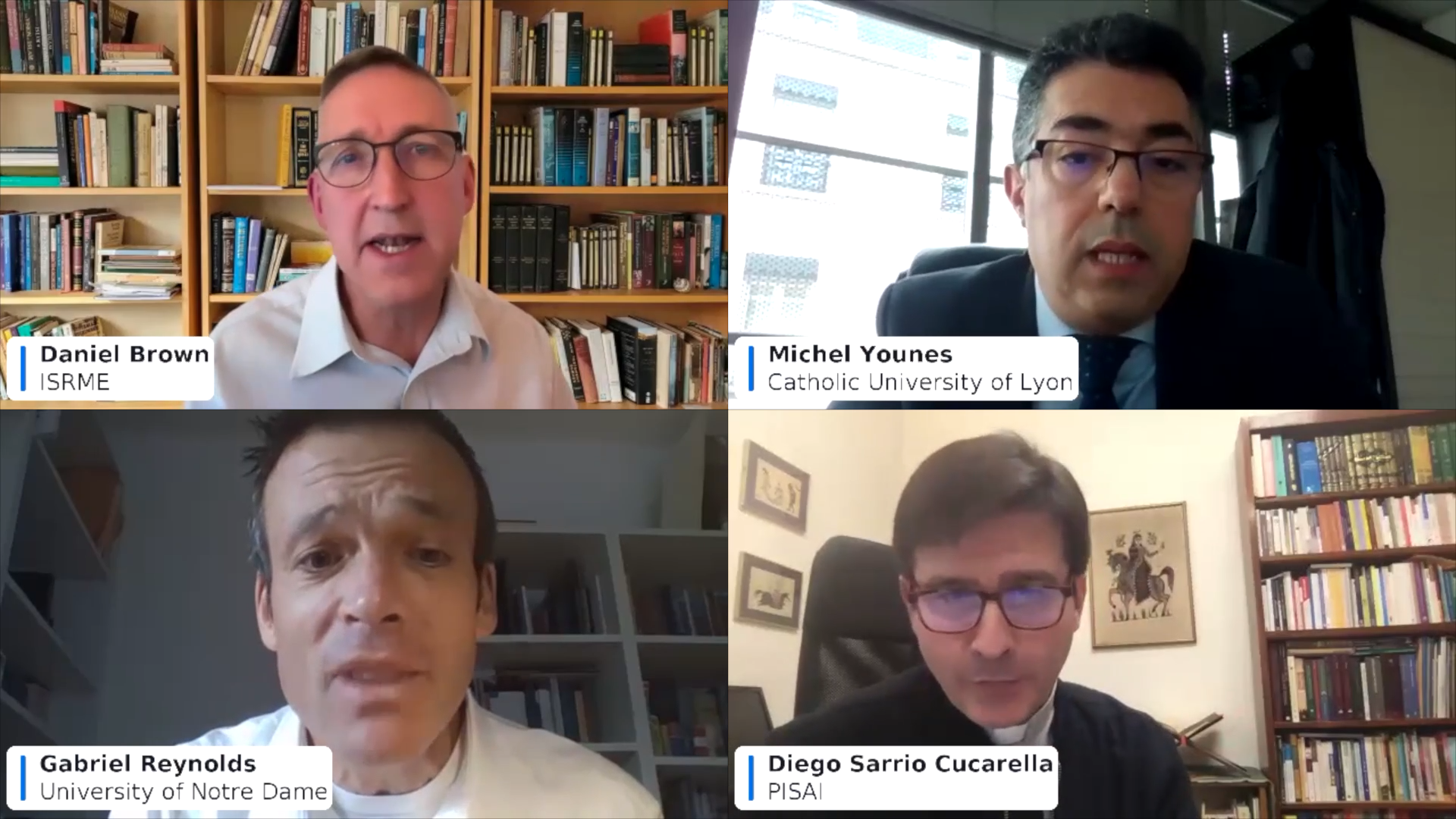
Online Symposium: Islamic Origins & Christian Theological Engagement with Islam
Panelists David Marshall, University of Bern (Moderator), Guest Editor of Islamochristiana Martin Accad, Arab Baptist Theological Seminary Daniel Brown, ISRME Diego Sarrio Cucarella, PISAI Sa...
publication
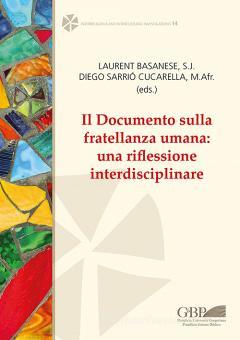
The document on human fraternity: an interdisciplinary reflection
The volume, published in the series “Interreligious and Intercultural Investigations” (No. 14), brings together contributions from ten international scholars on the Document on Human Fr...
article
Lavigerie and Islam, an ambiguous legacy
In a recent article on the contribution of the White Fathers to the renewal of Catholic attitudes towards Islam, Rémi Caucanas rightly notes that their founder’s legacy “was not without ambiguity”...
article
Corresponding across Religious Borders: The Letter of al-Qūṭī
Summary : This article provides an introduction to the Letter of al-Qūṭī, a short anti-Islamic polemic in Arabic purportedly written by an unknown priest active in Toledo in the mid-1...
publication
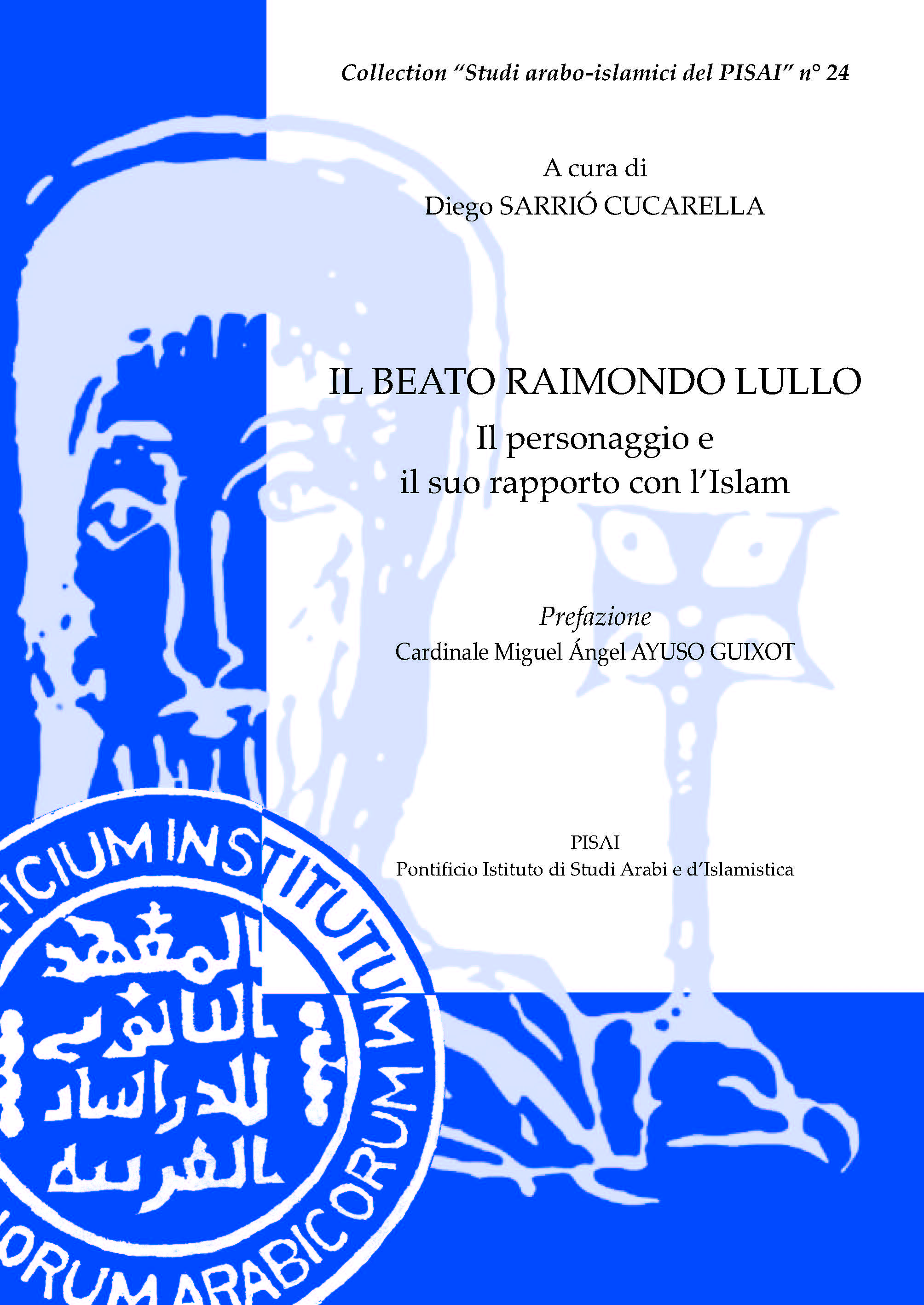
Blessed Ramon Llull: the character and his relationship with Islam
The PISAI is pleased to announce the publication of the book Il beato Raimondo Lullo: il personaggio e il suo rapporto con l’Islam (Roma 2021), edited by Professor Diego Sarrió Cucarella, MAf...
article
‘On how to discern the truth of religion’, by Hunayn b. Isḥāq. The impersonal recension
Abstract This article contributes to the study of Christian Arabic literature by providing an introduction and English translation of the treatise entitled Kayfiyyat idrāk ḥaqīqat al-diyāna, ‘On...
publication
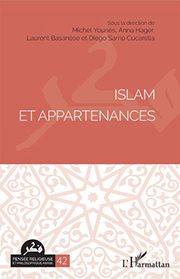
Islam and Belonging. Proceedings of the PLURIEL 2nd International Congress
After its first international congress in Lyon from 6 to 9 September 2016 on the theme “Islam in the Plural: Faith, Thought, Society”[1], the current study brings together the proceedin...
article
Medieval Muslim Polemics against the Christian Creed : The Critique of ṢĀLIḤ B. AL-ḤUSAYN AL-ǦA‘FARĪ (D. 668/1270)
Abstract After introducing Ṣāliḥ b. al-Ḥusayn al-Ǧa‘farī (d. 668/1270), the Egyptian Muslim author of an important work of anti-Christian polemic entitled Taḫǧīl man ḥarrafa al-Tawrāh wa-l-Inǧīl...
article
Corresponding across Religious Borders. The Letter of Ibn Taymiyya to a Crusader in Cyprus
SUMMARY: Presentation of Taqī al–dīn Aḥmad ibn Taymiyya‘s Al–risāla al–qubruṣiyya, a letter written to a crusader baron in Cyprus, probably John II of Giblet, sometime between early 1303 and mid–13...
Resources related to Violence and religion
videos
“War and peace”, by Adrien Candiard
On Wednesday 20 May 2026, the Dominican Institute for Oriental Studies (IDEO) hosted in Cairo a lecture by Brother Adrien Candiard, Dominican and Islamologist, on the theme "War and peace". Faced w...
videos
Interreligious Dialogue and Ethnic Nationalisms in the Balkans
At the invitation of PISAI (Pontifical Institute for Arabic and Islamic Studies, Rome) and Georgetown University, Ahmet Alibašić, professor of Islamic civilization at the Faculty of Islamic Studies...
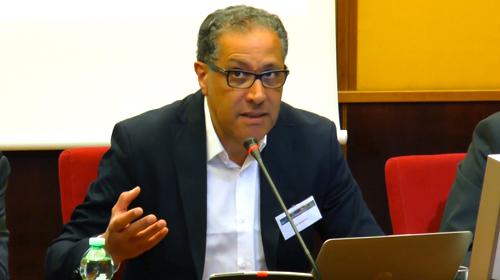
article
The grammar of sacred violence: A critical discourse analysis of radical Islamist writings
- Mohamed-Ali Mostfa
This article offers a discursive analysis of two contemporary Islamist texts that present violence not as a deviation from religious normativity, but as its necessary, even redemptive expression. I...
publication
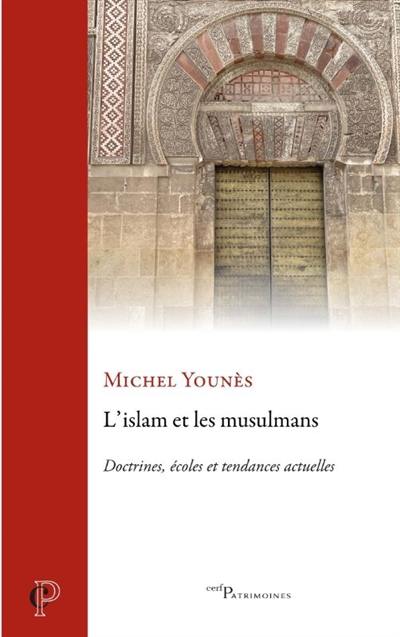
Islam and Muslims. Doctrines, Schools of Thought, and Current Trends
- Michel Younès
Publication date: April 16, 2026. Islam, as a historical, religious, and civilizational reality, is difficult to define. It can be perceived as a form of political governance, an expression of fait...

videos
The Carnival of the Malês: signs of an ethics of Muslim resistance
Paper presented at the fifth international congress of the University Platform for Research on Islam (Pluriel), held in Cordoba from 10 to 14 February 2026 on the theme "Ethics and Aesthetics in Is...
publication
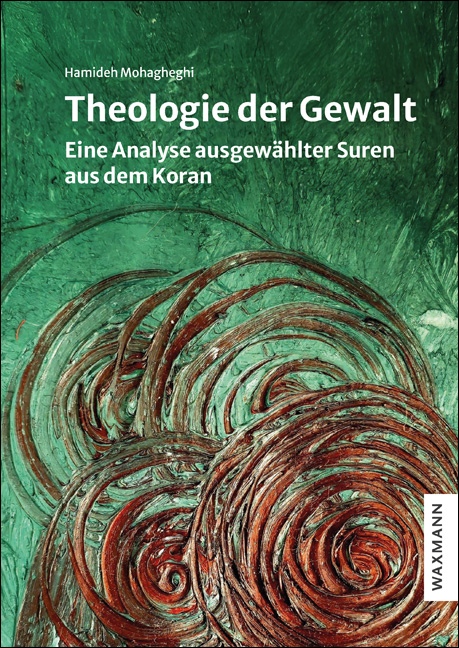
A Theology of Violence: An Analysis of Selected Surahs from the Qur’an
- Hamideh Mohagheghi
Published as Theologie der Gewalt. Eine Analyse ausgewählter Suren aus dem Koran (Münster: Waxmann, 2026), this book by Hamideh Mohagheghi is the published version of her doctoral thesis (defended ...

publication
God Is with Us: How Islam and Judaism Justify Violence
- Haoues Seniguer
Long before October 7, 2023—and even more so since—certain politicized strands of Judaism and Islam have been creating conditions that legitimize, escalate, and sacralize violence in God’s na...

article
Expulsion of the ‘Turk’: Contextualising Islamophobia in the Balkans, the Case of Bosnia and Herzegovina
- Anja Zalta
An article by Anja Zalta published in Intellectual Discourse (vol. 33, special issue, 2025).The author analyses the rise of Islamophobia in the Balkans, particularly in Bosnia and Herzegovina. She ...