
Référence :
Cahiers de recherche en politique appliquée, Vol. VII, Numéro 2, Automne 2019
Rédactrice en chef : Mme Eugénie Dostie-Goulet, Ph.D.
Éditeur : École de politique appliquée
ISSN (électronique) : 1921-7803

French

Studies of radicalization leading to violence in the name of Islam: mapping theoretical actors to better understand epistemological and ethical issues
Original title : “Les études de la radicalisation menant à la violence au nom de l’islam : cartographier les acteurs théoriques pour mieux comprendre les enjeux épistémologiques et éthiques”
Abstract
Can inciting violence or providing it with ideological, religious or theoretical legitimation justifying or trivializing it be considered a violent action? According to Austin’s theory of language acts, to say, by means of so-called “performative” statements, is to do. According to this problem and hypothesis, this article seeks, in the first place, to map the epistemologies underlying the different theoretical approaches; to understand, in the second place, in what ways the respective theoretical and epistemological positions are translated into methodological practices and knowledge production; to identify, in the third place, some epistemological and ethical issues that confront the studies of radicalization leading to violence in the name of Islam as we can call the “laundering of violence”; and to develop, in the last place, a more conscious and committed epistemological position. To achieve these objectives, the methodological approach used in this research consists of two components:
- a thorough literature search of the theoretical writings and principal interventions of researchers-theorists who have worked over the past fifty years on radicalization leading to violence in the name of Islam (in French, English and Arabic);
- an analysis of the discourses of these most influential works and interventions in the field of Islamic studies.
Résumé
Inciter à la violence ou lui fournir une légitimation idéologique, religieuse ou théorique la justifiant ou la banalisant peut-il être considéré comme une action violente ? Selon la théorie des actes de langage d’Austin, dire, par le biais d’énoncés dits “performatifs”, c’est faire. Selon cette problématique et cette hypothèse, cet article cherche, en premier lieu, à cartographier les épistémologies sous-jacentes aux différentes approches théoriques ; à comprendre, en deuxième lieu, de quelles manières les positions théoriques et épistémologiques respectives se traduisent dans les pratiques méthodologiques et les productions de savoirs ; à identifier, en troisième lieu, quelques enjeux épistémologiques et éthiques qu’affrontent les études de la radicalisation menant à la violence au nom de l’islam tel que nous pouvons appeler le “blanchiment de violence” ; et à développer, en dernier lieu, une position épistémologique plus consciente et plus assumée. Pour atteindre ces objectifs, l’approche méthodologique utilisée dans le cadre de cette recherche est constituée de deux volets :
- une recherche documentaire fouillée des écrits théoriques et interventions principales de chercheurs-théoriciens ayant travaillé au cours des cinquante dernières années sur la radicalisation menant à la violence au nom de l’islam (en langues française, anglaise et arabe) ;
- une analyse de discours de ces travaux et interventions les plus influents dans le domaine des études islamiques.
هل يمكن اعتبار التحريض على العنف أو إضفاء الشرعية الإيديولوجية أو الدينية أو النظرية عليه بغية تبريره أو التقليل من شأنه، عملاً عنيفًا؟ وفقًا لنظرية أفعال اللغة التي وضعها الفيلسفوف أوستين، إنّ القولَ من خلال ما يُسمَّى بالألفاظ “التعبيرية” يعني إنجاز الفعل. يستندُ المقال إلى هذه الإشكالية والفرضية، فيسعى أولاً إلى تصنيف المعرفة العلمية التي تقوم عليها المناهج النظرية المختلفة؛ وثانياً إلى فهم الطرائق التي تُترجم من خلالها المواقف النظرية والمعرفية في الممارسات المنهجية وإنتاج المعرفة؛ وثالثًا، إلى تحديد بعض التحدّيات المعرفية والأخلاقية التي تواجهها دراسات التطرّف المؤدّي إلى العنف باسم الإسلام أو ما يُطلق عليه تسمية “تبييض العنف”؛ وأخيراً إلى توليد موقف معرفي أكثر وعيًا وترسّخاً. كي يحقّقَ المقال أهدافه هذه تبنّى البحثُ مقاربةً منهجيّةً تتألّف من عنصرَين:
بحث وثائقي أو ببليوغرافي معمّق في الكتابات النظرية والمداخلات الرئيسة لباحثين -منظّرين عملوا على مدى السنوات الخمسين الماضية على التطرّف المؤدّي إلى العنف باسم الإسلام (بالفرنسية والإنجليزية والعربية) ؛
وتحليل الخطاب المستخدم في هذه الأعمال والمداخلات الأكثر تأثيراً في مجال الدراسات الإسلامية.


Resources of this researcher

article
Leo XIV’s encyclical Magnifica Humanitas and the Pluriel working group on AI-assisted interreligious dialogue
Text by Wael Saleh, researcher at the Université du Québec à Montréal (UQAM) and member of the Pluriel coordination committee. The simultaneous appearance of Leo XIV's encyclical Magnifica Human...
article
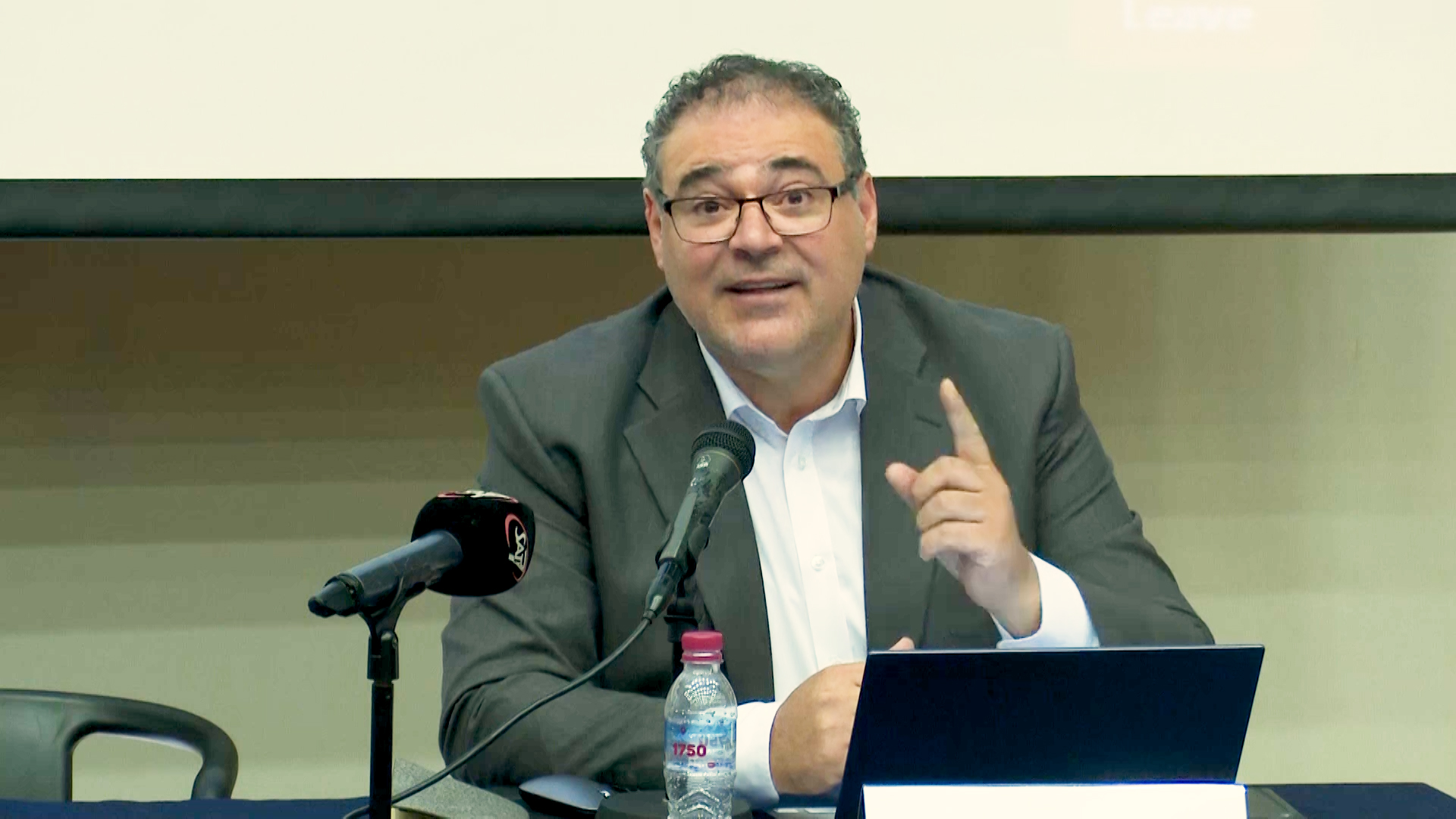
Beyond Representation: Systemic Epistemic Alterity and the Architecture of Knowledge in the Contemporary Academy
In this article, published in two parts by Social Epistemology Review and Reply Collective (SERRC), Wael Saleh, a researcher at the University of Quebec in Montreal (UQAM) and a member of Pluriel's...
publication
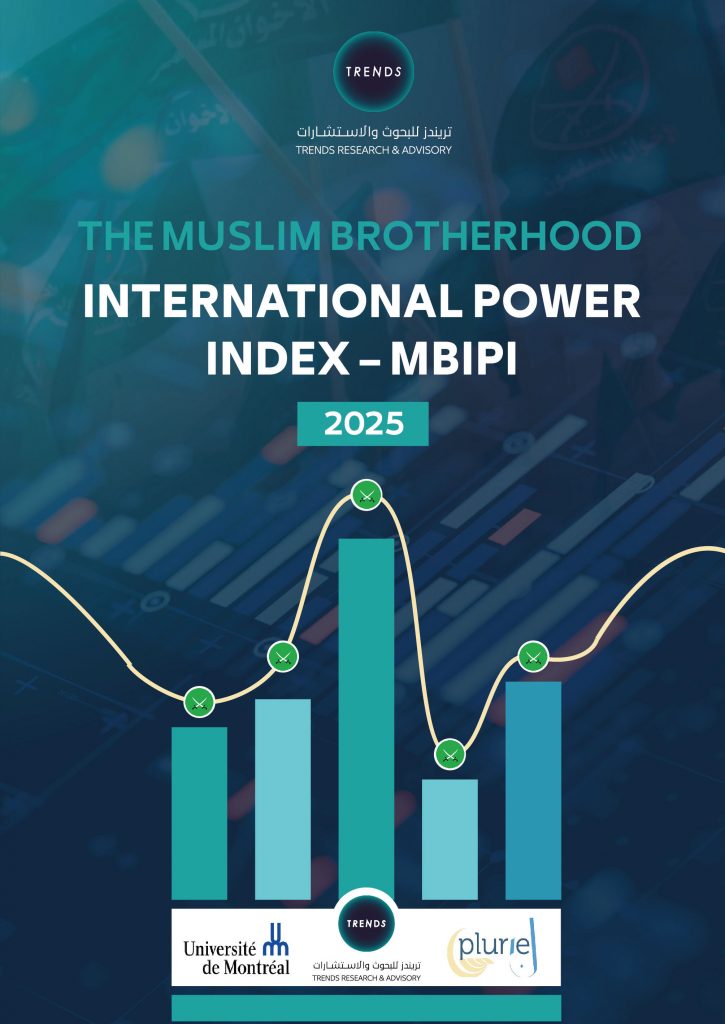
The Muslim Brotherhood International Power Index (MBIPI) 2025
Published in February 2026 by TRENDS Research & Advisory (Abu Dhabi), The Muslim Brotherhood International Power Index (MBIPI) 2025 offers the first systematic, global measurement of the Brothe...
videos
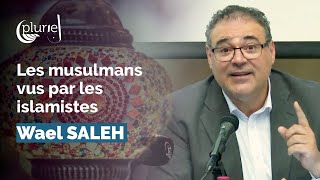
The representation of non-Islamist Muslims in Sunni Islamist discourse
Full lecture title : 'The representation of non-Islamist Muslims in Sunni Islamist discourse: an intra-religious otherness?' In what ways do non-Brother Muslims (especially secular, liberal and ...

videos
From Applied Islamology to Applied Islamismology
Lecture given on 14 October 2021 at the Catholic University of Lyon during the conference "Radicalisation leading to violence in the name of Islam, Epistemological, methodological and ethical appro...
article
Studies of radicalization leading to violence in the name of Islam: mapping theoretical actors to better understand epistemological and ethical issues
Original title : "Les études de la radicalisation menant à la violence au nom de l’islam : cartographier les acteurs théoriques pour mieux comprendre les enjeux épistémologiques et éthiques" Abs...

videos
Belonging(s) and territory(s) to the prism of religiosity (al-tadayyun) in current Arab-Muslim thought
Lecture by Wael SALEH, at the second International Congress of PLURIEL in Rome. As Syrian thinker Burhan Ghalioun [1] French historian Dominique Avon [2], Moroccan philosopher Abd al-Ila h Balqazi...
publication
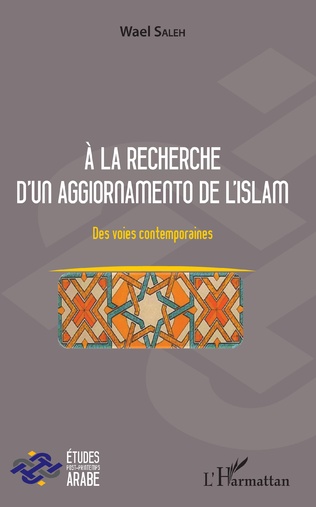
In search of an aggiornamento of Islam. Contemporary approaches
Can the upheavals in the Arab-Muslim world lead to an aggiornamento regulating the link between religion and politics and making it possible to live better together in peace? To answer this questio...
Resources related to Violence and religion
publication
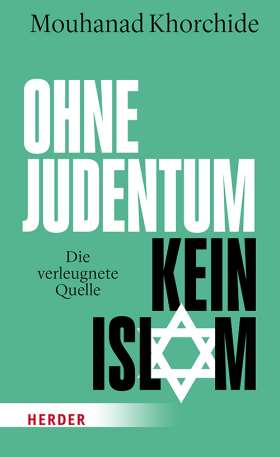
Without Judaism, No Islam. The Denied Source
- Mouhanad Khorchide
Published under the original title Ohne Judentum kein Islam. Die verleugnete Quelle, with the subtitle Die Wurzeln des muslimischen Antisemitismus. Eine aktuelle Analyse (“The Roots of Muslim...
videos
“War and peace”, by Adrien Candiard
On Wednesday 20 May 2026, the Dominican Institute for Oriental Studies (IDEO) hosted in Cairo a lecture by Brother Adrien Candiard, Dominican and Islamologist, on the theme "War and peace". Faced w...
videos
Interreligious Dialogue and Ethnic Nationalisms in the Balkans
At the invitation of PISAI (Pontifical Institute for Arabic and Islamic Studies, Rome) and Georgetown University, Ahmet Alibašić, professor of Islamic civilization at the Faculty of Islamic Studies...
article
The grammar of sacred violence: A critical discourse analysis of radical Islamist writings
- Mohamed-Ali Mostfa
This article offers a discursive analysis of two contemporary Islamist texts that present violence not as a deviation from religious normativity, but as its necessary, even redemptive expression. I...
publication
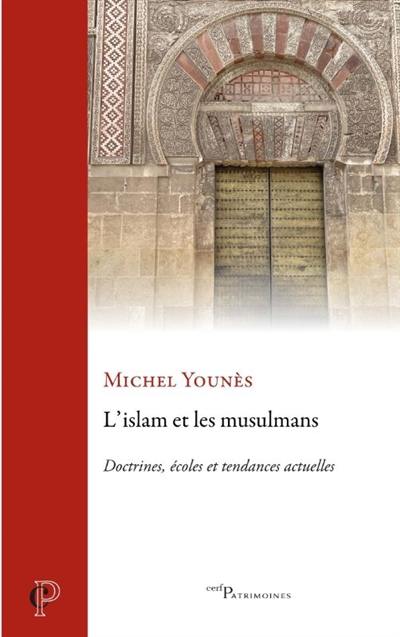
Islam and Muslims. Doctrines, Schools of Thought, and Current Trends
- Michel Younès
Publication date: April 16, 2026. Islam, as a historical, religious, and civilizational reality, is difficult to define. It can be perceived as a form of political governance, an expression of fait...

videos
The Carnival of the Malês: signs of an ethics of Muslim resistance
Paper presented at the fifth international congress of the University Platform for Research on Islam (Pluriel), held in Cordoba from 10 to 14 February 2026 on the theme "Ethics and Aesthetics in Is...
publication
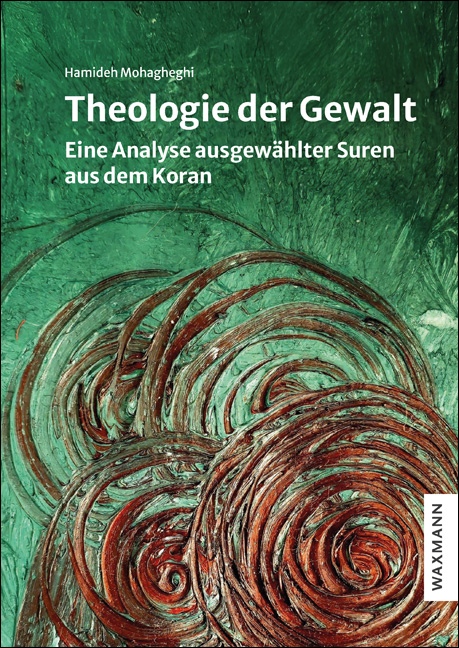
A Theology of Violence: An Analysis of Selected Surahs from the Qur’an
- Hamideh Mohagheghi
Published as Theologie der Gewalt. Eine Analyse ausgewählter Suren aus dem Koran (Münster: Waxmann, 2026), this book by Hamideh Mohagheghi is the published version of her doctoral thesis (defended ...
publication
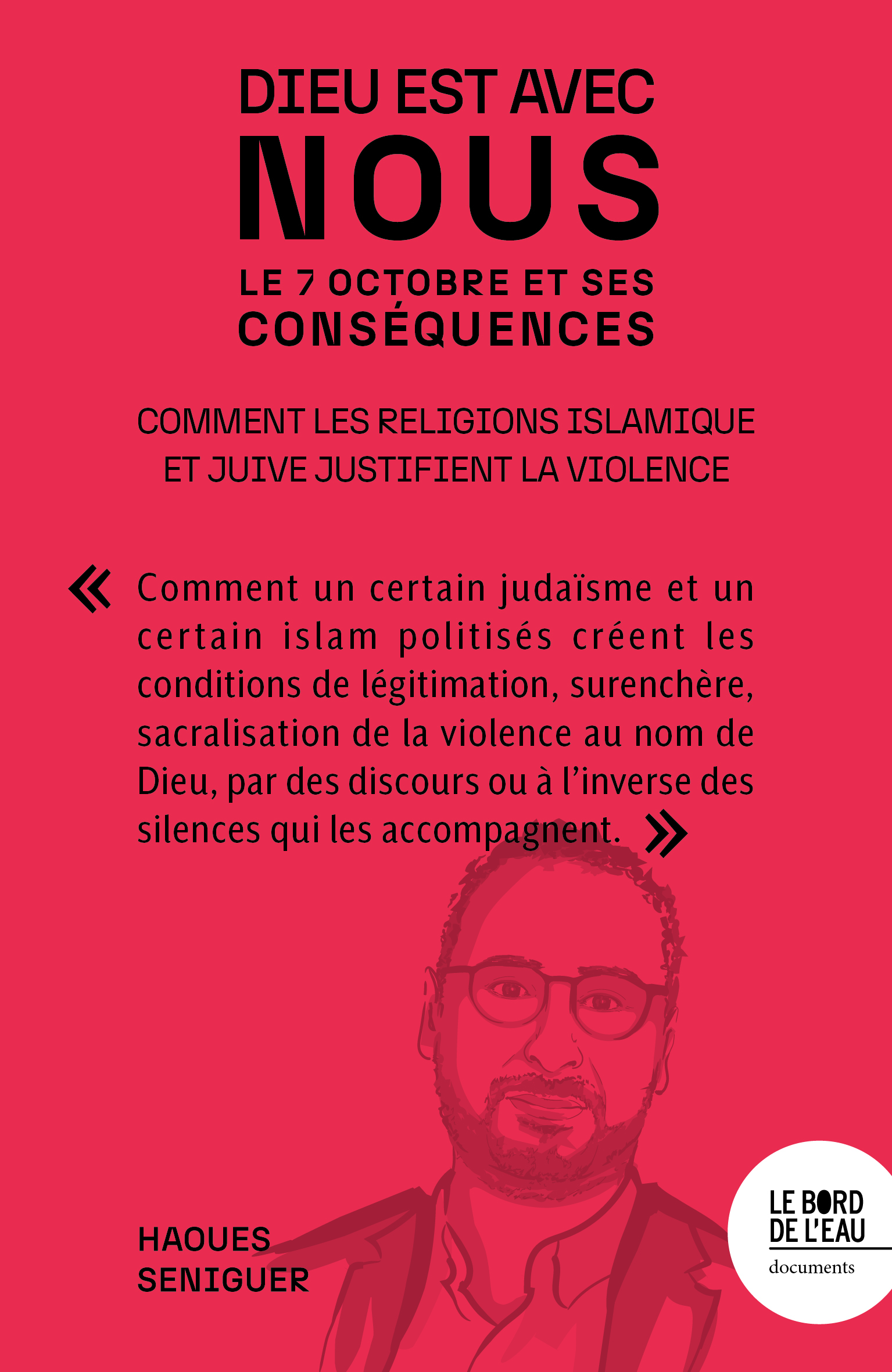
God Is with Us: How Islam and Judaism Justify Violence
- Haoues Seniguer
Long before October 7, 2023—and even more so since—certain politicized strands of Judaism and Islam have been creating conditions that legitimize, escalate, and sacralize violence in God’s na...