
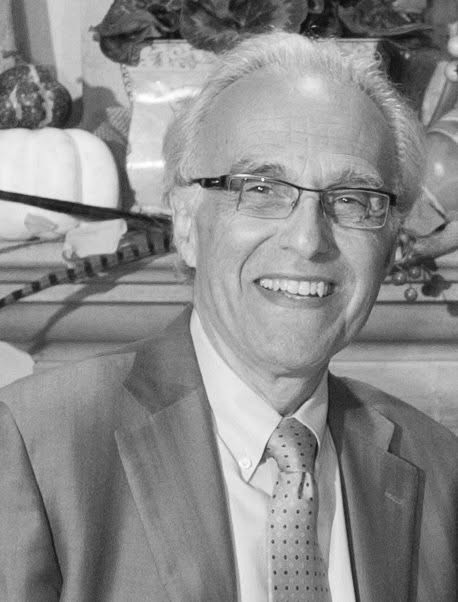
In Memoriam: John L. Esposito (1940-2026)
The scholar of Islam John L. Esposito passed away on 15 July 2026 in Philadelphia, at the age of 86. A leading figure in the study of Islam and in the relationship between religion and international affairs, he was one of the great voices of dialogue between the Muslim and Christian worlds.
Alberto Priego, a member of Pluriel and professor of international relations at the Comillas Pontifical University (Madrid), who hosted and interviewed him in 2018, pays tribute to him: “He was a teacher, within and beyond the university, and above all he always sought to enable people to understand one another, regardless of how they prayed to God.”
Born in 1940 in Brooklyn, into an Italian-American Catholic family, John L. Esposito taught for nearly twenty years at the College of the Holy Cross (Massachusetts), where he chaired the Department of Religious Studies, before joining Georgetown University in 1993. There he became University Professor and Professor of Religion, International Affairs and Islamic Studies at the Walsh School of Foreign Service. He founded the Prince Alwaleed Bin Talal Center for Muslim-Christian Understanding (ACMCU) and, later, The Bridge Initiative, a research project devoted to protecting pluralism and ending Islamophobia. He served as president of the Middle East Studies Association of North America and of the American Academy of Religion, and received seven honorary doctorates.
His work helped to define and shape the modern study of Muslim societies. The author of more than fifty-five books, translated into many languages, and of over a hundred scholarly articles, he served as editor-in-chief of Oxford University Press’s major encyclopedias of Islam and founded Oxford Islamic Studies Online. Against readings framed in terms of a “clash of civilizations,” he championed an empirical, nuanced approach to Islam and Muslims, attentive to the diversity of societies and grounded in large-scale opinion surveys. An influential public voice, particularly after 11 September 2001, he mentored generations of scholars and worked for mutual understanding between Christians and Muslims.
John L. Esposito was among the researchers listed by Pluriel. In 2018, on the occasion of his honorary doctorate in international relations at Comillas, he gave an interview to Alberto Priego, in which he set out his approach and his view of contemporary challenges.
True to an approach grounded in fieldwork across the Muslim world, he recalled: “Over the years I’ve traveled in much of the Muslim world, in the Middle East, North Africa, South and Southeast Asia. When we did the Gallup World Poll over a number of years, looking at 35 Muslim countries, what you see is, however different their governments are, in general, majorities of Muslims want democratization, want the kinds of freedoms and liberties that we in the West enjoy.”
Attentive to the tensions of the time, he placed pluralism at the heart of the challenges: “The big challenge that we face, both politically and religiously, globally, is the challenge of political and religious pluralism. Our countries are becoming more multi-religious, more multi-ethnic; and diversity does not necessarily mean that it’s a threat or a problem. It actually can enrich a country.”
Among his best-known books are Islam: The Straight Path, The Islamic Threat: Myth or Reality? and Who Speaks for Islam? He leaves behind a considerable body of work and the memory of a bridge-builder. Pluriel joins in the tribute paid to his memory.
Le spécialiste de l’islam John L. Esposito est décédé le 15 juillet 2026 à Philadelphie, à l’âge de 86 ans. Figure majeure de l’étude de l’islam et des relations entre religion et affaires internationales, il fut l’une des grandes voix du dialogue entre les mondes musulman et chrétien.
Alberto Priego, membre de Pluriel et professeur de relations internationales à l’Université pontificale de Comillas (Madrid), qui l’avait reçu et interrogé en 2018, lui rend hommage : « Il fut un maître, dans et hors de l’université, et surtout il a toujours cherché à ce que les personnes puissent se comprendre, indépendamment de la manière dont elles priaient Dieu. »
Né en 1940 à Brooklyn, dans une famille catholique d’origine italienne, John L. Esposito enseigna près de vingt ans au College of the Holy Cross (Massachusetts), où il dirigea le département d’études religieuses, avant de rejoindre l’université de Georgetown en 1993. Il y devint University Professor et professeur de religion, d’affaires internationales et d’études islamiques à la Walsh School of Foreign Service. Il y fonda le Centre Alwaleed Bin Talal pour la compréhension islamo-chrétienne (ACMCU), puis la Bridge Initiative, programme de recherche consacré à la défense du pluralisme et à la lutte contre l’islamophobie. Il présida la Middle East Studies Association of North America (association nord-américaine d’études sur le Moyen-Orient) et l’American Academy of Religion (Académie américaine de la religion), et reçut sept doctorats honoris causa.
Son œuvre a contribué à définir et à façonner l’étude contemporaine des sociétés musulmanes. Auteur de plus de cinquante-cinq ouvrages traduits en de nombreuses langues et de plus d’une centaine d’articles scientifiques, il dirigea les grandes encyclopédies de l’islam d’Oxford University Press et fonda la base Oxford Islamic Studies Online. À rebours des lectures en termes de « choc des civilisations », il défendit une approche empirique et nuancée de l’islam et des musulmans, attentive à la diversité des sociétés et adossée à de vastes enquêtes d’opinion. Voix publique influente, en particulier après le 11 septembre 2001, il forma des générations de chercheurs et œuvra à la connaissance mutuelle entre chrétiens et musulmans.
John L. Esposito figurait parmi les chercheurs référencés par Pluriel. En 2018, à l’occasion de sa distinction comme docteur honoris causa en relations internationales à Comillas, il avait accordé un entretien à Alberto Priego (en anglais), dans lequel il exposait son approche et son regard sur les défis contemporains.
Fidèle à une démarche nourrie d’enquêtes de terrain à l’échelle du monde musulman, il y rappelait : « Au fil des années, j’ai parcouru une grande partie du monde musulman, au Moyen-Orient, en Afrique du Nord, en Asie du Sud et du Sud-Est. Lorsque nous avons mené le Gallup World Poll sur plusieurs années, portant sur trente-cinq pays musulmans, ce que l’on observe, quelles que soient les différences entre leurs gouvernements, c’est qu’en général une large majorité de musulmans aspire à la démocratisation et aux libertés dont nous jouissons en Occident. »
Attentif aux tensions de l’époque, il plaçait le pluralisme au cœur des enjeux : « Le grand défi auquel nous sommes confrontés, politiquement et religieusement, à l’échelle mondiale, est celui du pluralisme politique et religieux. Nos pays deviennent plus multireligieux, plus multiethniques ; or la diversité ne signifie pas nécessairement une menace ou un problème : elle peut au contraire enrichir un pays. »
Parmi ses ouvrages les plus connus figurent Islam: The Straight Path, The Islamic Threat: Myth or Reality? et Who Speaks for Islam?. Il laisse une œuvre considérable et le souvenir d’un bâtisseur de ponts. Pluriel s’associe à l’hommage rendu à sa mémoire.
رحل المتخصّص في دراسة الإسلام جون ل. إسبوزيتو في 15 يوليو 2026 بمدينة فيلادلفيا، عن عمرٍ ناهز السادسة والثمانين. كان من كبار الباحثين في دراسة الإسلام وفي العلاقة بين الدين والشؤون الدولية، وأحد أبرز أصوات الحوار بين العالمَين الإسلامي والمسيحي.
ويرثيه ألبرتو برييغو، عضو المنصة الجامعية للدراسات حول الإسلام (Pluriel) وأستاذ العلاقات الدولية في جامعة كوميّاس البابوية بمدريد، الذي استضافه وأجرى معه حوارًا سنة 2018، بقوله: «كان معلّمًا، داخل الجامعة وخارجها، وسعى قبل كل شيء إلى أن يتمكّن الناس من التفاهم فيما بينهم، أيًّا كانت الطريقة التي يصلّون بها لله.»
وُلد إسبوزيتو سنة 1940 في بروكلين، في أسرة كاثوليكية من أصل إيطالي. درّس نحو عشرين عامًا في كلية الصليب المقدّس (ماساتشوستس)، حيث ترأّس قسم الدراسات الدينية، قبل انضمامه إلى جامعة جورجتاون سنة 1993. وهناك أصبح أستاذًا جامعيًا وأستاذًا للدين والشؤون الدولية والدراسات الإسلامية في كلية والش للخدمة الخارجية. وأسّس مركز الوليد بن طلال للتفاهم الإسلامي المسيحي (ACMCU)، ثم مبادرة الجسر المكرّسة للدفاع عن التعددية ومواجهة رهاب الإسلام. وتولّى رئاسة جمعية دراسات الشرق الأوسط في أمريكا الشمالية، والأكاديمية الأمريكية للأديان، ونال سبع شهادات دكتوراه فخرية.
أسهم عمله في تحديد الدراسة المعاصرة للمجتمعات المسلمة وتشكيلها. وهو مؤلّفٌ لأكثر من خمسة وخمسين كتابًا تُرجمت إلى لغاتٍ عديدة، ولأكثر من مئة مقالة علمية، وأشرف على تحرير أهمّ موسوعات الإسلام لدى مطبعة جامعة أكسفورد، وأسّس قاعدة البيانات الأكاديمية:
Oxford Islamic Studies Online
وخلافًا للقراءات القائمة على مفهوم «صدام الحضارات»، دافع عن مقاربةٍ تجريبية دقيقة للإسلام والمسلمين، تراعي تنوّع المجتمعات وتستند إلى استطلاعات رأيٍ واسعة. وبوصفه صوتًا عامًّا مؤثِّرًا، لا سيّما بعد الحادي عشر من سبتمبر 2001، ربّى أجيالًا من الباحثين، وعمل من أجل التفاهم المتبادل بين المسيحيين والمسلمين.
كان إسبوزيتو من الباحثين المُدرَجين لدى المنصة. وفي سنة 2018، بمناسبة منحه الدكتوراه الفخرية في العلاقات الدولية في كوميّاس، أجرى حوارًا مع ألبرتو برييغو عرض فيه مقاربته ورؤيته للتحديات المعاصرة.
ووفاءً لمنهجٍ يقوم على البحث الميداني في أنحاء العالم الإسلامي، كان يذكّر قائلاً: «على مدى سنوات، جُبتُ جزءًا كبيرًا من العالم الإسلامي، في الشرق الأوسط وشمال أفريقيا وجنوب آسيا وجنوب شرقها. وحين أجرينا استطلاع غالوب العالمي على مدى سنوات، شاملًا خمسة وثلاثين بلدًا مسلمًا، تبيّن أنه مهما اختلفت حكوماتها، فإن غالبية المسلمين، في العموم، تتطلّع إلى الدمقرطة وإلى الحرّيات التي ننعم بها في الغرب.»
وإذ كان منتبهًا إلى توتّرات عصره، جعل التعدّدية في صميم التحدّيات، قائلاً: «التحدّي الكبير الذي نواجهه، سياسيًا ودينيًا، على المستوى العالمي، هو تحدّي التعدّدية السياسية والدينية. فبلداننا تزداد تنوّعًا دينيًا وإثنيًا؛ والتنوّع لا يعني بالضرورة تهديدًا أو مشكلة، بل يمكن أن يُثري البلد.»
ومن أشهر مؤلّفاته:
Islam: The Straight Path
The Islamic Threat: Myth or Reality?
Who Speaks for Islam?
لقد ترك إرثًا فكريًا كبيرًا، وذكرى رجلٍ بنى الجسور. وتنضمّ المنصة إلى التحية التي تُرفع إلى ذكراه.


Resources related to Islam Studies
publication
Les Affranchis. Des dérives religieuses dans le judaïsme, le christianisme et l’islam
- Roberta Collu Moran
Les Affranchis. Des dérives religieuses dans le judaïsme, le christianisme et l’islam (Le Passeur, 2020) offers an anthropological reading of religious excesses and radicalisation within the ...
article
A Fragrant Spiritual Heritage. Some Considerations on Perfumes in Islam
- Ida Zilio-Grandi
Abstract Published in volume 20 (2025) of Quaderni di Studi Arabi, this article by Ida Zilio-Grandi (Ca' Foscari University of Venice) revisits a constant of Islamic history that has attracted r...
publication
The Virtues of the Good Muslim
- Ida Zilio-Grandi
Published in 2025 by Edizioni Ca’ Foscari in Venice, this monograph by Ida Zilio-Grandi (Ca’ Foscari University) is the augmented English translation of Le virtù del buon Musulmano, fir...
publication
Without Judaism, No Islam. The Denied Source
- Mouhanad Khorchide
Published under the original title Ohne Judentum kein Islam. Die verleugnete Quelle, with the subtitle Die Wurzeln des muslimischen Antisemitismus. Eine aktuelle Analyse (“The Roots of Muslim...

article
Literary, Semiotic and Hermeneutical Approaches to the Qur’an in the Modern Period
- Wasim Salman
Abstract In this contribution to issue 51 (Mélanges) of the journal Islamochristiana, published in Italian as Approcci letterari, semiotici ed ermeneutici al Corano nel periodo moderno, Wasim Sa...
publication
ʿAbd al-Mutaʿāl al-Ṣaʿīdī (1894-1971): A Defence of Religious Freedom
- Youssouf Sangare
Published in 2024 in the collective volume Théologies musulmanes du pluralisme religieux (ed. Emmanuel Pisani, Éditions du Cerf, proceedings of the ISTR symposium of 20-21 November 2021, pp. 65-88)...
publication
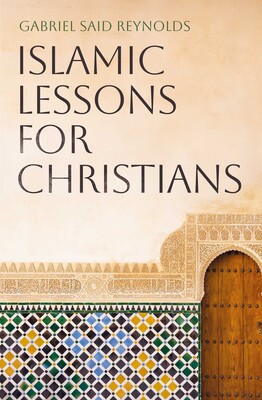
Islamic Lessons for Christians
- Gabriel Said Reynolds
Islamic Lessons for Christians (Oneworld Publications, 2026) is the latest book by Gabriel Said Reynolds, Crowley Professor of Islamic Studies and Theology at the University of Notre Dame. What, if...
article
Kenneth Cragg and the Event of the Qur’an
- Timo Güzelmansur
Article by Timo Güzelmansur published under the title Kenneth Cragg und das Ereignis des Koran on the theological portal feinschwarz.net (12 June 2026, open access). Timo Güzelmansur presents the A...