
The fatwa in Europe. Minority rights and integration issues
The growing interest in fatwâs and the different ways of regulating the overabundance of muftîs in Europe and in the world, in particular in the Arab world, has encouraged Islamologists to work on the internal evolution of Islam in the new context offered by Europe, based on the documents issued by the European Council for Fatwâ and Research. What kind of Islam emerges from these legal opinions, which are intended to guide Muslims in Europe?
Religious practice, questions about the family, the status of women, involvement in the political process, issues relating to the economy, finance or bioethics, or the way in which non-Muslims, particularly Christians, are viewed, are all aspects of burning relevance to the integration of Muslims in European societies.
But also, the presence of Muslims in Europe could have consequences on the reality of Islam as a whole, thanks to the ability to adapt from the foundations and purposes of the Law. If minority fiqh and/or minority Sharîa are not demographic but canonical concepts, will they be able to pave the way for a new approach to Law and Law, whatever the numerical situation in Europe or elsewhere?
L’effervescence autour des fatwâs et des différentes manières de réguler la surabondance des muftîs, en Europe et dans le monde, en particulier dans le monde arabe, a incité des islamologues à travailler sur les évolutions internes à l’islam dans le contexte nouveau que lui offre l’Europe, à partir des documents émis par le Conseil Européen de la Fatwâ et des Recherches. Quel islam émerge à partir de ces avis juridiques qui ont comme vocation d’orienter les musulmans en Europe ?
La pratique cultuelle, les interrogations sur la famille, la condition féminine, l’implication dans le processus politique, les problématiques relatives à l’économie, à la finance ou à la bioéthique, ou encore le regard porté sur les non-musulmans, notamment les chrétiens, autant d’aspects d’une brûlante actualité pour l’intégration des musulmans dans les sociétés européennes.
Mais aussi, la présence des musulmans en Europe pourrait avoir des conséquences sur la réalité de l’islam dans son ensemble, grâce à la capacité de s’adapter à partir des fondements et des finalités de la Loi. Si le fiqh des minorités et/ou la Sharîa de minorité ne sont pas des concepts démographiques, mais canoniques, seront-ils en mesure d’ouvrir la voie à une nouvelle approche de la Loi et du droit, quelle que soit la situation numérique en Europe ou ailleurs ?
By the same author on Pluriel
 For a Christian Theology of Religions
Michel Younès Faced with contemporary religious diversity, how can Christian theology make sense of the place that other religions occupy in God’s design? Michel Younès examines…
 Comparative Theology as a Vehicle for a New Approach to Religious Diversity?
Michel Younès Published in the special issue “Islam and Interreligious Dialogue” of the journal Laval théologique et philosophique (vol. 82, no. 1, 2026, pp. 7-25), this…
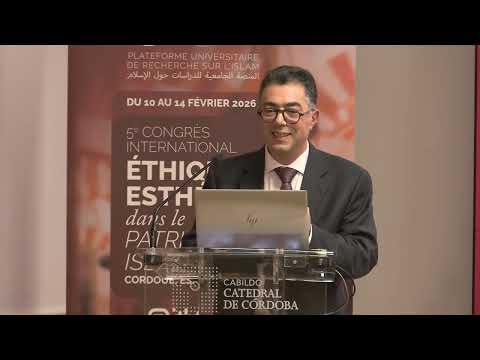 Opening address of the Cordoba congress
Michel Younès On Tuesday 10 February 2026 in Cordoba, Michel Younès, general coordinator of Pluriel and dean of the Faculty of Theology of the Catholic University…
 Islam and Muslims. Doctrines, Schools of Thought, and Current Trends
Michel Younès Publication date: April 16, 2026. Islam, as a historical, religious, and civilizational reality, is difficult to define. It can be perceived as a form…
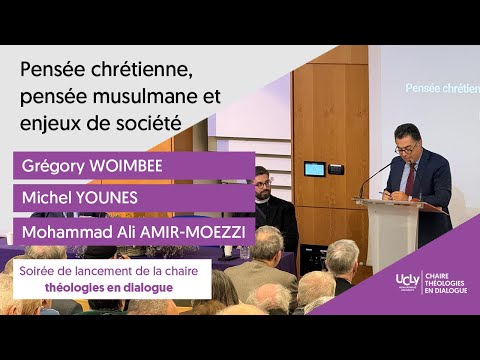 Christian Thought, Muslim Thought and Societal Issues: Launch of the “Theologies in Dialogue” Chair
Mohammad Ali Amir-Moezzi · Michel Younès On Wednesday, September 25, 2024, this inaugural conference presents a new chair entitled "Theologies in Dialogue" at the Faculty of Theology of the Catholic…
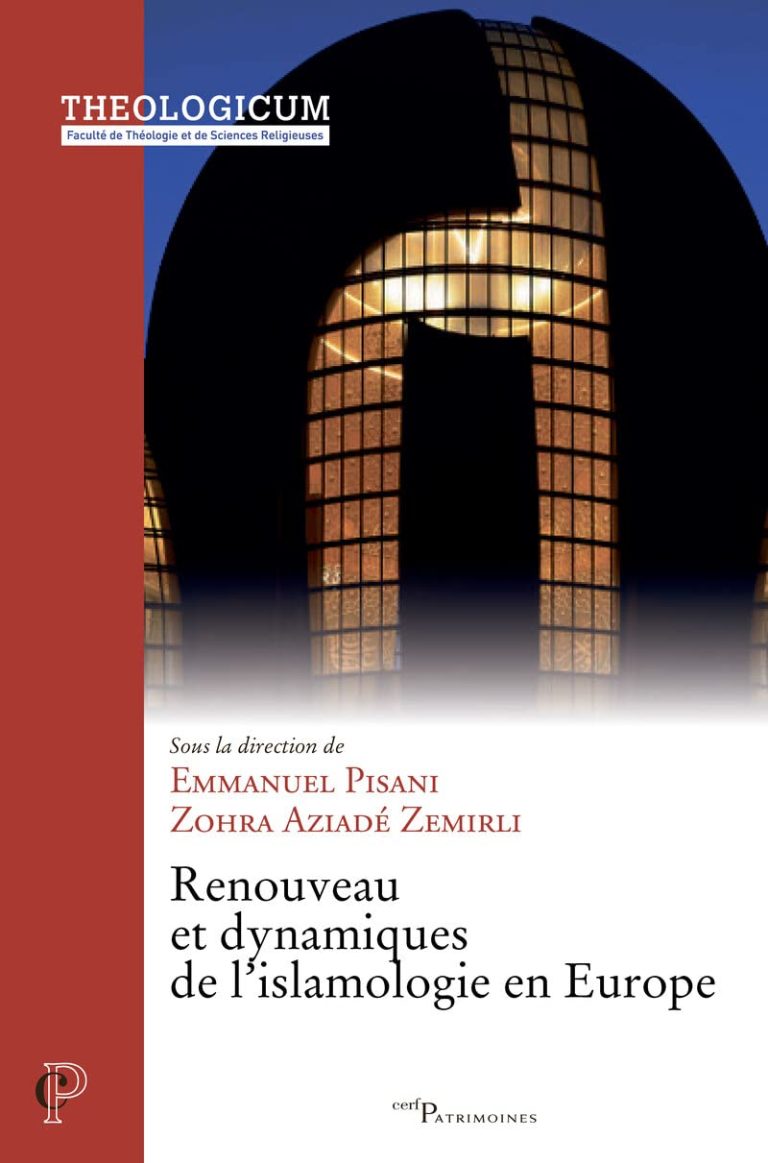 Revival and Dynamics of Islamic Studies in Europe
Michel Younès · Emmanuel Pisani · Cédric Baylocq · Zohra Aziadé Zemirli · Michele Brignone · Haoues Seniguer “In a troubled international context where Islam is sometimes defined as an ideological marker of many conflicts, academic research drawing on history, sociology, and…
Related resources: « Freedom of Religion »
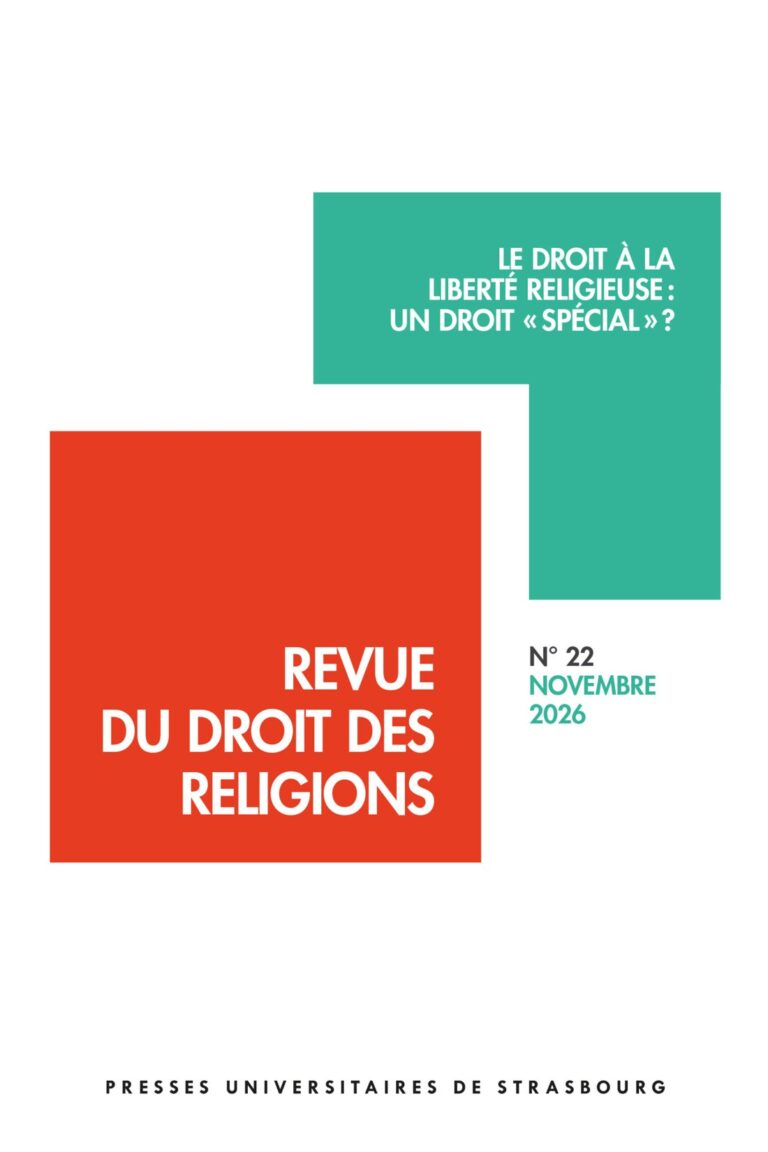 “The Right to Religious Freedom: A ‘Special’ Right?”, Revue du droit des religions No. 22
Alessandro Ferrari Issue 22 of the Revue du droit des religions, published by Presses universitaires de Strasbourg, comes out on 19 November 2026. Its thematic section,…
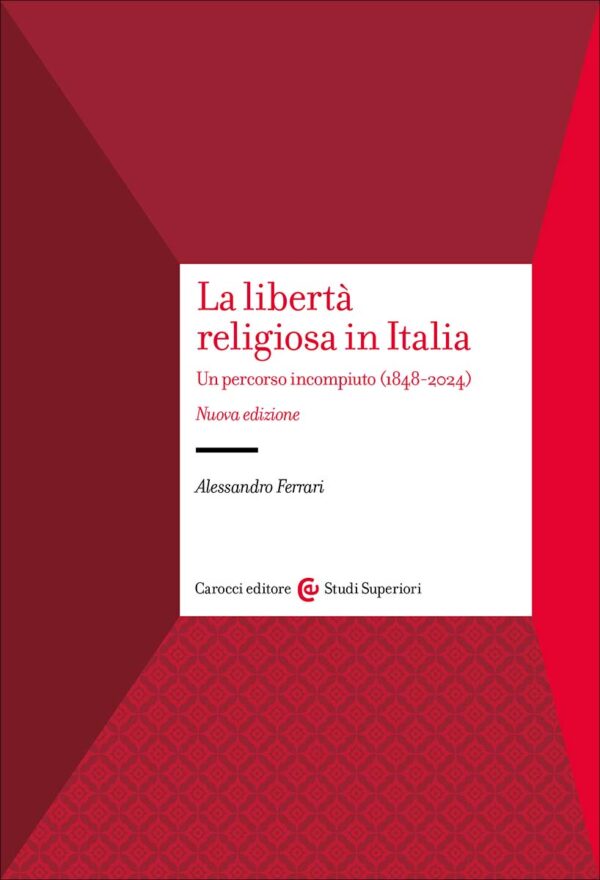 Religious Freedom in Italy. An Unfinished Path (1848-2024)
Alessandro Ferrari Published under the original title La libertà religiosa in Italia. Un percorso incompiuto (1848-2024), this synthesis by Alessandro Ferrari, professor of ecclesiastical law and…
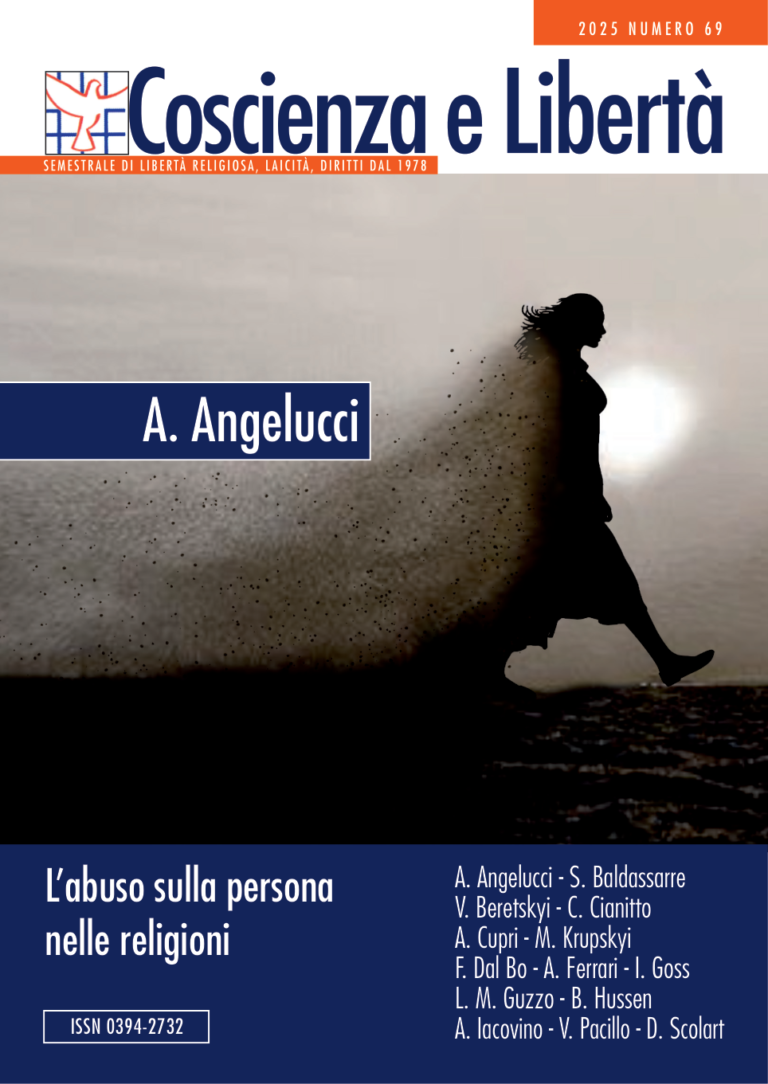 “Inclusive Citizenship, the Right to a Place of Worship and Everyday Peace”, by Antonio Angelucci
Antonio Angelucci In an article published in the Italian journal Coscienza e Libertà (no. 69, 2025), Antonio Angelucci, associate professor of law and religion at the…
 Freedom of conscience, a contested yet resilient right
Dominique Avon Rome. In a conference given on November 28, 2024, at the Pontifical Institute for Arabic and Islamic Studies, Professor Dominique Avon from the École…
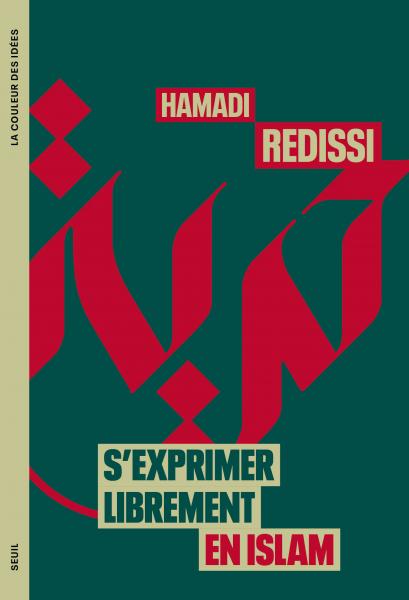 Speaking freely in Islam
Hamadi Redissi What is the Islamic doctrine of blasphemy, insult to God, religion and the Prophet? What about the prohibition of figurative representation of Muhammad? Can…
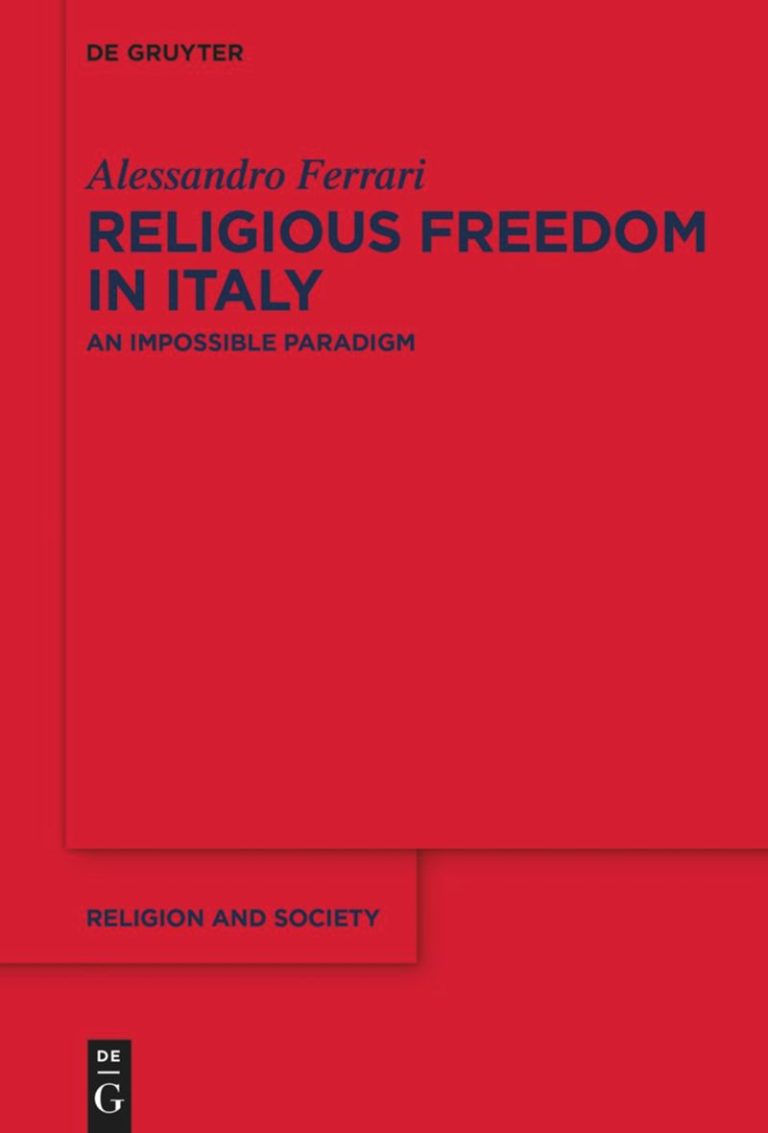 Religious Freedom in Italy. An Impossible Paradigm
Alessandro Ferrari Italy, seat of the Pope and Vatican City, has a long and difficult relationship with religious freedom. Often identified as a quintessentially Catholic nation,…