
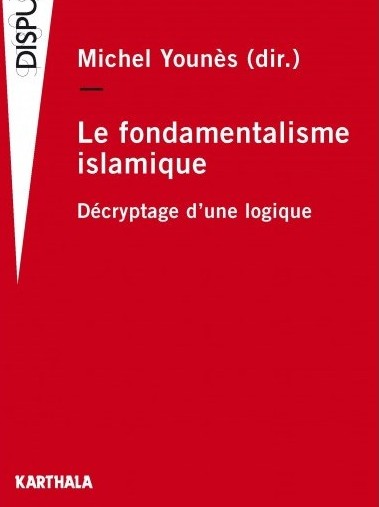
Publisher : Karthala -

French


Islamic fundamentalism. Deconstructing a logic
Summary
Our time is witnessing a rise in religious fundamentalism. In environments in crisis of deep identity, this type of conviction can secure by giving benchmarks considered safe, immutable, truthful. Since the attacks of September 11, 2001, and the proclamation of the Islamic State of Iraq and the Levant, the Islamic fundamentalist nebula, in its jihadist form, is concerned about its growing ability to attract Muslims and recruit newly converted non-Muslims, up to Europe.
But Muslim-inspired extremism, perceived through a dramatic actuality, is not limited to social and international conjunctures. It is part of a particular religious fundamentalism or, more precisely, a cluster of political-religious ideologies that, for more than a century, have circulated in the societies of the Muslim world, especially in its Arab part, in response to a series of internal and external crises.
Despite its relevance, socio-political analysis is therefore not able, on its own, to account for fundamentalist drift. The religious nature of the phenomenon cannot be avoided. It implies taking into account the logic inherent in theological reflection. This is what the specialists of Islam gathered around Michel Younès undertook to explain. They go beyond a superficial representation of this current of thought and the mobilizations it inspires. They help us to understand more deeply a religious and political phenomenon that has become crucial at the beginning of the 21st century.
Michel Younès, professor of Theology and Islamology at the Catholic University of Lyon, directs the Centre d’études des cultures et des religions (CECR). With contributions by : Samir Amghar, Maurice Borrmans, Malek Chaieb, Bénédicte du Chaffaut, Philippe Dockwiller, Ali Mostfa, Emmanuel Pisani, Haoues Seniguer, Bertrand Souchard et Michel Younès.
Preface by Ghaleb Bencheikh
Présentation
Notre époque assiste à une montée des fondamentalismes religieux. Dans des milieux en crise d’identité profonde, ce type de conviction peut sécuriser en donnant des repères considérés comme sûrs, immuables, véridiques. Depuis les attentats du 11 septembre 2001 et la proclamation de l’État islamique d’Irak et du Levant, la nébuleuse fondamentaliste islamique, dans sa forme djihadiste, inquiète par sa capacité croissante à attirer des musulmans et à recruter des non-musulmans fraîchement convertis, jusqu’en Europe.
Or l’extrémisme d’inspiration musulmane, perçu à travers une actualité dramatique, ne se réduit pas à des conjonctures sociales et internationales. Il s’inscrit dans un fondamentalisme religieux particulier ou, plus exactement, dans un faisceau d’idéologies politico-religieuses qui, depuis plus d’un siècle, ont circulé dans les sociétés du monde musulman, surtout dans sa partie arabe, en réponse à une série de crises internes et externes.
Malgré sa pertinence, l’analyse sociopolitique n’est donc pas en mesure, à elle seule, de rendre compte de la dérive fondamentaliste. La nature religieuse du phénomène ne peut être éludée. Elle implique une prise en compte des logiques inhérentes à la réflexion théologique. C’est ce que les spécialistes de l’islam réunis autour de Michel Younès ont entrepris d’expliquer. Ils vont au-delà d’une représentation superficielle de ce courant de pensée et des mobilisations qu’il inspire. Ils nous aident à comprendre plus profondément un phénomène religieux et politique devenu crucial en ce début du XXIe siècle.
Michel Younès, professeur de théologie et d’islamologie à l’Université catholique de Lyon, dirige le Centre d’études des cultures et des religions (CECR). Ont contribué à cet ouvrage : Samir Amghar, Maurice Borrmans, Malek Chaieb, Bénédicte du Chaffaut, Philippe Dockwiller, Ali Mostfa, Emmanuel Pisani, Haoues Seniguer, Bertrand Souchard et Michel Younès.
Préface de Ghaleb Bencheikh


 publisher's website
Author(s)
Michel Younès
Professor of Theology and Islam Studies, Deputy Director of the Research Unit "CONFLUENCE Sciences & Humanités", Director of the Centre for the Study of Cultures and Religions (CECR) - UCLy

Bénédicte Du Chaffaut
Researcher at the Centre d'Etudes des Cultures et des Religions of the Catholic University of Lyon
Mohamed-Ali Mostfa
Scientific Delegate of Pluriel, Lecturer on the Arab-Muslim World and Intercultural Representations, Catholic University of Lyon, France.
Emmanuel Pisani
Deputy General Coordinator of Pluriel, Director of the Dominican Institute for Oriental Studies, Cairo, Egypt
Resources of this researcher
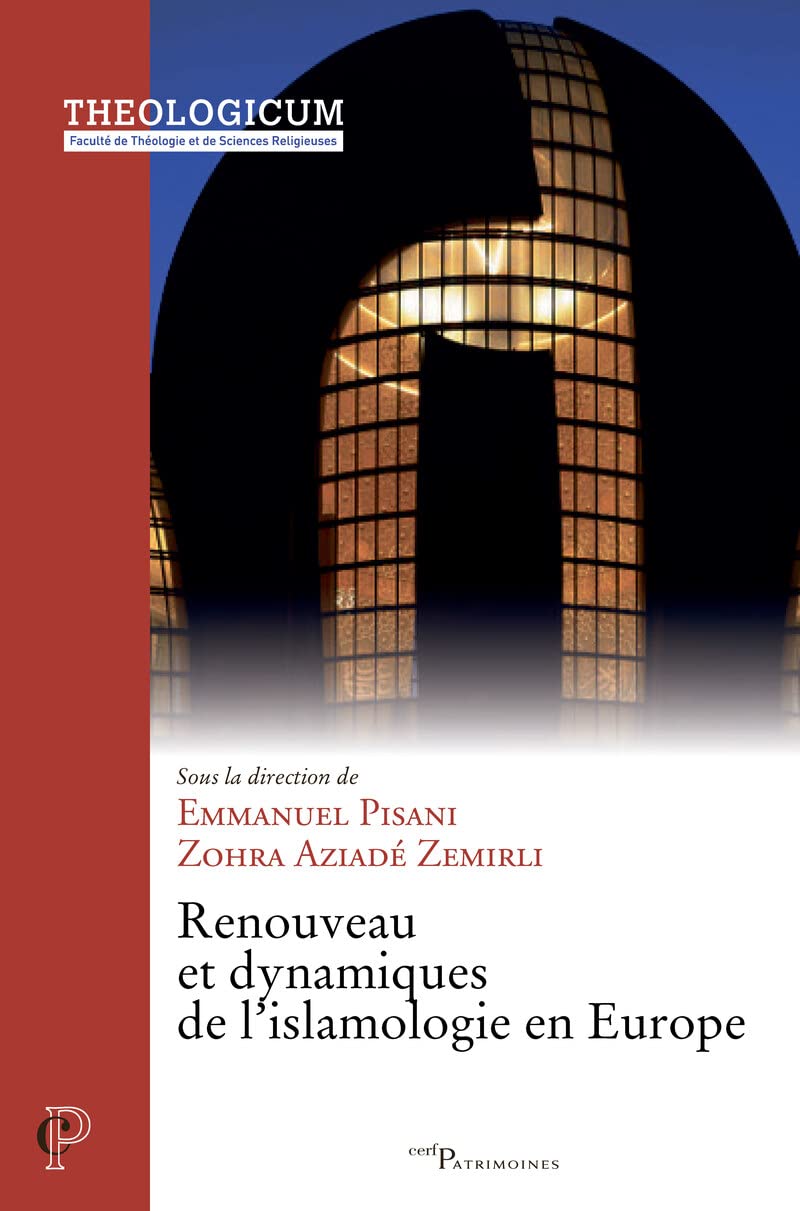
publication
Revival and Dynamics of Islamic Studies in Europe
“In a troubled international context where Islam is sometimes defined as an ideological marker of many conflicts, academic research drawing on history, sociology, and political science has mu...
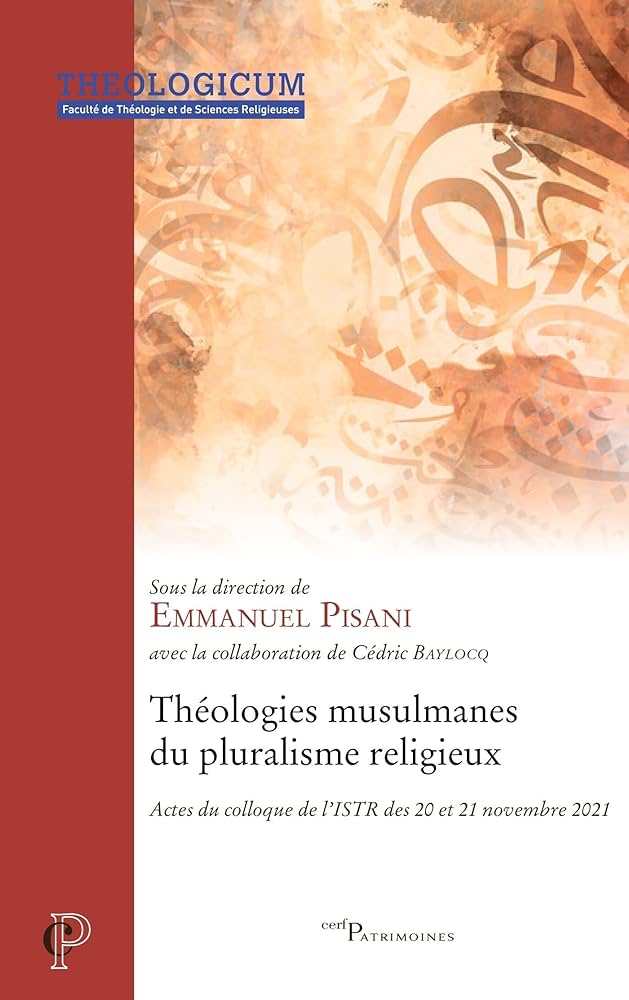
publication
Muslim Theologies of Religious Pluralism. Proceedings of the Colloquium Held on November 20 and 21, 2021
The laboratory of the Institute of Science and Theology of Religions of Paris (Theologicum, ICP) presents here the outcome of four years of research on the theme of religious pluralism in Islam. Wh...
publication
MIDÉO No. 37: Recitation in the early centuries of Islam
The history of reciting the Quran has been rarely studied. This volume comprises most of the papers presented at the Third IDEO Conference held in Cairo in October 2020 on reciting in the early Isl...
videos
Synthesis of the congress ‘Islam and Otherness’
Friar Emmanuel Pisani, Director of the Dominican Institute of Oriental Studies, Cairo 3rd International Congress of the PLURIEL network, from 23 to 27 May 2022 in Beirut. In partnership with the ...
publication
Heterodox and non-Muslim in the thought of Abū Ḥāmid al-Ġazālī
This study addresses the question of how to view and understand religious otherness from a Muslim perspective, in the light of one of its greatest thinkers. Starting from a questioning of the statu...

videos
al-Ġazālī, a figure of a magisterial authority?
Conference « Religious Authority in Islam », organised by the Centre for the Study of Cultures and Religions and the Research Unit of the Catholic University of Lyon (UCLy), on 18 and 19 November 2...
publication
MIDEO 36 – Iǧtihād and taqlīd in Sunnī and Šīʿī Islam
The theme of iǧtihād and taqlīd, by pointing to the notional antagonism between independent reasoning on the one hand and submission to the argument of authority on the other, plunges us into the h...
publication
Religions and dialogues
Founded in 1967 in the wake of the Vatican Council II at the request of the missionary congregations and of Rome, by Fathers Jean Daniélou and Henri Bouillard, the Paris Institute of Science and Th...
publication
MIDEO 35 – Interactions between Twelver Shiites and Christians
This volume 35 is made up of a dossier gathering most of the papers presented at the conference held in April 2018 at the Institut Catholique de Paris on the interactions between Imamites and Chris...
Resources related to Fundamentalism
article
The grammar of sacred violence: A critical discourse analysis of radical Islamist writings
- Mohamed-Ali Mostfa
This article offers a discursive analysis of two contemporary Islamist texts that present violence not as a deviation from religious normativity, but as its necessary, even redemptive expression. I...
publication
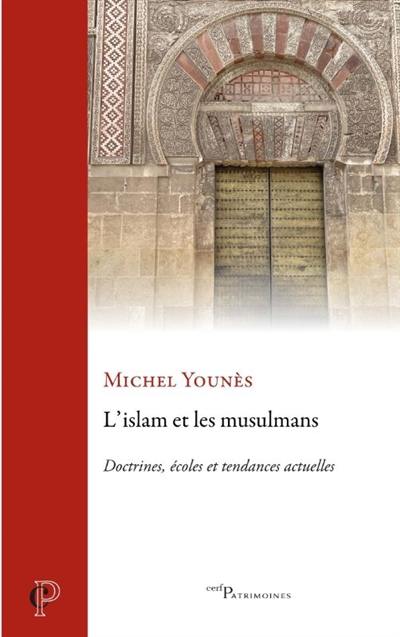
Islam and Muslims. Doctrines, Schools of Thought, and Current Trends
- Michel Younès
Publication date: April 16, 2026. Islam, as a historical, religious, and civilizational reality, is difficult to define. It can be perceived as a form of political governance, an expression of fait...
publication
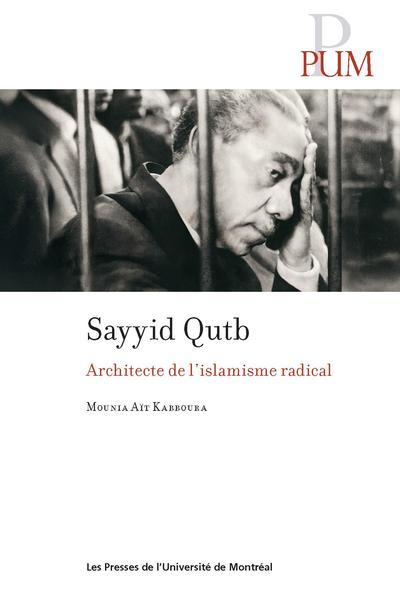
Sayyid Qutb. Architect of Radical Islamism
- Mounia Ait Kabboura
The thought of Sayyid Qutb (1906–1966) has profoundly shaped a wide range of religio-political movements, from the Muslim Brotherhood to Salafi-jihadists, radicalizing political Islam and inspiring...
publication
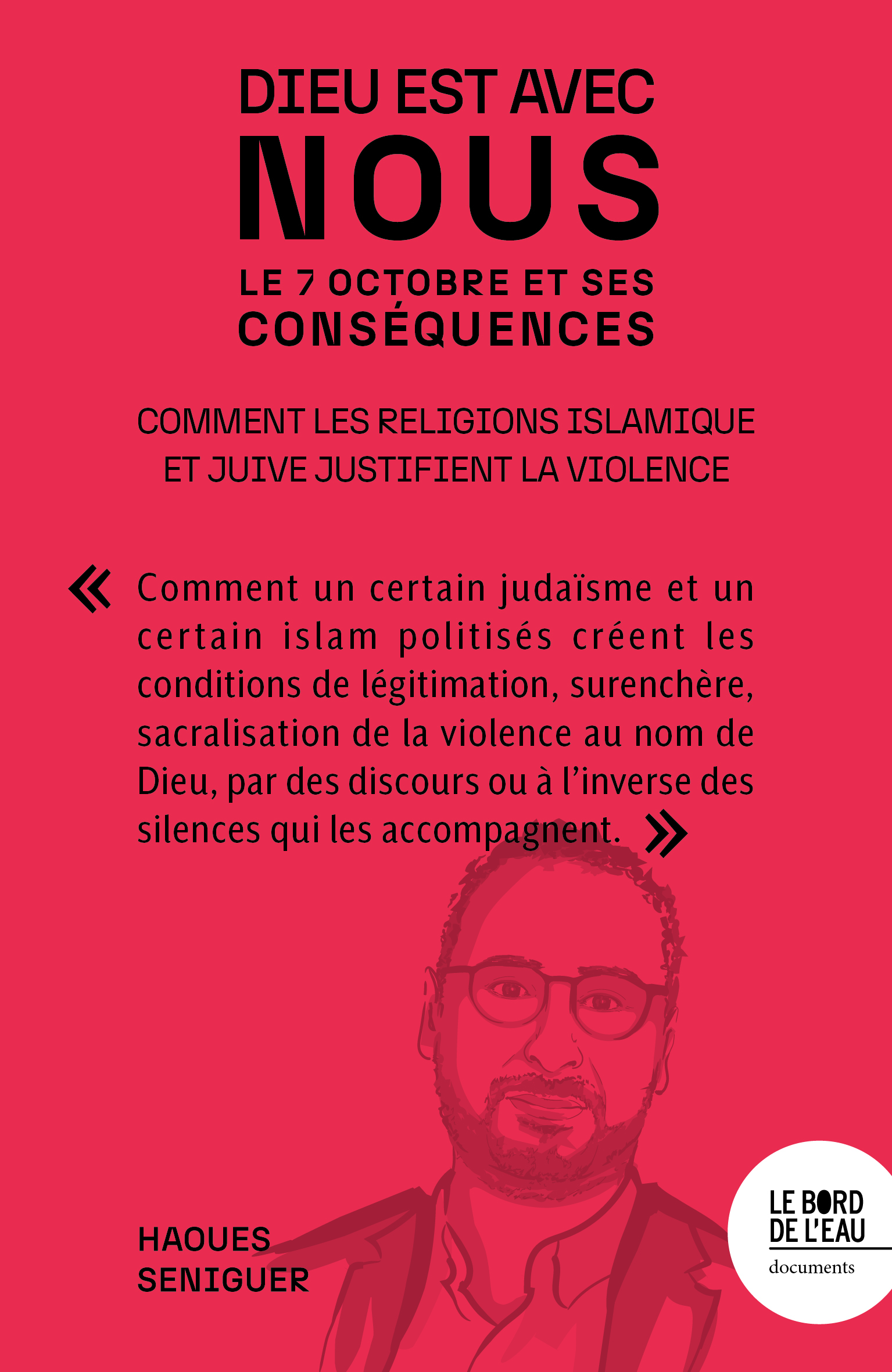
God Is with Us: How Islam and Judaism Justify Violence
- Haoues Seniguer
Long before October 7, 2023—and even more so since—certain politicized strands of Judaism and Islam have been creating conditions that legitimize, escalate, and sacralize violence in God’s na...
article
Online Salafism: the Tension to (Co)Exist in Religious and Ideological Plurality
- Anja Zalta
An article by Anja Zalta published in the journal Poligrafi (vol. 30, no. 119/120, 2025, open access).The author examines how digital platforms and social-media literacy, especially among Generatio...
publication
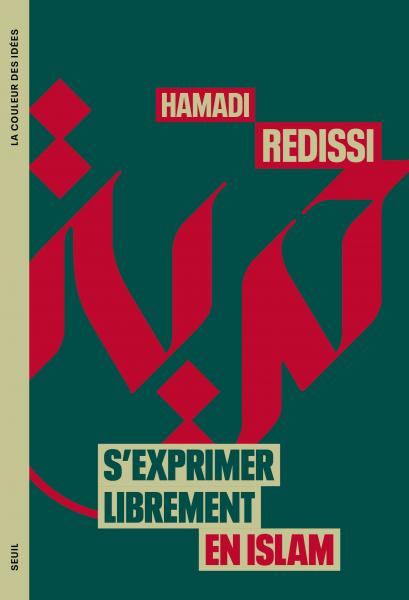
Speaking freely in Islam
- Hamadi Redissi
What is the Islamic doctrine of blasphemy, insult to God, religion and the Prophet? What about the prohibition of figurative representation of Muhammad? Can one openly believe or abjure in Islam? T...
publication
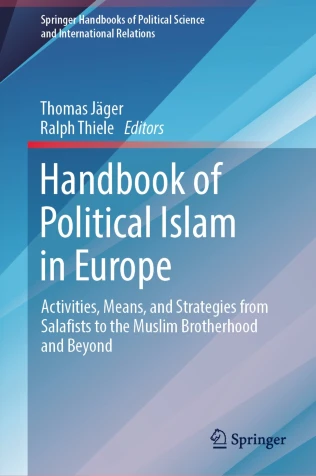
Salafist Movements in Europe: Between Local and Transnational Mobilizations
- Mohamed-Ali Adraoui
In this chapter, the author sheds light on the main sociological features and academic debates on the issue of Salafism in Europe. Through a comparative analysis of different countries, he shows th...
videos
What does the reformation of religion mean?
Lecture given by Mohamed El Haddad as part of the Anawati Chair at the Dominican Institute of Oriental Studies in Cairo. Summary Plural Mohamed El Haddad presents his conception of religious re...