
Référence :
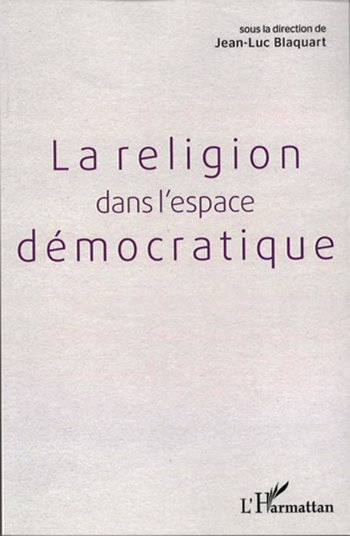
in La religion dans l’espace démocratique, L’Harmattan, 2015, p. 203-2013.

French

Salafist Islam, despotism and modernity according to Abdel-Jawâd Yassine
Original title : “Islam salafiste, despotisme et modernité d’après Abdel-Jawâd Yassine”
The societies of the Middle East remain more marked than elsewhere by the omnipresence of the religious fact both in social structures and in political institutions. It seems opportune to present an Egyptian author, Abdel Jawad Yassine, whose work, published in Arabic, addresses the relationship between religion and power in Islam. He makes a working hypothesis which he states as follows: “First, political theory in Islam is a positive (historical) theory which has no foundation in the “Text” (the Koran). On the contrary, it is a human achievement. Secondly, this theory does not meet the criteria of political and social modernity. ‘ The following talk traces the main ideas developed in a trilogy he wrote between 2000 and 2012. They can be summarized under three titles that mark historical Islam: 1- A Salafist religion. 2- A despotic power. 3- A modernity in suspense.
Presentation of the book
The studies presented in this book invite us to reflect on political philosophy, history or theology and to examine the relationship between democracy and religion in the democratic space. The analyses focus on the contemporary and European context of cultures marked by Christianity, and open up to 19th century America and Middle Eastern Islam.
Published in the book La religion dans l’espace démocratique (Religion in the democratic space), directed by Jean-Luc Blaquard
Les sociétés du Moyen-Orient restent plus qu’ailleurs marquées par l’omniprésence du fait religieux tant dans les structures sociales que dans les institutions politiques. Il semble opportun de présenter un auteur égyptien, Abdel Jawad Yassine, dont l’œuvre, publiée en arabe, aborde le rapport entre la religion et le pouvoir en islam. Il fait une hypothèse de travail qu’il énonce ainsi : “Premièrement, la théorie politique en islam est une théorie positive (historique) qui n’a pas de fondement dans le “Texte” (le Coran). Au contraire, elle est une réalisation humaine. Deuxièmement, cette théorie ne répond pas aux critères de la modernité politique et sociale.” L’exposé qui suit trace les idées maîtresses développées dans une trilogie qu’il a écrite entre 2000 et 2012. Elles peuvent se résumer sous trois titres qui marquent l’islam historique : 1- Une religion salafiste. 2- Un pouvoir despotique. 3- Une modernité en suspens.
Présentation de l’ouvrage
Les études présentées dans cet ouvrage invitent à une réflexion dans une perspective de philosophie politique, d’histoire ou de théologie et à s’interroger sur les relations entre démocratie et religion dans l’espace démocratique. Les analyses portent principalement sur le contexte contemporain et européen des cultures marquées par le christianisme, et s’ouvrent vers l’Amérique du XIXe siècle et vers l’islam du Proche-Orient.
تبقى مجتمعات الشرق الأوسط مطبوعةً أكثر من غيرها بالوجود الكلّي للحدث الديني أكان في الهيكليات الاجتماعية أو في المؤسسات السياسية على حدّ سواء. من هنا، تتجلّى أهميّة التعريف بالمؤلّف المصري، عبد الجواد ياسين الذي يعالجُ في أعماله المنشورة باللغة العربيّة العلاقةَ القائمة بين الدين والسلطة في الإسلام. فقد وضع فرضيّةَ عملٍ صاغَها على النحو التالي: “أولاً، إنّ النظريّة السياسية في الإسلام نظرية إيجابية (تاريخية) لا أساس لها في” النص “(القرآن) بل على العكس، هي ثمرة ابتكار بشري. ثانيًا ، إنّها نظريّة لا تتوافقُ ومعايير الحداثة السياسية والاجتماعية”. ويخطُّ العرضُ التالي الأفكار الرئيسة التي طُوِّرت باسهاب في ثلاثيةٍ كتبها بين العام 2000 و العام 2012. ويمكن تلخيصها في ثلاثة عناوين تطبعُ الإسلام التاريخي: 1- دينٌ ٌسلفي. 2- سلطةٌ استبدادية. 3- حداثةٌ مُؤجّلة.
 Download PDF

Resources of this researcher

videos
The authority of the Ulemas, Glory and misery according to Abdel Jawad Yassin
Conference « Religious Authority in Islam », organised by the Centre for the Study of Cultures and Religions and the Research Unit of the Catholic University of Lyon (UCLy), on 18 and 19 November 2...
videos
In Islam, why do certain people occupy the center of the scene more than others?
Elements of answers to a question studied by the research group on the theme “Authority and regulation in Islam” of the Centre for the Study of Cultures and Religions (CECR, UCLy) The group brin...

videos
In Islam, why is it difficult to identify legitimate sources of authority?
Elements of answers to a question studied by the research group on the subject "Authority and regulation in Islam" of the Center for the study of cultures and religions (CECR, UCLy). with Emmanuel...
article
The birth of the prophet Muhammad : thematic and literary approach to traditional texts
Original title : "La naissance du prophète Muhammad - Approche thématique et littéraire des textes traditionnels" Abstract Our approach of the texts surrounding the birth and childhood of the...
article
The use of the word kitab in the Qur’an and in an ancient Arabic version of the Gospels
Original title : "Le terme kitab dans le Coran et dans une ancienne version arabe des Évangiles" According to A. T. Welch, the Koranic term kitab (Scripture) is one of the most difficult to inte...
article
Salafist Islam, despotism and modernity according to Abdel-Jawâd Yassine
Original title : "Islam salafiste, despotisme et modernité d'après Abdel-Jawâd Yassine" The societies of the Middle East remain more marked than elsewhere by the omnipresence of the religious fa...
Resources related to Fundamentalism
article
The grammar of sacred violence: A critical discourse analysis of radical Islamist writings
- Mohamed-Ali Mostfa
This article offers a discursive analysis of two contemporary Islamist texts that present violence not as a deviation from religious normativity, but as its necessary, even redemptive expression. I...
publication
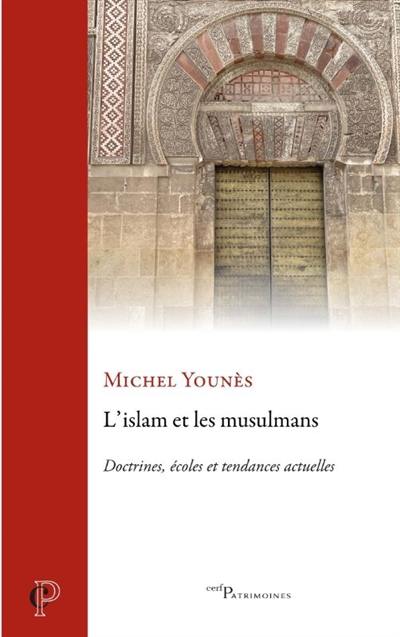
Islam and Muslims. Doctrines, Schools of Thought, and Current Trends
- Michel Younès
Publication date: April 16, 2026. Islam, as a historical, religious, and civilizational reality, is difficult to define. It can be perceived as a form of political governance, an expression of fait...
publication
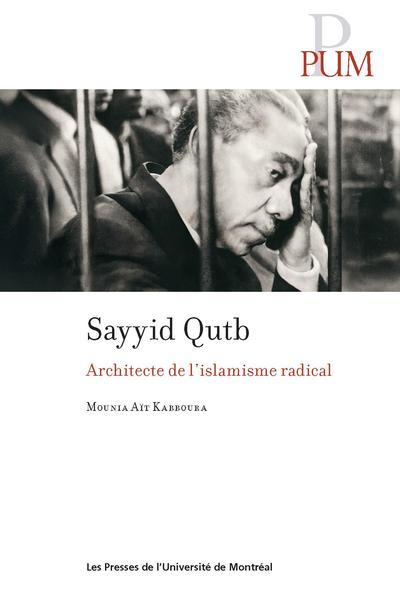
Sayyid Qutb. Architect of Radical Islamism
- Mounia Ait Kabboura
The thought of Sayyid Qutb (1906–1966) has profoundly shaped a wide range of religio-political movements, from the Muslim Brotherhood to Salafi-jihadists, radicalizing political Islam and inspiring...
publication
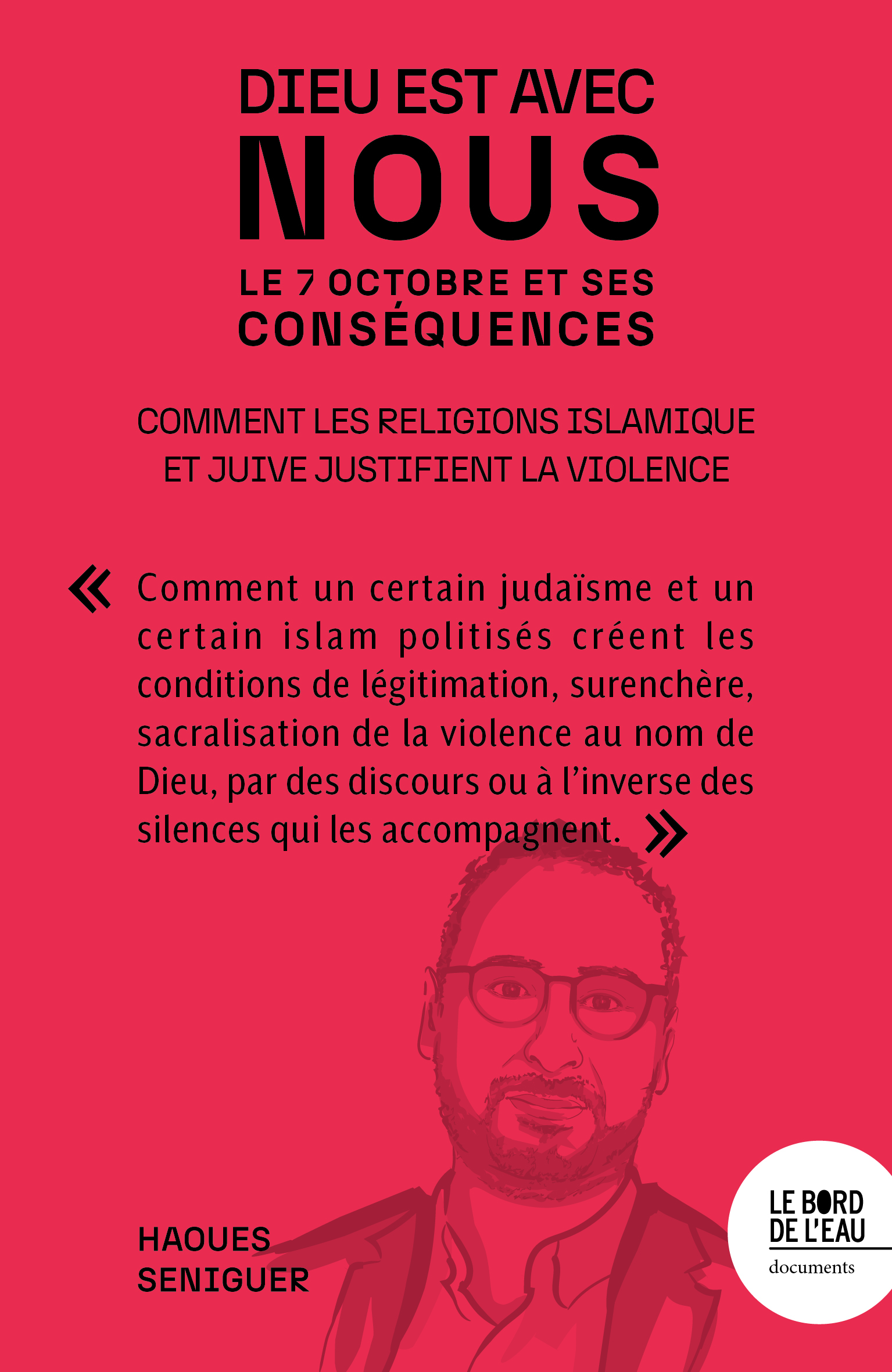
God Is with Us: How Islam and Judaism Justify Violence
- Haoues Seniguer
Long before October 7, 2023—and even more so since—certain politicized strands of Judaism and Islam have been creating conditions that legitimize, escalate, and sacralize violence in God’s na...
article
Online Salafism: the Tension to (Co)Exist in Religious and Ideological Plurality
- Anja Zalta
An article by Anja Zalta published in the journal Poligrafi (vol. 30, no. 119/120, 2025, open access).The author examines how digital platforms and social-media literacy, especially among Generatio...
publication
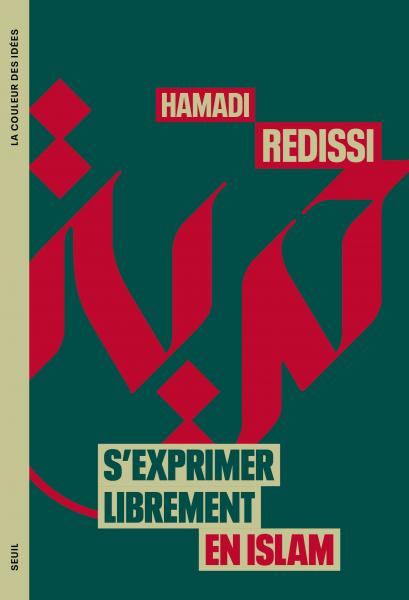
Speaking freely in Islam
- Hamadi Redissi
What is the Islamic doctrine of blasphemy, insult to God, religion and the Prophet? What about the prohibition of figurative representation of Muhammad? Can one openly believe or abjure in Islam? T...
publication
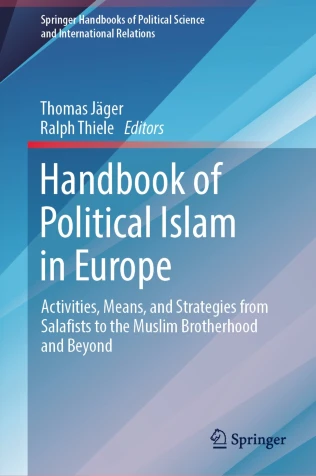
Salafist Movements in Europe: Between Local and Transnational Mobilizations
- Mohamed-Ali Adraoui
In this chapter, the author sheds light on the main sociological features and academic debates on the issue of Salafism in Europe. Through a comparative analysis of different countries, he shows th...
videos
What does the reformation of religion mean?
Lecture given by Mohamed El Haddad as part of the Anawati Chair at the Dominican Institute of Oriental Studies in Cairo. Summary Plural Mohamed El Haddad presents his conception of religious re...