
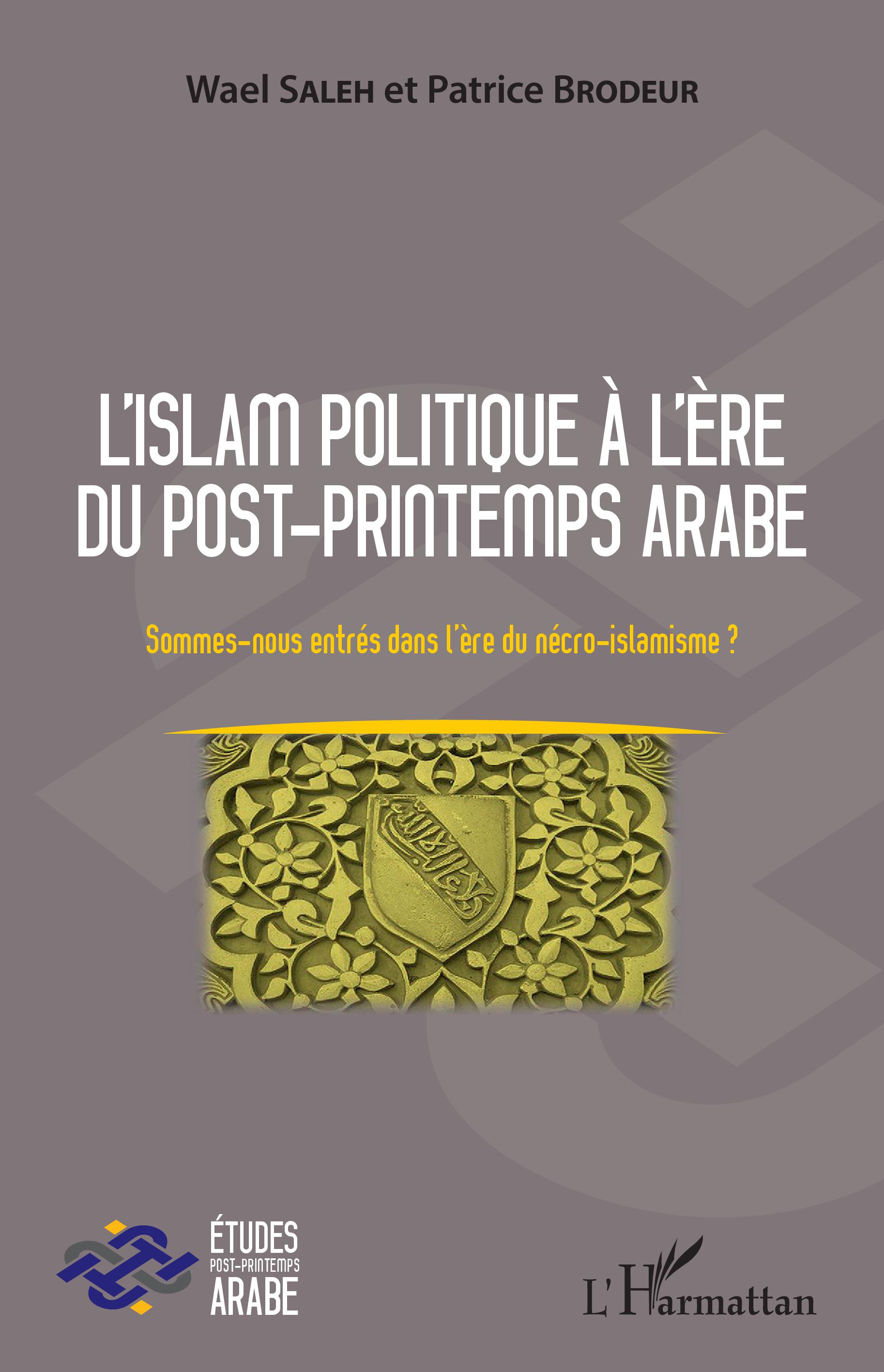
Publisher : L'Harmattan - Paris


Political islam in the arab post-spring era
Sommes-nous entrés dans l’ère du nécro-islamisme ?
Dans quelle mesure peut-on dire que les islamistes, de plus en plus remis en question, se radicalisent ou se désislamisent suite aux multiples retombées du “printemps arabe” ? Ce livre essaie de répondre à cette question en proposant une nouvelle approche (islamismologie appliquée) et une nouvelle typologie tripartite de l’islamisme (rétro-islamisme, néo-islamisme et nécro-islamisme) pour mieux comprendre ses dynamiques, ses enjeux et son avenir.
4e de couverture
Cette étude débute par un résumé des principales assises de l’islamologie appliquée de Mohammed Arkoun, pour ensuite, en comparaison, présenter la notion, les visées et les choix épistémologiques de “l’islamismologie appliquée”. Cette nouvelle approche permet une relecture du phénomène de l’islamisme, surtout à l’ère du post-Printemps arabe. En second lieu, à la suite d’une présentation de huit approches analytiques traitant le phénomène de l’islamisme, cette étude fait ressortir des apports et des lacunes. La principale lacune demeure le manque d’importance donnée aux textes fondateurs sur les discours et pratiques des islamistes. Il émerge de ces textes une conception islamiste fondamentale de l’organisation de la société que cette étude analyse ensuite, pour voir dans quelle mesure elle est compatible avec les valeurs minimales du “bien vivre ensemble”. Enfin, toujours à la lumière des textes fondateurs, cette étude examine la vision islamique fondatrice dans la prise de décision politique d’après l’interprétation islamiste normative. Celle-ci peut servir, dans des études à venir, de point de référence pour évaluer l’influence de cette vision islamiste sur les pratiques. Ce livre conclut avec une nouvelle typologie tripartite de l’islamisme pour mieux comprendre ses dynamiques, ses enjeux et son avenir : rétro-islamisme, néo-islamisme et nécro-islamisme


 publisher's website
Author(s)
Resources of this researcher

article
Leo XIV’s encyclical Magnifica Humanitas and the Pluriel working group on AI-assisted interreligious dialogue
Text by Wael Saleh, researcher at the Université du Québec à Montréal (UQAM) and member of the Pluriel coordination committee. The simultaneous appearance of Leo XIV's encyclical Magnifica Human...
videos
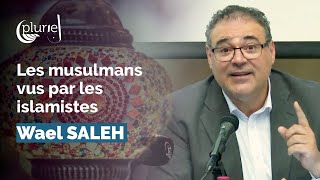
The representation of non-Islamist Muslims in Sunni Islamist discourse
Full lecture title : 'The representation of non-Islamist Muslims in Sunni Islamist discourse: an intra-religious otherness?' In what ways do non-Brother Muslims (especially secular, liberal and ...

videos
From Applied Islamology to Applied Islamismology
Lecture given on 14 October 2021 at the Catholic University of Lyon during the conference "Radicalisation leading to violence in the name of Islam, Epistemological, methodological and ethical appro...
article
Studies of radicalization leading to violence in the name of Islam: mapping theoretical actors to better understand epistemological and ethical issues
Original title : "Les études de la radicalisation menant à la violence au nom de l’islam : cartographier les acteurs théoriques pour mieux comprendre les enjeux épistémologiques et éthiques" Abs...

videos
Belonging(s) and territory(s) to the prism of religiosity (al-tadayyun) in current Arab-Muslim thought
Lecture by Wael SALEH, at the second International Congress of PLURIEL in Rome. As Syrian thinker Burhan Ghalioun [1] French historian Dominique Avon [2], Moroccan philosopher Abd al-Ila h Balqazi...
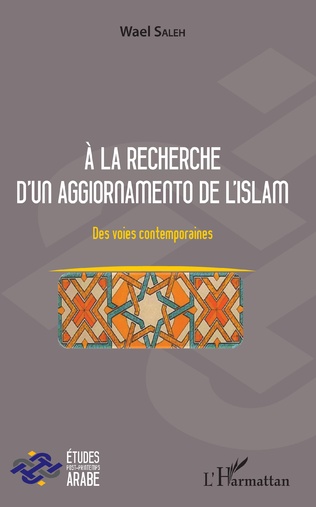
publication
In search of an aggiornamento of Islam. Contemporary approaches
Can the upheavals in the Arab-Muslim world lead to an aggiornamento regulating the link between religion and politics and making it possible to live better together in peace? To answer this questio...
Resources related to keywords
article
Wael Saleh: “Recognising Without Confining, to Better ‘De-other’ the Public Debate”
- Wael Saleh
In an op-ed published on 20 July 2026 by Le Devoir, Wael Saleh, a member of the scientific committee of Pluriel, puts forward a new concept for contemporary democratic debate: "de-othering" (in Fre...
videos
“War and peace”, by Adrien Candiard
On Wednesday 20 May 2026, the Dominican Institute for Oriental Studies (IDEO) hosted in Cairo a lecture by Brother Adrien Candiard, Dominican and Islamologist, on the theme "War and peace". Faced w...
article
Kenneth Cragg and the Event of the Qur’an
- Timo Güzelmansur
Article by Timo Güzelmansur published under the title Kenneth Cragg und das Ereignis des Koran on the theological portal feinschwarz.net (12 June 2026, open access). Timo Güzelmansur presents the A...
article
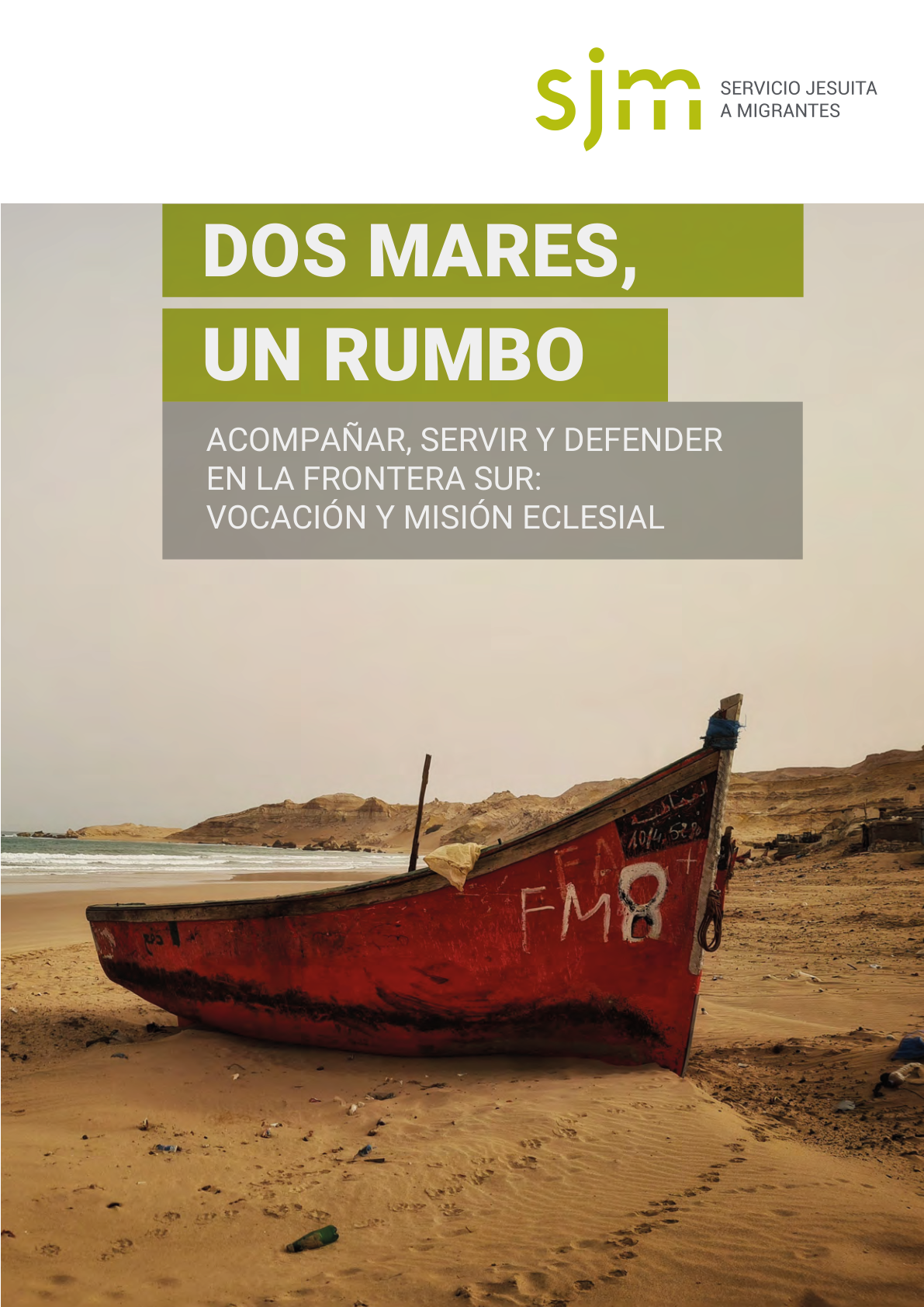
Two Seas, One Course: The 2026 Jesuit Migrant Service Report on Spain’s Southern Border
- Josep Buades
The annual report of the Jesuit Migrant Service (SJM), the social apostolate body of the Society of Jesus in Spain, written by Josep (Pep) Buades Fuster, examines the migratory dynamics of Spain’s ...
publication
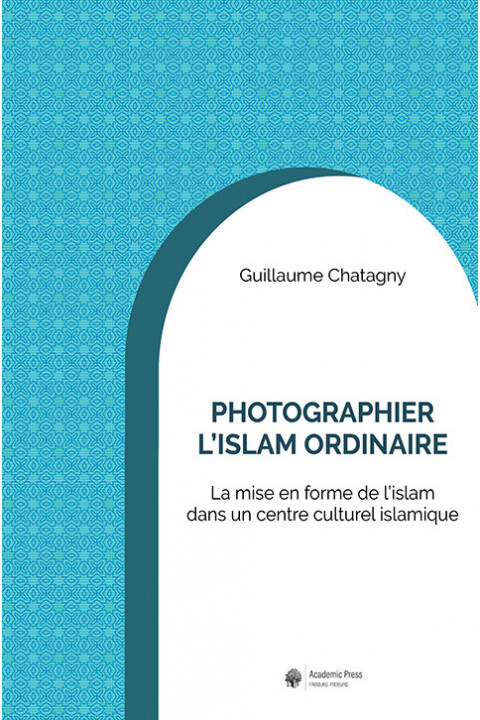
Photographing Ordinary Islam
- Guillaume Chatagny
What does Islam concretely look like within a Muslim association? This is the question addressed by sociologist Guillaume Chatagny in this book, based on fieldwork conducted between 2017 and 2021 w...
article
Leo XIV’s encyclical Magnifica Humanitas and the Pluriel working group on AI-assisted interreligious dialogue
- Wael Saleh
Text by Wael Saleh, researcher at the Université du Québec à Montréal (UQAM) and member of the Pluriel coordination committee. The simultaneous appearance of Leo XIV's encyclical Magnifica Human...
publication
The Recognition of a Hummingbird. Essays on Interreligious Dialogue and Missionary Work (2007-2025)
- Rémi Caucanas
Published in May 2026 by PISAI (Pontifical Institute for Arabic and Islamic Studies, Rome), this collection brings together the essays of Rémi Caucanas on interreligious dialogue and missionary wor...
videos
From Lavigerie to PISAI: The Institutional History of the Missionaries of Africa’s Engagement with Islam
Delivered on 21 May 2026 at the Pontifical Institute for Arabic and Islamic Studies (PISAI) in Rome, this lecture opens the series of conferences marking the institute's centenary (1926-2026). Fr. ...