
Research Group
See all Research Groups
Interreligious Dialogue Assisted by Artificial Intelligence
This group aims to build a lasting scholarly dynamic, bringing together researchers in the humanities and social sciences, AI specialists, theologians and actors engaged in interreligious dialogue.
Its purpose is to develop a collective, comparative and interdisciplinary reflection on the uses of digital technology and artificial intelligence in fostering dialogue, mutual understanding and peace.
Among the group’s main objectives:
- Produce interdisciplinary research, scholarly articles, specialised reports and collective volumes on the interactions between artificial intelligence, digital practices and contemporary forms of interreligious dialogue, so as to enrich the academic understanding of the epistemological, social and theological transformations brought about by AI in interreligious spaces.
- Hold regular seminars, workshops and international meetings in order to build a space for collective reflection and the circulation of knowledge, encouraging exchange between researchers, practitioners, theologians and engineers while consolidating a durable scholarly community around these emerging issues.
- Develop ethical and conceptual frameworks defining the conditions for a responsible and informed use of artificial intelligence in sensitive religious and cultural contexts, in order to strengthen the quality of interreligious dialogue, promote mutual understanding and help deconstruct hate speech and polarising representations.
- Provide scholarly support for the design, testing and evaluation of a digital platform dedicated to interreligious dialogue, integrating innovative AI-based tools, so as to ensure its theoretical relevance, methodological robustness and social impact.
Affiliated institutions
- TRENDS Research & Advisory
- Saint Joseph University (Beirut)
- Università degli Studi dell’Insubria (Varese and Como) – REDESM
- Dominican Institute for Oriental Studies (IDEO), Cairo
- University of Montreal
- University of Quebec in Montreal (UQAM)
- Faculty of Theology – Catholic University of Lyon
- Faculty of Theology, Loyola University (Spain)


Group leader(s)
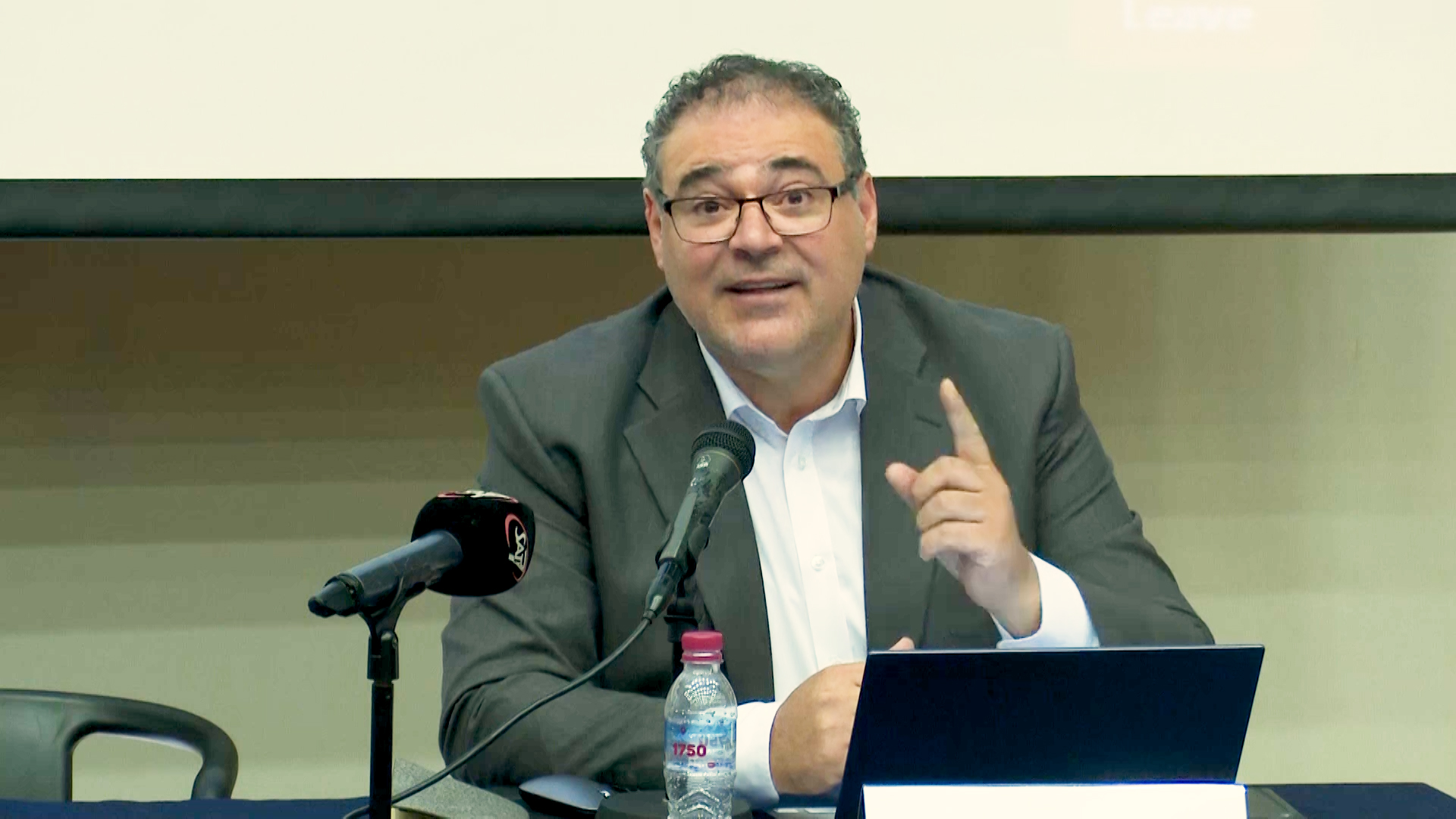
Wael Saleh
Professeur associé à l’Institut d’études internationales de Montréal (IEIM), Université du Québec à Montréal (UQAM).
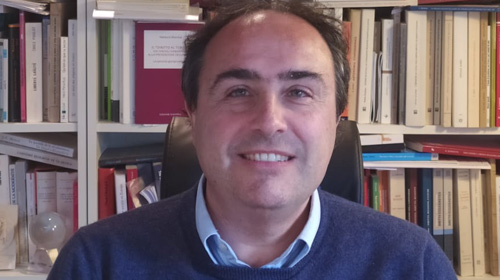
Alessandro Ferrari
Professeur de droit comparé des religions
Michel Younès
Professeur en théologie et islamologie
Patrice Brodeur
Expert en études islamiques et religions abrahamiques comparées
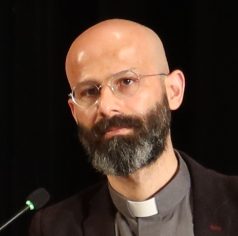
Guy-Raymond Sarkis
Enseignant-chercheur à l’Université Saint-Joseph et à l’Université La Sagesse au Liban
Group members
Wael Saleh
TRENDS Research & Advisory, Abu Dhabi, United Arab Emirates
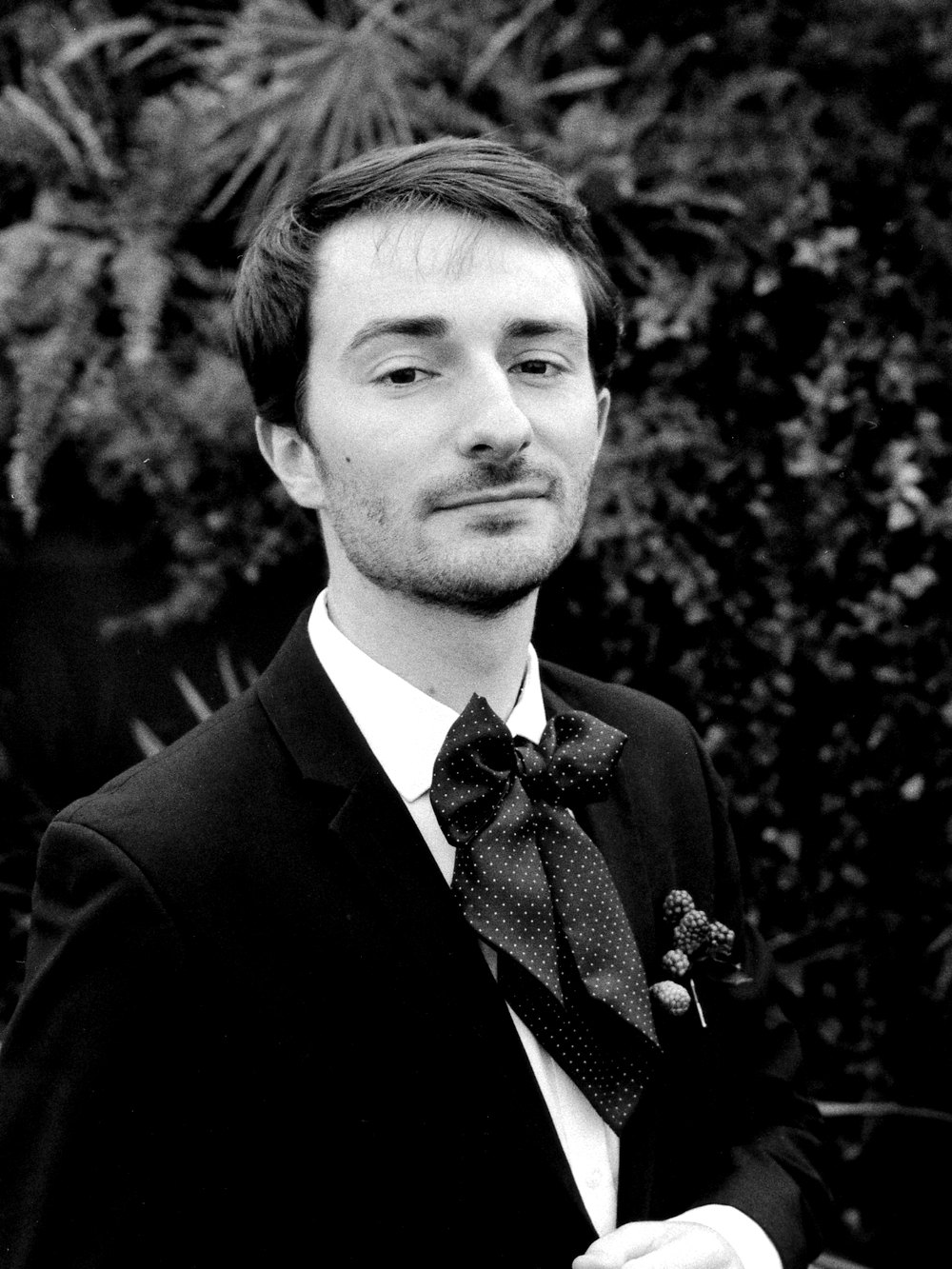
Raphaël Georgy
Digital development of Pluriel
Alessandro Ferrari
Professor of Comparative Religious Laws, University of Insubria, Como and Varese, Italy.
Michel Younès
Professor of Theology and Islam Studies, Deputy Director of the Research Unit "CONFLUENCE Sciences & Humanités", Director of the Centre for the Study of Cultures and Religions (CECR) - UCLy
Patrice Brodeur
Associate Professor - University of Montreal, Canada.
Guy-Raymond Sarkis
Saint Joseph University of Beirut, Lebanon
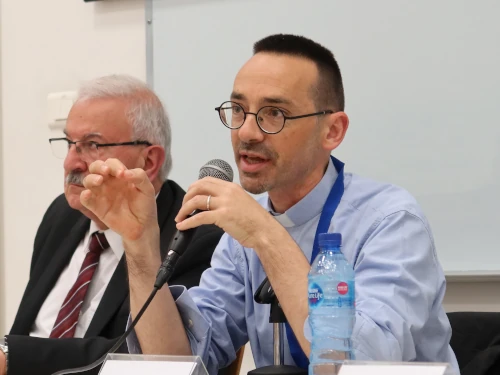
Emmanuel Pisani
Deputy General Coordinator of Pluriel, Director of the Dominican Institute for Oriental Studies, Cairo, Egypt
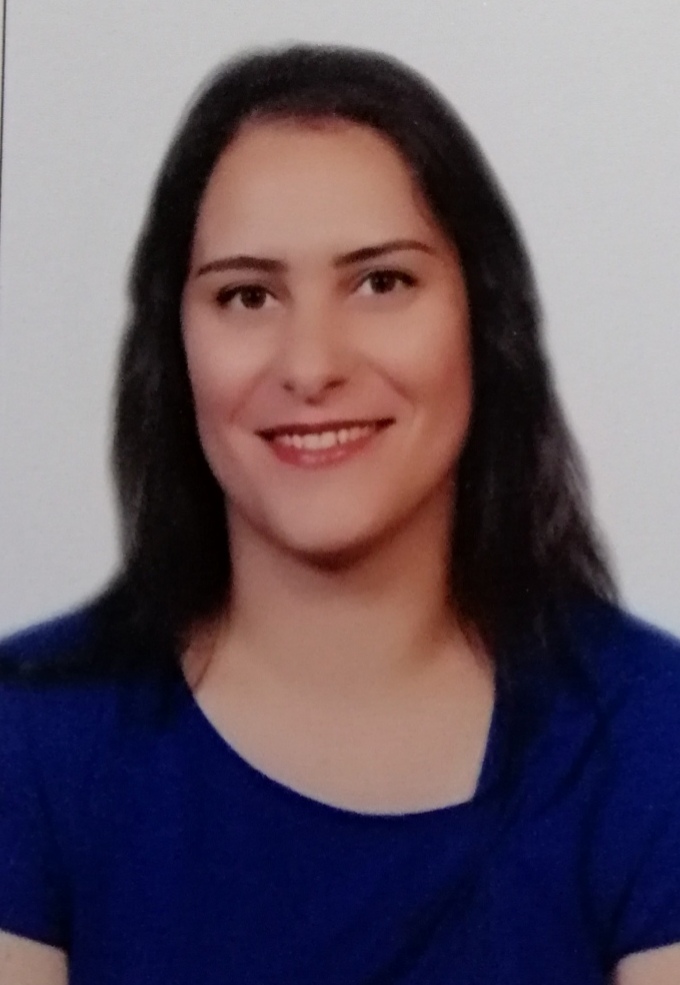
Renee Hattar
Director of the Royal Institute for Interfaith Studies, Amman, Jordan
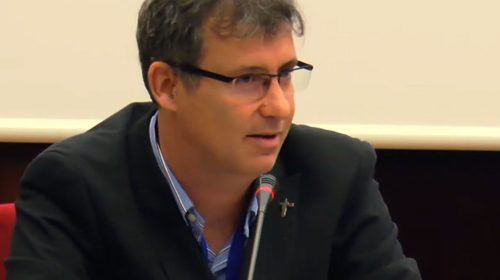
Jaume Flaquer Garcia
Professor of Interreligious Dialogue, Theology of Religions and Islam Studies, Faculty of Theology, Loyola University, Granada, Spain
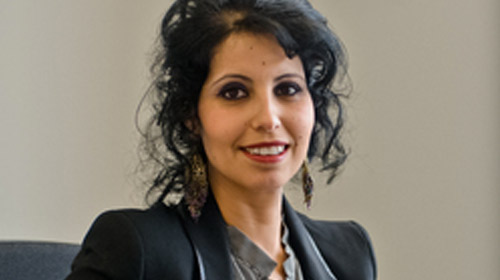
Raja Sakrani
Jurist and Reserach coordinator at the Käte Hamburger Centre for Advanced Study “Law as Culture” (Bonn)

Zeyyad Saleh
Student at the Université de Montréal (political economy and artificial intelligence), co-founder of Syllogos and designer of DIALOGIA, a platform for AI-assisted interreligious dialogue.
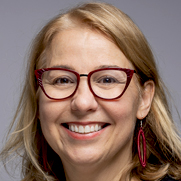
Violaine Lemay
A Full Professor at the Faculty of Law of the University of Montreal, Violaine Lemay specialises in the epistemology and interdisciplinary methodology of law, and has developed the theory of "interdisciplinarity as interculturality".
Karim Kardady
PhD candidate in applied human sciences, University of Montreal