

English

Muhammad Tahir-ul-Qadri, Human Rights and Democracy
Title of the lecture : ‘Embracing the Other: Muhammad Tahir-ul-Qadri‘s approach to Human Rights and Democracy’
In the Western world, the Pakistani politician and Islamic scholar Muhammad Tahir-ul-Qadri is quite well known. The reason is an extensive fatwa published in March 2010 by which he condemned terrorism and suicide bombing as unjust and evil, and thus un-Islamic.
In his publications Tahir-ul-Qadri tries to show that human rights and democracy by no means are achievements of Western culture and its Jewish-Christian traditions. Instead, he insists on the fact that Muhammad and the first Muslims already established human Rights and democracy.
Very briefly, the paper will present Tahir-ul-Qadri’s concept of human rights and democracy, evaluate it critically, and outline some perspectives for further discussion respecting a shared understanding of human rights and democracy that might benefit from legal Western standards as well as from the moral resources of Islamic tradition.
Lecture given at the 3rd International Congress of the PLURIEL network, 23-27 May 2022 in Beirut.
In partnership with Saint Joseph University of Beirut and La Sagesse University.
Titre de la conférence : “Embrasser l’autre : L’approche de Muhammad Tahir-ul-Qadri en matière de Droits de l’Homme et de démocratie”
Dans le monde occidental, l’homme politique pakistanais et érudit islamique Muhammad Tahir-ul-Qadri est assez connu. La raison en est une vaste fatwa publiée en mars 2010, par laquelle il condamne le terrorisme et les attentats-suicides comme étant injustes et mauvais, et donc non islamiques.
Dans ses publications, Tahir-ul-Qadri tente de montrer que les droits de l’homme et la démocratie ne sont en aucun cas des acquis de la culture occidentale et de ses traditions judéo-chrétiennes. Au contraire, il insiste sur le fait que Muhammad et les premiers musulmans avaient déjà établi les droits de l’homme et la démocratie.
Très brièvement, l’article présentera le concept des droits de l’homme et de la démocratie de Tahir-ul-Qadri, l’évaluera de manière critique et esquissera quelques perspectives pour une discussion ultérieure concernant une compréhension commune des droits de l’homme et de la démocratie qui pourrait bénéficier des normes juridiques occidentales ainsi que des ressources morales de la tradition islamique.
Conférence donnée lors du 3è congrès international du réseau PLURIEL, du 23 au 27 mai 2022 à Beyrouth.
En partenariat avec l’Université Saint Joseph de Beyrouth et l’Université La Sagesse.


Resources of this researcher

videos
Muhammad Tahir-ul-Qadri, Human Rights and Democracy
Title of the lecture : 'Embracing the Other: Muhammad Tahir-ul-Qadri‘s approach to Human Rights and Democracy' In the Western world, the Pakistani politician and Islamic scholar Muhammad Tahir-ul-...

videos
Religious affiliation, belonging and apostasy : a case study of Christian and Moslem conceptions
Lecture of Dirk ANSORGE, at the PLURIEL second international Congress in Rome Abstract It is well known that in Christianity – particularly in the European mainline churches – religious affiliati...
Resources related to Violence and religion
publication
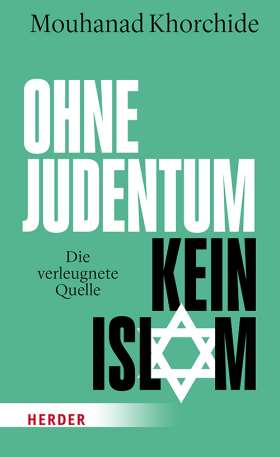
Without Judaism, No Islam. The Denied Source
- Mouhanad Khorchide
Published under the original title Ohne Judentum kein Islam. Die verleugnete Quelle, with the subtitle Die Wurzeln des muslimischen Antisemitismus. Eine aktuelle Analyse (“The Roots of Muslim...
videos
“War and peace”, by Adrien Candiard
On Wednesday 20 May 2026, the Dominican Institute for Oriental Studies (IDEO) hosted in Cairo a lecture by Brother Adrien Candiard, Dominican and Islamologist, on the theme "War and peace". Faced w...
videos
Interreligious Dialogue and Ethnic Nationalisms in the Balkans
At the invitation of PISAI (Pontifical Institute for Arabic and Islamic Studies, Rome) and Georgetown University, Ahmet Alibašić, professor of Islamic civilization at the Faculty of Islamic Studies...
article
The grammar of sacred violence: A critical discourse analysis of radical Islamist writings
- Mohamed-Ali Mostfa
This article offers a discursive analysis of two contemporary Islamist texts that present violence not as a deviation from religious normativity, but as its necessary, even redemptive expression. I...
publication
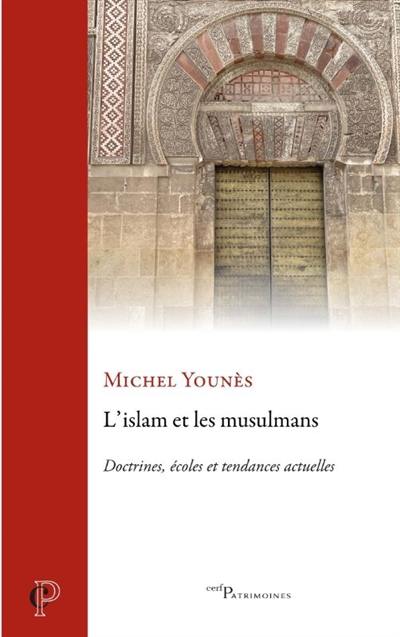
Islam and Muslims. Doctrines, Schools of Thought, and Current Trends
- Michel Younès
Publication date: April 16, 2026. Islam, as a historical, religious, and civilizational reality, is difficult to define. It can be perceived as a form of political governance, an expression of fait...

videos
The Carnival of the Malês: signs of an ethics of Muslim resistance
Paper presented at the fifth international congress of the University Platform for Research on Islam (Pluriel), held in Cordoba from 10 to 14 February 2026 on the theme "Ethics and Aesthetics in Is...
publication
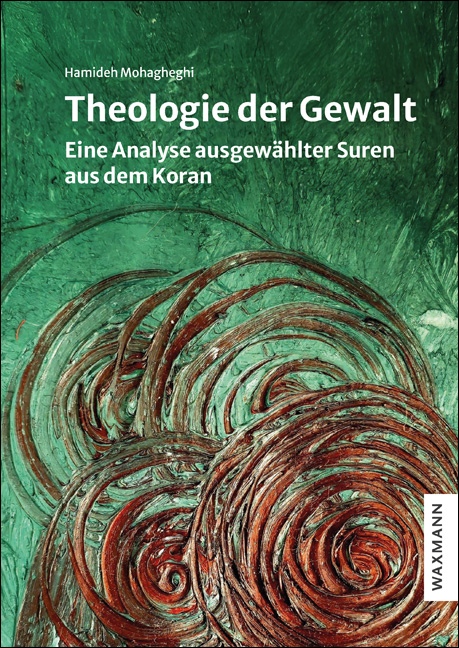
A Theology of Violence: An Analysis of Selected Surahs from the Qur’an
- Hamideh Mohagheghi
Published as Theologie der Gewalt. Eine Analyse ausgewählter Suren aus dem Koran (Münster: Waxmann, 2026), this book by Hamideh Mohagheghi is the published version of her doctoral thesis (defended ...
publication
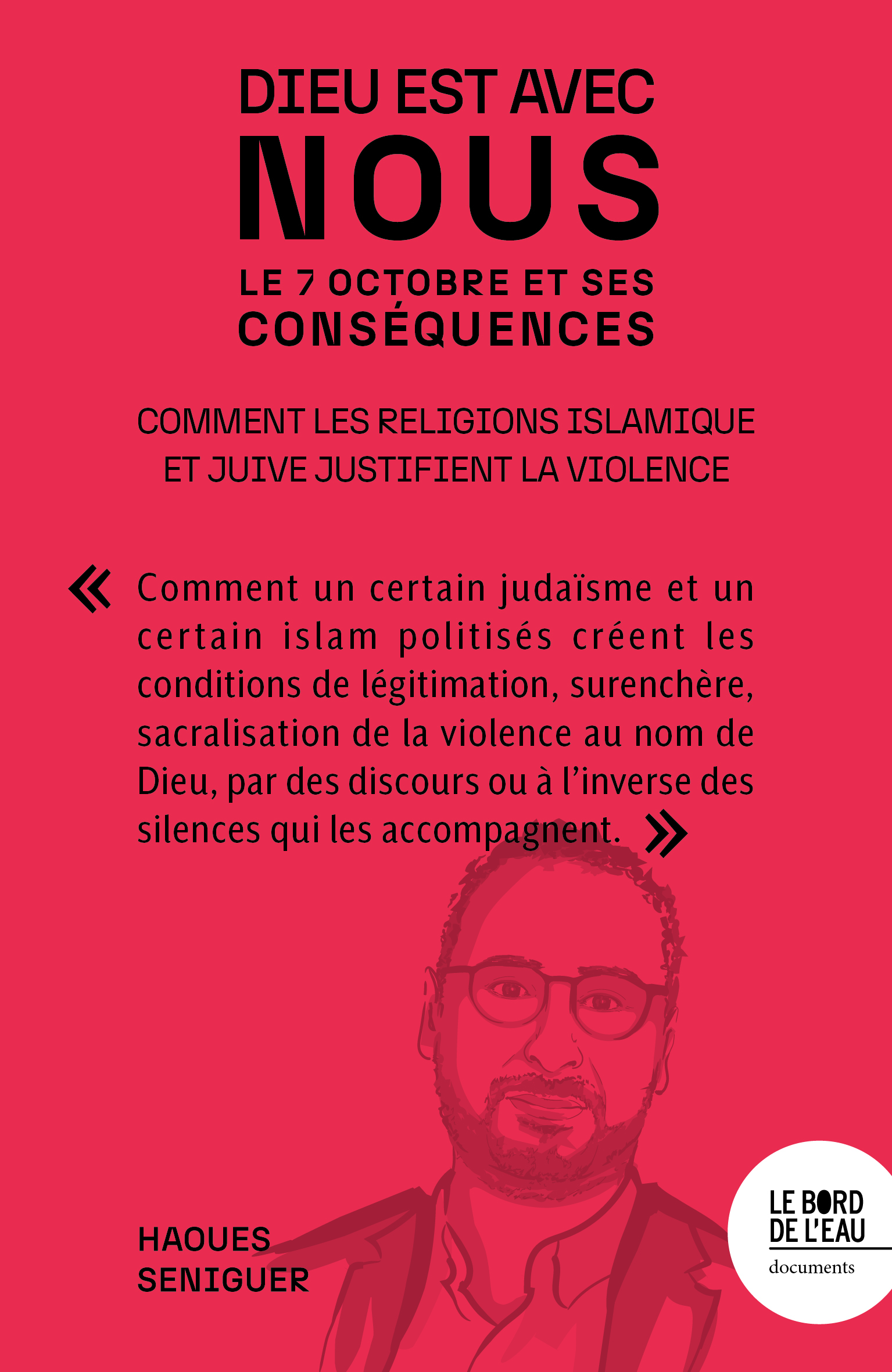
God Is with Us: How Islam and Judaism Justify Violence
- Haoues Seniguer
Long before October 7, 2023—and even more so since—certain politicized strands of Judaism and Islam have been creating conditions that legitimize, escalate, and sacralize violence in God’s na...