

English

The Populist Political Style of the Islamist Moroccan party, the PJD
Title of the lecture : ‘The «Us» Against the «Others», the Populist Political Style of the Islamist party the PJD’
How do religious actors understand an increasingly globalised and pluralistic world? Do they accept the “other”? Do they accept its societal dynamics? Or do they resist these dynamics by taking refuge in identity values rooted in religion?
In order to answer these questions, I would like to analyse the political discourse of the Justice and Development Party (PJD), a political party with an Islamic reference that has been in power since the legislative elections of 2011 in Morrocco. Within this discourse, one can mainly note how the people, homogeneous in their religious values, are presented in opposition to the other, to the ‘threatening and heterogeneous outside’ and to an elite that has abandoned these same values.
Lecture given at the 3rd International Congress of the PLURIEL network, 23-27 May 2022 in Beirut.
In partnership with Saint Joseph University of Beirut and La Sagesse University.
Titre de la conférence : “Le « nous » contre les « autres », le style politique populiste du parti islamiste le PJD”
Comment les acteurs religieux conçoivent-ils un monde de plus en plus globalisé et pluraliste? Acceptent-ils « l’autre » ? Assument-ils ses dynamiques sociétales ? Ou au contraire résistent-ils à ces dynamiques en se refugiant dans des valeurs identitaires enracinées dans la religion ?
Pour répondre à ces questions je voudrais analyser le discours politique du Parti de la justice et du développement (PJD marocain), un parti politique à référence islamique et qui est au pouvoir depuis les élections législatives de 2011. Au sein de ce discours on note principalement comment le peuple, homogène dans ses valeurs religieuses, est présenté par opposition à l’autre, à « l’extérieur menaçant et hétérogène » et à une élite qui a abandonné ces mêmes valeurs.
Conférence donnée lors du 3è congrès international du réseau PLURIEL, du 23 au 27 mai 2022 à Beyrouth.
En partenariat avec l’Université Saint Joseph de Beyrouth et l’Université La Sagesse.


Resources of this researcher
Resources related to Political Sciences
article
Wael Saleh: “Recognising Without Confining, to Better ‘De-other’ the Public Debate”
- Wael Saleh
In an op-ed published on 20 July 2026 by Le Devoir, Wael Saleh, a member of the scientific committee of Pluriel, puts forward a new concept for contemporary democratic debate: "de-othering" (in Fre...
publication
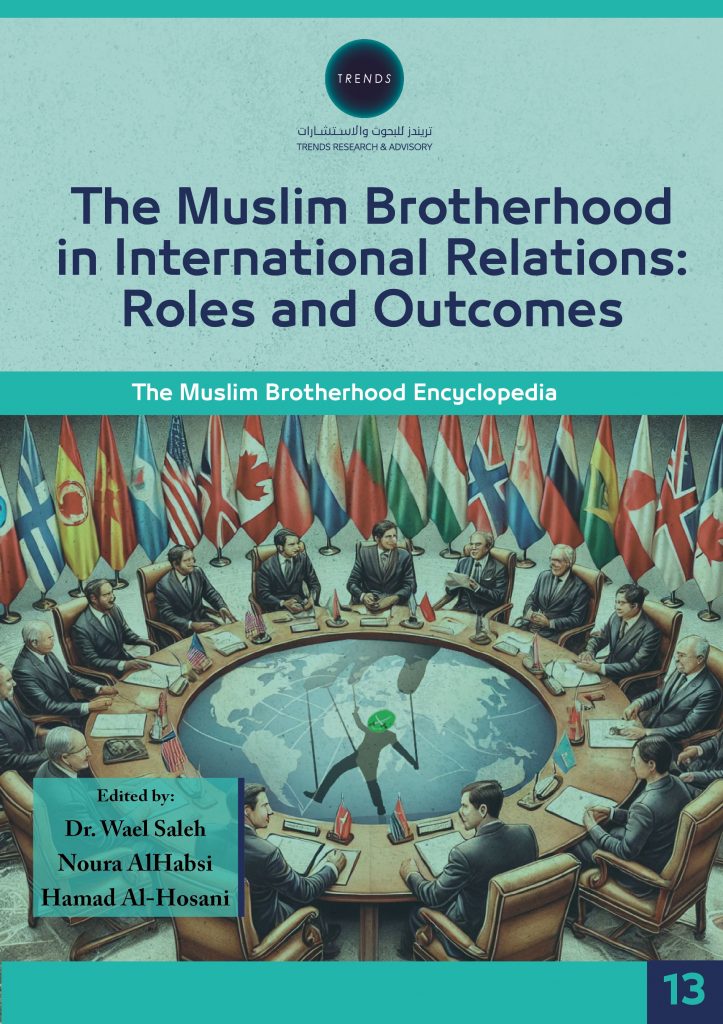
The Muslim Brotherhood in International Relations: Roles and Outcomes
- Wael Saleh
In this book published by TRENDS Research & Advisory (Abu Dhabi, May 2026), Wael Saleh, a member of Pluriel‘s coordination committee, examines the place and modes of action of the Muslim ...
videos
Interreligious Dialogue and Ethnic Nationalisms in the Balkans
At the invitation of PISAI (Pontifical Institute for Arabic and Islamic Studies, Rome) and Georgetown University, Ahmet Alibašić, professor of Islamic civilization at the Faculty of Islamic Studies...
publication
Managing Religious Diversity in Italy: Law, Policy, and Practice in a Pluralist Era
- Alessandro Ferrari
In this article published in the journal Religions 17/3 (2026), Alessandro Ferrari offers a comprehensive analysis of Italy’s regime for governing religious diversity, at the intersection of ...
publication
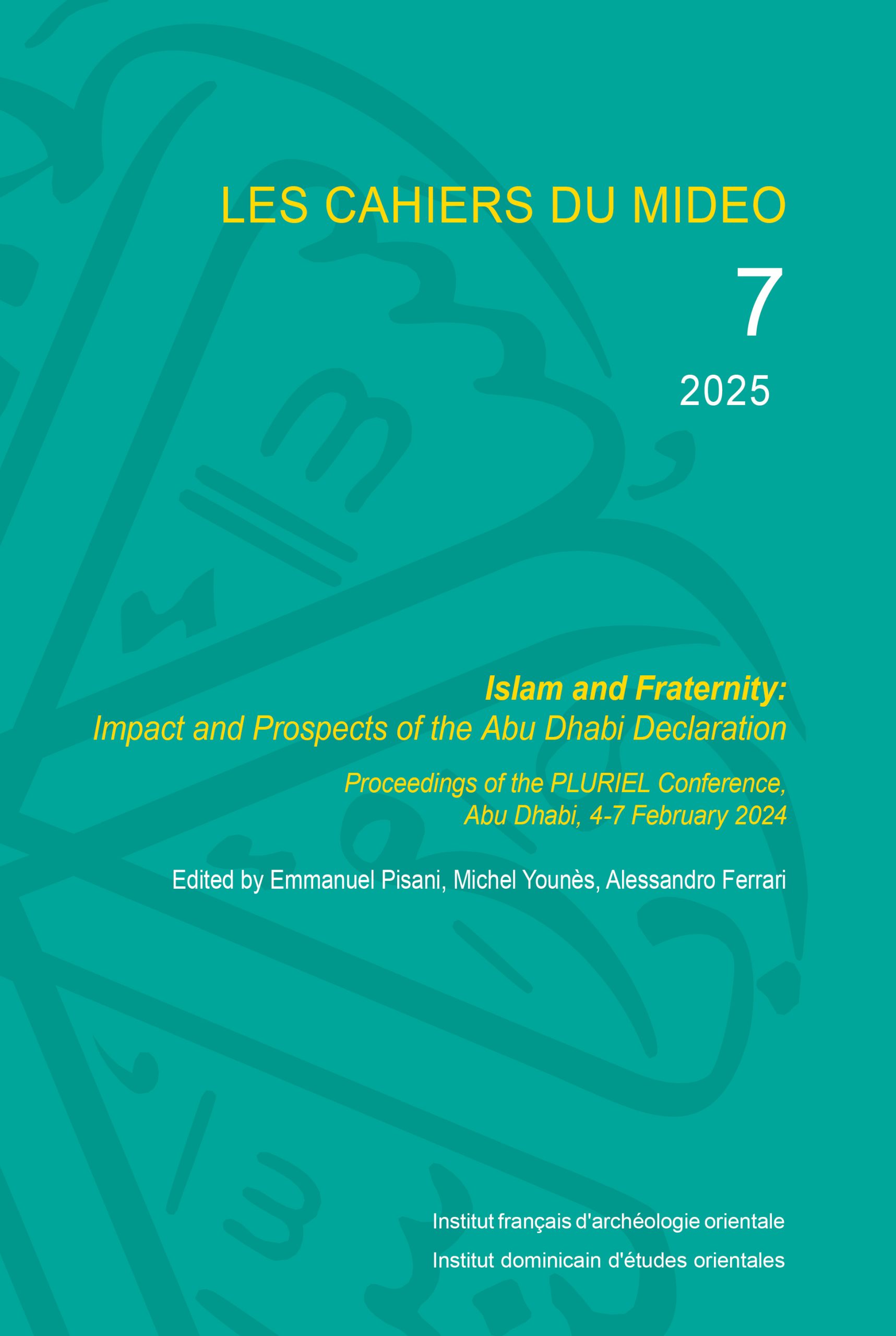
Islam and Fraternity: Impact and Prospects of the Abu Dhabi Declaration
The volume dedicated to the conference “Islam and Fraternity”, held in Abu Dhabi from February 4 to 7, 2024, under the auspices of the PLURIEL network, in partnership with Trends, a research center...
publication
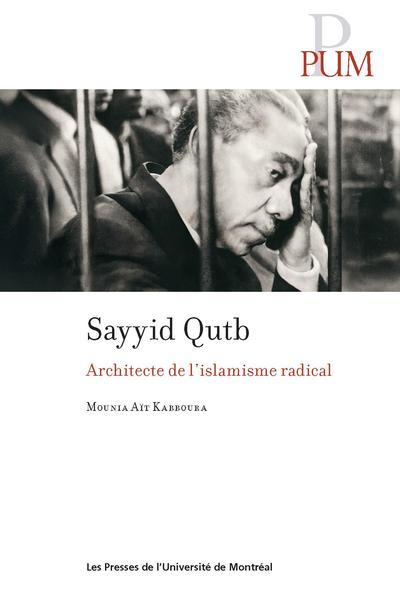
Sayyid Qutb. Architect of Radical Islamism
- Mounia Ait Kabboura
The thought of Sayyid Qutb (1906–1966) has profoundly shaped a wide range of religio-political movements, from the Muslim Brotherhood to Salafi-jihadists, radicalizing political Islam and inspiring...
publication
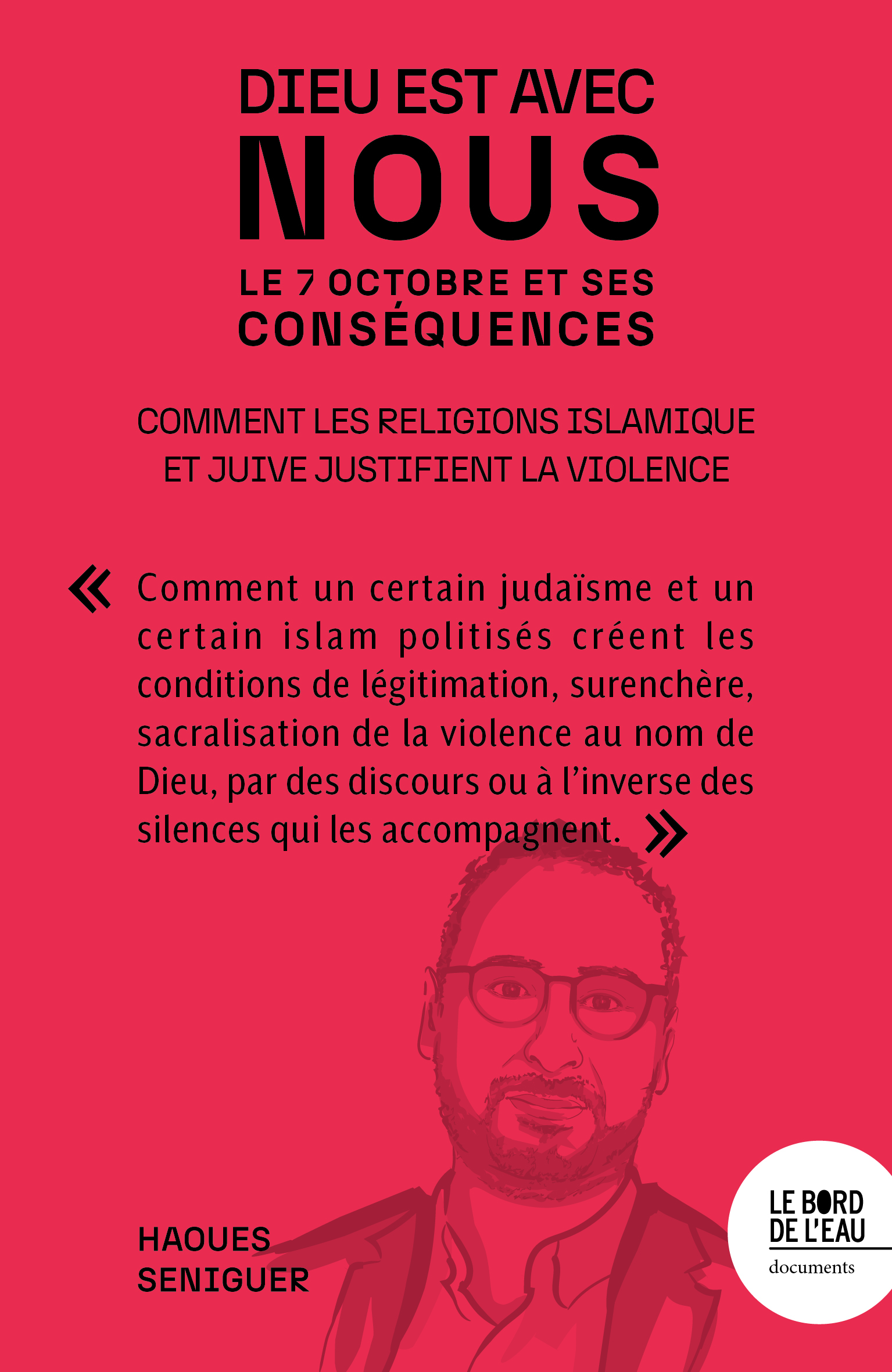
God Is with Us: How Islam and Judaism Justify Violence
- Haoues Seniguer
Long before October 7, 2023—and even more so since—certain politicized strands of Judaism and Islam have been creating conditions that legitimize, escalate, and sacralize violence in God’s na...
article
Al-Azhar and Politics in Egypt in the Post-Arab Spring: Al-Azhar’s Position within State-Society Relations (2011-2021)
- Mohamed Gamal Ali
Presentation This chapter analyses the transformations of al-Azhar's position within state-society relations in Egypt, from the 2011 revolution to 2021. A centuries-old religious institution, al-Az...