

22 février 2017 au 23 février 2017
Islam ‒ Knowledge ‒ Power
Les inscriptions sont possibles jusqu’au 14 février 2017.
- Pour plus d’informations : lien
- For more information: link
التسجيل مفتوح حتى 14 فبراير/شباط 2017.
- لمزيد من المعلومات: الرابط
Ressources lié aux mots clés
article
Wael Saleh : « Reconnaître sans enfermer pour mieux “désaltériser” le débat public »
- Wael Saleh
Dans une tribune publiée le 20 juillet 2026 par Le Devoir, Wael Saleh, membre du comité scientifique de Pluriel, propose une notion neuve pour le débat démocratique contemporain : la « désaltérisat...
videos
« Guerre et paix », par Adrien Candiard
Le mercredi 20 mai 2026, l'Institut dominicain d'études orientales (IDEO) a accueilli au Caire une conférence du frère Adrien Candiard, dominicain et islamologue, sur le thème « Guerre et paix ». F...
article
Kenneth Cragg et l’événement du Coran
- Timo Güzelmansur
Article de Timo Güzelmansur paru sous le titre Kenneth Cragg und das Ereignis des Koran sur le portail théologique feinschwarz.net (12 juin 2026, en libre accès). Timo Güzelmansur présente le théol...
article
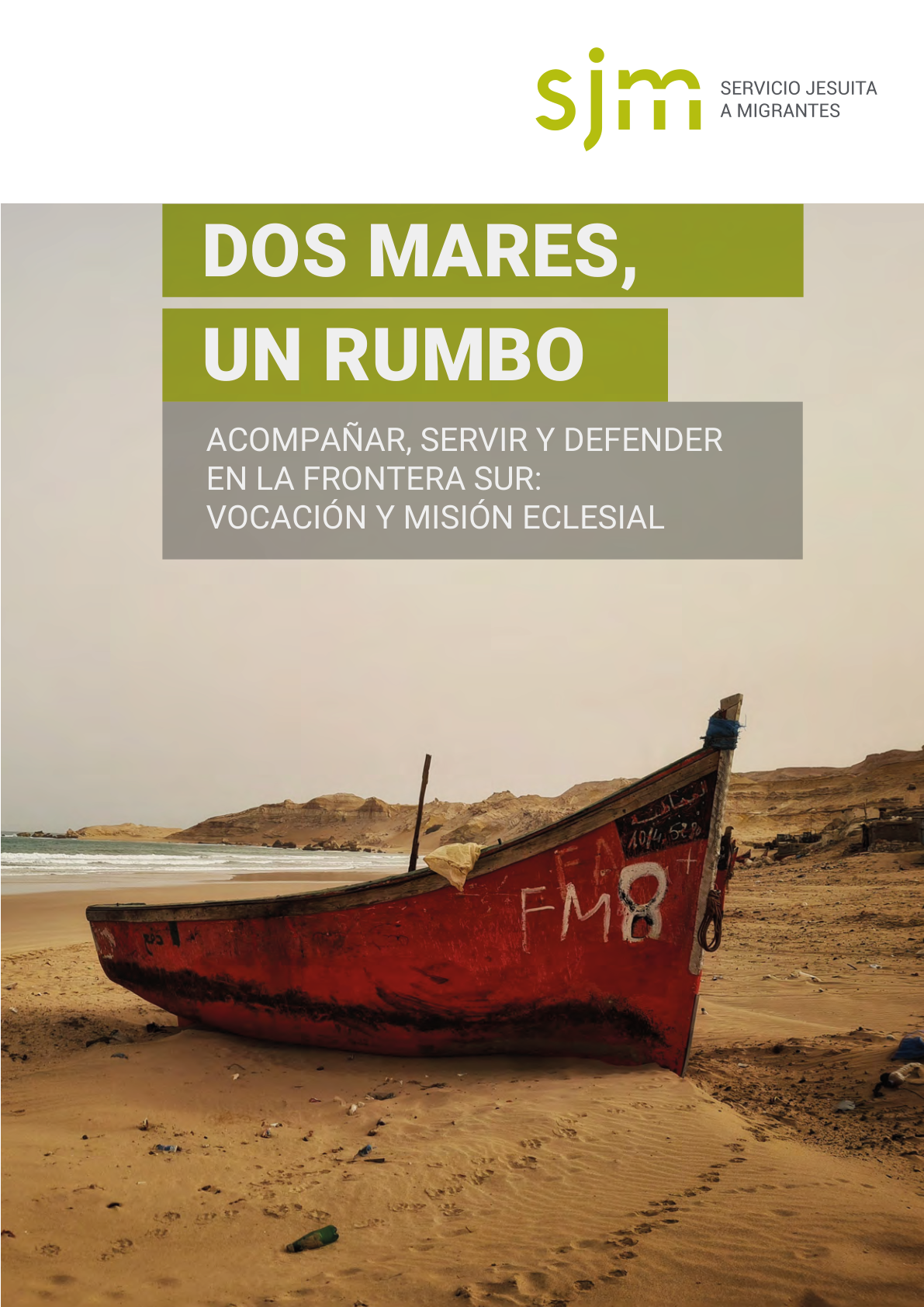
Deux mers, un même cap : le rapport 2026 du Service jésuite des migrants sur la frontière sud de l’Espagne
- Josep Buades
Rapport annuel du Service jésuite des migrants (SJM), organisme de l’apostolat social de la Compagnie de Jésus en Espagne, ce document rédigé par Josep (Pep) Buades Fuster examine les dynamiques mi...
publication
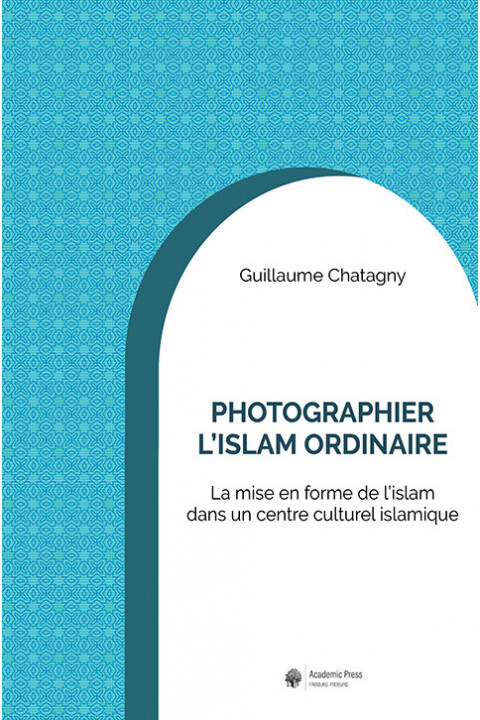
Photographier l’islam ordinaire
- Guillaume Chatagny
À quoi ressemble concrètement l’islam au sein d’une association musulmane ? C’est à cette question que répond le sociologue Guillaume Chatagny dans cet ouvrage issu d’une en...

article
L’encyclique « Magnifica humanitas » de Léon XIV et le groupe de travail Pluriel sur le dialogue interreligieux assisté par l’IA
- Wael Saleh
Texte de Wael Saleh, chercheur à l’Université du Québec à Montréal (UQAM) et membre du comité de coordination de Pluriel. La concomitance entre la publication de l’encyclique Magnifica humanitas...
publication
La reconnaissance d’un colibri. Essais sur le dialogue interreligieux et l’œuvre missionnaire (2007-2025)
- Rémi Caucanas
Publié en mai 2026 au PISAI (Rome), ce recueil rassemble les essais de Rémi Caucanas sur le dialogue interreligieux et l’œuvre missionnaire, écrits entre 2007 et 2025. Le titre La reconnaissa...
videos
De Lavigerie au PISAI : l’histoire institutionnelle de l’engagement des Missionnaires d’Afrique avec l’islam
Donnée le 21 mai 2026 à l'Institut pontifical d'études arabes et d'islamologie (PISAI) de Rome, cette conférence ouvre le cycle commémoratif du centenaire (1926-2026) de l'institut. Le père Moussa ...