
28 février 2021

Anglais, Arabe, Français
Institut français du Proche-Orient
Le christianisme en Irak au tournant de l’Islam : histoire et archéologie
Appel lancé par Les Presses de l’Ifpo suite à une table ronde internationale organisée les 4 et 5 mai 2019 à l’université de Salahaddin (Erbil, Irak) qui a mis en évidence l’intérêt d’un ouvrage collectif sur la question du christianisme en Irak au tournant de l’Islam.
Argumentaire
La disparition de l’Empire perse et le repli de l’Empire byzantin suite aux conquêtes arabo-musulmanes ont entraîné pour les chrétiens des régions conquises d’importants changements institutionnels. En Irak, l’Église syro-orientale peut se développer car elle n’est plus limitée par l’empire sassanide de religion zoroastrienne. Néanmoins, il est difficile de restituer les formes qu’a pu prendre ce christianisme ancien et d’évaluer quelles modifications a pu entraîner la conquête. L’architecture des églises semble révéler une proximité de la partie nord de l’Irak avec les territoires byzantins tandis que le sud formerait un ensemble homogène avec le golfe Arabo-Persique. Des points communs semblent néanmoins apparaître entre le nord et le sud de l’Irak, par exemple dans la culture matérielle ou la présence de sépultures dans les églises, interprétées comme des reliques. Il est difficile de savoir si ces différences et ces ressemblances sont liées à des questions d’Églises, de liturgies, d’influence régionale. Depuis les fouilles de D. T. Rice à al‑Hira dans les années 30, des projets archéologiques récents ainsi que des études épigraphiques et historiques apportent des éléments nouveaux sur le devenir du christianisme au début de l’Islam en Irak.
La table ronde internationale Le christianisme en Irak au tournant de l’Islam a permis de faire un premier état des lieux des recherches, en particulier des données archéologiques. Elle a mis en exergue la continuité des formes du christianisme avant et après l’islam, le tournant de l’islam est finalement la période la mieux documentée, à la fois par l’archéologie et par les textes. L’examen de l’architecture et de la culture matérielle ne révèle aucune rupture. Les églises ne paraissent pas modifiées, les motifs des croix en stuc sont difficiles à distinguer suivant des critères chronologiques, les types céramiques se maintiennent. S’il y a rupture, elle serait plutôt à situer dans le courant du ixe siècle. Les populations conservent leur religion, leur mode de vie, leur langue pendant au moins deux siècles après les conquêtes. Ce phénomène, qui a déjà été mis en évidence en Égypte et en Syrie, doit être mieux documenté en Irak. En effet, le christianisme dans cette région est finalement très mal connu. Il apparaît à la fois nécessaire de reconsidérer les travaux anciens dont les publications sont lacunaires et de publier les premiers résultats de travaux en cours. Cette manifestation a également mis en évidence la richesse d’une approche comparatiste entre les sources : seule la confrontation de sources textuelles et archéologiques permettra de répondre à certaines questions comme celle de la liturgie des édifices religieux.
Éditeurs
Narmin Ali Amin (Université Salahaddin-Erbil)
Julie Bonnéric (Institut français du Proche-Orient)
Barbara Couturaud (Institut français du Proche-Orient)
Comité scientifique
Kayfi Ali (Direction générale des Antiquités du Kurdistan)
Françoise Briquel-Chatonnet (CNRS UMR 8167 Orient & Méditerranée)
Pauline Koetschet (Institut français du Proche-Orient/CNRS UMR 7297 CPAF)
Karel Novacek (Palacký University Olomouc)
Dominique Pieri (Ifpo/Université Paris 1 Panthéon-Sorbonne)
St John Simpson (British Museum)
Modalités de soumission
Les propositions d’articles (max. 40.000 signes espaces compris sans la bibliographie, max. 10 figures), en français, en anglais ou en arabe, devront être envoyé sous leur forme complète et définitive avec les illustrations avant le 28 février 2021 à l’adresse suivante : voir sur le site.
Consulter toutes les modalités de soumission sur le site de l’Ifpo.
Call launched by Les Presses de l’Ifpo following an international round table organized on 4 and 5 May 2019 at the University of Salahaddin (Erbil, Iraq) which highlighted the interest of a collective work on the issue of Christianity in Iraq at the turn of Islam.
Argument
The collapse of the Persian Empire and the decreasing of the influence of the Byzantine Empire after the Muslim conquest led to important institutional changes for the Christians of the conquered areas. In Iraq, the Eastern Church was no longer limited by the Sasanian Empire ruled by the Zoroastrians and gained new opportunities to expand. Nevertheless, it is difficult to restitute the reality of this ancient Christianity and to assess the modifications resulting from the conquests. The architectural patterns of churches seem to attest to the proximity between northern Iraq and the Byzantine territories while southern Iraq and the Persian Gulf appear as a homogeneous region, as attested by certain similarities in the material culture, or the existence of burials with worship function (relics) both in northern and southern Iraq. It is difficult to link these differences and similarities with particular Churches, liturgies, and regional influences. Since the excavations of D.T. Rice in al-Hira in the 1930s, recent archaeological projects as well as epigraphic and textual studies have documented Christianity in the Early Islamic period in Iraq.
The international round table Christianity in Iraq at the turn of Islam provided an initial assessment of research, particularly archaeological data. This has highlighted the continuity of the forms of Christianity before and after Islam, the turn of Islam being the best documented period, both by archaeological data and textual sources. The study of architecture and material culture reveals no rupture. Churches appear as not have been modified, stucco crosses motifs are difficult to distinguish according to chronological criteria, and ceramic types remain unchanged. If there were a rupture, it would have rather been in the course of the 9th century. The populations keep their religion, their way of life and their languages for at least two centuries after the conquests. This phenomenon, which has already been evidenced in Egypt and Syria, must be better documented in Iraq. Indeed, finally Christianity in this region has been very poorly documented. Evidently, it is crucial to reconsider ancient works whose publications essentially fall short, and to publish simultaneously the results of the works in progress. The international round table has also highlighted the richness of a comparative approach between sources: only the confrontation of textual and archaeological sources will make it possible to answer certain questions such as that of the religious buildings’ liturgy.
Editors
Narmin Ali Amin (Université Salahaddin-Erbil)
Julie Bonnéric (Institut français du Proche-Orient)
Barbara Couturaud (Institut français du Proche-Orient)
Scientific Comitee
Kayfi Ali (Direction générale des Antiquités du Kurdistan)
Françoise Briquel-Chatonnet (CNRS UMR 8167 Orient & Méditerranée)
Pauline Koetschet (Institut français du Proche-Orient/CNRS UMR 7297 CPAF)
Karel Novacek (Palacký University Olomouc)
Dominique Pieri (Ifpo/Université Paris 1 Panthéon-Sorbonne)
St John Simpson (British Museum)
Submission Guidelines
Articles (max. 40,000 signs including spaces and without bibliography, max. 10 figures), in French, English or Arabic, should be sent in their complete and definitive form with illustrations before February 28th 2021 to the following address: j.bonneric@ifporient.com.
دعوة لتقديم المداخلات أطلقتها منشورات Ifpo إثر طاولة مستديرة دولية عُقدت يومَي 4 و5 مايو 2019 في جامعة صلاح الدين (أربيل، العراق)، أبرزت جدوى كتاب جماعي حول مسألة المسيحية في العراق عند منعطف الإسلام.
الطرح
أدّى زوال الإمبراطورية الفارسية وانحسار الإمبراطورية البيزنطية إثر الفتوحات العربية-الإسلامية إلى تحوّلات مؤسّسية مهمّة على مسيحيّي المناطق المفتوحة. في العراق، تمكّنت الكنيسة السريانية الشرقية من التطوّر إذ لم تعد مقيَّدة بالإمبراطورية الساسانية الزرادشتية. غير أنّ من الصعب استعادة الأشكال التي اتّخذتها المسيحية القديمة، وتقييم التحوّلات التي جلبتها الفتوحات. تبدو معمارية الكنائس كاشفةً عن قرب شمال العراق من الأراضي البيزنطية، فيما يُشكّل الجنوب مجموعةً متجانسة مع الخليج العربي-الفارسي. مع ذلك تظهر نقاط مشتركة بين الشمال والجنوب، مثلاً في الثقافة المادية أو حضور القبور في الكنائس، المفسَّرة بوصفها ذخائر مقدّسة. من الصعب معرفة ما إذا كانت هذه الاختلافات والتشابهات مرتبطة بمسائل كنسية أم ليتورجية أم بأثر إقليمي. منذ حفريات D. T. Rice في الحيرة في الثلاثينيات، تُقدّم مشاريع أثرية حديثة ودراسات كتابية وتاريخية عناصر جديدة عن مصير المسيحية في مطلع الإسلام في العراق.
أتاحت الطاولة المستديرة الدولية «المسيحية في العراق عند منعطف الإسلام» رسمَ حصيلة أولى للأبحاث، لا سيّما المعطيات الأثرية. أبرزت استمرارية أشكال المسيحية قبل الإسلام وبعده؛ فمنعطف الإسلام هو في نهاية المطاف الفترة الأفضل توثيقاً، سواء أثرياً أم نصياً. فحص المعمار والثقافة المادية لا يكشف عن أيّ قطيعة. لا تبدو الكنائس متحوّلة، ورموز الصلبان في الجصّ يصعب تمييزها زمنياً، وأنواع الفخّار تصمد. إن كان ثمّة قطيعة، فتقع في القرن التاسع الميلادي. تحتفظ السكّان بديانتهم ونمط عيشهم ولغتهم لقرنين على الأقلّ بعد الفتوحات. هذه الظاهرة، التي أُبرزت بالفعل في مصر وسوريا، تحتاج توثيقاً أفضل في العراق. فالمسيحية في هذه المنطقة تبقى معروفة بشكل ضعيف. يبدو ضرورياً في آنٍ واحد إعادة النظر في الأعمال القديمة التي كانت منشوراتها ناقصة، ونشر النتائج الأولى للأعمال الجارية. كما أبرز هذا اللقاء ثراء المقاربة المقارَنة بين المصادر: فالتقاطع بين المصادر النصية والأثرية وحده يُتيح الإجابة عن أسئلة كأسئلة الليتورجيا في المباني الدينية.
المحرِّرون
نرمين علي أمين (جامعة صلاح الدين، أربيل)
Julie Bonnéric (المعهد الفرنسي للشرق الأدنى)
Barbara Couturaud (المعهد الفرنسي للشرق الأدنى)
اللجنة العلمية
كيفي علي (المديرية العامّة للآثار في كوردستان)
Françoise Briquel-Chatonnet (CNRS UMR 8167 Orient & Méditerranée)
Pauline Koetschet (المعهد الفرنسي للشرق الأدنى / CNRS UMR 7297 CPAF)
Karel Novacek (جامعة بالاكي أولوموتس)
Dominique Pieri (Ifpo / جامعة باريس 1 بانتيون-سوربون)
St John Simpson (المتحف البريطاني)
شروط تقديم المقترحات
يجب إرسال مقترحات المقالات (بحدّ أقصى 40000 حرف بالمسافات دون البيبليوغرافيا، وبحدّ أقصى 10 صور)، بالفرنسية أو الإنجليزية أو العربية، في صيغتها الكاملة والنهائية مع الرسوم قبل 28 فبراير 2021 إلى العنوان الوارد في الموقع.


Ressources liées à Histoire
publication
La reconnaissance d’un colibri. Essais sur le dialogue interreligieux et l’œuvre missionnaire (2007-2025)
- Rémi Caucanas
Publié en mai 2026 au PISAI (Rome), ce recueil rassemble les essais de Rémi Caucanas sur le dialogue interreligieux et l’œuvre missionnaire, écrits entre 2007 et 2025. Le titre La reconnaissa...
videos
De Lavigerie au PISAI : l’histoire institutionnelle de l’engagement des Missionnaires d’Afrique avec l’islam
Donnée le 21 mai 2026 à l'Institut pontifical d'études arabes et d'islamologie (PISAI) de Rome, cette conférence ouvre le cycle commémoratif du centenaire (1926-2026) de l'institut. Le père Moussa ...
publication
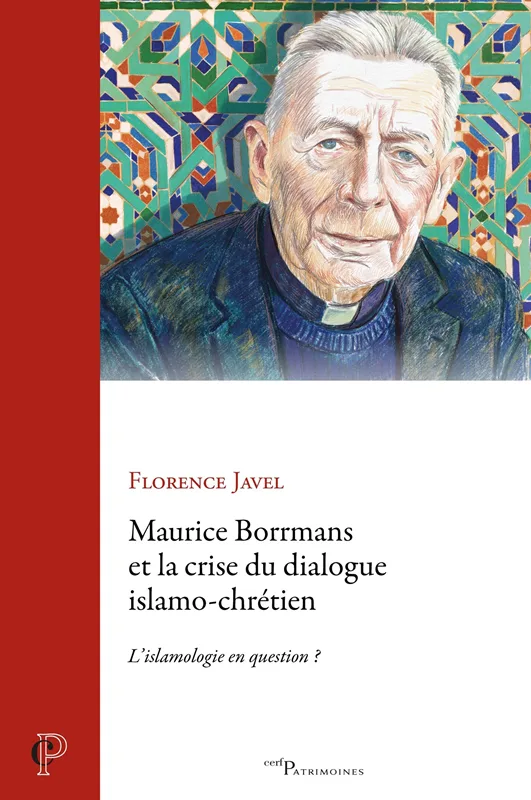
Maurice Borrmans et la crise du dialogue islamo-chrétien. L’islamologie en question ?
- Florence Javel
En 2025-2026, nous célébrons les soixante ans du concile Vatican II et de la déclaration Nostra aetate (28 octobre 1965). Un siècle plus tôt, en octobre 1925, naissait à Lille Maurice Borrmans, fut...
videos
Georges Anawati, un chrétien face au mystère de l’islam
Ce documentaire bilingue arabe-français retrace la vie et l'œuvre du Père Georges Chéhata Anawati (1905-1994), dominicain égyptien, philosophe et pionnier du dialogue islamo-chrétien. Mêlant narrat...
publication
L’islam et les musulmans. Doctrines, écoles et tendances actuelles
- Michel Younès
Paru le 16 avril 2026. L’islam, comme réalité historique, religieuse et civilisationnelle, est difficilement définissable. Il peut être perçu comme une forme de gouvernance politique, une expressio...
publication
Canon et censure dans l’histoire intellectuelle de l’islam
- Amir Dziri
Paru sous le titre Canon and Censorship in Islamic Intellectual History (De Gruyter, collection « Islam : Thought, Culture, and Society », vol. 16, 2026), cet ouvrage collectif est dirigé par Moham...

videos
Maurice Borrmans (1925-2017), un islamologue défenseur du dialogue entre chrétiens et musulmans
- Florence Javel
Le 19 février 2026, à la bibliothèque Maurice Borrmans du Pontificio Istituto di Studi Arabi e d'Islamistica (PISAI, Institut pontifical d'études arabes et d'islamologie) à Rome, Florence Javel, do...

videos
Paysage et architecture comme occasions de contemplation et de dialogue interreligieux dans les récits de voyage du soufi Abd al-Ghani al-Nabulusi
Communication présentée lors du cinquième congrès international de la Plateforme universitaire de recherche sur l'islam (PLURIEL), tenu à Cordoue du 10 au 14 février 2026 sur le thème « Éthique et ...