
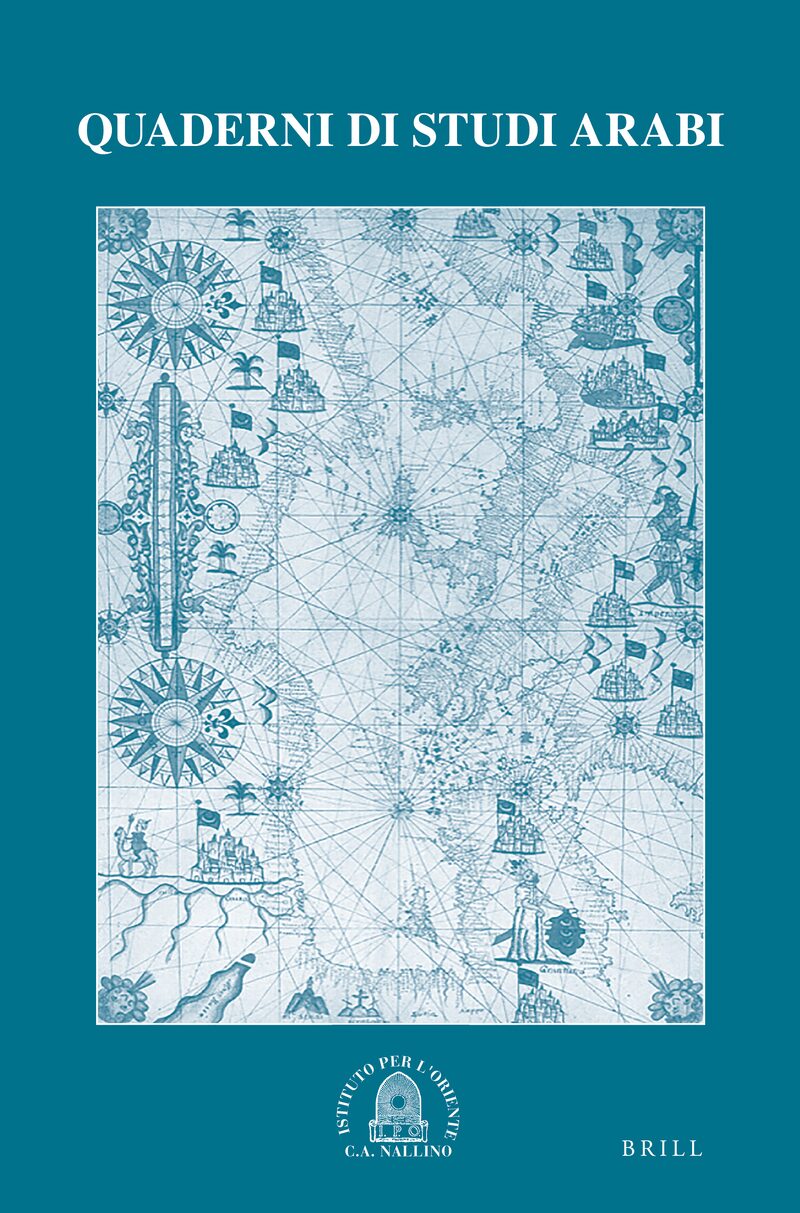

تراثٌ روحيٌّ عَطِر: تأمّلاتٌ في العطور في الإسلام
ملخّص
يظهر هذا المقال في العدد 20 (2025) من مجلّة Quaderni di Studi Arabi (كراسات الدراسات العربية)، تحت عنوانه الأصلي:
A Fragrant Spiritual Heritage. Some Considerations on Perfumes in Islam
تعود فيه إيدا زيليو-غراندي، الأستاذة في جامعة كافوسكاري في البندقية، إلى ثابتٍ من ثوابت التاريخ الإسلامي قلّ ما أُشبع بحثًا: الشغف بالعطور. شغفٌ تشهد عليه اليوم أسواق المشرق العربي كما تشهد عليه المجمّعات التجارية الفخمة في مدن الخليج. وتلتقط الباحثة قرينةً إضافيةً في افتتاحٍ حديثٍ لمتحفٍ متخصّص، هو «بيت العطور»، في حيّ الشندغة التاريخي بدبيّ، مطلًّا على خور دبيّ.
انطلاقًا من هذا الأفق المعاصر، يقترح المقال جملةً من التأمّلات في الأهمية الثقافية للعطور في المجتمع الإسلامي، من الأزمنة الأولى حتى اليوم. ويبدأ ذلك من استعمال المفردات الثلاث الأساسية في المعجم العربي: «الرِّيح» و«الطِّيب» و«العِطر»، في النصوص المؤسِّسة، ليتتبّع بعد ذلك امتداداتها في التقليد النبويّ والروحيّ والثقافة المادية.
يمدّ هذا العملُ، بمَنفذٍ حسّيٍّ غير متوقَّع، الأبحاثَ التي كرّستها المؤلّفة منذ أكثر من عقدَين للمعجم الأخلاقي والروحي العربي-الإسلامي، ومنها كتابها الحديث «فضائل المسلم الصالح» (كافوسكاري، 2025).
المقالُ متاحٌ على صفحة المجلة لدى دار Brill، ونسخةُ المؤلِّفة متاحةٌ عبر Academia.edu.
Résumé
Publié sous le titre original « A Fragrant Spiritual Heritage. Some Considerations on Perfumes in Islam » dans le volume 20 (2025) des Quaderni di Studi Arabi, cet article de Ida Zilio-Grandi (Université Ca’ Foscari de Venise) revient sur une constante peu étudiée de l’histoire islamique : la passion pour les parfums.
Elle s’observe aujourd’hui aussi bien dans les souks du Moyen-Orient que dans les vastes centres commerciaux des villes du Golfe ; l’auteure prend pour indice supplémentaire l’ouverture récente d’un musée entièrement consacré aux parfums, la « Maison des parfums » (Bayt al-ʿuṭūr), dans le quartier historique d’al-Shindagha à Dubaï, face à la Dubai Creek.
À partir de cet horizon contemporain, l’essai propose une série de considérations sur l’importance culturelle des parfums dans la société islamique, des origines à nos jours. Il part pour cela de l’usage des trois mots-clés du lexique : rīḥ, ṭīb et ʿiṭr, dans les textes fondateurs, avant d’en suivre les prolongements dans la tradition prophétique, la spiritualité et la culture matérielle.
Cet article prolonge par une entrée sensorielle inattendue les travaux que la chercheuse consacre depuis plus de deux décennies au lexique éthique et spirituel arabo-musulman (voir notamment son ouvrage récent Les vertus du bon musulman, Ca’ Foscari, 2025).
Article disponible sur la plateforme de la revue chez Brill ; version auteure sur Academia.edu.
Abstract
Published in volume 20 (2025) of Quaderni di Studi Arabi, this article by Ida Zilio-Grandi (Ca’ Foscari University of Venice) revisits a constant of Islamic history that has attracted relatively little scholarly attention: the passion for perfumes.
Such a passion is visible today in the markets of the Middle East as well as in the vast shopping malls of the Gulf cities. The author takes as a further sign the recent opening of a museum entirely devoted to perfumes, the “House of Perfumes” (Bayt al-ʿuṭūr), in the historic al-Shindagha district of Dubai, facing the Dubai Creek.
Starting from this contemporary horizon, the essay proposes a series of considerations on the cultural importance of perfumes in Islamic society, from the earliest times until today, beginning with the use of three key words of the lexicon: rīḥ, ṭīb and ʿiṭr, in the foundational texts, and then following their extensions in the prophetic tradition, spirituality and material culture.
This article extends, through an unexpected sensory entry point, the sustained work Zilio-Grandi has devoted for more than two decades to the ethical and spiritual Arab-Muslim lexicon (see in particular her recent volume The Virtues of the Good Muslim, Ca’ Foscari, 2025).
The article is available on the Brill journal page; author’s version on Academia.edu.


مصادر الكاتب في الموقع
المصادر المرتبطة بـ  انتروبولوجيا الأديان

article
اختبار مسجد عبر التصوير الفوتوغرافي: الإسلامُ ديانةً عاديّة
ملخّص يظهر هذا المقال، المنشورُ سنة 2021 في مجلّة Visual Ethnography (المجلّد 10، العدد 2)، تحت عنوانه الأصليّ: Experiencing a Mosque Through Photography: Islam As an Ordinary Religion يتس...
publication
Les Affranchis. Des dérives religieuses dans le judaïsme, le christianisme et l’islam
- روبرتا كولو موران
يقدّم كتاب «Les Affranchis ـ الانحرافات الدينية في اليهودية والمسيحية والإسلام» (دار Le Passeur، 2020) قراءة أنثروبولوجية للانحرافات الدينية والتطرّف داخل الديانات التوحيدية الثلاث. تجمع روبرتا كول...
article
تراثٌ روحيٌّ عَطِر: تأمّلاتٌ في العطور في الإسلام
ملخّص يظهر هذا المقال في العدد 20 (2025) من مجلّة Quaderni di Studi Arabi (كراسات الدراسات العربية)، تحت عنوانه الأصلي: A Fragrant Spiritual Heritage. Some Considerations on Perfumes in Islam...
publication
تصوير الإسلام اليومي
- غيوم شاتاني
كيف يتجلى الإسلام فعليًا داخل جمعية إسلامية؟ هذا هو السؤال الذي يجيب عنه عالم الاجتماع غيوم شاتانيي في هذا المؤلَّف المستمَد من بحث ميداني أُجري بين عامَي 2017 و2021 داخل مركز ثقافي إسلامي ألباني ف...
publication
السياحة الدينية والاستدامة في منطقة الشرق الأوسط وشمال أفريقيا
- أنطونيو أنجيلوتشي
حرّره أنطونيو أنجيلوتشي وفلافيا كورتيليتزي وأليساندرو كوبري (دار Ledizioni، 2025)، ويقدّم هذا الكتاب إطاراً نظرياً ومنهجياً للسياحة الدينية، وهي قطاع في توسّع مستمر. ويولي اهتماماً خاصاً بسوق السيا...
article
«أنثروبولوجيا الحبِّ الإماميِّ لدى المؤمنين الإيرانيّين»، بقلم سيبيده بارساباجوه
- سبيده بارساباجوه
في المجلَّدِ التكريميِّ المُهدى إلى العالِمِ في الدراساتِ الإسلاميّةِ محمد علي أمير معزّي، الصادرِ عن دار بريبولس سنة 2025 بإشرافِ أورخان مير قاسموف ومَتيو تيرييه، تُخصِّصُ سيبيده بارساباجوه، الأنث...
videos
ماذا يعني إصلاح الدين؟
محاضرة ألقاها محمد الحداد في إطار كرسي قنواتي بالمعهد الدومينيكاني للدراسات الشرقية بالقاهرة. ملخص منصة الجامعة للبحث عن الإسلام يقدم محمد الحداد رؤيته للإصلاح الديني في إطار العلوم الإنسانية و...
publication
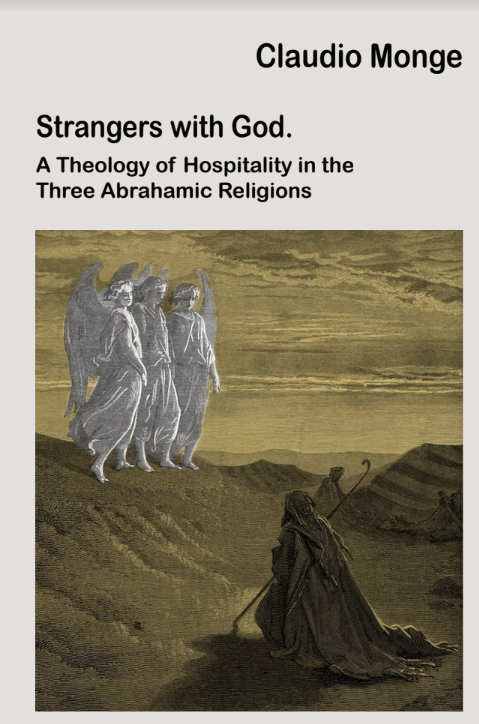
غرباء مع الله. لاهوت الضيافة في الديانات الإبراهيمية الثلاث
- كلاوديو مونج
تمثل هذه الصفحات خلاصة رحلة طويلة استمرت لأكثر من خمسة وعشرين عامًا. سيكون من المبسط تعريف هذه الرحلة على أنها فكرية حصرًا، إذ أنها لا يمكن تصورها دون زيارات متكررة إلى الشرق الأوسط، وخاصة تركيا، ا...