
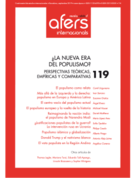
Islamic populism: a non-Western response to globalisation
Article in Spanish
Resumen: Los excesos de la globalización, los regímenes híbridos en el mundo musulmán, la falta de credibilidad de los proyectos pana- rabistas y panislámicos, etc., han provocado que una importante parte de la umma –la co- munidad de creyentes del islam– busque res- puestas alternativas a las opciones políticas tradicionales. Frente a las repuestas neofun- damentalistas,posislamistasoconservadoras en algunas sociedades islámicas, comienzan a emerger otras opciones como el «populismo islámico», que recoge algunos elementos ya apuntados por la Revolución Iraní pero que incorpora nuevas demandas derivadas de las condiciones políticas, sociales y económicas actuales. El presente artículo busca identi car estos elementos que constituyen el populismo islámico mediante un estudio comparado de los casos de Egipto, Turquía, Indonesia e Irán.
Abstract: Globalisation’s excesses, the Mus- lim world’s hybrid regimes and the lack of credibility of pan-Arab and pan-Islamic pro- jects have, along with other factors, caused a signi cant part of the umma to seek al- ternative responses to the traditional politi- cal options. As well as neo-fundamentalist, post-Islamist and conservative responses, in some Islamic societies other options such as “Islamic populism” are beginning to emerge, which takes up certain features of the Iranian Revolution but incorporating new demands deriving from contemporary political, social and economic conditions. This paper seeks to identify the elements that constitute Islamic populism through a comparative study of the cases of Egypt, Turkey, Indonesia and Iran.
Article en espagnol
Resumen: Los excesos de la globalización, los regímenes híbridos en el mundo musulmán, la falta de credibilidad de los proyectos pana- rabistas y panislámicos, etc., han provocado que una importante parte de la umma –la co- munidad de creyentes del islam– busque res- puestas alternativas a las opciones políticas tradicionales. Frente a las repuestas neofun- damentalistas,posislamistasoconservadoras en algunas sociedades islámicas, comienzan a emerger otras opciones como el «populismo islámico», que recoge algunos elementos ya apuntados por la Revolución Iraní pero que incorpora nuevas demandas derivadas de las condiciones políticas, sociales y económicas actuales. El presente artículo busca identi car estos elementos que constituyen el populismo islámico mediante un estudio comparado de los casos de Egipto, Turquía, Indonesia e Irán.
Abstract: Globalisation’s excesses, the Mus- lim world’s hybrid regimes and the lack of credibility of pan-Arab and pan-Islamic pro- jects have, along with other factors, caused a signi cant part of the umma to seek al- ternative responses to the traditional politi- cal options. As well as neo-fundamentalist, post-Islamist and conservative responses, in some Islamic societies other options such as “Islamic populism” are beginning to emerge, which takes up certain features of the Iranian Revolution but incorporating new demands deriving from contemporary political, social and economic conditions. This paper seeks to identify the elements that constitute Islamic populism through a comparative study of the cases of Egypt, Turkey, Indonesia and Iran.
مقال بالإسبانية
Resumen: Los excesos de la globalización, los regímenes híbridos en el mundo musulmán, la falta de credibilidad de los proyectos panarabistas y panislámicos, etc., han provocado que una importante parte de la umma —la comunidad de creyentes del islam— busque respuestas alternativas a las opciones políticas tradicionales. Frente a las respuestas neofundamentalistas, posislamistas o conservadoras en algunas sociedades islámicas, comienzan a emerger otras opciones como el «populismo islámico», que recoge algunos elementos ya apuntados por la Revolución Iraní pero que incorpora nuevas demandas derivadas de las condiciones políticas, sociales y económicas actuales. El presente artículo busca identificar estos elementos que constituyen el populismo islámico mediante un estudio comparado de los casos de Egipto, Turquía, Indonesia e Irán.
ملخّص: أدّى تجاوزات العولمة، والأنظمة الهجينة في العالم الإسلامي، وفقدان مصداقية المشاريع القومية العربية والإسلامية، وعوامل أخرى، إلى بحث قسم كبير من الأمّة عن ردود بديلة للخيارات السياسية التقليدية. إلى جانب الردود ما بعد الأصولية وما بعد الإسلاموية والمحافظة، بدأت في بعض المجتمعات الإسلامية تظهر خيارات أخرى مثل «الشعبوية الإسلامية»، التي تستعيد بعض ملامح الثورة الإيرانية لكنّها تُدمج مطالب جديدة نابعة من الشروط السياسية والاجتماعية والاقتصادية المعاصرة. تسعى هذه الورقة إلى تحديد العناصر المكوِّنة للشعبوية الإسلامية عبر دراسة مقارَنة لحالات مصر وتركيا وإندونيسيا وإيران.
Resources related to keywords

article
Wael Saleh: “Recognising Without Confining, to Better ‘De-other’ the Public Debate”
- Wael Saleh
In an op-ed published on 20 July 2026 by Le Devoir, Wael Saleh, a member of the scientific committee of Pluriel, puts forward a new concept for contemporary democratic debate: "de-othering" (in Fre...
videos
“War and peace”, by Adrien Candiard
On Wednesday 20 May 2026, the Dominican Institute for Oriental Studies (IDEO) hosted in Cairo a lecture by Brother Adrien Candiard, Dominican and Islamologist, on the theme "War and peace". Faced w...

article
Kenneth Cragg and the Event of the Qur’an
- Timo Güzelmansur
Article by Timo Güzelmansur published under the title Kenneth Cragg und das Ereignis des Koran on the theological portal feinschwarz.net (12 June 2026, open access). Timo Güzelmansur presents the A...
article
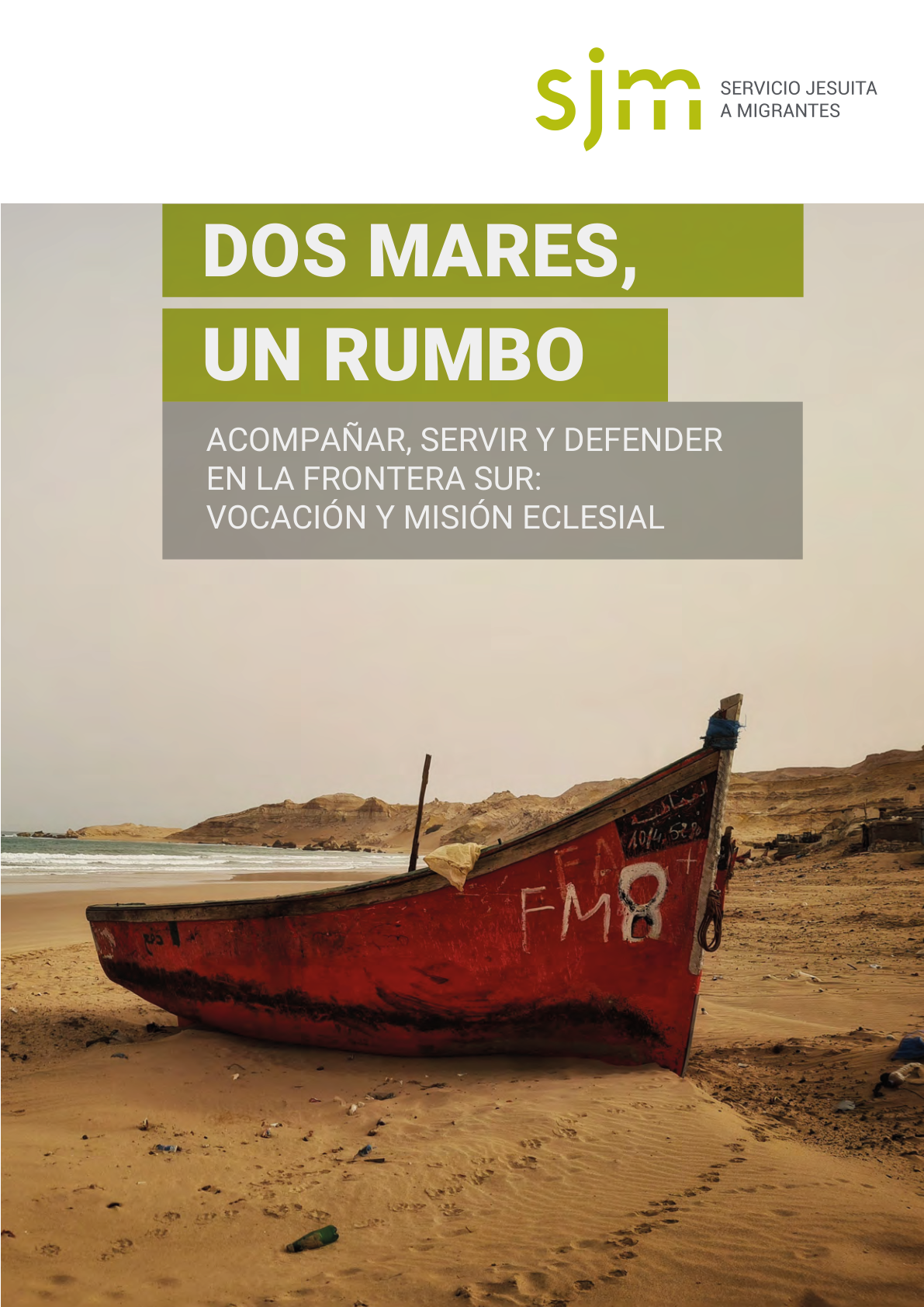
Two Seas, One Course: The 2026 Jesuit Migrant Service Report on Spain’s Southern Border
- Josep Buades
The annual report of the Jesuit Migrant Service (SJM), the social apostolate body of the Society of Jesus in Spain, written by Josep (Pep) Buades Fuster, examines the migratory dynamics of Spain’s ...
publication
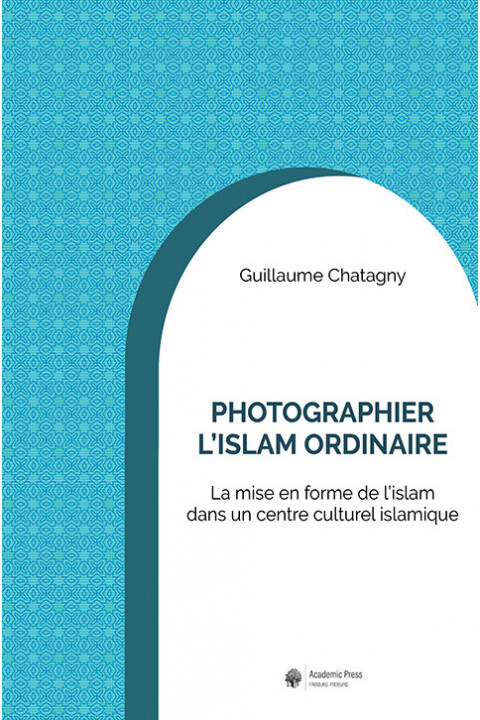
Photographing Ordinary Islam
- Guillaume Chatagny
What does Islam concretely look like within a Muslim association? This is the question addressed by sociologist Guillaume Chatagny in this book, based on fieldwork conducted between 2017 and 2021 w...

article
Leo XIV’s encyclical Magnifica Humanitas and the Pluriel working group on AI-assisted interreligious dialogue
- Wael Saleh
Text by Wael Saleh, researcher at the Université du Québec à Montréal (UQAM) and member of the Pluriel coordination committee. The simultaneous appearance of Leo XIV's encyclical Magnifica Human...

publication
The Recognition of a Hummingbird. Essays on Interreligious Dialogue and Missionary Work (2007-2025)
- Rémi Caucanas
Published in May 2026 by PISAI (Pontifical Institute for Arabic and Islamic Studies, Rome), this collection brings together the essays of Rémi Caucanas on interreligious dialogue and missionary wor...

videos
From Lavigerie to PISAI: The Institutional History of the Missionaries of Africa’s Engagement with Islam
Delivered on 21 May 2026 at the Pontifical Institute for Arabic and Islamic Studies (PISAI) in Rome, this lecture opens the series of conferences marking the institute's centenary (1926-2026). Fr. ...