
9 October 2019

,
Università Cattolica del Sacro Cuore
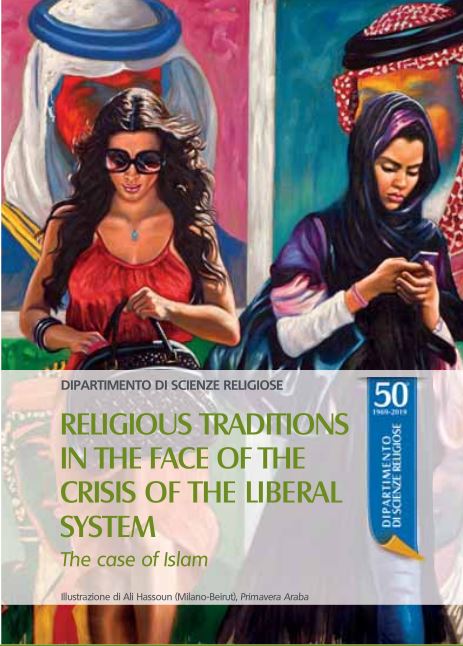
Religious Traditions in the Face of the Crisis of Liberal System. The Case of Islam. (Milano, October 9th, 2019)
Religions have regained a considerable role in the public space, to an extent that was hardly imaginable until recently. With the beginning of the century, religiosity seems to consist in the flourishing of beliefs and belongings – however, this occurs in the context of secularized societies, with the risk of ephemeral ‘DIY (do it yourself)’ and unscrupulous spirituality borrowing “updated” symbols from traditional beliefs, for purposes that often do not relate to the experience of a ‘genuine’ religiosity.
The emptiness that has arisen with the crisis of the great secular ideologies of the last century cannot be filled by a trivializing appeal to religious-racial identities often results in an increasingly widespread and worrisome religious illiteracy as well as it in ‘politicization’.
Understanding these dynamics does not only means describing and analyzing them, but involves the delicate task of imagining possible strategies to channel useful energies in initiatives aimed at countering problematic deviances.
 Università Cattolica di Milano
October, 9th 2019
Room: G 016 – Maria Immacolata
h 9.30/17.30
Welcome Introduction
Angelo Bianchi, Dean of the Faculty of Letters and Philosophy
Marco Rizzi, Director of the Department of Religious Sciences
h 10
First Session: History
- Branca, “Rethinking Albert Hourani’s Arabic Thought in the Liberal Age 37 years later” (in French)
- Matteo Legrenzi, University of Venice, The Legacy of Hourani’s view in the Middle Eastern Studies
- Mostfa Mohamed-Ali, Maître de conférences sur le monde arabo-musulman et les représentations interculturelles – Université Catholique de Lyon
h 11.30
Second Session: is Past coming back?
- Fabio Introini, Giulia Mezzetti, Università Cattolica del Sacro Cuore & Fondazione ISMU, An ecological persepctive for exploring jihadist radicalization processes. A theoretical proposal
- Michele Esposti-Ongaro, PHD, University of Pavia/Pluriel – Università Cattolica of Milano, History Teaching and Reorientation of History in the Public School Textbooks of the Gulf Countries. The Case of Kuwait.
- Paolo Gonzaga, Islamic Radical Literature: from the Muslim Brothers to Isis.
14-30/16
Third Session: Experiences of education and formation
- Antonio Cuciniello, Università Cattolica del Sacro Cuore & Fondazione ISMU, Interpreting the Muslim World in some Italian Textbooks
- Marco Demichelis, University of Navarra, Education = Integration, identities and narratives for a preventive non-radicalization
- Davide Tacchini, F.-Schiller-Universität, Jena, Germany: “Human Mobility, Refugees and Reconciliation in the MENA Region”.
- Khaled Qatam, former Prof. of Arabic University of Parma, Italy: “The image of the current Islamic guides and its reflection in the new Muslim generations”
Ce colloque est une activité du groupe de recherche thématique de Pluriel basé à Milan : Pour une dé-radicalisation préventive. La reconfiguration des humanités dans une approche inter-religieuse. (Coordination : Paolo Branca et Marco Demichelis)
ABSTRACT (English)
Religions have regained a considerable role in the public space, to an extent that was hardly imaginable until recently. With the beginning of the century, religiosity seems to consist in the flourishing of beliefs and belongings – however, this occurs in the context of secularized societies, with  the risk of ephemeral ‘DIY (do it yourself)’ and unscrupulous spirituality borrowing “updated” symbols from traditional beliefs, for purposes that often do not relate to the experience of a ‘genuine’ religiosity.
The emptiness that has arisen with the crisis of the great secular ideologies of the last century cannot be filled by a trivializing appeal to religious-racial identities often results in an increasingly widespread and worrisome religious illiteracy as well as it in ‘politicization’.
Understanding these dynamics does not only means describing and analyzing them, but involves the delicate task of imagining possible strategies to channel useful energies in initiatives aimed at countering problematic deviances.
 Università Cattolica di Milano | October, 9th 2019
Room NI.010-011, h 9.30-17.30
Via Nirone, 15 – Milano
PROGRAM
h 9.30/17.30 : Welcome Introduction
- Angelo Bianchi, Dean of the Faculty of Letters and Philosophy
- Marco Rizzi, Director of the Department of Religious Sciences
h 10
First Session: History
- Paolo Branca, “Rethinking Albert Hourani’s Arabic Thought in the Liberal Age 37 years later” (in French)
- Mohamed-Ali Mostfa , Maître de conférences sur le monde arabo-musulman et les représentations interculturelles – Université Catholique de Lyon, Le bricolage religieux. Entre ambivalence et domestication des symboles
- Fr. Paolo NICELLI, Pime – Venerable Ambrosian Library, Islãm and Religious Plurality in South-East Asia
h 11.30
Second Session: is Past coming back?
- Fabio Introini, Giulia Mezzetti, Università Cattolica del Sacro Cuore & Fondazione ISMU, An ecological persepctive for exploring jihadist radicalization processes. A theoretical proposal
- Michele Esposti-Ongaro, PHD, University of Pavia/Pluriel – Università Cattolica of Milano, History Teaching and Reorientation of History in the Public School Textbooks of the Gulf Countries. The Case of Kuwait.
- Paolo Gonzaga, Università Cattolica del Sacro Cuore – Pluriel, Islamic Radical Literature: from the Muslim Brothers to Isis.
h. 13.00-14.30
Lunch buffet
14-30/16
Third Session: Experiences of education and formation
- Antonio Cuciniello, Università Cattolica del Sacro Cuore & Fondazione ISMU, Interpreting the Muslim World in some Italian Textbooks
- Marco Demichelis, University of Navarra, Education = The ‘Ijazah’ of Education. New Identities and History for a non-radicalized perspective of Islam in Europe
- Davide Tacchini, F.-Schiller-Universität, Jena, Germany: “Human Mobility, Refugees and Reconciliation in the MENA Region”.
- Khaled Qatam, former Prof. of Arabic, University of Parma, Italy: “The image of the current Islamic guides and its reflection in the new Muslim generations”
16/17.30
Conclusions and perspectives
Mons. Khaled AKASHEH, Bureau chief for Islam at the Pontifical Council for Inter-Religious Dialogue
Le Document d’Abou Dhabi sur la Fraternité humaine, pour la paix mondiale et la coexistence commune signée par le pape François et le Grand Imam d’al-Azhar
هذه الندوة نشاط لمجموعة البحث الموضوعية التابعة للمنصة في ميلانو: من أجل نزع تطرّف وقائي. إعادة تشكيل العلوم الإنسانية في مقاربة بين الأديان. (بتنسيق: Paolo Branca وMarco Demichelis)
الملخّص (بالإنجليزية)
Religions have regained a considerable role in the public space, to an extent that was hardly imaginable until recently. With the beginning of the century, religiosity seems to consist in the flourishing of beliefs and belongings — however, this occurs in the context of secularized societies, with the risk of ephemeral ‘DIY (do it yourself)’ and unscrupulous spirituality borrowing “updated” symbols from traditional beliefs, for purposes that often do not relate to the experience of a ‘genuine’ religiosity.
The emptiness that has arisen with the crisis of the great secular ideologies of the last century cannot be filled by a trivializing appeal to religious-racial identities often resulting in an increasingly widespread and worrisome religious illiteracy as well as in ‘politicization’.
Understanding these dynamics does not only means describing and analyzing them, but involves the delicate task of imagining possible strategies to channel useful energies in initiatives aimed at countering problematic deviances.
Università Cattolica di Milano | 9 أكتوبر 2019
قاعة NI.010-011، 9:30-17:30
Via Nirone, 15 — ميلانو
البرنامج
9:30 / 17:30: الافتتاح
- Angelo Bianchi، عميد كلية الآداب والفلسفة
- Marco Rizzi، مدير قسم العلوم الدينية
10:00: الجلسة الأولى: التاريخ
- Paolo Branca: «إعادة قراءة كتاب Albert Hourani Arabic Thought in the Liberal Age بعد 37 عاماً» (بالفرنسية)
- محمد علي مصطفى، أستاذ محاضر عن العالم العربي-الإسلامي والتمثيلات بين الثقافات، الجامعة الكاثوليكية في ليون: «الترقيع الديني: بين التذبذب وتدجين الرموز»
- الأب Paolo NICELLI، Pime – مكتبة Ambrosian: Islām and Religious Plurality in South-East Asia
11:30: الجلسة الثانية: هل يعود الماضي؟
- Fabio Introini، Giulia Mezzetti، Università Cattolica del Sacro Cuore ومؤسّسة ISMU: An ecological perspective for exploring jihadist radicalization processes. A theoretical proposal
- Michele Esposti-Ongaro، دكتوراه، جامعة Pavia / Pluriel — Università Cattolica ميلانو: History Teaching and Reorientation of History in the Public School Textbooks of the Gulf Countries. The Case of Kuwait.
- Paolo Gonzaga، Università Cattolica del Sacro Cuore – Pluriel: Islamic Radical Literature: from the Muslim Brothers to Isis.
13:00 – 14:30
غداء بوفيه
14:30 / 16:00: الجلسة الثالثة: تجارب في التربية والتكوين
- Antonio Cuciniello، Università Cattolica del Sacro Cuore ومؤسّسة ISMU: Interpreting the Muslim World in some Italian Textbooks
- Marco Demichelis، جامعة Navarra: Education = The ‘Ijazah’ of Education. New Identities and History for a non-radicalized perspective of Islam in Europe
- Davide Tacchini، جامعة Friedrich Schiller، ينا، ألمانيا: Human Mobility, Refugees and Reconciliation in the MENA Region
- خالد قطام، أستاذ سابق للعربية، جامعة Parma، إيطاليا: «صورة القدوات الإسلامية الحالية وانعكاسها على الأجيال المسلمة الجديدة»
16:00 / 17:30
الاستنتاجات والآفاق
المونسنيور خالد عكاشة، رئيس مكتب الإسلام في المجلس البابوي للحوار بين الأديان
«وثيقة أبوظبي حول الأخوّة الإنسانية من أجل السلام العالمي والعيش المشترك» التي وقّعها البابا فرنسيس وشيخ الأزهر
Resources related to keywords
article
Wael Saleh: “Recognising Without Confining, to Better ‘De-other’ the Public Debate”
- Wael Saleh
In an op-ed published on 20 July 2026 by Le Devoir, Wael Saleh, a member of the scientific committee of Pluriel, puts forward a new concept for contemporary democratic debate: "de-othering" (in Fre...
videos
“War and peace”, by Adrien Candiard
On Wednesday 20 May 2026, the Dominican Institute for Oriental Studies (IDEO) hosted in Cairo a lecture by Brother Adrien Candiard, Dominican and Islamologist, on the theme "War and peace". Faced w...
article
Kenneth Cragg and the Event of the Qur’an
- Timo Güzelmansur
Article by Timo Güzelmansur published under the title Kenneth Cragg und das Ereignis des Koran on the theological portal feinschwarz.net (12 June 2026, open access). Timo Güzelmansur presents the A...
article
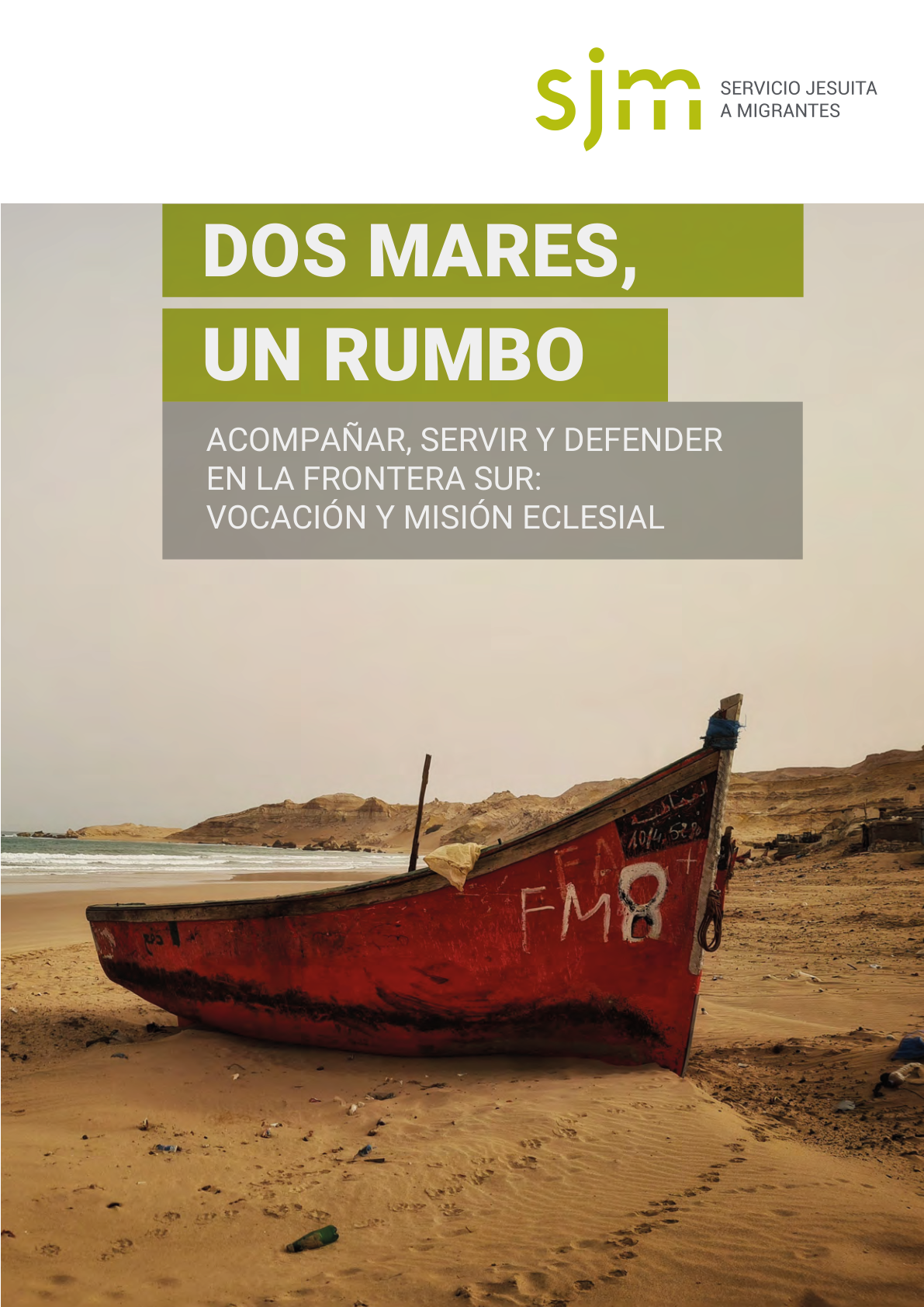
Two Seas, One Course: The 2026 Jesuit Migrant Service Report on Spain’s Southern Border
- Josep Buades
The annual report of the Jesuit Migrant Service (SJM), the social apostolate body of the Society of Jesus in Spain, written by Josep (Pep) Buades Fuster, examines the migratory dynamics of Spain’s ...
publication
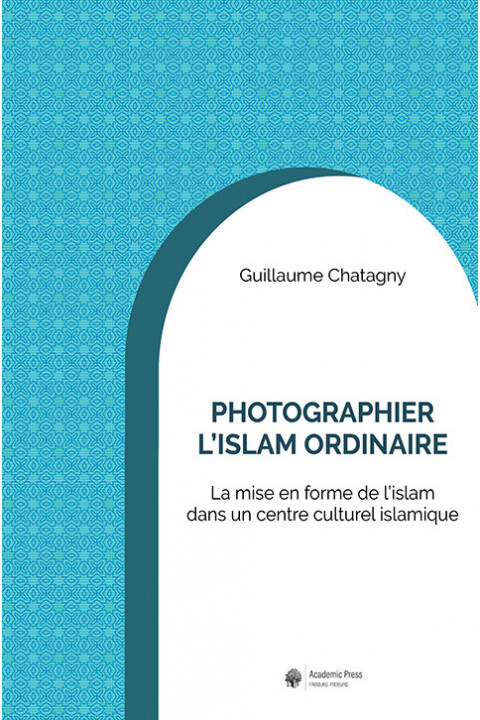
Photographing Ordinary Islam
- Guillaume Chatagny
What does Islam concretely look like within a Muslim association? This is the question addressed by sociologist Guillaume Chatagny in this book, based on fieldwork conducted between 2017 and 2021 w...

article
Leo XIV’s encyclical Magnifica Humanitas and the Pluriel working group on AI-assisted interreligious dialogue
- Wael Saleh
Text by Wael Saleh, researcher at the Université du Québec à Montréal (UQAM) and member of the Pluriel coordination committee. The simultaneous appearance of Leo XIV's encyclical Magnifica Human...
publication
The Recognition of a Hummingbird. Essays on Interreligious Dialogue and Missionary Work (2007-2025)
- Rémi Caucanas
Published in May 2026 by PISAI (Pontifical Institute for Arabic and Islamic Studies, Rome), this collection brings together the essays of Rémi Caucanas on interreligious dialogue and missionary wor...
videos
From Lavigerie to PISAI: The Institutional History of the Missionaries of Africa’s Engagement with Islam
Delivered on 21 May 2026 at the Pontifical Institute for Arabic and Islamic Studies (PISAI) in Rome, this lecture opens the series of conferences marking the institute's centenary (1926-2026). Fr. ...