
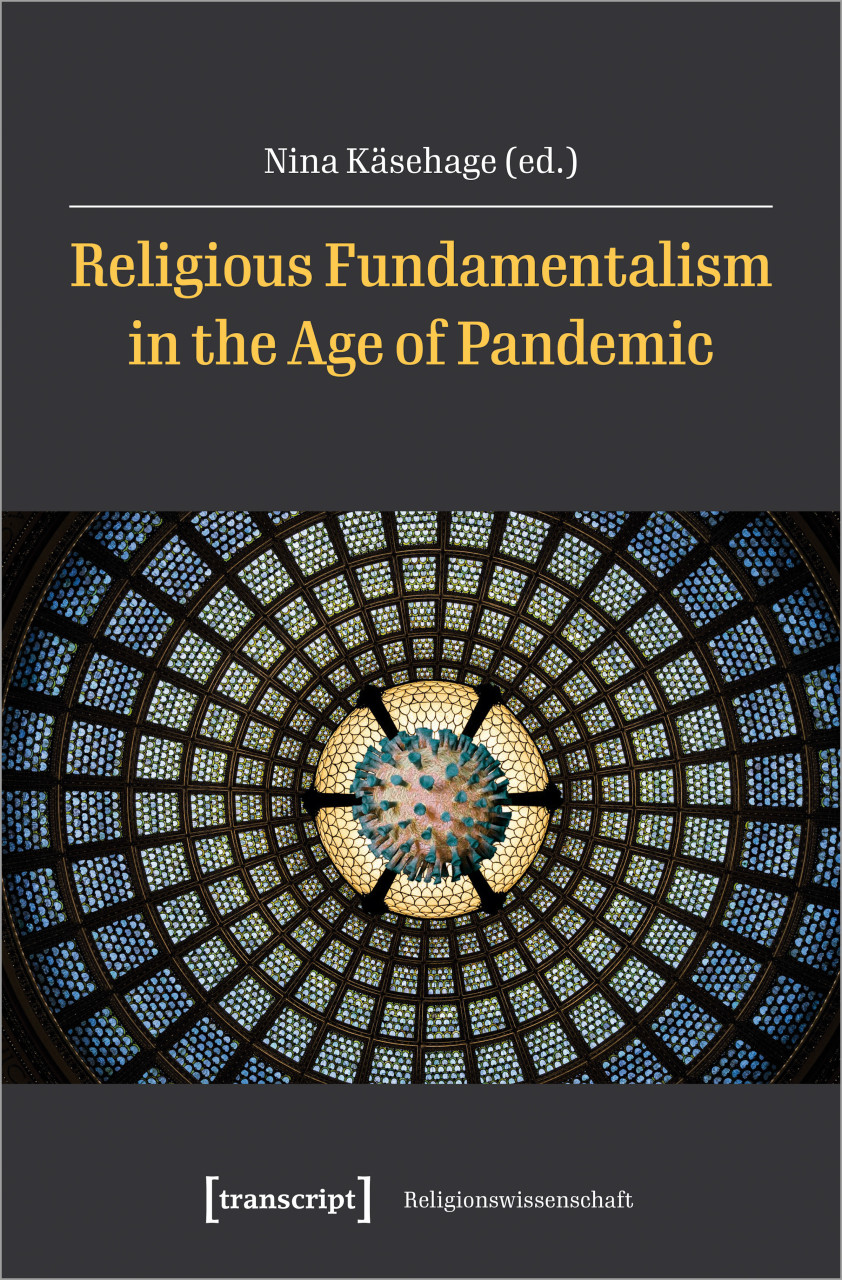
Référence :
Olga Torres Díaz, “Islamic Fundamentalism Framing Politics in Mali: From the Middle Ages to the Age of Pandemic”, in Nina Käsehage (ed.), Religious Fundamentalism in the Age of Pandemic, transcript Verlag, Bielefeld, 2021, pp. 149-178. DOI: 10.14361/9783839454855

Anglais

Islamic Fundamentalism Framing Politics in Mali: From the Middle Ages to the Age of Pandemic
Chapter by Olga Torres Díaz (University of Seville, IXBILIA group) in Religious Fundamentalism in the Age of Pandemic, edited by Nina Käsehage (transcript Verlag, Bielefeld, 2021, 278 p., ISBN 978-3-8376-5485-1, open access), pp. 149-178.
The study traces the centuries-long path of the mutualistic relationship between political power and Islam in Mali, crossed by two distinct fundamentalist tendencies: one textual and Arabised, historically linked to lettered and Arabised elites; the other oral and vernacular, associated with the less-favoured majority. Both claim a return to what is perceived as original and essential in their respective realms.
Moving away from an undifferentiated reading of “Islamic fundamentalism”, Olga Torres Díaz shows how “Frenchification” and later “Arabisation” shaped Malian society and fuelled the roots of its religious fundamentalism. She thereby sheds light on the emergence of contemporary movements, embodied by imams and preachers such as Mahmoud Dicko and Sheikh Madani Haïdara, at a time when the Wahhabi trend has begun again to compete with traditional Malian Islam in modulating the orientation of the government.
Paru sous le titre Islamic Fundamentalism Framing Politics in Mali: From the Middle Ages to the Age of Pandemic, ce chapitre d’Olga Torres Díaz (Université de Séville, groupe IXBILIA) figure dans Religious Fundamentalism in the Age of Pandemic, dirigé par Nina Käsehage (transcript Verlag, Bielefeld, 2021, 278 p., ISBN 978-3-8376-5485-1, en libre accès), pp. 149-178.
L’étude parcourt le long chemin de la relation mutualiste entre pouvoir politique et islam au Mali, traversé par deux tendances fondamentalistes distinctes : l’une, textuelle et arabisante, historiquement rattachée aux élites lettrées et arabisées ; l’autre, orale et vernaculaire, associée à la majorité populaire moins favorisée. Toutes deux revendiquent un retour à ce qui est perçu comme originel et essentiel dans leurs registres respectifs.
À rebours d’une lecture indifférenciée du « fondamentalisme islamique », Olga Torres Díaz montre comment « francisation » puis « arabisation » ont façonné la société malienne et alimenté les racines de son fondamentalisme religieux. Elle éclaire ainsi l’émergence des mouvements contemporains, incarnés par des imams et prédicateurs comme Mahmoud Dicko ou Cheikh Madani Haïdara, à l’heure où la mouvance wahhabite recommence à concurrencer l’islam malien traditionnel dans la modulation de l’orientation du gouvernement.
فصل من تأليف أولغا توريس دياز (جامعة إشبيلية، مجموعة IXBILIA) في كتاب الأصولية الدينية في زمن الجائحة الذي حرّرته نينا كِيزِهاغه (منشورات transcript، بيليفلد، 2021، 278 صفحة، ISBN 978-3-8376-5485-1، متاح بالوصول الحرّ)، الصفحات 149-178.
تقطع الدراسة الطريق الطويل للعلاقة التفاعلية بين السلطة السياسية والإسلام في مالي، بما تعبُره من اتّجاهَين أصوليَّين متمايزَين: الأوّل مكتوب ومُعرَّب، ارتبط تاريخياً بالنخب المتعلّمة والمُعرَّبة؛ والثاني شفهي ومحلّي الطابع، ارتبط بالغالبية الشعبية الأقلّ حظّاً. ويطلب كلاهما العودة إلى ما يُعتَبَر أصلياً وجوهرياً في أفقه الخاصّ.
وبعيداً عن قراءة موحّدة لـ«الأصولية الإسلامية»، تُبيّن أولغا توريس دياز كيف صاغت «الفرنسة» ثمّ «التعريب» المجتمعَ المالي وغذّت جذور أصوليّته الدينية. وتُضيء بذلك على انبثاق الحركات المعاصرة، ممثّلةً في أئمّة ودعاة كمحمود ديكو والشيخ مدني هيدارا، في وقت باتت فيه الموجة الوهّابية تُنافس الإسلامَ المالي التقليدي في تشكيل توجّه الحكومة.
تحميل النسخة الرقمية بالوصول الحرّ (منشورات transcript)
Olga Torres Díaz, “Islamic Fundamentalism Framing Politics in Mali: From the Middle Ages to the Age of Pandemic”, in Nina Käsehage (ed.), Religious Fundamentalism in the Age of Pandemic, transcript Verlag, Bielefeld, 2021, pp. 149-178. DOI: 10.14361/9783839454855.


Resources of this researcher
publication
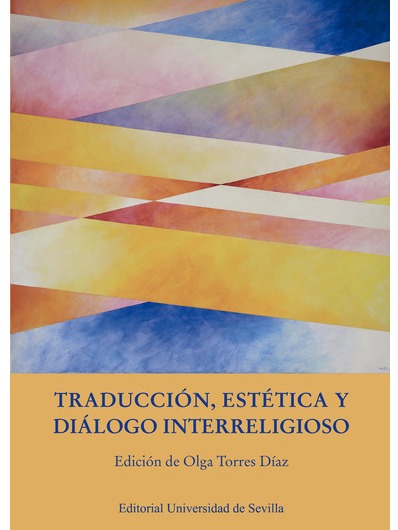
Translation, Aesthetics and Interreligious Dialogue
Published as Traducción, estética y diálogo interreligioso (Editorial Universidad de Sevilla, 2023), this edited volume, directed by Olga Torres Díaz (University of Seville, IXBILIA research group)...
publication
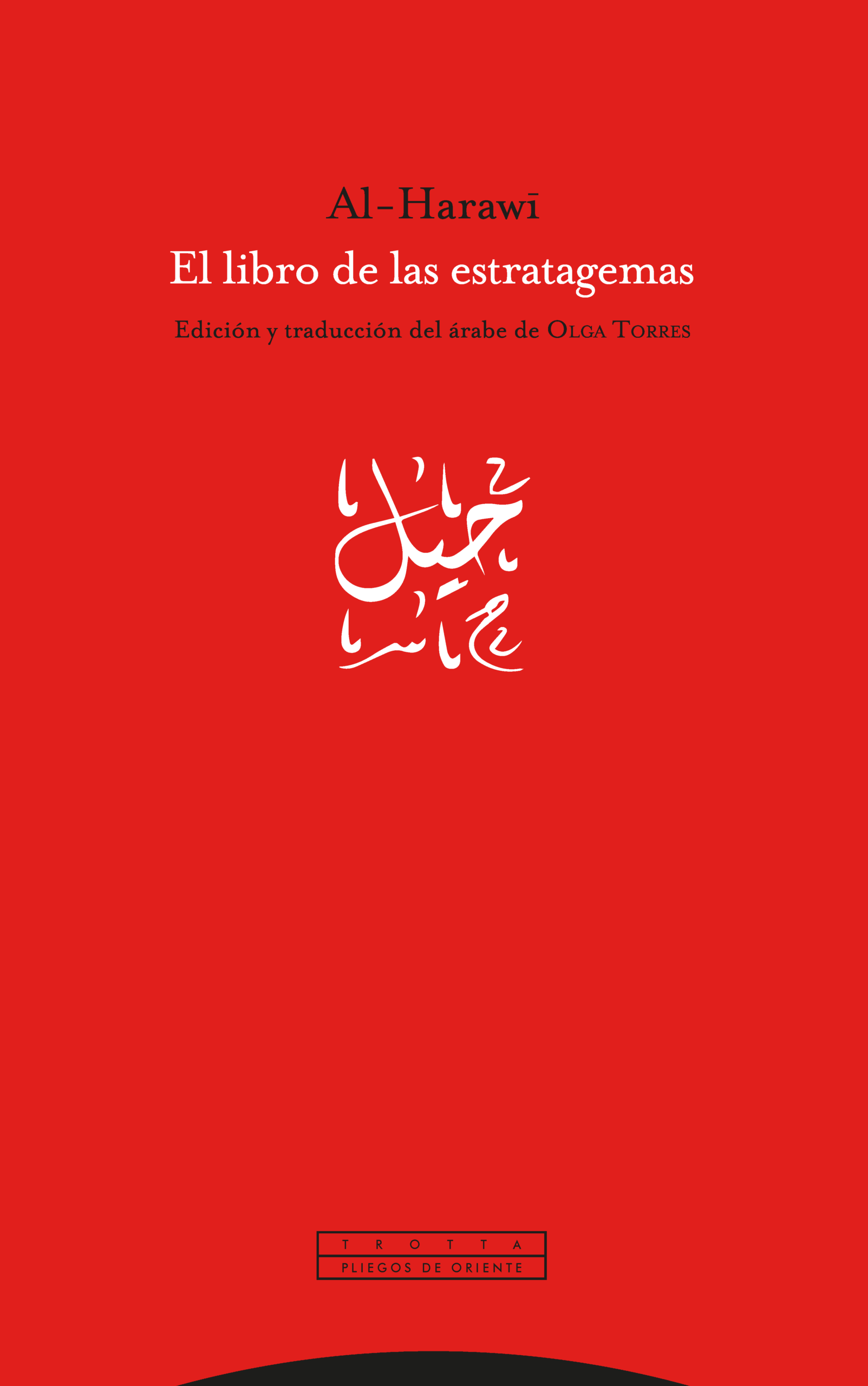
The Book of Stratagems
Published as El libro de las estratagemas (Editorial Trotta, 2021), this annotated Spanish translation of the Tadhkirat al-harawiyya fi’l-hiyal al-harbiyya (“Al-Harawi’s Memorial ...
article
Islamic Fundamentalism Framing Politics in Mali: From the Middle Ages to the Age of Pandemic
Chapter by Olga Torres Díaz (University of Seville, IXBILIA group) in Religious Fundamentalism in the Age of Pandemic, edited by Nina Käsehage (transcript Verlag, Bielefeld, 2021, 278 p., ISBN 978-...
article
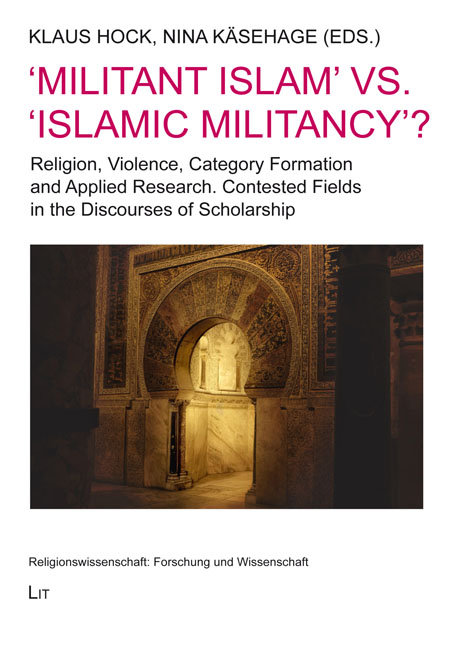
Islamism and Women in the Sahel: Roots and Evolutions
Chapter by Olga Torres Díaz (University of Seville, IXBILIA group) in the edited volume "Militant Islam" vs. "Islamic Militancy"? Religion, Violence, Category Formation and Applied Research. Contes...
Resources related to Fundamentalism
article
The grammar of sacred violence: A critical discourse analysis of radical Islamist writings
- Mohamed-Ali Mostfa
This article offers a discursive analysis of two contemporary Islamist texts that present violence not as a deviation from religious normativity, but as its necessary, even redemptive expression. I...
publication
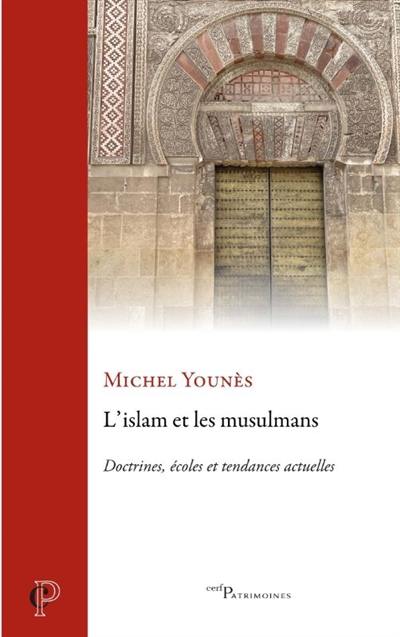
Islam and Muslims. Doctrines, Schools of Thought, and Current Trends
- Michel Younès
Publication date: April 16, 2026. Islam, as a historical, religious, and civilizational reality, is difficult to define. It can be perceived as a form of political governance, an expression of fait...
publication
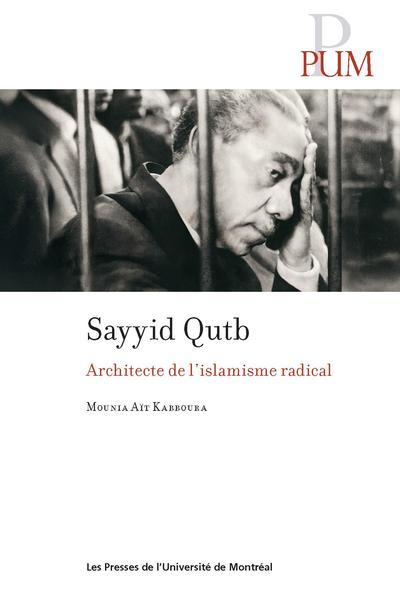
Sayyid Qutb. Architect of Radical Islamism
- Mounia Ait Kabboura
The thought of Sayyid Qutb (1906–1966) has profoundly shaped a wide range of religio-political movements, from the Muslim Brotherhood to Salafi-jihadists, radicalizing political Islam and inspiring...
publication
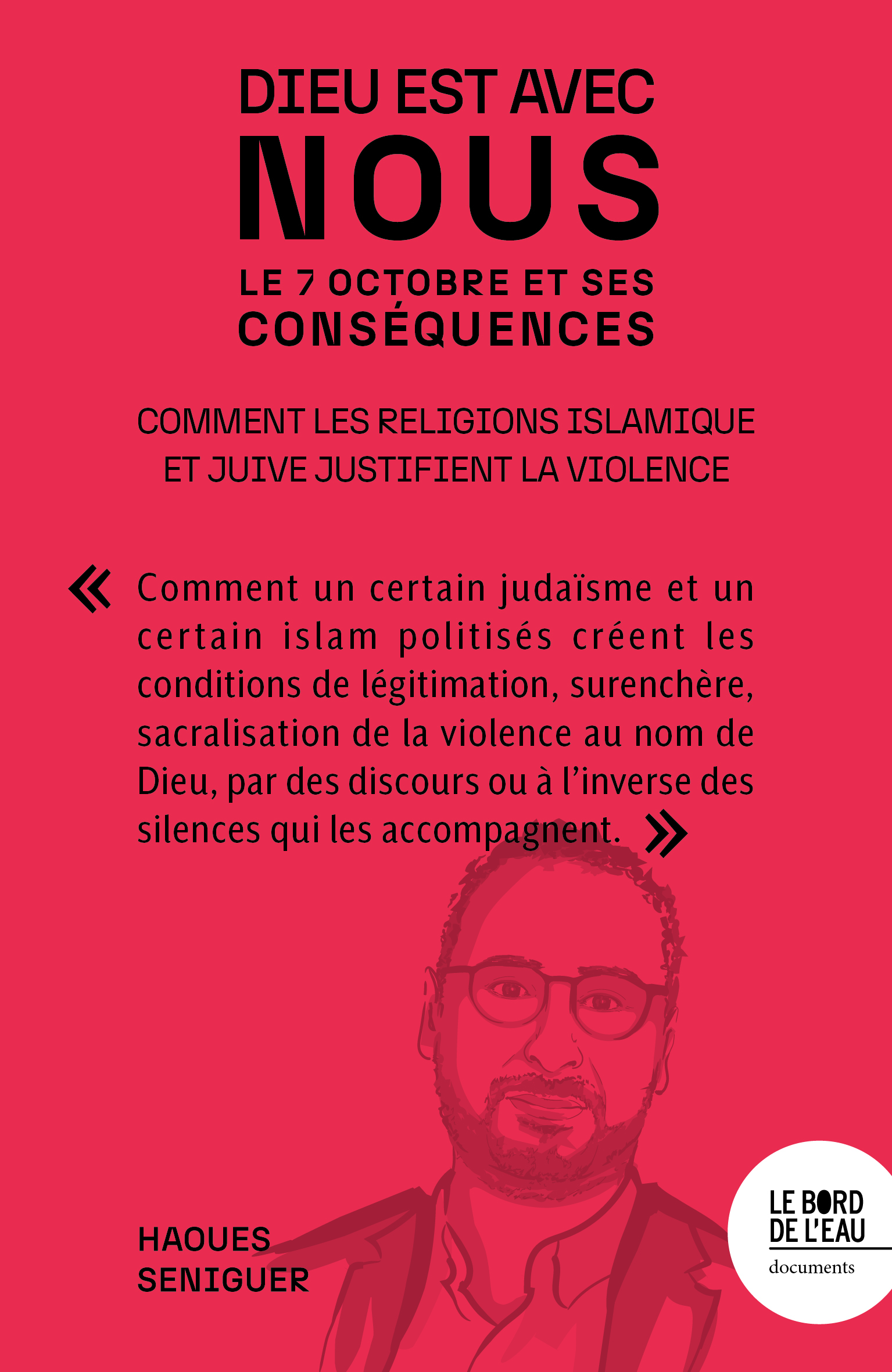
God Is with Us: How Islam and Judaism Justify Violence
- Haoues Seniguer
Long before October 7, 2023—and even more so since—certain politicized strands of Judaism and Islam have been creating conditions that legitimize, escalate, and sacralize violence in God’s na...
article
Online Salafism: the Tension to (Co)Exist in Religious and Ideological Plurality
- Anja Zalta
An article by Anja Zalta published in the journal Poligrafi (vol. 30, no. 119/120, 2025, open access).The author examines how digital platforms and social-media literacy, especially among Generatio...
publication
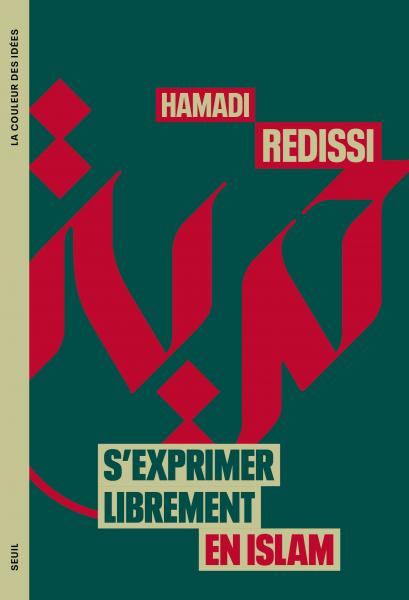
Speaking freely in Islam
- Hamadi Redissi
What is the Islamic doctrine of blasphemy, insult to God, religion and the Prophet? What about the prohibition of figurative representation of Muhammad? Can one openly believe or abjure in Islam? T...
publication
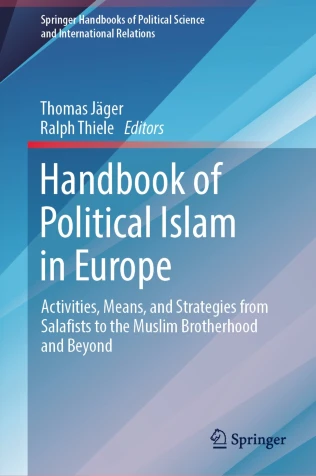
Salafist Movements in Europe: Between Local and Transnational Mobilizations
- Mohamed-Ali Adraoui
In this chapter, the author sheds light on the main sociological features and academic debates on the issue of Salafism in Europe. Through a comparative analysis of different countries, he shows th...
videos
What does the reformation of religion mean?
Lecture given by Mohamed El Haddad as part of the Anawati Chair at the Dominican Institute of Oriental Studies in Cairo. Summary Plural Mohamed El Haddad presents his conception of religious re...