
Study day Thursday 26 November 2026
The Principle of Equality Put to the Test of Religion: Legal and Political Configurations in Comparative Contexts
On Thursday 26 November 2026, the Arab Center for Research and Policy Studies in Paris (CAREP Paris), in partnership with Université Côte d’Azur and the University of Tunis El Manar, is holding a study day on the principle of equality in the face of religious norms. It takes place on its premises in Paris and can also be followed online.
The principle of equality is today one of the major normative foundations of contemporary states, both in constitutional orders and in international human rights commitments. Yet its practical implementation comes up against deeply differentiated legal and political configurations, particularly where it intersects with the place granted to religion in institutional systems. In several national contexts, whether France, Switzerland or Monaco, often associated with forms of legal secularisation, or Tunisia, Morocco and Lebanon, where religious references remain more explicitly built into normative architectures, the principle of equality is subject to plural regimes of interpretation. These variations are especially visible in sensitive areas such as personal status, inheritance rules and the terms on which religious groups are recognised. These configurations cannot be reduced to a binary opposition between “secular” and “religious” states: they call for a rethinking of the analytical categories in use.
From this perspective, the study day sets out to explore, through a comparative approach, the tensions, adjustments and reconfigurations that affect the principle of equality when it meets religious normativities. It will examine the legal arrangements, institutional practices and social mobilisations that help redraw the boundaries between equality, pluralism and the recognition of religion.
The morning panel, “State Models of Religion and the Principle of Equality”, is chaired by Valentine Zuber (École Pratique des Hautes Études). Christian Vallar (Université Côte d’Azur) will discuss the constitutional foundations of laïcité and of the principle of equality in France, Leyla Abdullayeva, Ambassador of Azerbaijan to France, the Azerbaijani example, Asma Nouira (CAREP Paris) the place of religion in Tunisia’s constitutions since independence, and Sarah Ghayad, a doctoral student at Université Côte d’Azur, the Lebanese confessional model.
In the afternoon, Zohra Aziadé Zemirli, a legal researcher associated with CAREP, chairs the panel “Between Religious Norms and the Principle of Equality: The Law Facing Its Contradictions”, devoted to the Tunisian case. Five scholars from the University of Tunis El Manar will speak: Souhaima Ben Achour on Tunisian private international family law, Amel Bouhjar on inheritance rules, Olfa Attia on the divorce regime, Imen Abdelhak on the rights of religious minorities and Raya Choubani on tax equality. Pluriel has presented the collective volume she co-edited, Equality, Plurality and Personal Status Laws: A Research Companion (Routledge, 2026).
Zohra Aziadé Zemirli is also teaching a public course at Université Paris Cité’s Université ouverte from 9 November to 15 December 2026, “Rights and Women in Arab Countries” (in French): twelve sessions, on Mondays and Tuesdays from 18:00 to 20:00, at the Grands Moulins campus (Paris 13th arrondissement), on family law and criminal law in Algeria, Morocco, Tunisia and Lebanon.
Le Centre arabe de recherche et d’études politiques de Paris (CAREP Paris) organise le jeudi 26 novembre 2026, en partenariat avec l’Université Côte d’Azur et l’Université de Tunis El Manar, une journée d’étude consacrée au principe d’égalité face aux normes religieuses. Elle se tient dans ses locaux, à Paris, et peut être suivie en ligne.
Le principe d’égalité constitue aujourd’hui l’un des fondements normatifs majeurs des États contemporains, tant dans les ordres constitutionnels que dans les engagements internationaux en matière de droits humains. Toutefois, sa mise en œuvre concrète se heurte à des configurations juridiques et politiques profondément différenciées, en particulier lorsqu’il s’articule avec la place reconnue à la religion dans les systèmes institutionnels. Dans plusieurs contextes nationaux, qu’il s’agisse de la France, de la Suisse ou de Monaco, souvent associés à des formes de sécularisation juridique, ou encore de la Tunisie, du Maroc et du Liban, où les référents religieux demeurent plus explicitement intégrés aux architectures normatives, le principe d’égalité est soumis à des régimes d’interprétation pluriels. Ces variations se donnent notamment à voir dans des domaines sensibles tels que le statut personnel, les règles successorales ou encore les modalités de reconnaissance des groupes religieux. Ces configurations ne se réduisent pas à une opposition binaire entre États « laïques » et États « religieux » : elles invitent à repenser les catégories analytiques mobilisées.
Dans cette perspective, cette journée d’étude se propose d’explorer, dans une démarche comparative, les tensions, ajustements et recompositions qui affectent le principe d’égalité lorsqu’il est confronté à des normativités religieuses. Il s’agira d’interroger à la fois les dispositifs juridiques, les pratiques institutionnelles et les mobilisations sociales qui contribuent à redéfinir les frontières entre égalité, pluralisme et reconnaissance du religieux.
Le panel du matin, « Modèles étatiques du religieux et principe d’égalité », est animé par Valentine Zuber (École pratique des hautes études). Christian Vallar (Université Côte d’Azur) y traite des fondements constitutionnels de la laïcité et du principe d’égalité en France, Leyla Abdullayeva, ambassadrice d’Azerbaïdjan en France, de l’exemple azerbaïdjanais, Asma Nouira (CAREP Paris) de la place du religieux dans les constitutions tunisiennes depuis l’indépendance, et Sarah Ghayad, doctorante à l’Université Côte d’Azur, du modèle confessionnel libanais.
L’après-midi, Zohra Aziadé Zemirli, chercheuse en droit associée au CAREP, modère le panel « Entre normes religieuses et principe d’égalité : le droit face à ses contradictions », consacré au cas tunisien. Cinq enseignantes-chercheuses de l’Université de Tunis El Manar y interviennent : Souhaima Ben Achour sur le droit international privé tunisien de la famille, Amel Bouhjar sur les règles de l’héritage, Olfa Attia sur le régime du divorce, Imen Abdelhak sur les droits des minorités religieuses et Raya Choubani sur l’égalité fiscale. Pluriel a présenté l’ouvrage collectif qu’elle a codirigé, Equality, Plurality and Personal Status Laws: A Research Companion (Routledge, 2026).
Zohra Aziadé Zemirli donne aussi, du 9 novembre au 15 décembre 2026, un cours public de l’Université ouverte de l’Université Paris Cité, « Droits et femmes dans les pays arabes » : douze séances, les lundis et mardis de 18h à 20h, au campus des Grands Moulins (Paris 13e), sur le droit de la famille et le droit pénal en Algérie, au Maroc, en Tunisie et au Liban.
ينظّم المركز العربي للأبحاث ودراسة السياسات في باريس (CAREP Paris)، بالشراكة مع جامعة كوت دازور وجامعة تونس المنار، يوماً دراسياً حول مبدأ المساواة في مواجهة المعايير الدينية، وذلك يوم الخميس 26 نوفمبر/تشرين الثاني 2026 في مقرّه بباريس، مع إمكان متابعته عبر الإنترنت.
يُعدّ مبدأ المساواة اليوم أحد الأسس المعيارية الكبرى للدول المعاصرة، سواء في الأنظمة الدستورية أو في الالتزامات الدولية في مجال حقوق الإنسان. غير أنّ تطبيقه الفعلي يصطدم بتشكّلات قانونية وسياسية شديدة التباين، ولا سيّما حين يتقاطع مع المكانة التي يحظى بها الدين في المنظومات المؤسّسية. ففي عدد من السياقات الوطنية، سواء في فرنسا وسويسرا وموناكو، التي كثيراً ما تقترن بأشكال من العلمنة القانونية، أو في تونس والمغرب ولبنان، حيث تظلّ المرجعيات الدينية مندمجة على نحو أوضح في البنى المعيارية، يخضع مبدأ المساواة لأنظمة تأويل متعدّدة. وتتجلّى هذه الفروق خصوصاً في مجالات حسّاسة مثل الأحوال الشخصية وقواعد الميراث وكيفيات الاعتراف بالجماعات الدينية. ولا تُختزل هذه التشكّلات في ثنائية تقابل بين دول «علمانية» ودول «دينية»، بل تدعو إلى إعادة النظر في المقولات التحليلية المعتمدة.
ومن هذا المنظور، يسعى اليوم الدراسي إلى استكشاف ما يطرأ على مبدأ المساواة من توتّرات وتكيّفات وإعادة تشكّل حين يواجه المعياريات الدينية، وذلك في مقاربة مقارنة. وسيتناول الآليات القانونية والممارسات المؤسّسية والتعبئات الاجتماعية التي تسهم في إعادة رسم الحدود بين المساواة والتعدّدية والاعتراف بالدين.
وتدير فالنتين زوبير (المدرسة التطبيقية للدراسات العليا) جلسة الصباح بعنوان «النماذج الدولتية في التعامل مع الدين ومبدأ المساواة». ويتناول فيها كريستيان فالار (جامعة كوت دازور) الأسس الدستورية للائكية ولمبدأ المساواة في فرنسا، وليلى عبد اللاييفا، سفيرة أذربيجان في فرنسا، النموذج الأذربيجاني، وأسماء النويرة (المركز العربي في باريس) مكانة الدين في الدساتير التونسية منذ الاستقلال، وسارة غيّاض، طالبة الدكتوراه في جامعة كوت دازور، النموذج الطائفي اللبناني.
أمّا جلسة بعد الظهر، فتديرها زهرة آزيادي زميرلي، الباحثة في القانون والمشاركة في المركز العربي في باريس، وعنوانها «بين المعايير الدينية ومبدأ المساواة: القانون في مواجهة تناقضاته»، وهي مخصّصة للحالة التونسية. وتتحدّث فيها خمس أستاذات باحثات من جامعة تونس المنار: سهيمة بن عاشور عن القانون الدولي الخاص التونسي للأسرة، وأمل بوحجر عن قواعد الميراث، وألفة عطية عن نظام الطلاق، وإيمان عبد الحق عن حقوق الأقليات الدينية، وريّا الشوباني عن المساواة الجبائية. وقد سبق أن عرّفت المنصة الجامعية للدراسات حول الإسلام بالعمل الجماعي الذي شاركت في إدارته، المساواة والتعدّدية وقوانين الأحوال الشخصية: دليل بحثي (روتليدج، 2026).
وتقدّم زهرة آزيادي زميرلي كذلك، من 9 نوفمبر/تشرين الثاني إلى 15 ديسمبر/كانون الأول 2026، دروساً عامة في إطار الجامعة المفتوحة التابعة لجامعة باريس سيتي بعنوان «الحقوق والنساء في البلدان العربية» (بالفرنسية): اثنتا عشرة حصّة، أيام الاثنين والثلاثاء من الساعة 18:00 إلى الساعة 20:00، في حرم الطواحين الكبرى (باريس، الدائرة الثالثة عشرة)، حول قانون الأسرة والقانون الجنائي في الجزائر والمغرب وتونس ولبنان.
Upcoming events

Related resources: « Law »
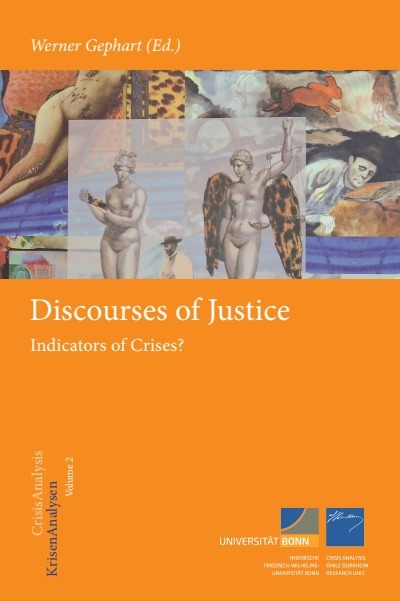 Justice in Islamic Discourse
Raja Sakrani Abstract Published in the edited volume Discourses of Justice. Indicators of Crises?, edited by Werner Gephart (Klostermann, "KrisenAnalysen" series, 2026, pp. 253-272), this chapter…
 A Nail in the Coffin of the Representation Monopoly of a Single Community: The Quest for Recognition of Intra-religious Pluralism
Kerstin Wonisch Abstract Published in the CUREDI database (Cultural and Religious Diversity under State Law across the World), run by the Department of Law and Anthropology…
 From regulating religious sound to transforming it into light: public, legal and architectural debates on the adhān
Paper presented at the fifth international congress of the University Platform for Research on Islam (Pluriel), held in Cordoba from 10 to 14 February…
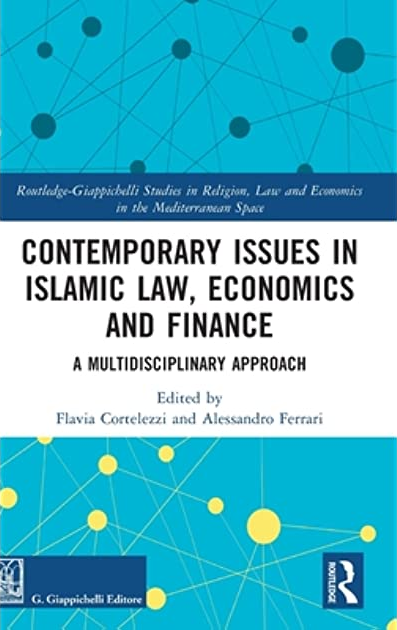 Contemporary Issues in Islamic Law, Economics and Finance
Alessandro Ferrari · Flavia Cortelezzi This book explores how Islam can impact the structures and performance of firms, financial institutions and capital markets across a range of countries and…
 Muslim morality, Islamic ethics, Šarī’a in situations
Maurice Borrmans Original title : "Morale musulmane, déontologie islamique, Šarī‘a en situations" Sumary Does necessity make legal, in Islam, what is prohibited? It is to this question…
 Plurality and foundation of norms: what proposals for Islam?
Michel Terestchenko First International Congress of the University Platform for Research on Islam in Europe and Lebanon (PLURIEL): societal axis Speaker: Michel Terestchenko, lecturer in philosophy…