

Justice in Islamic Discourse
Abstract
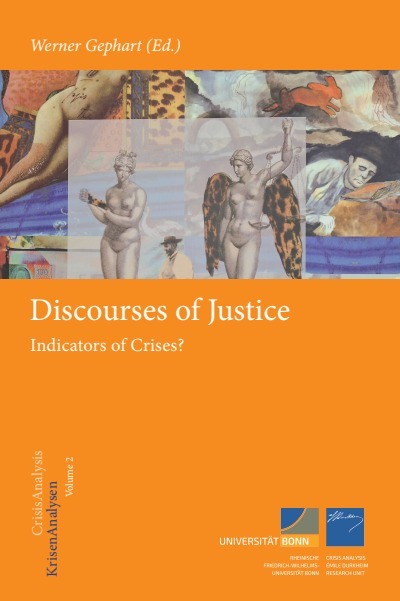
Published in the edited volume Discourses of Justice. Indicators of Crises?, edited by Werner Gephart (Klostermann, “KrisenAnalysen” series, 2026, pp. 253-272), this chapter by Raja Sakrani, senior researcher at the University of Bonn, examines how justice is articulated in Islamic discourse.
The author’s starting point is that injustice comes first. While we may not all be able to say clearly what is just, or what a just world would look like, we do know what is unjust, and why. Drawing on Luc Boltanski and Laurent Thévenot’s sociology of justification, she asks whether the sense of justice is universal or local, and how justice can be understood in cultures with different legal systems without reducing it to procedures valid at all times and in all places, or falling into relativism.
These questions have taken on particular significance since the popular uprisings that swept many Arab countries from December 2010 onwards and the overthrow of several totalitarian regimes, the most recent being the Syrian regime in December 2024.
Stemming from a conference held at the University of Bonn, the volume observes that the vocabulary of the just and the unjust has spread through political debate and the world religions alike, from gender to climate, from restorative justice to memory. This spread appears to be both an expression and a harbinger of crisis. Raja Sakrani’s chapter is part of the section devoted to the relationship between legal pluralism, justice culture and religion.
The chapter is available (subscription or purchase) on the Nomos eLibrary (DOI 10.5771/9783465147626-253).
Résumé
Paru en anglais sous le titre « Justice in Islamic Discourse » dans le volume collectif Discourses of Justice. Indicators of Crises?, dirigé par Werner Gephart (Klostermann, collection « KrisenAnalysen », 2026, p. 253-272), ce chapitre de Raja Sakrani, chercheuse senior à l’Université de Bonn, examine la manière dont la justice se dit dans le discours islamique.
L’auteure part d’un constat : l’injustice est première. Chacun ne sait pas forcément dire ce qu’est la justice, ni à quoi ressemblerait un monde juste, mais chacun sait reconnaître ce qui est injuste, et pourquoi. En s’appuyant sur la sociologie de la justification de Luc Boltanski et Laurent Thévenot, elle demande si le sens de la justice est universel ou local, et comment comprendre la justice dans des cultures dotées de systèmes juridiques différents sans la réduire à des procédures valables en tout temps et en tout lieu, ni tomber dans le relativisme.
Ces questions prennent un relief particulier depuis les soulèvements populaires qui ont touché de nombreux pays arabes à partir de décembre 2010 et la chute de plusieurs régimes totalitaires, dont le dernier en date est le régime syrien, en décembre 2024.
Issu d’un colloque organisé à l’Université de Bonn, le volume observe que le vocabulaire du juste et de l’injuste s’est répandu dans le débat politique comme dans les religions, du genre au climat, de la justice restaurative à la mémoire. Cette diffusion apparaît à la fois comme l’expression et l’annonce d’une crise. Le chapitre de Raja Sakrani prend place dans la partie consacrée aux relations entre pluralisme juridique, culture de la justice et religion.
Le chapitre est accessible, en accès payant, sur la Nomos eLibrary (DOI 10.5771/9783465147626-253).
ملخّص
صدر هذا الفصل بالإنكليزية في كتاب جماعي أشرف عليه فيرنر غيبهارت (دار كلوسترمان، سلسلة «تحليلات الأزمة»، 2026، ص 253-272)، وعنوانه:
Justice in Islamic Discourse, in Werner Gephart (ed.), Discourses of Justice. Indicators of Crises?, Klostermann, 2026, pp. 253-272
وفيه تدرس رجاء سكراني، الباحثة الأولى في جامعة بون، الطريقةَ التي يُعبَّر بها عن العدالة في الخطاب الإسلامي.
تنطلق المؤلّفة من فكرة أنّ الظلم أسبقُ من العدل في الإدراك. فليس كلّ واحد منّا قادراً على أن يقول بوضوح ما العدل، ولا كيف يبدو العالم العادل، لكنّه يعرف الظلم حين يراه، ويدرك لماذا هو ظلم. وبالاستناد إلى سوسيولوجيا التسويغ عند لوك بولتانسكي ولوران تيفنو، تتساءل: هل الإحساس بالعدالة كونيّ أم محلّيّ؟ وكيف نفهم العدالة في ثقافات ذات أنظمة قانونية مختلفة من دون اختزالها في إجراءات صالحة لكلّ زمان ومكان، ومن دون الوقوع في النسبية؟
وتكتسب هذه الأسئلة أهمية خاصة منذ الانتفاضات الشعبية التي شهدتها بلدان عربية كثيرة ابتداءً من ديسمبر/كانون الأول 2010، وسقوط أنظمة شمولية عدّة، آخرها النظام السوري في ديسمبر/كانون الأول 2024.
أمّا الكتاب، الذي انبثق من ندوة عُقدت في جامعة بون، فيلاحظ أنّ مفردات العدل والظلم انتشرت في النقاش السياسي كما في الأديان، من قضايا النوع الاجتماعي إلى المناخ، ومن العدالة التصالحية إلى الذاكرة. ويبدو هذا الانتشار تعبيراً عن أزمة وإنذاراً بها في آن. ويندرج فصل رجاء سكراني في القسم المخصّص للعلاقة بين التعدّدية القانونية وثقافة العدالة والدين.
والفصل متاح لقاء اشتراك أو شراء على منصة نوموس الإلكترونية.



Resources of this researcher

videos
The other in Islamic civilization: from the immanence of cultures to divine transcendence
Lecture given at the 3rd International Congress of Pluriel on the theme "Islam and Otherness", on 24 May 2022, at Saint Joseph University in Beirut. Read abstract on the French tab.

videos
The Question of Otherness in Classical Islam
Argument: How did Muslims represent the other? Here is a questioning overloaded with history, memory and narrative Islamic identity difficult to decode. Fourteen long centuries of conquests and def...
article
The Ḏhimmī as the Other of Multiple Convivencias in al-Andalus
The figure of ḏhimmī is certainly the most emblematic juristic figure in the history of Islamic law. Strangely, it also has the juristic status of being the most ambiguous and complex, as it lacks a ...
article
The Law of the Other
Abstract As the Other is indispensable for the construction of self-identity and collective identity, the question of the Other is viscerally linked not only to the question of identity but also...
article
Elements of Religious Socialization in Islamic Cultures. How to be a “good” Muslim in Europe
article
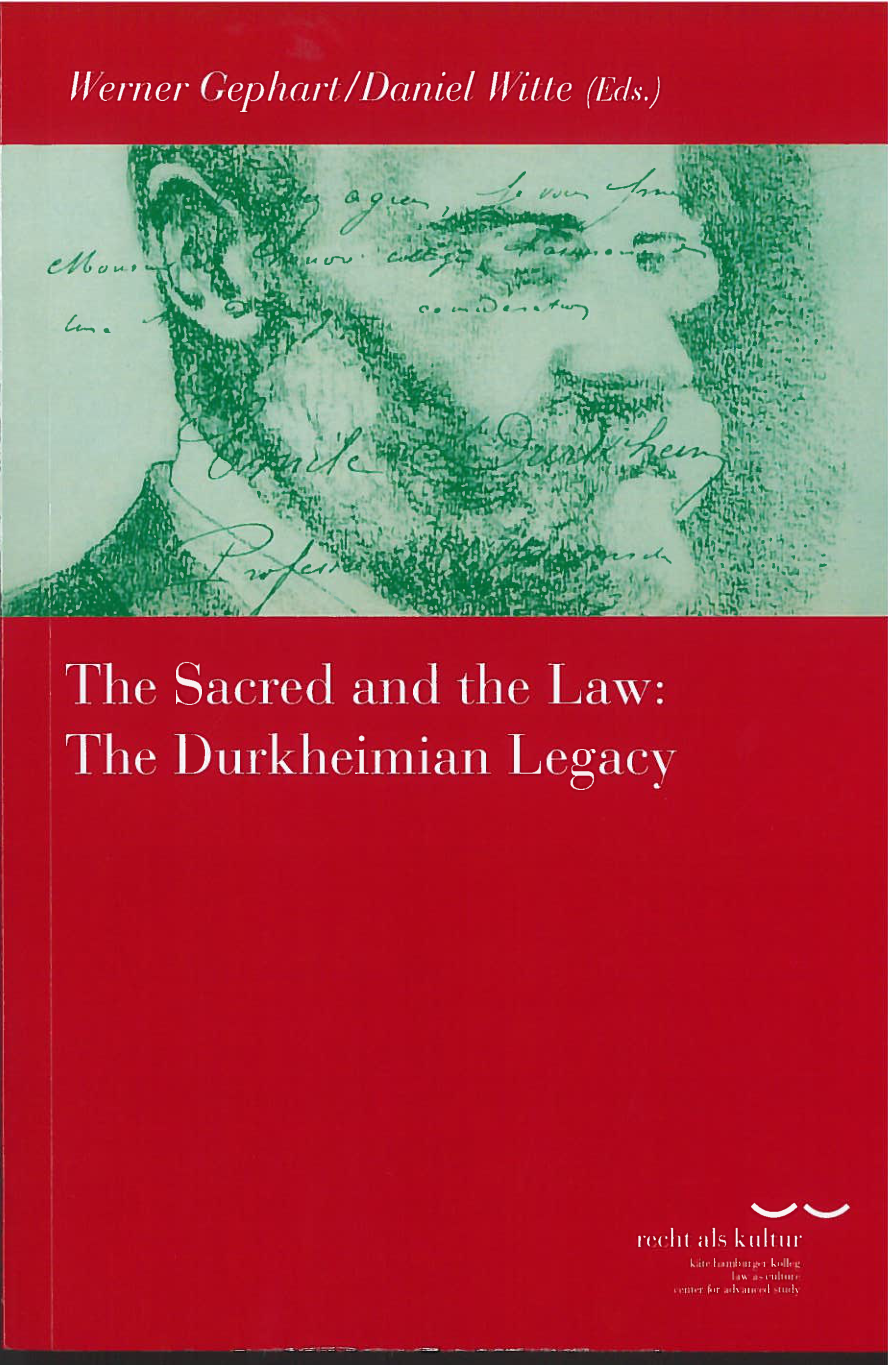
Jewish and Islamic Legal Cultures: A Durkheimian Perspective
publication
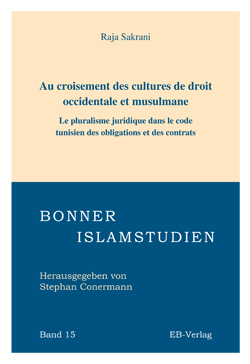
Au croisement des cultures de droit occidentale et musulmane. Le pluralisme juridique dans le code tunisien des obligations et des contrats
Drawn from her doctoral thesis, this book by Raja Sakrani (EB-Verlag, Bonner Islamstudien series, vol. 15, 2009, 321 pp.) examines the legal pluralism at work in the Tunisian Code of Obligations an...
Resources related to Law
Law
article
Justice in Islamic Discourse
- Raja Sakrani
Abstract Published in the edited volume Discourses of Justice. Indicators of Crises?, edited by Werner Gephart (Klostermann, "KrisenAnalysen" series, 2026, pp. 253-272), this chapter by Raja Sak...
article
A Nail in the Coffin of the Representation Monopoly of a Single Community: The Quest for Recognition of Intra-religious Pluralism
- Kerstin Wonisch
Abstract Published in the CUREDI database (Cultural and Religious Diversity under State Law across the World), run by the Department of Law and Anthropology of the Max Planck Institute for Socia...

videos
From regulating religious sound to transforming it into light: public, legal and architectural debates on the adhān
Paper presented at the fifth international congress of the University Platform for Research on Islam (Pluriel), held in Cordoba from 10 to 14 February 2026 on the theme "Ethics and Aesthetics in Is...
article
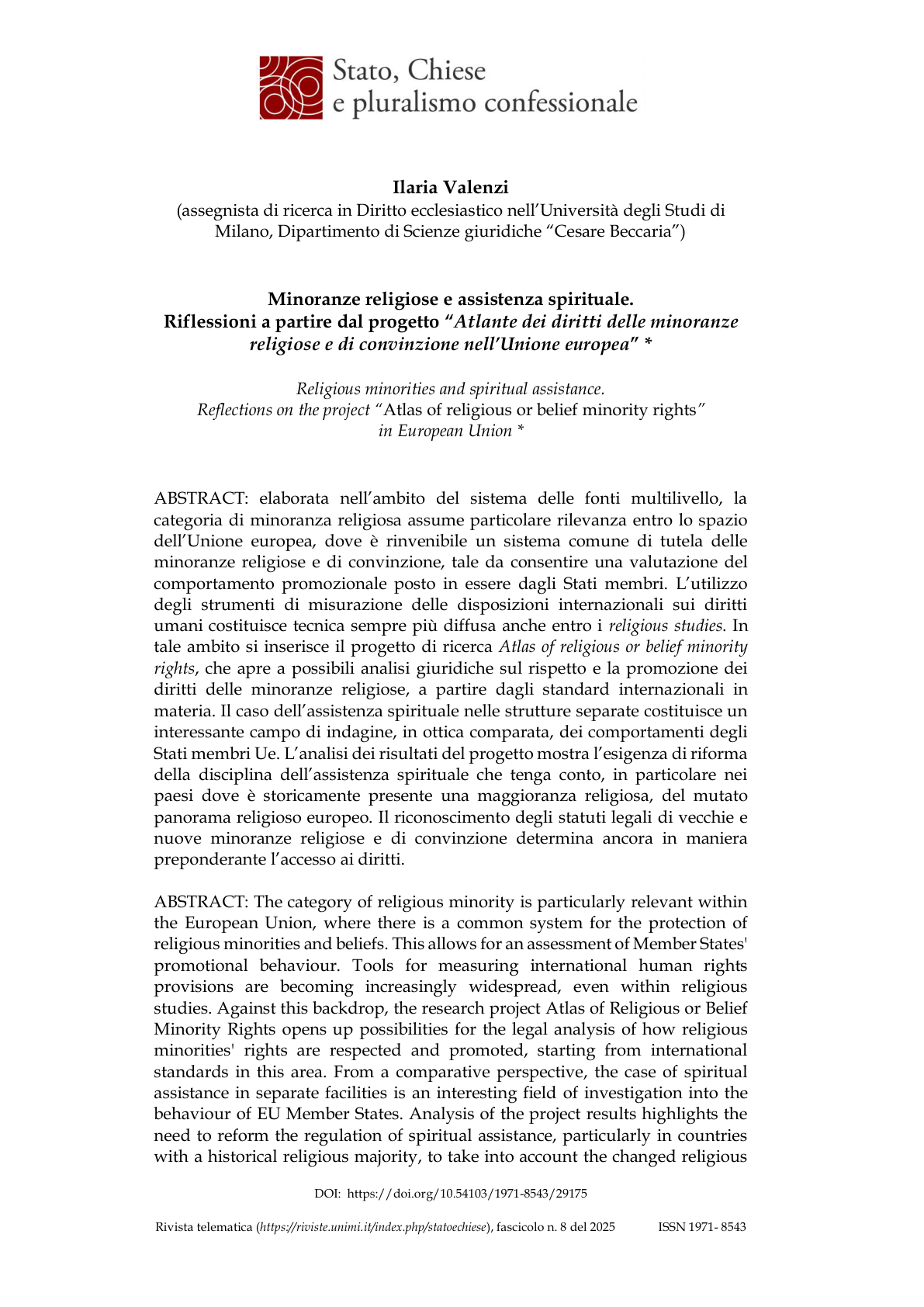
Religious minorities and spiritual assistance. Reflections on the project “Atlas of religious or belief minority rights” in the European Union
- Ilaria Valenzi
Abstract Developed within the multilevel system of legal sources, the category of "religious minority" takes on particular significance within the European Union, where a shared system of protectio...
article
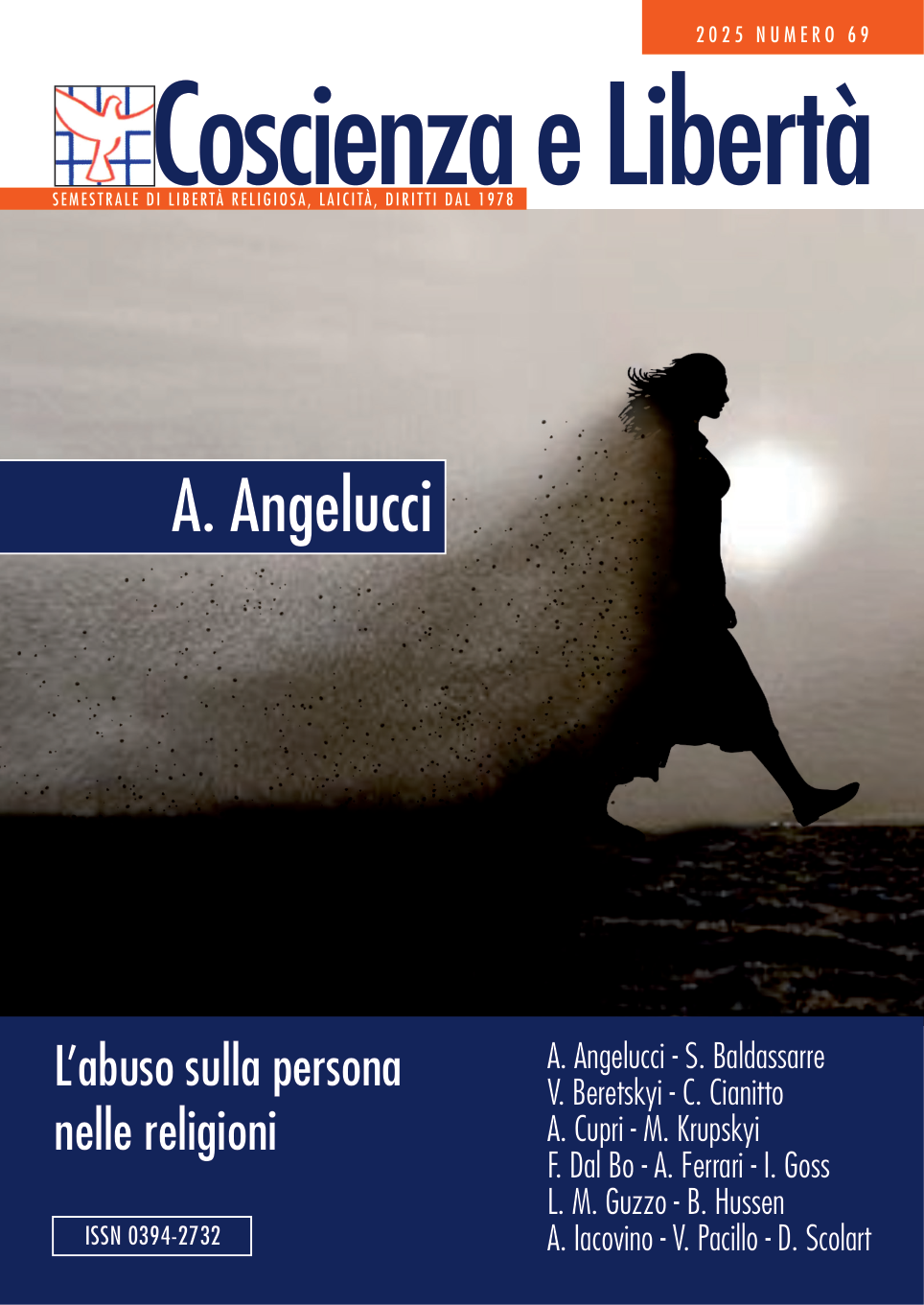
“Inclusive Citizenship, the Right to a Place of Worship and Everyday Peace”, by Antonio Angelucci
- Antonio Angelucci
In an article published in the Italian journal Coscienza e Libertà (no. 69, 2025), Antonio Angelucci, associate professor of law and religion at the University of Insubria, examines the connection ...
article
Public order and religious family rights. Sustainability and limits of an evolving legal relationship
- Ilaria Valenzi
Abstract The public-order clause, which safeguards the fundamental principles of the legal order, is today tested by the circulation of family models rooted in religious legal systems. Ilaria Valen...
article
Muslim worship in France: is the State-led reorganization underway?
- Mohamed-Ali Mostfa
In this article published on February 26, 2025, on The Conversation, Ali Mostfa analyzes the evolution of the Forum of Islam in France (Forif), created in 2022 to replace the French Council of Musl...
publication
Religious minorities between the Mediterranean shores: a study of the status of religious minorities in the Mediterranean context (REMiMEsO) – Final Report
- Alessandro Ferrari
The REMiMESo project, led by Ilaria Valenzi and supported by the Italian Ministry of Foreign Affairs, explores the situation of religious minorities in five Mediterranean countries: Israel, Morocco...