
Lecture Tuesday 10 November 2026
Freedom of Conscience: Protestant and Muslim Perspectives, by Dominique Avon
On Tuesday 10 November 2026, Dominique Avon, director of studies at the École Pratique des Hautes Études (EPHE-PSL), will give a lecture in Strasbourg as part of the ReligiS programme of the University of Strasbourg, in partnership with the Muslim-Christian Friendship Group of the Bas-Rhin, the association Spiritualité et Culture and the Protestant Media Library of the Stift. It can be attended in person or followed live on YouTube.
The exercise, whether limited or broad, of a diversity of opinions and behaviour exists in every society: it amounts to a practical or legal tolerance of variable scope, in the sense of an implicit or explicit acceptance of certain differences. This is not the right to “freedom of conscience”. Current in European languages from the sixteenth century, the expression was at first no more than an extension of the recognition of the rights of worship granted to officially recognised communities.
It was in the early eighteenth century that it took on an unprecedented weight. It then presupposed the philosophical and legal recognition of the centrality of the human subject, and was intrinsically bound up with the right to freedom of expression: it guarantees the freedom to change one’s religion or belief. At the beginning of the twenty-first century, it remains contested, or is sometimes stripped of its substance. The lecture will show the varied commitments of Protestant and Muslim actors in this history, which is closely tied to the notion of modernity.
It builds on Dominique Avon’s book La liberté de conscience : histoire d’une notion et d’un droit (Presses universitaires de Rennes, 2020).
Le mardi 10 novembre 2026, Dominique Avon, directeur d’études à l’École pratique des hautes études (EPHE-PSL), donne à Strasbourg une conférence du programme ReligiS de l’Université de Strasbourg, en partenariat avec le Groupe d’amitié islamo-chrétienne du Bas-Rhin, l’association Spiritualité et Culture et la Médiathèque protestante du Stift. Elle peut être suivie sur place ou en direct sur YouTube.
L’exercice, réduit ou étendu, d’une diversité d’opinions et de comportements existe dans toutes les sociétés : il s’agit d’une tolérance pratique ou légale à géométrie variable, au sens d’une acceptation implicite ou explicite de certaines différences. Ce n’est pas le droit de « liberté de conscience ». Circulant dans les langues européennes dès le XVIe siècle, cette expression n’est d’abord qu’une extension de la reconnaissance de droits cultuels accordés à des communautés officiellement reconnues.
C’est au début du XVIIIe siècle qu’elle acquiert une charge inédite. Elle présuppose alors la reconnaissance philosophique et juridique de la centralité du sujet humain, et elle est intrinsèquement liée au droit de liberté d’expression : elle garantit de pouvoir changer de religion ou de conviction. Au début du XXIe siècle, elle reste discutée, ou parfois dépouillée de sa substance. La conférence montrera les engagements diversifiés d’acteurs protestants et musulmans dans cette histoire, qui a partie liée avec la notion de modernité.
Elle prolonge l’ouvrage de Dominique Avon La liberté de conscience : histoire d’une notion et d’un droit (Presses universitaires de Rennes, 2020).
يلقي دومينيك أفون، مدير الدراسات في المدرسة التطبيقية للدراسات العليا في باريس (EPHE-PSL)، يومَ الثلاثاء 10 نوفمبر/تشرين الثاني 2026 في ستراسبورغ محاضرةً ضمن برنامج «ReligiS» التابع لجامعة ستراسبورغ، بالشراكة مع جماعة الصداقة الإسلامية-المسيحية في منطقة الراين الأسفل، وجمعية «روحانية وثقافة»، والمكتبة البروتستانتية في الشتيفت. ويمكن متابعتها حضورياً أو مباشرةً على يوتيوب.
إنّ ممارسة تنوّع الآراء والسلوكيات، ضيّقةً كانت أم واسعة، قائمةٌ في كلّ المجتمعات؛ فهي تسامحٌ عملي أو قانوني متفاوت المدى، بمعنى القبول الضمني أو الصريح ببعض الاختلافات. غير أنّ ذلك ليس الحقّ في «حرية الضمير». فهذه العبارة، التي راجت في اللغات الأوروبية منذ القرن السادس عشر، لم تكن في البداية سوى توسيعٍ للاعتراف بحقوق العبادة الممنوحة لجماعات معترف بها رسمياً.
أمّا في مطلع القرن الثامن عشر، فقد اكتسبت حمولةً غير مسبوقة؛ إذ باتت تفترض الاعتراف الفلسفي والقانوني بمركزية الذات الإنسانية، وارتبطت ارتباطاً جوهرياً بالحقّ في حرية التعبير، فهي تكفل حرية تغيير الدين أو المعتقد. وفي مطلع القرن الحادي والعشرين، ما زالت موضع نقاش، بل قد تُفرَّغ أحياناً من مضمونها. وتسعى المحاضرة إلى إبراز التزامات فاعلين بروتستانت ومسلمين، على تنوّعها، في هذا التاريخ الوثيق الصلة بمفهوم الحداثة.
وتأتي هذه المحاضرة امتداداً لكتاب دومينيك أفون «حرية الضمير: تاريخ مفهومٍ وحقّ» (منشورات جامعة رين، 2020).
Upcoming events
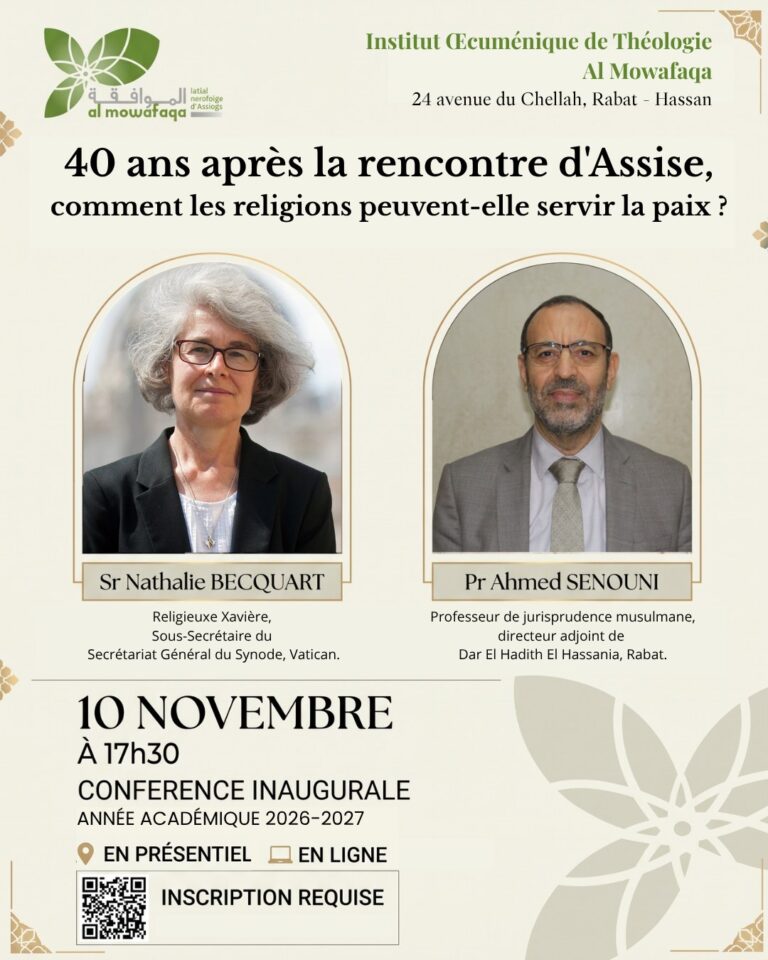 40 Years after the Assisi Meeting: How Can Religions Serve Peace?
Rabat, Maroc
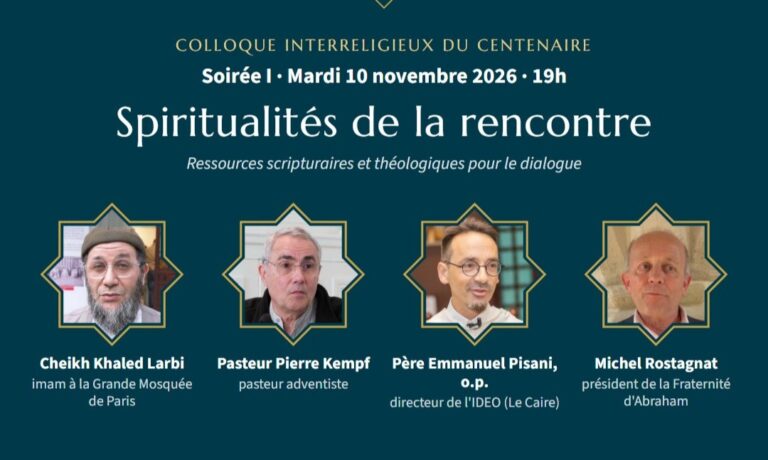 Spiritualities of Encounter: Scriptural and Theological Resources for Dialogue
Paris
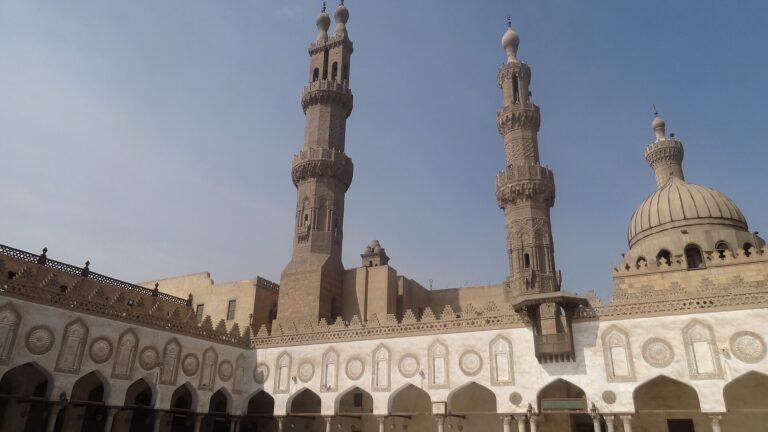 “What Is the Vision of Intercultural Dialogue and Social Friendship in the Thought of the Grand Imam of al-Azhar?”, by Emmanuel Pisani
Online
Related resources: « Freedom of Religion »
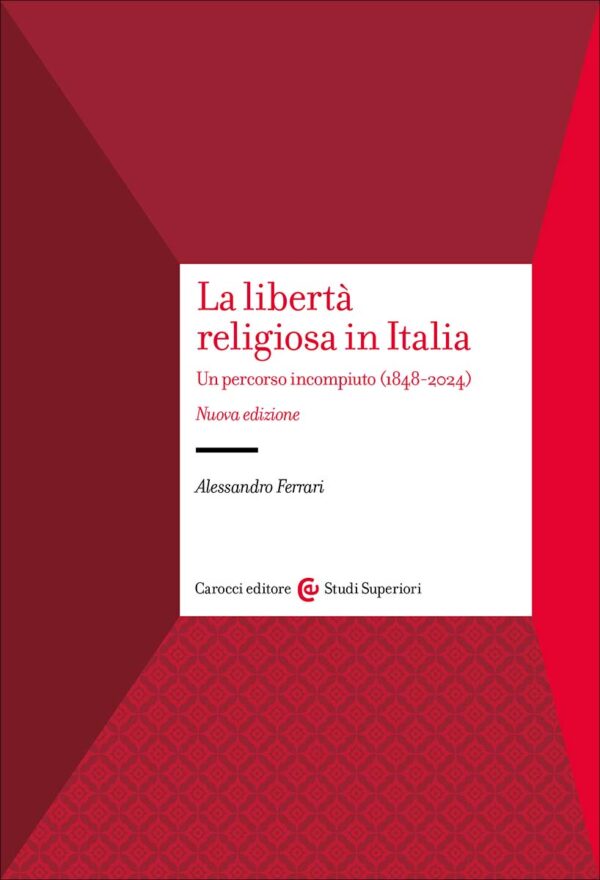 Religious Freedom in Italy. An Unfinished Path (1848-2024)
Alessandro Ferrari Published under the original title La libertà religiosa in Italia. Un percorso incompiuto (1848-2024), this synthesis by Alessandro Ferrari, professor of ecclesiastical law and…
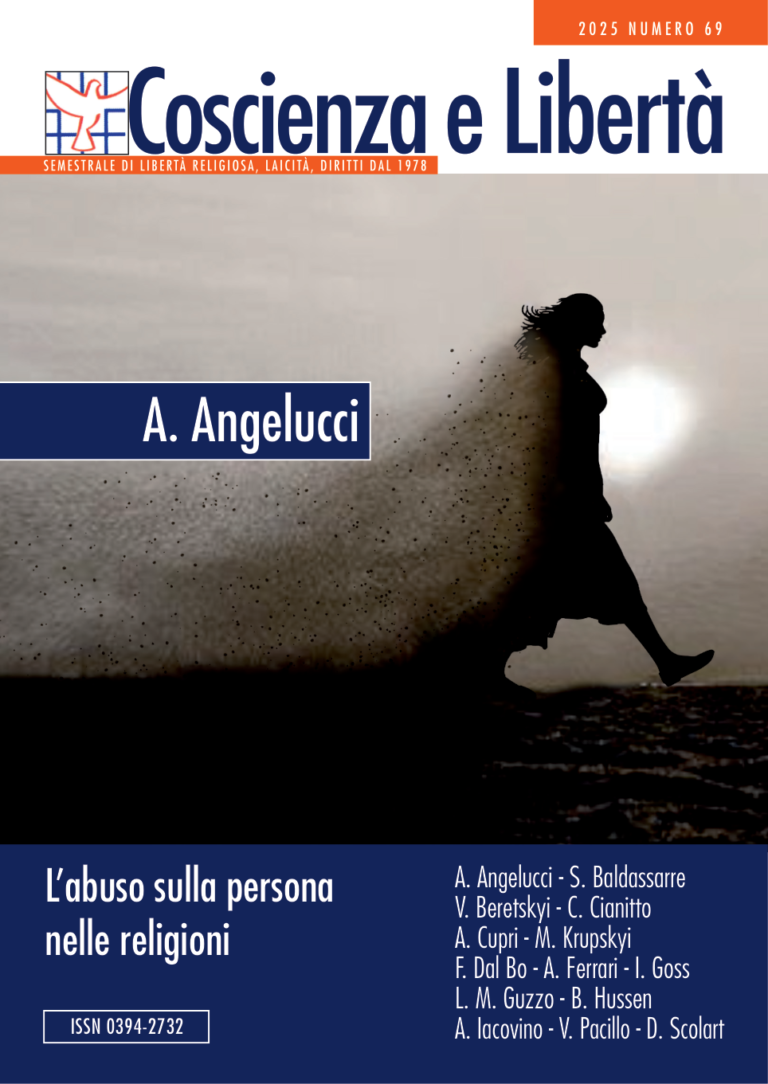 “Inclusive Citizenship, the Right to a Place of Worship and Everyday Peace”, by Antonio Angelucci
Antonio Angelucci In an article published in the Italian journal Coscienza e Libertà (no. 69, 2025), Antonio Angelucci, associate professor of law and religion at the…
 Freedom of conscience, a contested yet resilient right
Dominique Avon Rome. In a conference given on November 28, 2024, at the Pontifical Institute for Arabic and Islamic Studies, Professor Dominique Avon from the École…
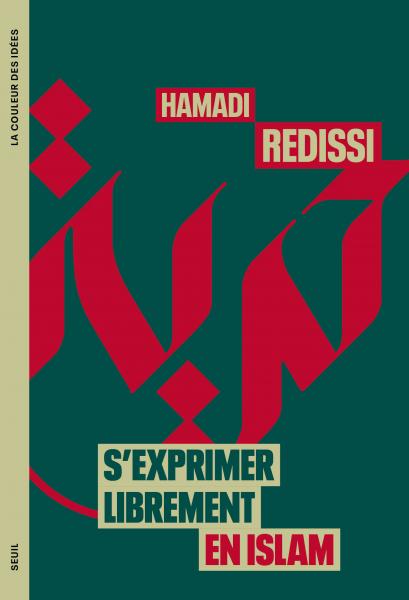 Speaking freely in Islam
Hamadi Redissi What is the Islamic doctrine of blasphemy, insult to God, religion and the Prophet? What about the prohibition of figurative representation of Muhammad? Can…
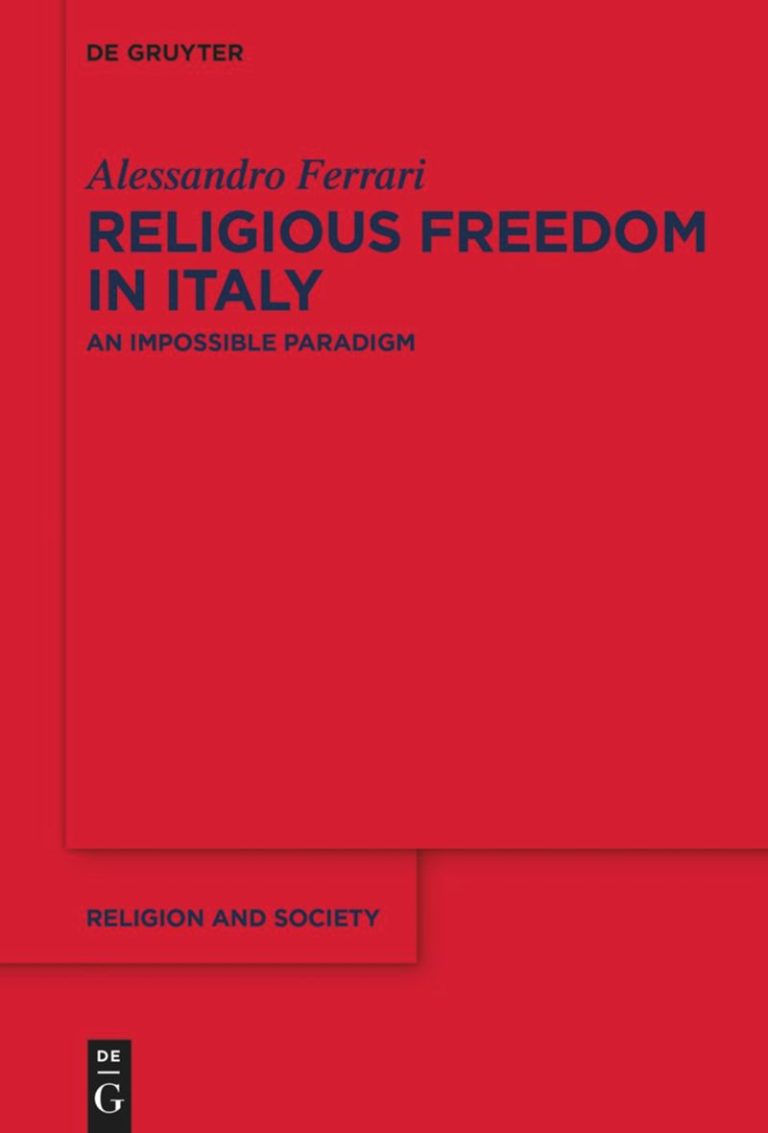 Religious Freedom in Italy. An Impossible Paradigm
Alessandro Ferrari Italy, seat of the Pope and Vatican City, has a long and difficult relationship with religious freedom. Often identified as a quintessentially Catholic nation,…
 Religions put to the test by freedom of expression
Michel Younès · Mohamed-Ali Mostfa · Malek Chaïeb “In the republican context, freedom of expression involves all the players in society and mobilises a wide range of intellectual resources. What then are…