

The Politics of Family Laws in Egypt and Tunisia: A Comparative Study of State-Religion Relations
Abstract
Egypt and Tunisia share many historical, cultural and political commonalities, yet their state-religion arrangements differ markedly, particularly regarding the scope of religious reference in family laws. The existing literature is shaped by two dominant paradigms: secularization theory, which stresses the differences (reformist policies in Tunisia versus conservative tendencies in Egypt), and Talal Asad’s postcolonial critique (2003), which instead emphasises the structural similarities, as the modern secular state intervenes in and controls the religious field.
The article moves beyond both frameworks by proposing a “Contextual Political Analysis”: it shows that historical settlements, elite interests, legal and institutional change and power balances are the decisive variables shaping state-religion relations.
This study by Mohamed Gamal Ali appeared in Contemporary Arab Affairs (vol. 18, no. 3, Brill, 2025).
Résumé
L’Égypte et la Tunisie partagent de nombreux points communs historiques, culturels et politiques. Pourtant, les arrangements entre l’État et le religieux y diffèrent sensiblement, en particulier quant à la place de la référence religieuse dans le droit de la famille. La littérature est dominée par deux paradigmes : la théorie de la sécularisation, qui insiste sur les différences (politiques réformistes en Tunisie contre tendances conservatrices en Égypte), et la critique postcoloniale de Talal Asad (2003), qui souligne au contraire les similitudes structurelles, l’État séculier moderne intervenant partout dans le champ religieux pour le contrôler.
L’article dépasse ces deux cadres en proposant une « analyse politique contextuelle » : il montre que les règlements historiques, les intérêts des élites, les transformations juridiques et institutionnelles et les rapports de force sont les variables décisives qui façonnent les relations entre l’État et la religion.
Cette étude de Mohamed Gamal Ali est parue dans la revue Contemporary Arab Affairs (vol. 18, n° 3, Brill, 2025).
ملخّص
تشترك مصر وتونس في كثير من القواسم التاريخية والثقافية والسياسية، غير أنّ ترتيبات العلاقة بين الدولة والدين تختلف بينهما اختلافًا بيّنًا، لا سيّما في مكانة المرجعية الدينية داخل قوانين الأسرة. وقد هيمن على الأدبيات نموذجان: نظرية العلمنة التي تُبرز الفوارق (سياسات إصلاحية في تونس مقابل نزعات محافِظة في مصر)، والنقد ما بعد الكولونيالي عند طلال أسد (2003) الذي يشدّد على أوجه التشابه البنيوية، إذ تتدخّل الدولة العلمانية الحديثة في الحقل الديني لضبطه.
تتجاوز هذه الدراسة النموذجين معًا، فتقترح «تحليلًا سياسيًا سياقيًا» يبيّن أنّ التسويات التاريخية ومصالح النخب والتحوّلات القانونية والمؤسسية وموازين القوى هي المتغيّرات الحاسمة في تشكيل العلاقة بين الدولة والدين.
صدرت هذه الدراسة للباحث محمد جمال علي في مجلة Contemporary Arab Affairs (المجلّد 18، العدد 3، Brill، 2025).



Resources of this researcher
article
The Politics of Family Laws in Egypt and Tunisia: A Comparative Study of State-Religion Relations
Abstract Egypt and Tunisia share many historical, cultural and political commonalities, yet their state-religion arrangements differ markedly, particularly regarding the scope of religious referenc...
publication
The Return of Turbans. Al-Azhar’s Presence in Egyptian Society
Published in late 2024, “The Return of the Turbans: Al-Azhar’s Presence in Egyptian Society” is the culmination of Mohamad Gamal Ali’s master’s thesis in political sci...
article
Exclusively for Adherents of ‘Divinely Revealed’ Religions?
How did the preparatory work for the Egyptian constitutions discuss issues of freedom of religion and belief? « The term “divinely revealed religions” is used in the constitution, laws, and some...

videos
The concept of “citizenship” in the Azhari discourse. Problems and contradictions
The concept of "citizenship" in the Al-Azhar discourse, problems and contradictions Al-Azhar Foundation announces on various occasions its full adoption of the concept of “citizenship,” and the ...
Resources related to Political Islam
publication
The Muslim Brotherhood in International Relations: Roles and Outcomes
- Wael Saleh
In this book published by TRENDS Research & Advisory (Abu Dhabi, May 2026), Wael Saleh, a member of Pluriel‘s coordination committee, examines the place and modes of action of the Muslim ...
videos
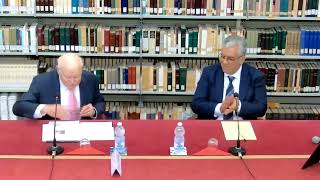
Interreligious Dialogue and Ethnic Nationalisms in the Balkans
At the invitation of PISAI (Pontifical Institute for Arabic and Islamic Studies, Rome) and Georgetown University, Ahmet Alibašić, professor of Islamic civilization at the Faculty of Islamic Studies...
publication
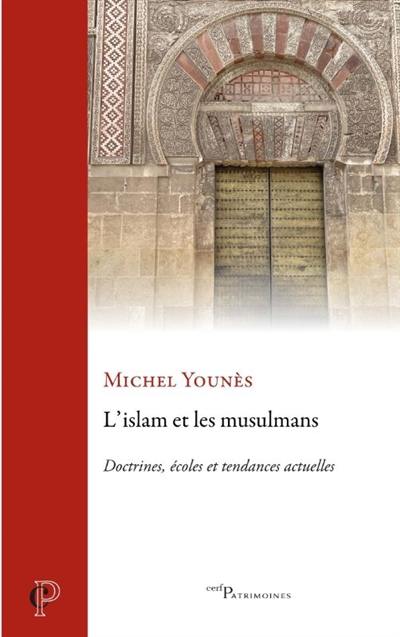
Islam and Muslims. Doctrines, Schools of Thought, and Current Trends
- Michel Younès
Publication date: April 16, 2026. Islam, as a historical, religious, and civilizational reality, is difficult to define. It can be perceived as a form of political governance, an expression of fait...

videos
Aesthetics and politico-ethics of Islamic thought: for a new reading of Averroes
Paper presented at the 5th international congress of the University Platform for Research on Islam (Pluriel), held in Cordoba from 10 to 14 February 2026 on the theme "Ethics and Aesthetics in Isla...
publication
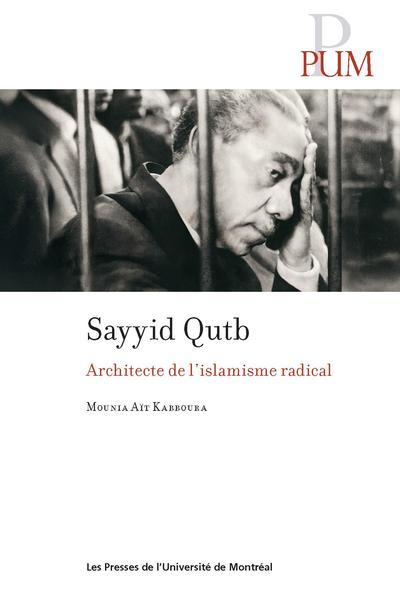
Sayyid Qutb. Architect of Radical Islamism
- Mounia Ait Kabboura
The thought of Sayyid Qutb (1906–1966) has profoundly shaped a wide range of religio-political movements, from the Muslim Brotherhood to Salafi-jihadists, radicalizing political Islam and inspiring...
publication
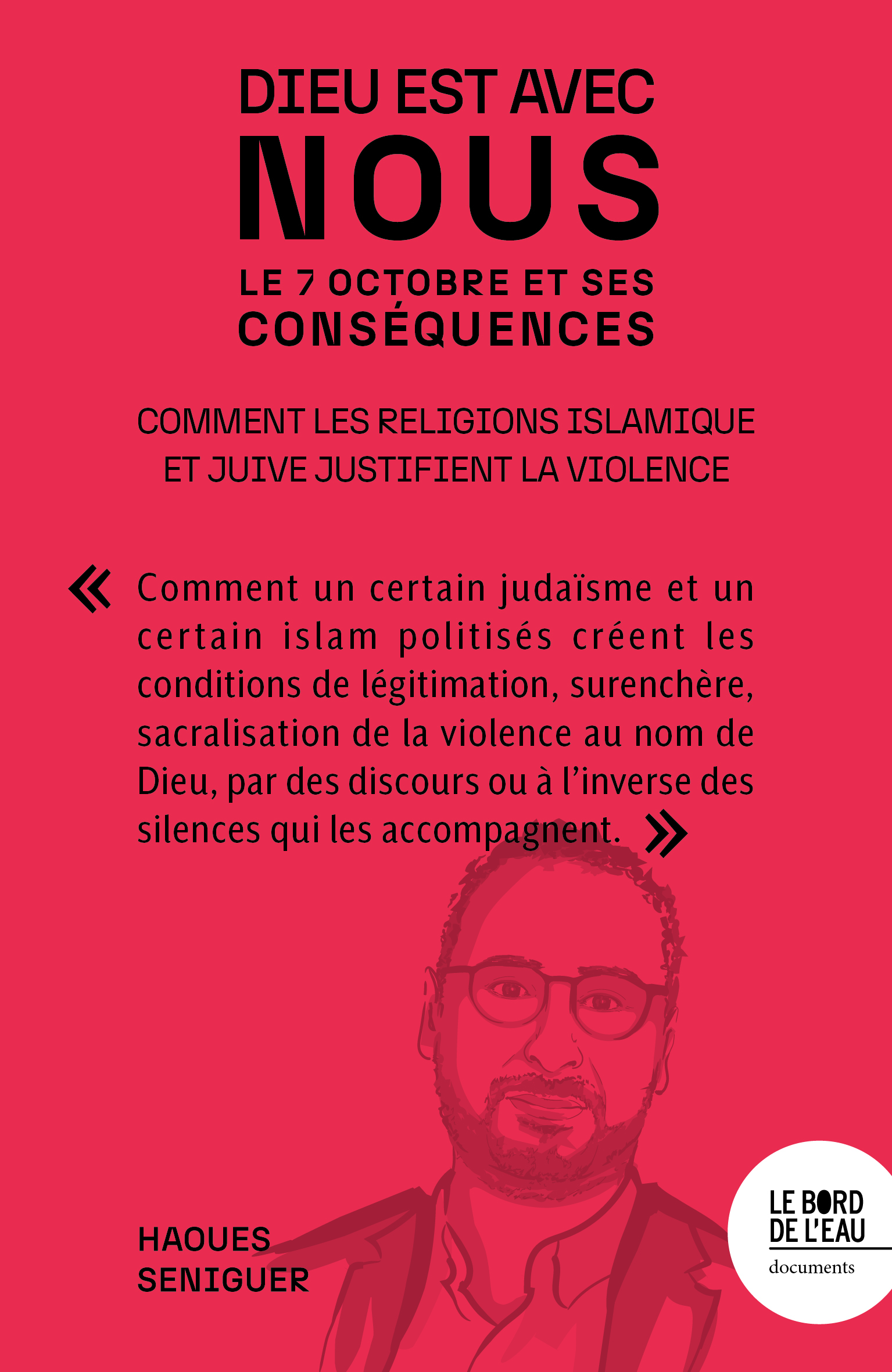
God Is with Us: How Islam and Judaism Justify Violence
- Haoues Seniguer
Long before October 7, 2023—and even more so since—certain politicized strands of Judaism and Islam have been creating conditions that legitimize, escalate, and sacralize violence in God’s na...
article
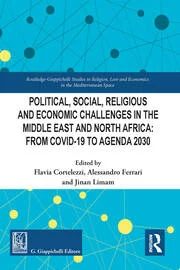
Al-Azhar and Politics in Egypt in the Post-Arab Spring: Al-Azhar’s Position within State-Society Relations (2011-2021)
- Mohamed Gamal Ali
Presentation This chapter analyses the transformations of al-Azhar's position within state-society relations in Egypt, from the 2011 revolution to 2021. A centuries-old religious institution, al-Az...
article
The Politics of Family Laws in Egypt and Tunisia: A Comparative Study of State-Religion Relations
- Mohamed Gamal Ali
Abstract Egypt and Tunisia share many historical, cultural and political commonalities, yet their state-religion arrangements differ markedly, particularly regarding the scope of religious referenc...