


Hamadi Redissi
Hamadi Redissi, born in 1952 in Tunisia, is professor of political science at the University of Tunis. He is the author of numerous books and studies on the Arab-Muslim world written from a comparative and multidisciplinary perspective (history, political theory and sociology). He held fellowships from the Anne-Marie Schimmel Foundation in Bonn (June 2005) and the Senior Fulbright programme in New York (1998-1999). He was a visiting scholar at Yale University from 2007 to 2008, then a resident at the “Recht als Kultur” Center for Advanced Studies in Bonn in 2010. He was also a visiting professor at the University of Bologna (2000-2010) and at Saint Joseph University in Beirut (2000-2014).
A member of the American Institute for Maghreb Studies (AIMS) and of the editorial boards of the journals Jura Gentium (Florence) and Iris (European Journal of Philosophy and Public Debate), he is actively involved in public debate in Tunisia, where he is honorary president of the Tunisian Observatory of the Democratic Transition.
Resources of this researcher
-
publication
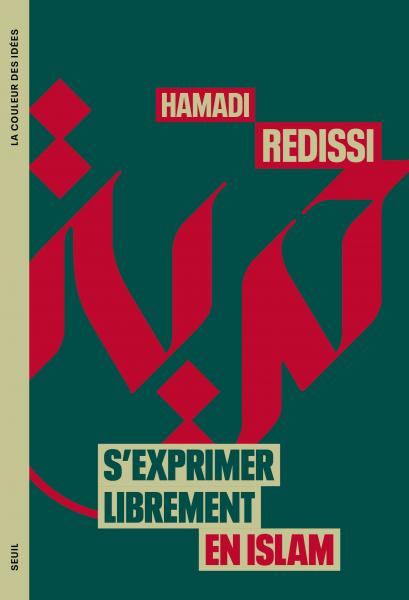
Speaking freely in Islam
- Hamadi Redissi
What is the Islamic doctrine of blasphemy, insult to God, religion and the Prophet? What about the prohibition of figurative representation of Muhammad? Can one openly believe or abjure in Islam? T...
-

videos
Blasphemy in Islam, past and present
- Hamadi Redissi
Lecture by Hamadi REDISSI, Professor of Political Science at the University of Tunis, given on 26 June 2018 at the Pontifical Gregorian University in Rome within the framework of the second interna...
Resources related to Political Sciences

publication
Understanding Salafism
- Mohamed-Ali Adraoui
Published in 2022 by Palgrave Macmillan (Springer) in the series The Sciences Po Series in International Relations and Political Economy, this book by Mohamed-Ali Adraoui, professor at Sorbonne Par...
publication
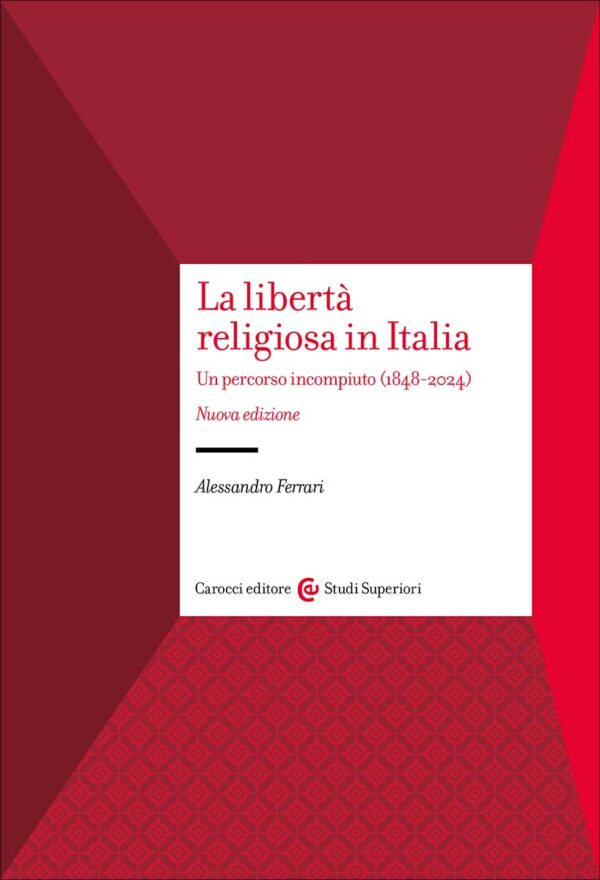
Religious Freedom in Italy. An Unfinished Path (1848-2024)
- Alessandro Ferrari
Published under the original title La libertà religiosa in Italia. Un percorso incompiuto (1848-2024), this synthesis by Alessandro Ferrari, professor of ecclesiastical law and comparative religiou...
article
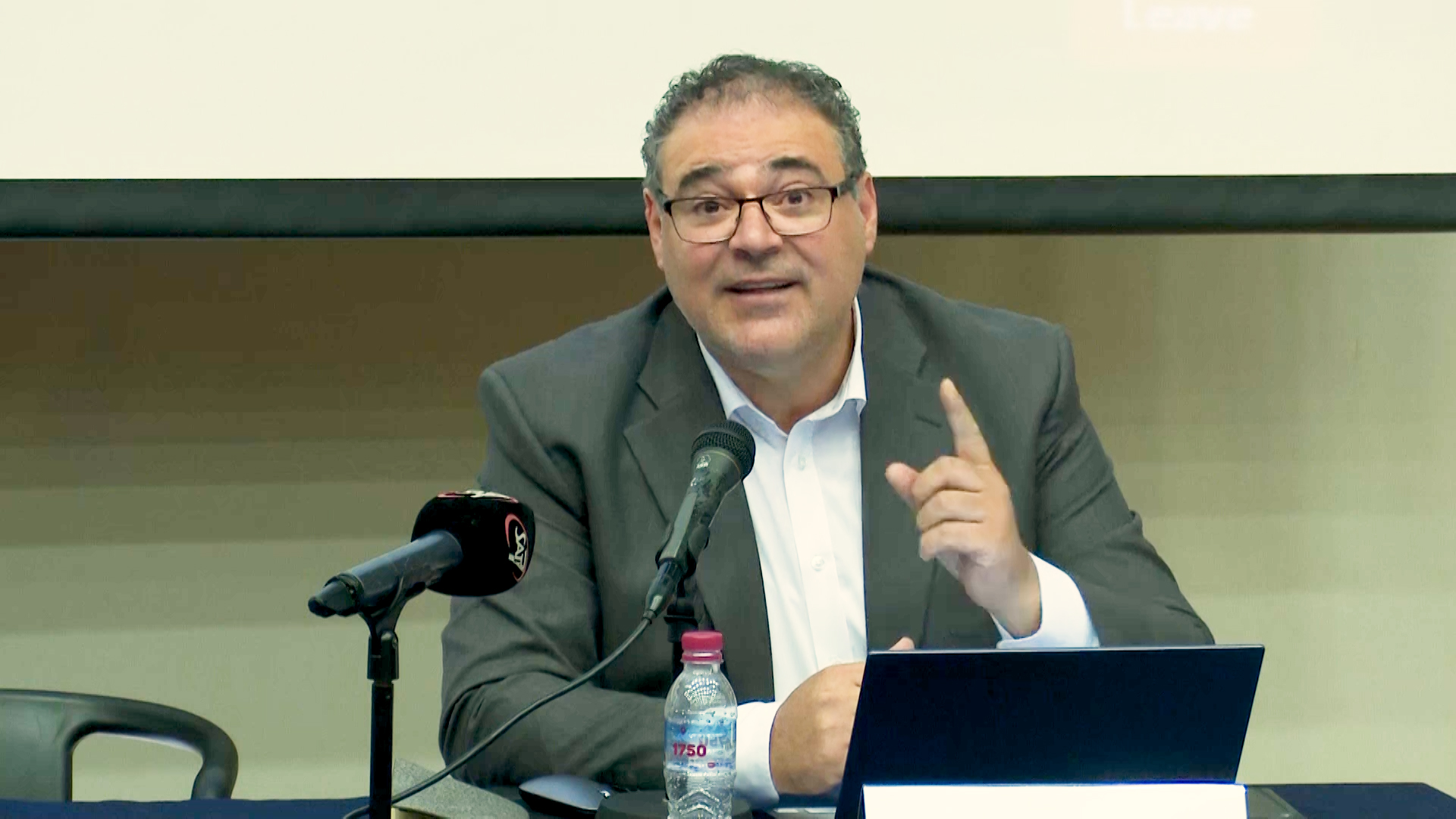
Wael Saleh: “Recognising Without Confining, to Better ‘De-other’ the Public Debate”
- Wael Saleh
In an op-ed published on 20 July 2026 by Le Devoir, Wael Saleh, a member of the scientific committee of Pluriel, puts forward a new concept for contemporary democratic debate: "de-othering" (in Fre...
publication
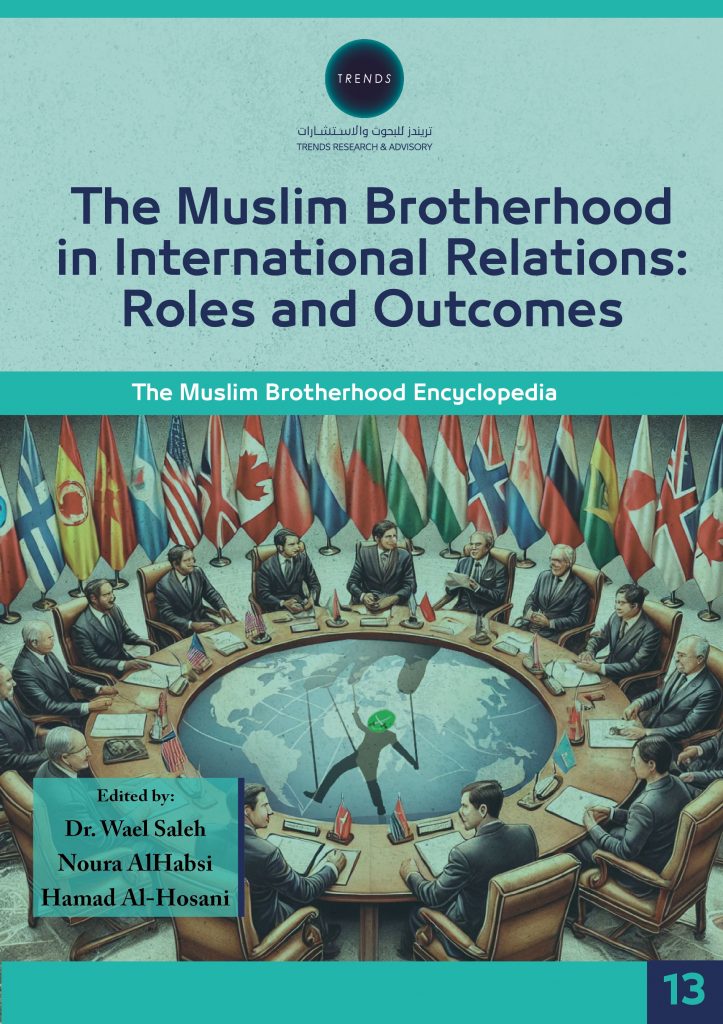
The Muslim Brotherhood in International Relations: Roles and Outcomes
- Wael Saleh
In this book published by TRENDS Research & Advisory (Abu Dhabi, May 2026), Wael Saleh, a member of Pluriel‘s coordination committee, examines the place and modes of action of the Muslim ...
videos
Interreligious Dialogue and Ethnic Nationalisms in the Balkans
At the invitation of PISAI (Pontifical Institute for Arabic and Islamic Studies, Rome) and Georgetown University, Ahmet Alibašić, professor of Islamic civilization at the Faculty of Islamic Studies...
article
Beyond Representation: Systemic Epistemic Alterity and the Architecture of Knowledge in the Contemporary Academy
- Wael Saleh
In this article, published in two parts by Social Epistemology Review and Reply Collective (SERRC), Wael Saleh, a researcher at the University of Quebec in Montreal (UQAM) and a member of Pluriel's...

publication
Managing Religious Diversity in Italy: Law, Policy, and Practice in a Pluralist Era
- Alessandro Ferrari
In this article published in the journal Religions 17/3 (2026), Alessandro Ferrari offers a comprehensive analysis of Italy’s regime for governing religious diversity, at the intersection of ...
publication
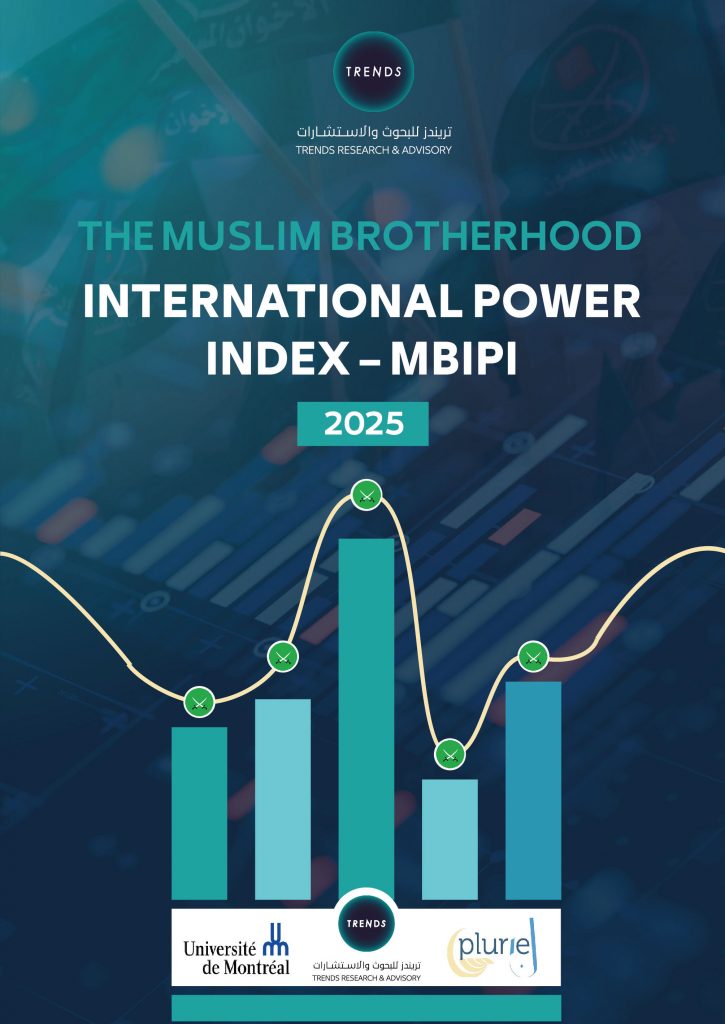
The Muslim Brotherhood International Power Index (MBIPI) 2025
- Wael Saleh
- Patrice Brodeur
Published in February 2026 by TRENDS Research & Advisory (Abu Dhabi), The Muslim Brotherhood International Power Index (MBIPI) 2025 offers the first systematic, global measurement of the Brothe...