
20 October 2026
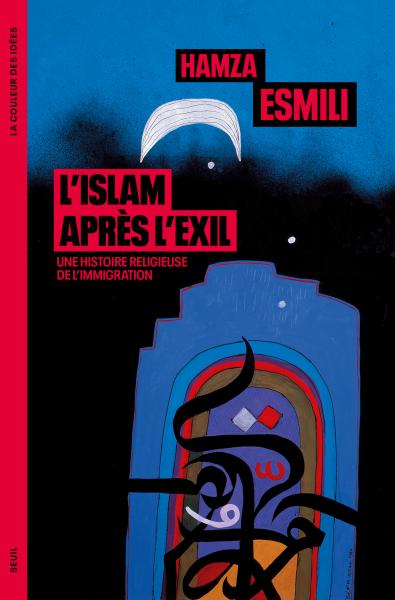
“Islam after Exile: A Religious History of Immigration”, by Hamza Esmili
On Tuesday 20 October 2026, the Institute for the Study of Islam and the Societies of the Muslim World (IISMM, School for Advanced Studies in the Social Sciences, EHESS) is holding an author meeting with Hamza Esmili, socio-anthropologist and lecturer (maître-assistant) at the University of Lausanne, on his book L’Islam après l’exil. Une histoire religieuse de l’immigration (Islam after Exile: A Religious History of Immigration, Seuil, 2026). The discussant is Laurent Bonnefoy, CNRS research fellow at the Centre for International Studies (CERI) of Sciences Po, a political scientist and Arabist specialising in Salafi movements and the contemporary Arabian Peninsula.
What does the revival of piety among North African immigrants and their descendants since the 1980s mean? Drawing on long-term fieldwork in Clichy-sous-Bois, the author shows how they reinvested the Islamic tradition in order to establish a line of transmission with the first generation born in housing estates relegated to the margins. Neither archaism nor mere identity politics, this Islam stems from a chosen religious reaffiliation, grounded in individual piety and in a shared rereading of the migrant experience.
The book thus offers a history of immigration attentive to the moral life of immigrants and their children: post-exile Islam does not merely question the host society, it also transforms the Muslim tradition itself.
- Date: Tuesday 20 October 2026, 12:00–13:30 (Paris time);
- Venue: EHESS, room B3_18 (third floor), 54 boulevard Raspail, 75006 Paris, and online;
- Registration: required, via the IISMM form (on site or by videoconference);
- Details: see the event page (in French).
Le mardi 20 octobre 2026, l’Institut d’études de l’islam et des sociétés du monde musulman (IISMM, École des hautes études en sciences sociales) organise un atelier-rencontre avec Hamza Esmili, socio-anthropologue et maître-assistant à l’Université de Lausanne, autour de son ouvrage L’Islam après l’exil. Une histoire religieuse de l’immigration (Seuil, 2026). La discussion est assurée par Laurent Bonnefoy, chargé de recherche au CNRS, affecté au Centre de recherches internationales (CERI) de Sciences Po, politiste et arabisant, spécialiste des mouvements salafistes et de la péninsule Arabique contemporaine.
Que signifie le renouveau de la piété des immigrés maghrébins et de leurs descendants depuis les années 1980 ? À partir d’une longue enquête menée à Clichy-sous-Bois, l’auteur montre comment ceux-ci ont réinvesti la tradition islamique pour établir le fil de la transmission avec la première génération née dans des cités reléguées à la marginalité. Ni archaïsme ni simple revendication identitaire, cet islam relève d’une réaffiliation religieuse choisie, fondée sur une piété individuelle et sur une relecture commune de l’expérience migratoire.
L’ouvrage propose ainsi une histoire de l’immigration attentive à la vie morale des immigrés et de leurs enfants : l’islam d’après l’exil n’interroge pas seulement la société d’accueil, il fait aussi évoluer la tradition musulmane elle-même.
- Date : mardi 20 octobre 2026, de 12h à 13h30 ;
- Lieu : École des hautes études en sciences sociales, salle B3_18 (troisième étage), 54 boulevard Raspail, 75006 Paris, et en ligne ;
- Inscription : obligatoire, sur le formulaire de l’IISMM (sur place ou en visioconférence) ;
- Présentation : voir la page de l’atelier.
يومَ الثلاثاء 20 أكتوبر/تشرين الأول 2026، ينظّم معهد دراسات الإسلام ومجتمعات العالم الإسلامي (IISMM) التابع لمدرسة الدراسات العليا في العلوم الاجتماعية (EHESS) لقاءً مع حمزة إسميلي، الباحث في علم الاجتماع والأنثروبولوجيا والأستاذ المساعد في جامعة لوزان، حول كتابه «الإسلام بعد المنفى: تاريخ ديني للهجرة» (دار سوي، 2026). ويعقّب على الكتاب لوران بونفوا، الباحث في المركز الوطني للبحث العلمي (CNRS) ومركز البحوث الدولية (CERI) في معهد العلوم السياسية بباريس، وهو متخصّص في العلوم السياسية ومستعرب، يُعنى بدراسة الحركات السلفية وشبه الجزيرة العربية المعاصرة.
فما الذي يعنيه تجدّد التديّن لدى المهاجرين المغاربيين وأبنائهم منذ ثمانينيات القرن العشرين؟ انطلاقاً من بحث ميداني طويل في كليشي-سو-بوا، يبيّن المؤلف كيف أعاد هؤلاء استثمار التقليد الإسلامي ليصلوا خيط التوارث بالجيل الأول المولود في أحياء شعبية دُفعت إلى الهامش. فهذا الإسلام ليس نكوصاً إلى الماضي ولا مجرّد مطالبة هوياتية، بل هو انتماء ديني متجدّد ومختار، يقوم على تديّن فردي وعلى قراءة مشتركة لتجربة الهجرة.
وهكذا يقدّم الكتاب تاريخاً للهجرة يولي اهتماماً بالحياة الأخلاقية للمهاجرين وأبنائهم، إذ لا يكتفي إسلام ما بعد المنفى بمساءلة مجتمع الاستقبال، بل يسهم أيضاً في تطوير التقليد الإسلامي نفسه.
- التاريخ: الثلاثاء 20 أكتوبر/تشرين الأول 2026، من الساعة 12:00 إلى 13:30 (بتوقيت باريس)؛
- المكان: مدرسة الدراسات العليا في العلوم الاجتماعية، القاعة B3_18 (الطابق الثالث)، 54 جادّة راسباي، 75006 باريس، وعن بُعد؛
- التسجيل: إلزامي عبر استمارة المعهد (حضورياً أو عن بُعد)؛
- التفاصيل: انظر صفحة اللقاء (بالفرنسية).


Resources related to Islam in Europe
publication
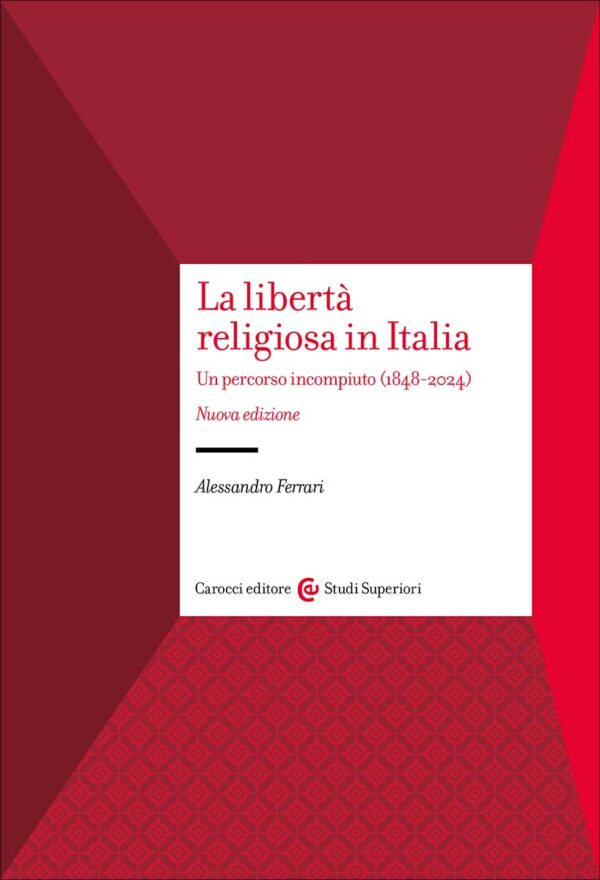
Religious Freedom in Italy. An Unfinished Path (1848-2024)
- Alessandro Ferrari
Published under the original title La libertà religiosa in Italia. Un percorso incompiuto (1848-2024), this synthesis by Alessandro Ferrari, professor of ecclesiastical law and comparative religiou...
article
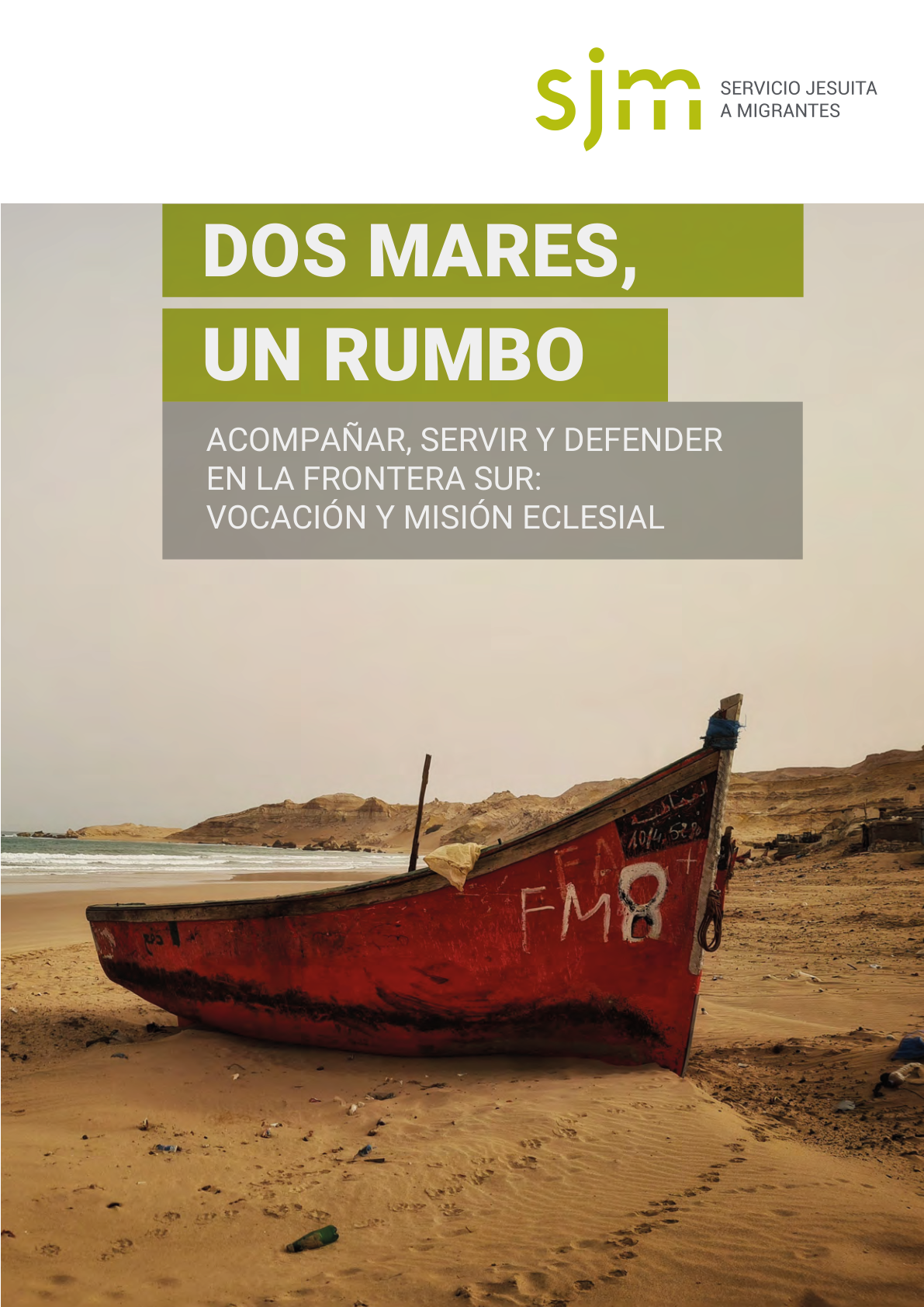
Two Seas, One Course: The 2026 Jesuit Migrant Service Report on Spain’s Southern Border
- Josep Buades
The annual report of the Jesuit Migrant Service (SJM), the social apostolate body of the Society of Jesus in Spain, written by Josep (Pep) Buades Fuster, examines the migratory dynamics of Spain’s ...
videos
From Lavigerie to PISAI: The Institutional History of the Missionaries of Africa’s Engagement with Islam
Delivered on 21 May 2026 at the Pontifical Institute for Arabic and Islamic Studies (PISAI) in Rome, this lecture opens the series of conferences marking the institute's centenary (1926-2026). Fr. ...
videos
Interreligious Dialogue and Ethnic Nationalisms in the Balkans
At the invitation of PISAI (Pontifical Institute for Arabic and Islamic Studies, Rome) and Georgetown University, Ahmet Alibašić, professor of Islamic civilization at the Faculty of Islamic Studies...
article
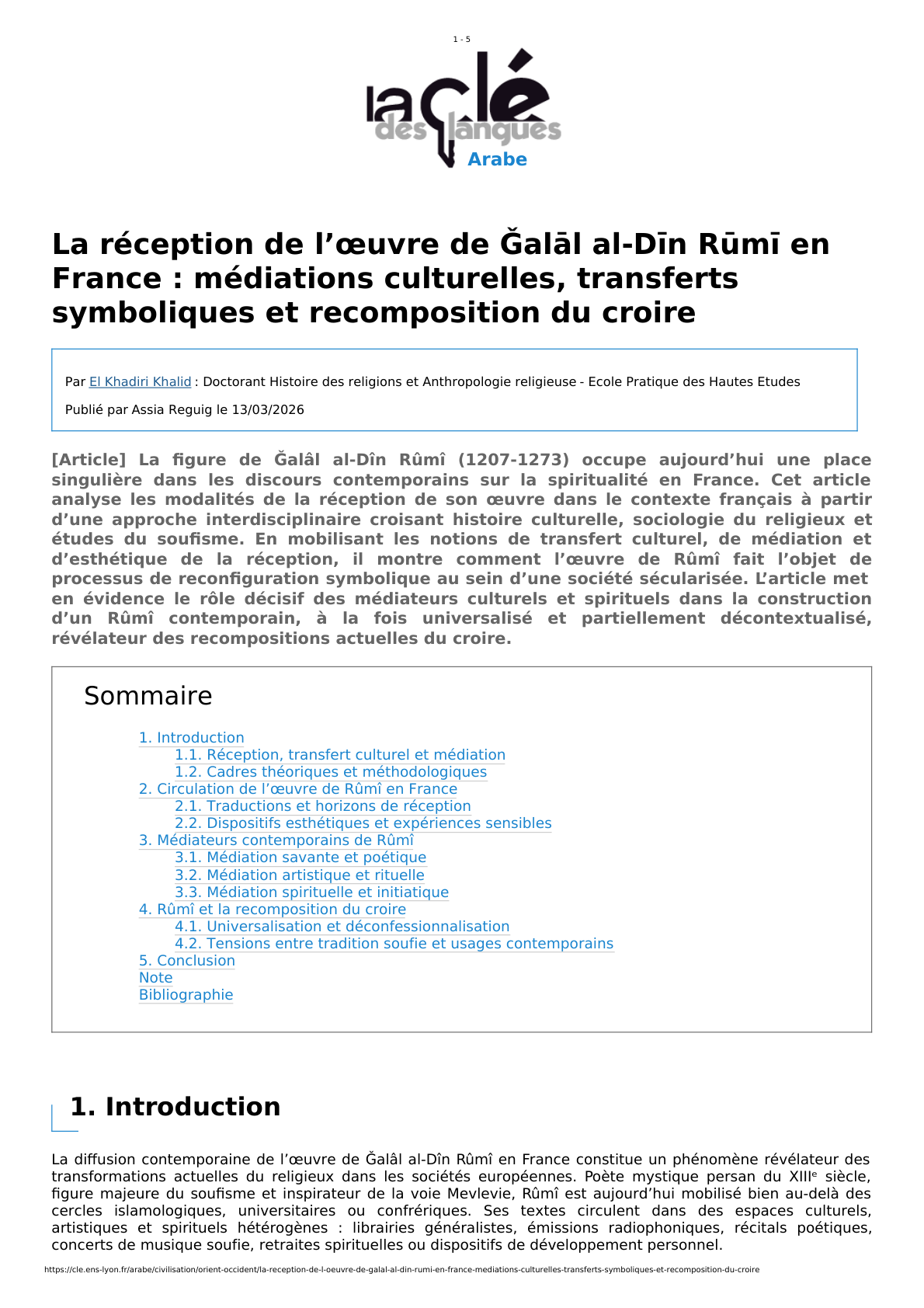
“The Reception of Rūmī’s Work in France: Cultural Mediations, Symbolic Transfers and the Recomposition of Belief”, by Khalid El Khadiri
- Khalid El Khadiri
In the journal La Clé des Langues (ENS de Lyon, March 2026), Khalid El Khadiri, a PhD candidate in the history and sociology of religions at the École pratique des hautes études (EPHE), examines th...

videos
Political and religious anarchism in the musical forms of rebel Islam: from rap to taqwacore
Paper presented at the fifth international congress of the University Platform for Research on Islam (Pluriel), held in Cordoba from 10 to 14 February 2026 on the theme "Ethics and Aesthetics in Is...

videos
From regulating religious sound to transforming it into light: public, legal and architectural debates on the adhān
Paper presented at the fifth international congress of the University Platform for Research on Islam (Pluriel), held in Cordoba from 10 to 14 February 2026 on the theme "Ethics and Aesthetics in Is...
publication
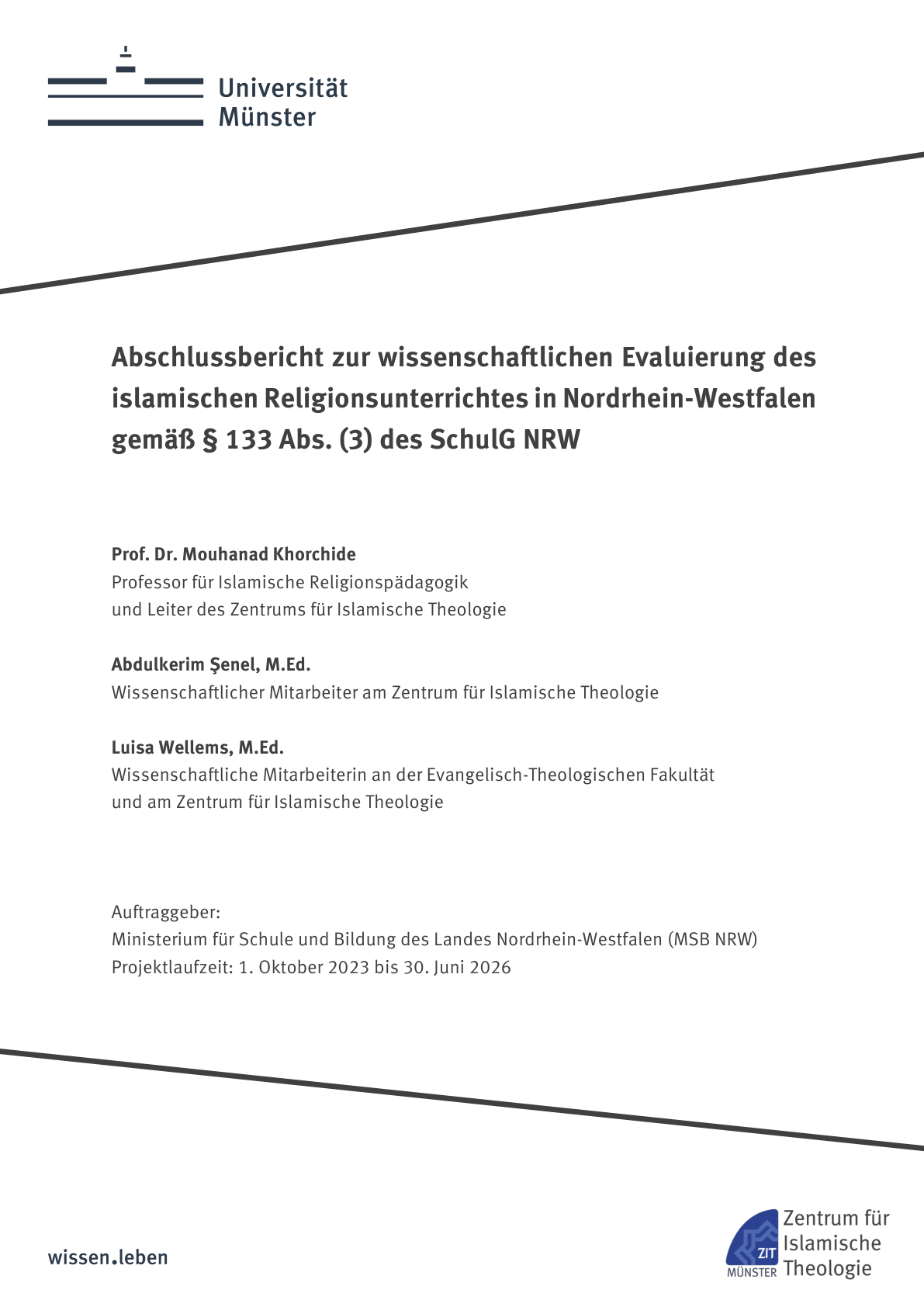
Scientific Evaluation of Islamic Religious Education in North Rhine-Westphalia
- Mouhanad Khorchide
Conducted by the Center for Islamic Theology at the University of Münster (directed by Mouhanad Khorchide) at the request of the Ministry of Education of North Rhine-Westphalia, this final scientif...