
Pope Francis and Christian-Islamic Dialogue
It is ridiculous if not absurd to think of God as someone whose intention is to “defeat”. His omnipotence stops before our freedom, called to be if not “convinced”, at least “committed” to an authentic religious experience. The interiority of it is obviously secondary or totally consensual in almost everything that one claims to say or do in his name. The end can only be man, that is, a humanity made up of unique faces and stories, at the service of which every occasion should appear to us as a supreme grace given not so much to show that we are on the right side, but on what side do we want to stand in the eternal and insoluble confrontation between good and evil, light and darkness, life and death.
Il est ridicule sinon aberrant de penser à Dieu comme à quelqu’un dont l’intention est de “vaincre”. Sa toute-puissance s’arrête devant notre liberté, appelée à être sinon “convaincue”, du moins “engagée” dans une authentique expérience religieuse. L’intériorité de celle-ci est manifestement secondaire ou totalement consensuelle dans presque tout ce que l’on prétend dire ou faire en son nom. La fin ne peut être que l’homme, c’est-à-dire une humanité faite de visages et d’histoires uniques, au service de laquelle chaque occasion devrait nous apparaître comme une grâce suprême donnée non pas tant pour montrer que nous sommes du bon côté, mais de quel côté nous voulons nous tenir dans la confrontation éternelle et insoluble entre le bien et le mal, la lumière et les ténèbres, la vie et la mort.
Titre original : “Papa Francesco e il dialogo cristiani-islamici”
È ridicolo se non aberrante pensare a Dio come a Qual-cuno che abbia nella Sua agenda l’obiettivo di “vincere”. La Sua onnipotenza si ferma di fronte alla nostra libertà, chiamata semmai ad essere “convinta” o meglio “avvin-ta” in una genuina esperienza religiosa. L’interiorità di quest’ultima è palesemente secondaria o del tutto assen-te in quasi tutto ciò che si pretende di dire o di fare in Suo nome. Il fine non può che essere l’uomo, vale a dire un’umanità fatta di volti e di storie uniche e irripetibili al servizio della quale ogni occasione dovrebbe apparirci come una suprema grazia dataci non tanto per dimostrare che stiamo dalla parte giusta, ma da quale parte ci situia-mo nell’eterno e irrisolvibile confronto fra bene e male, luce e tenebre, vita e morte.
By the same author on Pluriel
 The term “dahr” (fate) in the Arabic language and its literature
Paolo Branca It is obviously not possible to examine the entire Arab literary production: we will therefore start from the many examples of pre-Islamic verses to…
 Religious Traditions in the Face of the Crisis of the Liberal System: The Case of Islam
Paolo Branca · Antonio Cuciniello Proceedings of the conference organised by the Cathoilic University of Milan on October 9th, 2019. Abstract : Religions have regained a considerable role in…
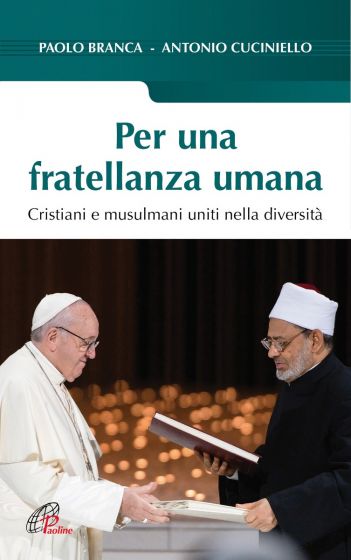 For a human fraternity – Christians and Muslims united in diversity
Antonio Cuciniello · Paolo Branca Beginning with the Document on Human Brotherhood, signed in Abu Dhabi by Pope Francis and the Grand Imam of Al-Azhar Ahmad Al-Tayyib on 5…
 Disease, death and cure. Muslims and the health emergency
Antonio Cuciniello · Paolo Branca Original title : Malattia, morte e cura. I musulmani e l’emergenza sanitaria The health emergency caused by Covid-19 has also had a strong impact…
 Voices of a modern Islam. Arab-Muslim thought between renewal and tradition
Paolo Branca Original title : “Voci dell’Islam moderno. Il pensiero arabo-musulmano fra rinnovamento e tradizione” Review by Filoramo, G., in L’Indice 1993, n. 3 Since Weber,…
Related resources: « Muslim-Christian Dialogue »
 Artificial Intelligence, a New God? Christian and Muslim Perspectives
On 20 October 2026, the Centre for Interreligious Studies (ZIRS) at the University of Innsbruck, a partner institution of Pluriel, opened the semester of…
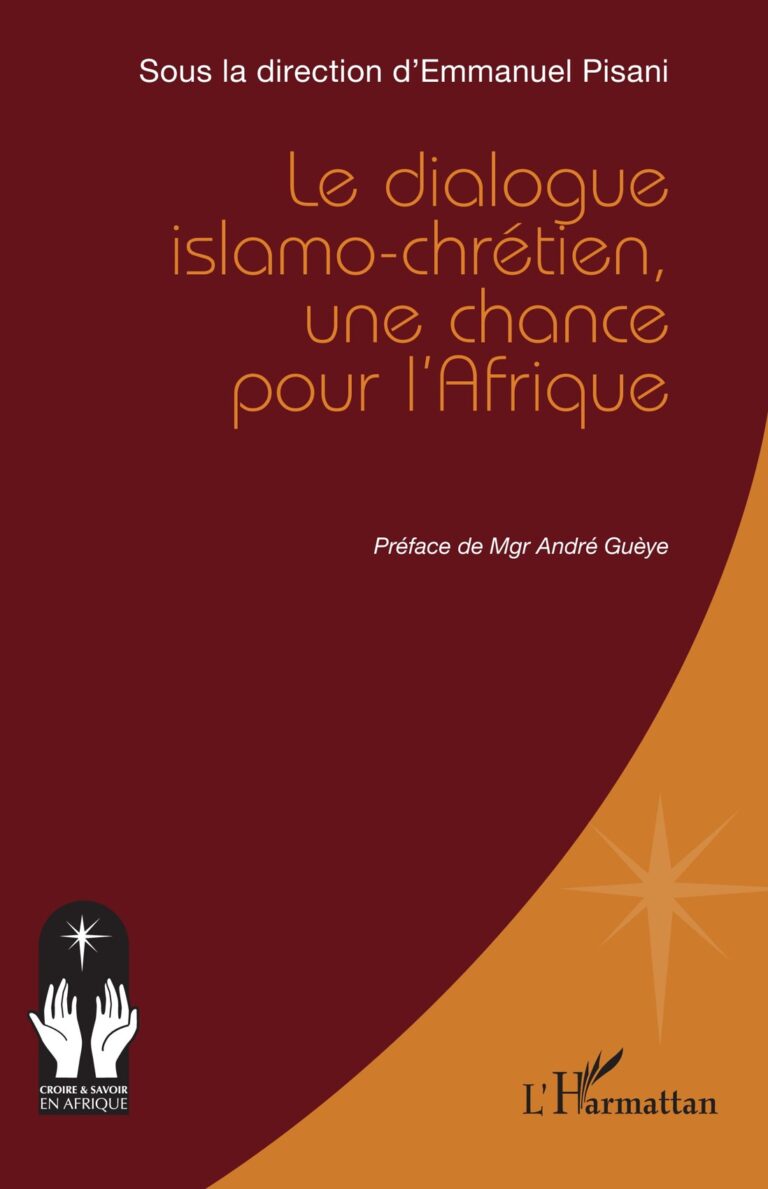 Christian-Muslim Dialogue, an Opportunity for Africa
Emmanuel Pisani At a time when sub-Saharan Africa is undergoing profound socio-political change and the rise of religious radicalism, Christian-Muslim dialogue emerges as an essential requirement…
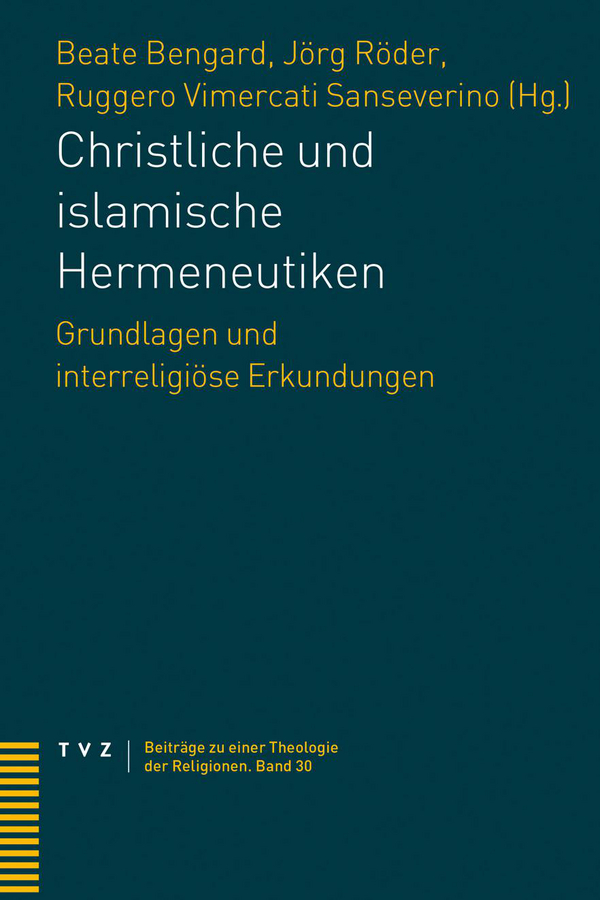 Christian and Islamic Hermeneutics: Foundations and Interreligious Explorations
Beate Bengard Published in October 2026 by TVZ (Theologischer Verlag Zürich) in the series “Beiträge zu einer Theologie der Religionen” (vol. 30, 451 p.), Christliche und…
 The First Council of Nicaea (325) and the Christian-Muslim Dialogue on God’s Unity and Trinity
Dirk Ansorge Abstract Published under the original title "Das erste Konzil von Nizäa (325) und der christlich-muslimische Dialog über Gottes Einheit und Dreifaltigkeit" in issue 2/2025…
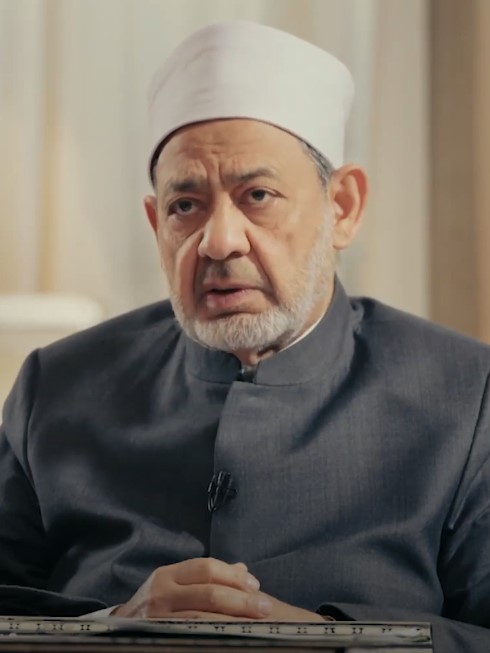 Christian-Muslim Relations Today: Some Reflections
David Marshall Abstract Published as "Christian-Muslim Relations Today: Some Reflections" in a special issue of The Muslim World marking the 50th anniversary of the Duncan Black…
 Ḥaydar Ibrāhīm ʿAlī, a Thinker on Multiple Fronts
Guy-Raymond Sarkis Abstract Ḥaydar Ibrāhīm ʿAlī, a Sudanese sociologist of religion, is a committed intellectual whose writings both arise from and respond to the challenges of…