
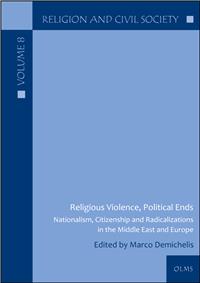
Publisher : Olms-Weidmann -

English


Religious Violence, Political Ends, Nationalism, Citizenship and Radicalizations in the Middle East and Europe
Since antiquity, religious violence based on political motives has been and remains a common practice: the atrocities committed by the Roman Empire against the first Christian communities were quickly replaced by acts no less aggressive against non-Christian believers, accused of polytheistic and unacceptable practices.
With the advent of modernity, the homogenization of the religious sphere for political and economic purposes, the annihilation of all forms of heresy and the spread of Protestantism, Calvinism and Anglicanism have led to a restructuring of the states of Western Europe under the motto “A kingdom, a religion, a nation”.
The end of the wars of religion (1648), the sovereignty of Westphalia and the principle cuius regio, eius religio influenced the formation of modern Europe and other regions, while Franco-British colonialism imposed the same system on the whole of the Middle-East and the Islamic world.
This volume is devoted to the study of interreligious violence, religious sectarianism and Islamophobia on a theoretical basis, combined with the “clash of civilizations” and “religious nationalism”, expressing specific policy objectives aimed at maintaining fragmentation and conflict in the East and fuelling fears and prejudices in the West.
Depuis l’Antiquité, la violence religieuse fondée sur des motifs politiques a été et reste une pratique courante : les atrocités commises par l’Empire romain à l’encontre des premières communautés chrétiennes ont rapidement été remplacées par des actes non moins agressifs à l’encontre de croyants non chrétiens, accusés de pratiques polythéistes et inacceptables.
Avec l’avènement de la modernité, l’homogénéisation de la sphère religieuse à des fins politiques et économiques, l’anéantissement de toutes les formes d’hérésie et la propagation du protestantisme, du calvinisme et de l’anglicanisme ont entraîné une restructuration des États d’Europe occidentale selon la devise “Un royaume, une religion, une nation”.
La fin des guerres de religion (1648), la souveraineté de Westphalie et le principe cuius regio, eius religio ont influencé la formation de l’Europe moderne et d’autres régions, tandis que le colonialisme franco-britannique a imposé le même système à l’ensemble du Moyen-Orient et du monde islamique.
Le présent volume est consacré à l’étude de la violence interreligieuse, du sectarisme religieux et de l’islamophobie sur une base théorique, combinés au “choc des civilisations” et au “nationalisme religieux”, exprimant des objectifs politiques précis visant à maintenir la fragmentation et les conflits belliqueux à l’Est et à attiser les craintes et les préjugés à l’Ouest.
Titre original : “Religious Violence, Political Ends”
منذ العصور القديمة، شكّلَ العنف الديني القائم على الدوافع السياسية ممارسة شائعة ولا يزالُ حتى يومنا هذا. فالفظائع التي ارتكبتها الإمبراطورية الرومانية ضد الجماعات المسيحية الأولى سرعان ما استُبدِلت بأفعال لا تقلّ عدوانيةً عنها طالت المؤمنين غير المسيحيين المُتّهمين بممارسات شركية وغير مقبولة.
مع حلول الحداثة، أدّى تجانسُ المجال الديني لغايات سياسيّة واقتصاديّة وإزالةُ أشكالِ الهرطقةِ كلّها وانتشارُ البروتستانيّة والكالفينية والأنجليكانية إلى إعادةِ هيكلية دول أوروبا الغربيّةِ تحت شعارِ “مملكة، دين، وأمّة”.
أثّرت نهاية الصراع الديني (1648) وسيادة وستفاليا وقيام مبدأ “الناس على دين ملوكهم” ( cuius regio, eius religio) في تشكيل أوروبا الحديثة ومناطق أخرى في وقتٍ فرضَ الاستعمارُ الفرنسي- البريطاني النظامَ نفسَه على الشرق الأوسط والعالم الإسلامي بأسرهما.
خُصِّص هذا العدد لدراسة العنف بين الأديان والطائفية الدينية ورُهاب الإسلام من الناحيةِ النظريّةِ، وقرنها بـ”صراع الحضارات” و “القومية الدينية”، بغية توضيحِ غاياتٍ سياسية محدّدة تهدف إلى الحفاظ على الانقسام والصراع في الشرق وتأجيجِ المخاوف والأحكام المسبقة في الغرب.


 publisher's website
Resources of this researcher
article
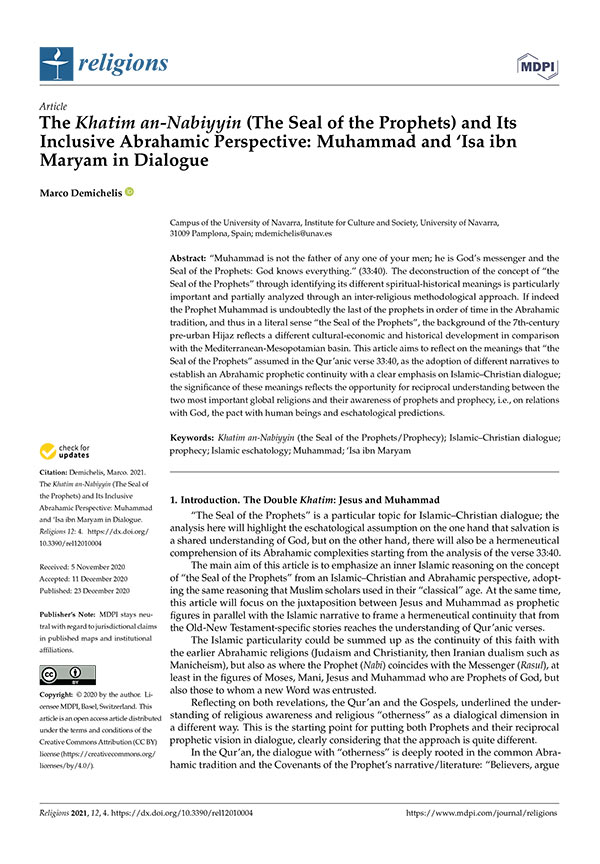
The Khatim an-Nabiyyin (The Seal of the Prophets) and Its Inclusive Abrahamic Perspective: Muhammad and ‘Isa ibn Maryam in Dialogue
Abstract “Muhammad is not the father of any one of your men; he is God’s messenger and the Seal of the Prophets: God knows everything.” (33:40). The deconstruction of the concept of “the Seal of...
publication
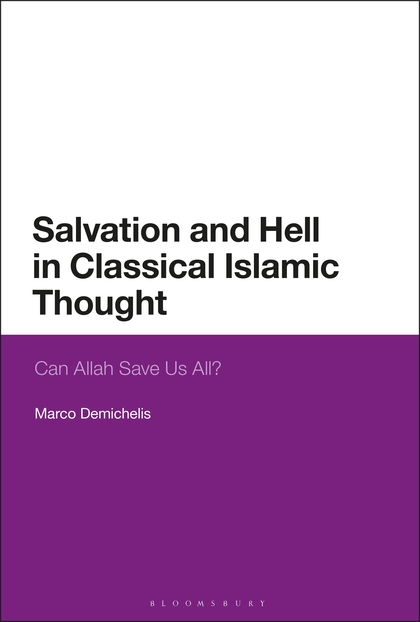
Salvation and Hell in Classical Islamic Thought.
Presentation : Salvation and Hell in Classical Islamic Thought uses classical Islamic sources to trace the development of Islamic eschatology during the formative centuries of Islamic intellectual ...
publication
Religious Violence, Political Ends, Nationalism, Citizenship and Radicalizations in the Middle East and Europe
Since antiquity, religious violence based on political motives has been and remains a common practice: the atrocities committed by the Roman Empire against the first Christian communities were quic...

videos
When religion divides the “community”. Dynamics of violence and pacification within Arab Levant
Conference of Marco DEMICHELIS, at the second international Congress of PLURIEL Abstract Since the nineteenth century, the dynamics of inter-religious conflict within the Arab world accentuated...
videos
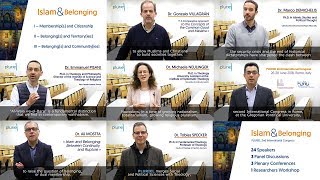
Presentation of the congress “Islam and Belonging” of PLURIEL
With the voices of members of the Scientific Comittee

article
The Mihna. Deconstruction and reconsideration of the Mu’tazilite role in the “Inquisition
Abstract The Miḥna has usually been attributed to the Mu‘tazilite theological school as expression of something unusual, a bid‘ah (Islamic innovation) related to a rationalist group of theologia...
article
The Fate of Others in 14th century Hanbalism
Abstract In a recent publication entitled Ibn Taymiyya’s Theological Ethics, Sophia Vasalou tackles the moral objectivism that Ibn Taymiyya would reworked inspired to the unorthodox thought of M...
article
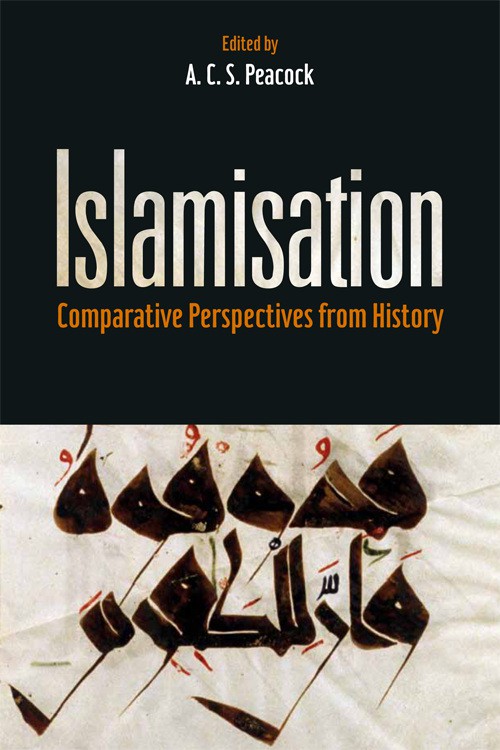
The Oromo and the historical process of Islamisation in Ethiopia
Abstract The historical interaction between Islam and Christianity in the Horn of Africa is profoundly connected with the region’s specifi c historical, linguistic and cultural characteristics. ...
article
The historical debate on secularisation between F. Antun and M. Abduh.
Full title : 'The historical debate on secularisation between F. Antun and M. Abduh. God's absolutism and Islam's irrationality as cornerstones of orientalist islamic-christian dispute during the N...
Resources related to Violence and religion

videos
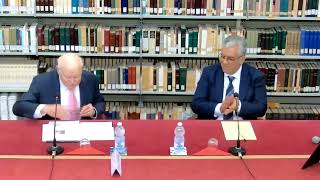
“War and peace”, by Adrien Candiard
On Wednesday 20 May 2026, the Dominican Institute for Oriental Studies (IDEO) hosted in Cairo a lecture by Brother Adrien Candiard, Dominican and Islamologist, on the theme "War and peace". Faced w...
videos
Interreligious Dialogue and Ethnic Nationalisms in the Balkans
At the invitation of PISAI (Pontifical Institute for Arabic and Islamic Studies, Rome) and Georgetown University, Ahmet Alibašić, professor of Islamic civilization at the Faculty of Islamic Studies...
article
The grammar of sacred violence: A critical discourse analysis of radical Islamist writings
- Mohamed-Ali Mostfa
This article offers a discursive analysis of two contemporary Islamist texts that present violence not as a deviation from religious normativity, but as its necessary, even redemptive expression. I...
publication
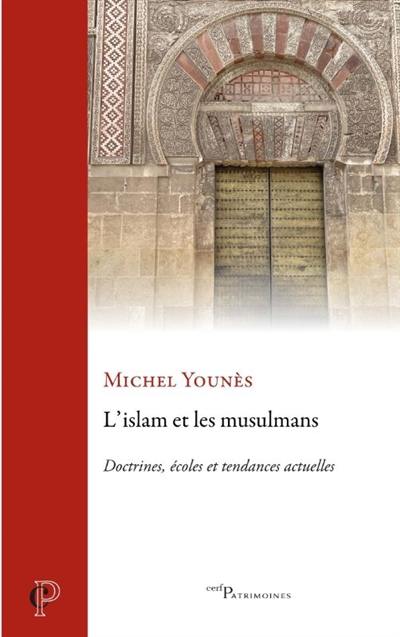
Islam and Muslims. Doctrines, Schools of Thought, and Current Trends
- Michel Younès
Publication date: April 16, 2026. Islam, as a historical, religious, and civilizational reality, is difficult to define. It can be perceived as a form of political governance, an expression of fait...

videos
The Carnival of the Malês: signs of an ethics of Muslim resistance
Paper presented at the fifth international congress of the University Platform for Research on Islam (Pluriel), held in Cordoba from 10 to 14 February 2026 on the theme "Ethics and Aesthetics in Is...
publication
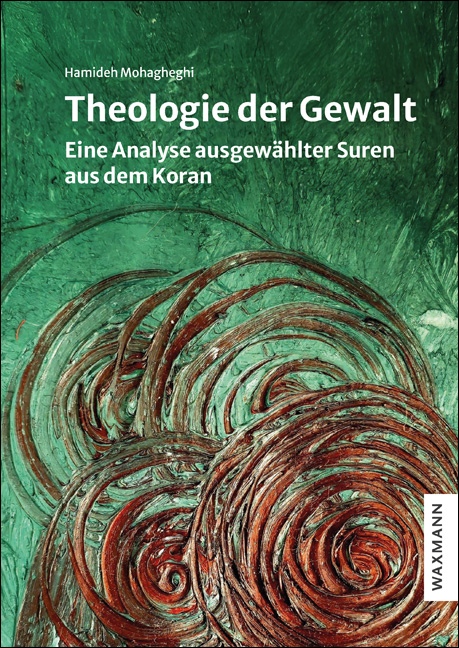
A Theology of Violence: An Analysis of Selected Surahs from the Qur’an
- Hamideh Mohagheghi
Published as Theologie der Gewalt. Eine Analyse ausgewählter Suren aus dem Koran (Münster: Waxmann, 2026), this book by Hamideh Mohagheghi is the published version of her doctoral thesis (defended ...

publication
God Is with Us: How Islam and Judaism Justify Violence
- Haoues Seniguer
Long before October 7, 2023—and even more so since—certain politicized strands of Judaism and Islam have been creating conditions that legitimize, escalate, and sacralize violence in God’s na...

article
Expulsion of the ‘Turk’: Contextualising Islamophobia in the Balkans, the Case of Bosnia and Herzegovina
- Anja Zalta
An article by Anja Zalta published in Intellectual Discourse (vol. 33, special issue, 2025).The author analyses the rise of Islamophobia in the Balkans, particularly in Bosnia and Herzegovina. She ...