

30 January 2019
Reading the Qur’an in the Context of Empire
CALL FOR PAPERS — International Qur’an Conference
Tangier Global Forum | University of New England
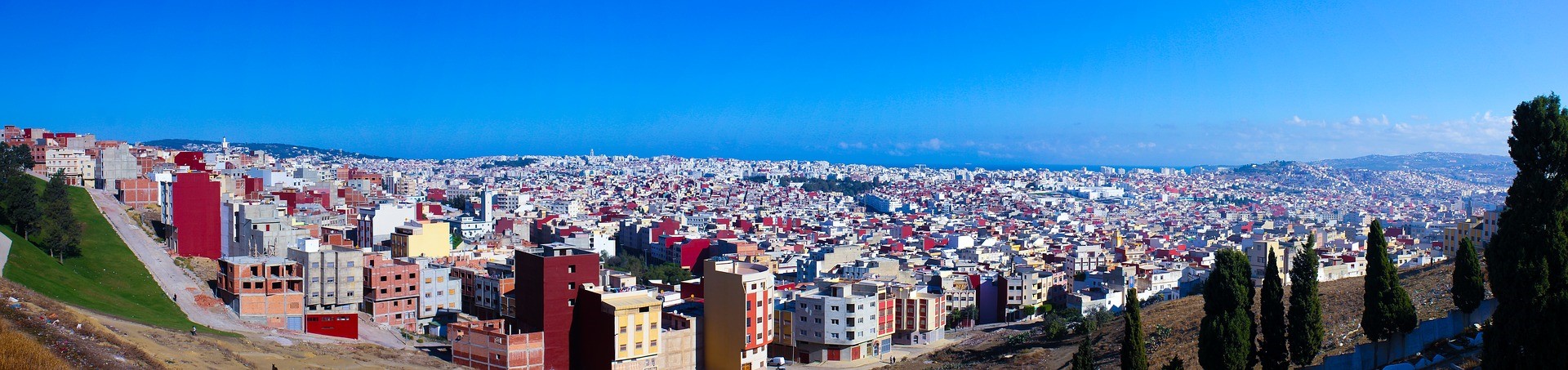
Tangier, Morocco (25-26 July, 2019)
The International Qur’anic Studies Association (IQSA) is happy to announce its third biennial conference July 25-26, 2019, which is hosted by the Tangier Global Forum of the University of New England, Tangier, Morocco. The main theme of the conference is Reading the Qur’an in the Context of Empire. We invite enthusiastic scholars to discuss under-researched aspects of Qur’anic Studies. Papers in all areas of the field are welcome, but we are particularly interested in papers about how rulers, politicians, religious figures and later colonial officers and European travelers contributed to the production, distribution and reception of Scriptures in general and the Qur’an in particular.
Given the history and the pluralistic nature of the conference, participants are encouraged to exchange views on the relationship between the Qur’an and others religions. The conference will unveil new research on the Qur’an, and create a platform for connecting other religions to Qur’anic studies. Further attention will be paid to the important contribution of North African scholars to the emergence and flourishing of methods in the study of Qur’an, tafsir and translation. Also, particular attention will be paid to understudied texts, including Qur’anic commentaries, manuscripts, and translations produced under influential early, medieval and modern Islamic empires and sultanates in Turkey, Persia, Africa, Europe and the Malay-Indonesian world. As there have been some long discussions about the way the Qur’an is [supposed to be] taught and examined in different Islamic and non-Islamic academic contexts, researchers will find a chance to discuss and challenge recent ideas and trends in Islamic studies by raising questions about: academic study of the Qur’an and its tafsir, reading the Qur’an along with other scriptures, reading the Qur’an in the light of recent archaeological and epigraphic discoveries, among others. The sub-themes of the conference are as follows:
- The Qur’an and Other Religions
- Tafsir and the translation of the Qur’an
- Qur’anic Manuscripts
- The Qur’an and Mysticism
- Modern African traditions of Qur’anic Exegesis
- Method and Theory in the Study of the Qur’an and its commentaries (past, present, future)
The conference will take place in English, Arabic and French. Please submit your abstracts (300 words) to: iqsatangier2019@gmail.com by January 30, 2019. Modest financial support may be available to accepted panelists by request, and contingent upon available funds. Should you have questions about the conference, please contact IQSA conference director, Majid Daneshgar (majid.daneshgar@frias.uni-freiburg.de) or the IQSA administration (contact@iqsaweb.org).
CALL FOR PAPERS — International Qur’an Conference
Tangier Global Forum | University of New England
Tangier, Morocco (25-26 July, 2019)
The International Qur’anic Studies Association (IQSA) is happy to announce its third biennial conference July 25-26, 2019, which is hosted by the Tangier Global Forum of the University of New England, Tangier, Morocco. The main theme of the conference is Reading the Qur’an in the Context of Empire. We invite enthusiastic scholars to discuss under-researched aspects of Qur’anic Studies. Papers in all areas of the field are welcome, but we are particularly interested in papers about how rulers, politicians, religious figures and later colonial officers and European travelers contributed to the production, distribution and reception of Scriptures in general and the Qur’an in particular.
Given the history and the pluralistic nature of the conference, participants are encouraged to exchange views on the relationship between the Qur’an and others religions. The conference will unveil new research on the Qur’an, and create a platform for connecting other religions to Qur’anic studies. Further attention will be paid to the important contribution of North African scholars to the emergence and flourishing of methods in the study of Qur’an, tafsir and translation. Also, particular attention will be paid to understudied texts, including Qur’anic commentaries, manuscripts, and translations produced under influential early, medieval and modern Islamic empires and sultanates in Turkey, Persia, Africa, Europe and the Malay-Indonesian world. As there have been some long discussions about the way the Qur’an is [supposed to be] taught and examined in different Islamic and non-Islamic academic contexts, researchers will find a chance to discuss and challenge recent ideas and trends in Islamic studies by raising questions about: academic study of the Qur’an and its tafsir, reading the Qur’an along with other scriptures, reading the Qur’an in the light of recent archaeological and epigraphic discoveries, among others. The sub-themes of the conference are as follows:
- The Qur’an and Other Religions
- Tafsir and the translation of the Qur’an
- Qur’anic Manuscripts
- The Qur’an and Mysticism
- Modern African traditions of Qur’anic Exegesis
- Method and Theory in the Study of the Qur’an and its commentaries (past, present, future)
The conference will take place in English, Arabic and French. Please submit your abstracts (300 words) to: iqsatangier2019@gmail.com by January 30, 2019. Modest financial support may be available to accepted panelists by request, and contingent upon available funds. Should you have questions about the conference, please contact IQSA conference director, Majid Daneshgar (majid.daneshgar@frias.uni-freiburg.de) or the IQSA administration (contact@iqsaweb.org).
دعوة لتقديم المداخلات — المؤتمر الدولي حول القرآن
Tangier Global Forum | University of New England
طنجة، المغرب (25-26 يوليو 2019)
يسرّ الجمعية الدولية لدراسات القرآن (IQSA) الإعلان عن مؤتمرها الثالث كلّ سنتَين، من 25 إلى 26 يوليو 2019، الذي يستضيفه Tangier Global Forum التابع لجامعة University of New England في طنجة بالمغرب. الموضوع الرئيس للمؤتمر: قراءة القرآن في سياق الإمبراطورية. ندعو الباحثين المتحمّسين إلى مناقشة جوانب من دراسات القرآن لم تُبحَث بعدُ بالقدر الكافي. المداخلات في جميع مجالات هذا الحقل مرحَّب بها، لكنّنا مهتمّون خاصّةً بالمداخلات حول كيف أسهم الحكّام والسياسيون والشخصيات الدينية، ولاحقاً الضبّاط الاستعماريون والرحّالة الأوروبيون، في إنتاج الكتب المقدّسة وتوزيعها وتلقّيها، والقرآن على وجه الخصوص.
نظراً لتاريخ المؤتمر وطبيعته التعدّدية، يُشجَّع المشاركون على تبادل الآراء حول العلاقة بين القرآن وسائر الأديان. سيكشف المؤتمر عن أبحاث جديدة في القرآن، ويُتيح منصّةً لربط الأديان الأخرى بدراسات القرآن. سيولى اهتمام إضافي للإسهام المهمّ لعلماء شمال إفريقيا في نشأة مناهج دراسة القرآن والتفسير والترجمة وازدهارها. كذلك، سيولى اهتمام خاصّ للنصوص المدروسة بشكل قليل، بما فيها التفاسير القرآنية، والمخطوطات، والترجمات المنتَجة تحت إمبراطوريات وسلطنات إسلامية مؤثّرة، قديمة ووسيطة وحديثة، في تركيا وفارس وإفريقيا وأوروبا والعالم الملايوي-الإندونيسي. ومع النقاشات الطويلة حول الطريقة التي يُدرَّس بها القرآن ويُختبَر في مختلف السياقات الأكاديمية الإسلامية وغير الإسلامية، ستُتاح للباحثين فرصةُ مناقشة الأفكار والاتجاهات الحديثة في الدراسات الإسلامية وتحدّيها بطرح أسئلة حول: الدراسة الأكاديمية للقرآن وتفسيره، وقراءة القرآن مع الكتب المقدّسة الأخرى، وقراءته على ضوء الاكتشافات الأثرية والكتابية الحديثة، وغير ذلك. المحاور الفرعية للمؤتمر:
- القرآن والأديان الأخرى
- التفسير وترجمة القرآن
- المخطوطات القرآنية
- القرآن والتصوّف
- التقاليد الإفريقية الحديثة للتفسير القرآني
- المنهج والنظرية في دراسة القرآن وتفاسيره (الماضي والحاضر والمستقبل)
سيُعقد المؤتمر بالإنجليزية والعربية والفرنسية. يُرجى إرسال ملخّصاتكم (300 كلمة) إلى: iqsatangier2019@gmail.com قبل 30 يناير 2019. قد يتوفّر دعم مالي متواضع للمداخلين المقبولين بناءً على الطلب، ورهنَ توفّر الأموال. للأسئلة حول المؤتمر، يُرجى الاتصال بمدير المؤتمر Majid Daneshgar (majid.daneshgar@frias.uni-freiburg.de) أو إدارة IQSA (contact@iqsaweb.org).
Resources related to keywords
publication
MIDÉO No. 41: The Literal Meaning between Christian Worlds and Muslim Worlds
- Jean Druel
- Emmanuel Pisani
Entitled after its thematic dossier The Literal Meaning between Christian Worlds and Muslim Worlds, issue 41 of the Mélanges de l’Institut dominicain d’études orientales (MIDÉO) address...
publication
Christian-Muslim Dialogue, an Opportunity for Africa
- Emmanuel Pisani
At a time when sub-Saharan Africa is undergoing profound socio-political change and the rise of religious radicalism, Christian-Muslim dialogue emerges as an essential requirement and a condition f...

publication
Understanding Salafism
- Mohamed-Ali Adraoui
Published in 2022 by Palgrave Macmillan (Springer) in the series The Sciences Po Series in International Relations and Political Economy, this book by Mohamed-Ali Adraoui, professor at Sorbonne Par...

article
Experiencing a Mosque Through Photography: Islam As an Ordinary Religion
- Guillaume Chatagny
Abstract Published in 2021 in Visual Ethnography (vol. 10, no. 2) under the title "Experiencing a Mosque Through Photography: Islam As an Ordinary Religion", this article by Guillaume Chatagny, ...

article
Islam Seen through the Work of Aziz al-Azmeh
- Wasim Salman
Abstract Published in Arabic in issue 50 (2024) of Islamochristiana (PISAI, released in April 2025), this essay by Wasim Salman, president of PISAI and director of the journal, examines the rela...

article
Islamic Visions of Jesus: Revelation, Prophecy, and Eschatology
- Antonio Cuciniello
Abstract Published in the collective volume Jerusalem in Memory and Eschatology: Jewish, Christian, and Muslim Visions of the Past and Future of Jerusalem, edited by Emma O'Donnell Polyakov (Blo...

article
Questions on Islamic Soteriology in Early Islam
- Jaume Flaquer Garcia
Abstract Published under the original title "Cuestiones sobre la soteriología islámica en el islam primitivo" in the collective volume Riesgos y fidelidades. Miradas teológicas para un mundo plu...

article
The Uncreated Muslim Qur’an and the Eternally Begotten Christian Logos
- Jaume Flaquer Garcia
Abstract Published under the original title "El Corán musulmán increado y el Logos cristiano eternamente engendrado" in the monographic section Logos, Agape, Sarx. Una dialógica cristiana of iss...