

English

A comparative approach to the concepts of the common good and “maslaha”
Conference of Gonzalo VILLAGRAN, at the Second International Congress of PLURIEL in ROME
Abstract
Recently, Afifi Al-Akiti and Joshua Horden proposed the development of a new field of study called “A Comparative Approach to Muslim and Christian Political Thought”. Given the fact that the object of study of such a field of two explicitly religious traditions, it is clear that they are proposing something that is beyond the mere study of political theory and leans more to the field of theology. Such an approach could be extremely helpful in order to have a better knowledge of both political traditions and their connections as well as to put them dialogue with secular political thought. The Christian theologian Robin Lovin offers us a more detailed method for such a study.
In such an approach, a very important point of study is each religion’s understanding of the ethical end of social life. A clarification in this point will help to face other problematic issues between both traditions of thought. In the case of the Catholic Church the concept used to express exactly that point is that of the common good, a concept with a long history in western thought and in Catholic social thinking. In the Islamic tradition, we cannot find an exact correspondence to this but we do find a similar concept called ‘maslaha’ or public welfare. The Islamic concept is a more of a juridical term integrated in the tradition of fiqh, however it may offer us a Muslim understanding of the same idea.
Both concepts covers overlapping conceptual spaces and can be considered, in Robin Lovin’s terms, as bridge concepts in order to compare both traditions. Without forcing an artificial connection between them, we want to study their similarities and differences. Such a study may provide us with some clues on the way to think together the ultimate objective of our life in modern societies. This clarification may give us good orientation for future debates on Christian and Islamic relationships on social life.
Conférence de Gonzalo VILLAGRAN, au deuxième Congrès international de PLURIEL à Rome
Résumé
Récemment, Afifi Al-Akiti et Joshua Horden ont proposé l’élaboration d’un nouveau domaine d’étude appelé “approche comparative de la pensée politique musulmane et chrétienne”. Étant donné l’objet d’étude d’un tel domaine de deux traditions explicitement religieuses, il est clair que leur proposition va au-delà de la simple étude de la théorie politique et penche plus vers la théologie. Une telle approche pourrait être extrêmement utile pour avoir une meilleure connaissance des traditions politiques et de leurs liens, ainsi que pour les mettre en dialogue avec la pensée politique laïque. Le théologien chrétien Robin Lovin nous offre une méthode plus détaillée pour une telle étude.
Dans une telle approche, un point très important est la compréhension de chaque religion de la fin éthique de la vie sociale. Une clarification de ce point aidera à faire face à d’autres problèmes entre les deux traditions de pensée. Dans le cas de l’Église catholique, le concept utilisé pour exprimer exactement ce point est celui du bien commun, concept ayant une longue histoire dans la pensée occidentale et dans la pensée sociale catholique. Dans la tradition islamique, nous ne pouvons trouver de correspondance exacte à ce sujet, mais nous trouvons un concept semblable appelé “maslaha” ou “bien-être public”. Le concept islamique est plus un terme juridique intégré dans la tradition du fiqh, mais il peut nous offrir une compréhension musulmane de la même idée.
Les deux concepts couvrent des espaces conceptuels qui se chevauchent et peuvent être considérés, selon les termes de Robin Lovin, comme des concepts “ponts” afin de comparer les deux traditions. Sans forcer un lien artificiel entre eux, nous voulons étudier leurs similitudes et leurs différences. Une telle étude peut nous fournir quelques indices sur la façon de penser ensemble l’objectif ultime de notre vie dans les sociétés modernes. Cette clarification peut nous donner une bonne orientation pour les futurs débats sur les relations entre musulmans et chrétiens en société.
Titre original : “A comparative approach to the concepts of the common good and maslaha”
محاضرة ألقاها غونزالو فياغران في المؤتمر الدولي الثاني الذي نظّمته شبكة PLURIEL في روما.
ملخّص
في الآونة الأخيرة، اقترح عفيفي العتيقي وجوشوا هوردرن تطويرَ مجال دراسة يُعرف بـ “مقاربة مقارِنة للفكر السياسي الإسلامي والمسيحي”. بما أنّ موضوع الدراسة مجالٌ يتناولُ تقليدَين دينيّيَن، يتجلّى واضحاً أنّ المفكّرَين يقترحان مسألةً تتخطّى من بعيد مجرّد دراسة نظريّة سياسيّة وتميلُ نحو مجال اللاهوت. والواقعُ أنّ مقاربةً مماثلةً قد تعود بفائدةٍ كبرى إذ تقدّمُ معرفةً فضلى للتقليدَين وترابطِهما وتضعُهما في حوارٍ مع الفكر السياسي العلمانيّ. وتجدر الإشارةُ في هذا الإطار إلى أنّ عالمَ اللاهوت المسيحي روبن لوفن يقدِّمُ منهجيّةً أكثر تفصيلاً لإنجاز دراسةٍ كهذه.
في مقاربةٍ مماثلةٍ، تتمثّلُ النقطةُ الأهمُّ بكيفية فهم كلّ دين للحياة الاجتماعية والأخلاقية. إذ يُسهم توضيحُ هذه النقطة في تسهيل مواجهة مسائل إشكاليّة بين تقلدَي التفكير كليهما. ففي الكنيسة الكاثوليكيّة، يكمن المفهومُ المستخدمُ للتعبير عن هذه النقطةِ في “الصالح العام”، وهو مفهوم ذات تاريخٍ طويل مترسّخ في التفكيرَين الغربي والكاثوليكي الإجتماعي. أمّا في التقليد الإسلامي، فلا نجدُ مقابلاً مطابقاً له إنّما يتوافر ما يُعرفُ بالمصلحة أو الرفاه العام. فالمفهوم الإسلامي أشبه بمصطلحٍ قانونيّ دُمج في تقليد الفقه إلّا أنّه يقدّمُ لنا كيفية فهمِ الإسلام للفكرة نفسِها.
يغطّي المفهومان مساحات مفاهيمية متداخلة ويمكن اعتبارُهما بحسب تعبير روبن لوفن كمفهومَي وصل يسهمان في مقارنة التقليدَين. والواقع أنّنا نرغب في دراسة أوجه التشابه والاختلاف بينهما من دون فرض رابط مصطنعٍ يجمعهما. وقد تُوفّرُ لنا دراسةٌ مماثلةٌ بعضَ الأفكار المفيدة لنبلورَ معاً الهدف الأقصى من حياتنا في المجتمعات الحديثة. قد يمنحنا هذا التوضيحُ بدوره توجّهاً ملائماً للمناقشات المستقبليّة حول العلاقات الإسلامية والمسيحيّة في الحياة الإجتماعية.


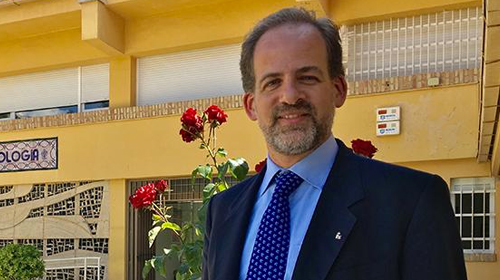
Resources of this researcher

videos
A comparative approach to the concepts of the common good and “maslaha”
Conference of Gonzalo VILLAGRAN, at the Second International Congress of PLURIEL in ROME Abstract Recently, Afifi Al-Akiti and Joshua Horden proposed the development of a new field of study cal...
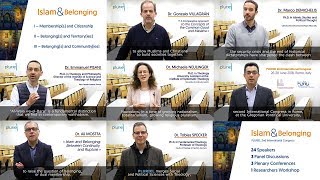
videos
Presentation of the congress “Islam and Belonging” of PLURIEL
With the voices of members of the Scientific Comittee
article
Being a Muslim in a Jesuit college
Original title : "Ser musulmán en un colegio jesuita" Paper by Lea FIEDLER, under the direction of Gonzalo VILLAGRÁN Abstract This article presents the process and the results of an invest...
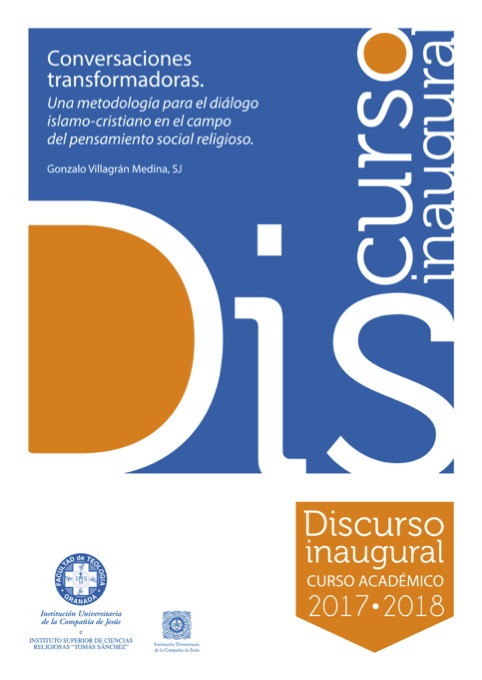
publication
Transformative Conversations. A methodology for Christian-Muslim dialogue in the field of religious social thought
In this book, Prof. Villagran proposes to enter the debate on comparative theology, a trend proposed by the American theologian Frank Clooney, to show its possibilities as a theological methodology...
article
Bridges between the Jesuit Migrant Service and Jesuit Higher Education Centers for Interreligious Dialogue with Islam
Original title : "Puentes entre el Servicio Jesuita a Migrantes y los centros jesuitas de educación superior para el diálogo interreligioso con el Islam" In Spain, opportunities for interreligio...
article
Islam’s integration in Spain
Summary: Muslim presence in Spain is much more recent than in other European countries so at times it is not clear if there is a real integration model in this country. Nevertheless, looking at the...
Resources related to Ethics
videos
“War and peace”, by Adrien Candiard
On Wednesday 20 May 2026, the Dominican Institute for Oriental Studies (IDEO) hosted in Cairo a lecture by Brother Adrien Candiard, Dominican and Islamologist, on the theme "War and peace". Faced w...

article
Leo XIV’s encyclical Magnifica Humanitas and the Pluriel working group on AI-assisted interreligious dialogue
- Wael Saleh
Text by Wael Saleh, researcher at the Université du Québec à Montréal (UQAM) and member of the Pluriel coordination committee. The simultaneous appearance of Leo XIV's encyclical Magnifica Human...
videos
Opening address of the Cordoba congress
- Michel Younès
On Tuesday 10 February 2026 in Cordoba, Michel Younès, general coordinator of Pluriel and dean of the Faculty of Theology of the Catholic University of Lyon (UCLy), delivered the opening address of...
publication
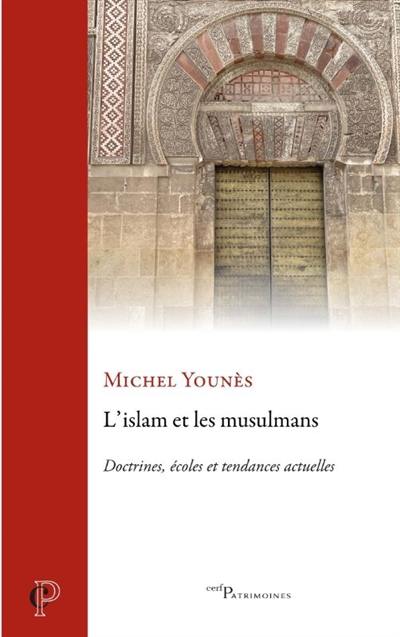
Islam and Muslims. Doctrines, Schools of Thought, and Current Trends
- Michel Younès
Publication date: April 16, 2026. Islam, as a historical, religious, and civilizational reality, is difficult to define. It can be perceived as a form of political governance, an expression of fait...

videos
“Welcome to Hell”: eschatology in the literary work of Dževad Karahasan
Paper presented at the fifth international congress of the University Platform for Research on Islam (Pluriel), held in Cordoba from 10 to 14 February 2026 on the theme "Ethics and Aesthetics in Is...

videos
Hospitality, power and interreligious dialogue in Naguib Mahfouz’s “Children of the Alley”
- Gabriel Khairallah
Paper presented at the fifth international congress of the University Platform for Research on Islam (Pluriel), held in Cordoba from 10 to 14 February 2026 on the theme "Ethics and Aesthetics in Is...

videos
Landscape and architecture as occasions of contemplation and of interreligious dialogue in the travel narratives of the Sufi ʿAbd al-Ghanī al-Nābulusī
Paper presented at the fifth international congress of the University Platform for Research on Islam (Pluriel), held in Cordoba from 10 to 14 February 2026 on the theme "Ethics and Aesthetics in Is...

videos
Spiritual eroticism and erotic spirituality in Sufi mystical thought
Paper presented at the 5th international congress of the University Platform for Research on Islam (Pluriel), held in Cordoba from 10 to 14 February 2026 on the theme "Ethics and Aesthetics in Isla...