

Anglais
Georgetown University
« Islamophobie » en Espagne ?
The Bridge Initiative est un projet mené par l’université de Georgetown qui se concentre sur le problème de l' »islamophobie » dans le monde. Son « Centre de ressources sur l’islamophobie » (IRC) est un outil pour les universitaires et les chercheurs, une collection consultable d’informations sur l’islamophobie publiées par des chercheurs de premier plan sur le sujet, et héberge un vaste répertoire de documents universitaires, notamment des chapitres de livres, des articles de journaux et des rapports.
COLLABORATION AVEC L’ESPAGNE
The Bridge Initiative a établi une relation de collaboration avec des chercheurs de l’Universidad Pontificia Comillas (qui porte le projet « Hiwar », membre de PLURIEL), située à Madrid, et de l’Universidad de Granada. Grâce à ce projet de collaboration, The Bridge Initiative, l’Universidad Pontificia Comillas et l’Universidad de Granada ont publié des fiches d’information sur les individus, les organisations, les politiques et les événements liés à l’islamophobie en Espagne. Les chercheurs et les professeurs de l’université de Grenade impliqués dans ce projet comprennent le Dr. Carmen Aguilera Carnerero. Pour l’Universidad Pontificia Comillas, les chercheurs et les professeurs impliqués dans ce projet sont le Dr Alberto Priego Moreno et le Professeur Dr Susan Jeffrey.
Ci-dessous, la présentation de 5 « fiches d’informations » publiées en septembre 2021 sur des sujets liées à l’islamophobie en Espagne :
FACTSHEETS:
- Reconquista Trope: The historical myth of the Reconquista has been one of the most recurrent tropes used by far-right parties in Spain. The controversial concept—contested by many scholars— has been reappropriated, misinterpreted, and misused to build political bases and campaigns on anti-Muslim hate, conspiracy theories, and white nationalism in Spain and across Europe.
- Hogar Social: Hogar Social is a right-wing Spanish social and political movement created in Madrid in 2014, now with chapters in other cities including Toledo, Granada, and Zaragoza. The movement’s leader, Melisa Domínguez Ruiz, previously worked in the right-wing political party Republican Social Movement (Movimiento Social Republicano, or MSR). Hogar Social members have expressed xenophobic sentiments, including linking crime and immigration. Muslims have been a particular target and in 2016, Hogar Social took part in a violent action against Madrid’s main mosque.
- Ceuta and Melilla- Two Muslim Cities in Spain: Ceuta and Melilla are autonomous Spanish cities in North Africa. Both cities act as the border between Spain and Morocco. Although they each have autonomous governments from Spain, their educational systems are managed by the regional Spanish government of Andalusia and institutions such as the Catholic church and the judiciary are under the jurisdiction of Andalusia. While Ceuta and Melilla are majority Muslim, their neighborhoods are separated between Muslims and Christians from the Iberian Peninsula. The Muslim populations of both cities face discrimination.
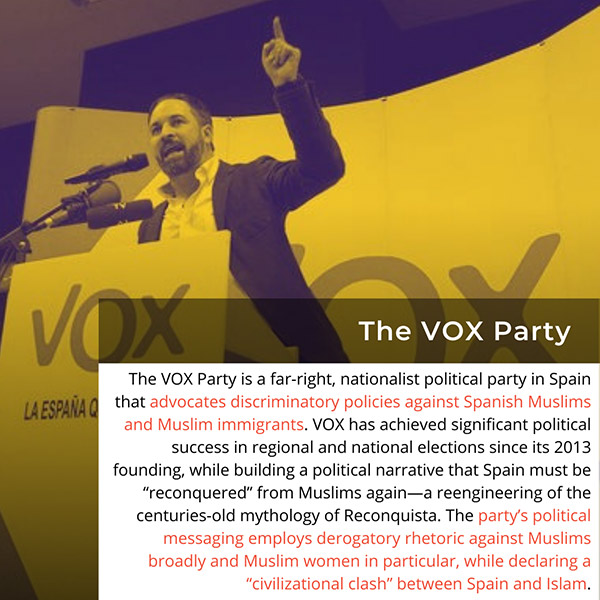
- VOX Party: The VOX Party is a far-right, nationalist political party in Spain that advocates discriminatory policies against Spanish Muslims and Muslim immigrants. VOX has achieved significant political success in regional and national elections since its 2013 founding, while building a political narrative that Spain must be “reconquered” from Muslims again—a reengineering of the centuries-old mythology of Reconquista. The party’s political messaging employs derogatory rhetoric against Muslims broadly and Muslim women in particular, while declaring a “civilizational clash” between Spain and Islam.
- Unaccompanied Minor Children (Los MENAs): MENAs (Menor Extranjero no Acompañado, or “Unaccompanied Foreign Minors”) is the term used to describe minors (under the age of eighteen) who arrive in Spain with no parents or guardians. The children come primarily from North Africa and are predominately Muslim. In recent years, right-wing politicians and groups in Spain have targeted and stigmatized them by employing anti-Muslim tropes.
The Bridge Initiative is a project led by Georgetown University that focuses on the problem of ‘Islamophobia’ in the world. Its ‘Islamophobia Resource Center’ (IRC) is a tool for academics and researchers, a searchable collection of information on Islamophobia published by leading researchers on the topic, and hosts a wide repository of academic materials, including book chapters, journal articles, and reports.
COLLABORATION WITH SPAIN
The Bridge Initiative entered into a collaborative relationship with researchers and at Universidad Pontificia Comillas (Hiwar Project), which is located in Madrid, and Universidad de Granada, which is located in Granada. Through this collaborative project, the Bridge Initiative, Universidad Pontificia Comillas and Universidad de Granada published factsheets on individuals, organizations, policies, and events as it relates to Islamophobia in Spain. From Universidad de Granada, the researchers and faculty involved in this project include Dr. Carmen Aguilera Carnerero. From Universidad Pontificia Comillas, the researchers and faculty involved in this project include Dr. Alberto Priego Moreno and Prof. Dr. Susan Jeffrey.
–
FACTSHEETS:
- Reconquista Trope: The historical myth of the Reconquista has been one of the most recurrent tropes used by far-right parties in Spain. The controversial concept—contested by many scholars— has been reappropriated, misinterpreted, and misused to build political bases and campaigns on anti-Muslim hate, conspiracy theories, and white nationalism in Spain and across Europe.
- Hogar Social: Hogar Social is a right-wing Spanish social and political movement created in Madrid in 2014, now with chapters in other cities including Toledo, Granada, and Zaragoza. The movement’s leader, Melisa Domínguez Ruiz, previously worked in the right-wing political party Republican Social Movement (Movimiento Social Republicano, or MSR). Hogar Social members have expressed xenophobic sentiments, including linking crime and immigration. Muslims have been a particular target and in 2016, Hogar Social took part in a violent action against Madrid’s main mosque.
- Ceuta and Melilla- Two Muslim Cities in Spain: Ceuta and Melilla are autonomous Spanish cities in North Africa. Both cities act as the border between Spain and Morocco. Although they each have autonomous governments from Spain, their educational systems are managed by the regional Spanish government of Andalusia and institutions such as the Catholic church and the judiciary are under the jurisdiction of Andalusia. While Ceuta and Melilla are majority Muslim, their neighborhoods are separated between Muslims and Christians from the Iberian Peninsula. The Muslim populations of both cities face discrimination.
- VOX Party: The VOX Party is a far-right, nationalist political party in Spain that advocates discriminatory policies against Spanish Muslims and Muslim immigrants. VOX has achieved significant political success in regional and national elections since its 2013 founding, while building a political narrative that Spain must be “reconquered” from Muslims again—a reengineering of the centuries-old mythology of Reconquista. The party’s political messaging employs derogatory rhetoric against Muslims broadly and Muslim women in particular, while declaring a “civilizational clash” between Spain and Islam.
- Unaccompanied Minor Children (Los MENAs): MENAs (Menor Extranjero no Acompañado, or “Unaccompanied Foreign Minors”) is the term used to describe minors (under the age of eighteen) who arrive in Spain with no parents or guardians. The children come primarily from North Africa and are predominately Muslim. In recent years, right-wing politicians and groups in Spain have targeted and stigmatized them by employing anti-Muslim tropes.
The Bridge Initiative مشروع تقوده جامعة جورجتاون ويُركّز على مشكلة «الإسلاموفوبيا» في العالم. «مركز الموارد حول الإسلاموفوبيا» (IRC) التابع له أداة للأكاديميين والباحثين، ومجموعة قابلة للبحث من المعلومات حول الإسلاموفوبيا يُنشرها باحثون بارزون في هذا المجال، ويستضيف فهرساً واسعاً من الوثائق الأكاديمية، بما فيها فصول الكتب والمقالات الصحفية والتقارير.
تعاون مع إسبانيا
أقامت The Bridge Initiative علاقة تعاون مع باحثين من الجامعة البابوية Comillas (التي تحمل مشروع «Hiwar»، عضو المنصة) في مدريد، ومن جامعة غرناطة. بفضل هذا التعاون، نشرت The Bridge Initiative والجامعة البابوية Comillas وجامعة غرناطة بطاقات معلومات حول الأفراد والمنظمات والسياسات والأحداث المرتبطة بالإسلاموفوبيا في إسبانيا. من الباحثين والأساتذة في جامعة غرناطة المشاركين في هذا المشروع الدكتورة Carmen Aguilera Carnerero. أمّا في الجامعة البابوية Comillas، فمن بين المشاركين الدكتور Alberto Priego Moreno والأستاذة الدكتورة Susan Jeffrey.
فيما يلي عرض لـ 5 «بطاقات معلومات» نُشرت في سبتمبر 2021 حول مواضيع مرتبطة بالإسلاموفوبيا في إسبانيا:
FACTSHEETS:
- Reconquista Trope: The historical myth of the Reconquista has been one of the most recurrent tropes used by far-right parties in Spain. The controversial concept—contested by many scholars— has been reappropriated, misinterpreted, and misused to build political bases and campaigns on anti-Muslim hate, conspiracy theories, and white nationalism in Spain and across Europe.
- Hogar Social: Hogar Social is a right-wing Spanish social and political movement created in Madrid in 2014, now with chapters in other cities including Toledo, Granada, and Zaragoza. Hogar Social members have expressed xenophobic sentiments, including linking crime and immigration. Muslims have been a particular target and in 2016, Hogar Social took part in a violent action against Madrid’s main mosque.
- Ceuta and Melilla — Two Muslim Cities in Spain: Ceuta and Melilla are autonomous Spanish cities in North Africa acting as the border with Morocco. While majority Muslim, their neighborhoods are separated between Muslims and Christians from the Iberian Peninsula. The Muslim populations of both cities face discrimination.
- VOX Party: The VOX Party is a far-right, nationalist political party in Spain that advocates discriminatory policies against Spanish Muslims and Muslim immigrants, while building a political narrative that Spain must be « reconquered » from Muslims — a reengineering of the centuries-old mythology of Reconquista.
- Unaccompanied Minor Children (Los MENAs): MENAs (Menor Extranjero no Acompañado) is the term used to describe minors under 18 who arrive in Spain with no parents or guardians. The children come primarily from North Africa and are predominately Muslim. In recent years, right-wing politicians and groups in Spain have targeted and stigmatized them by employing anti-Muslim tropes.


Ressources liées à Géopolitique des religions
publication
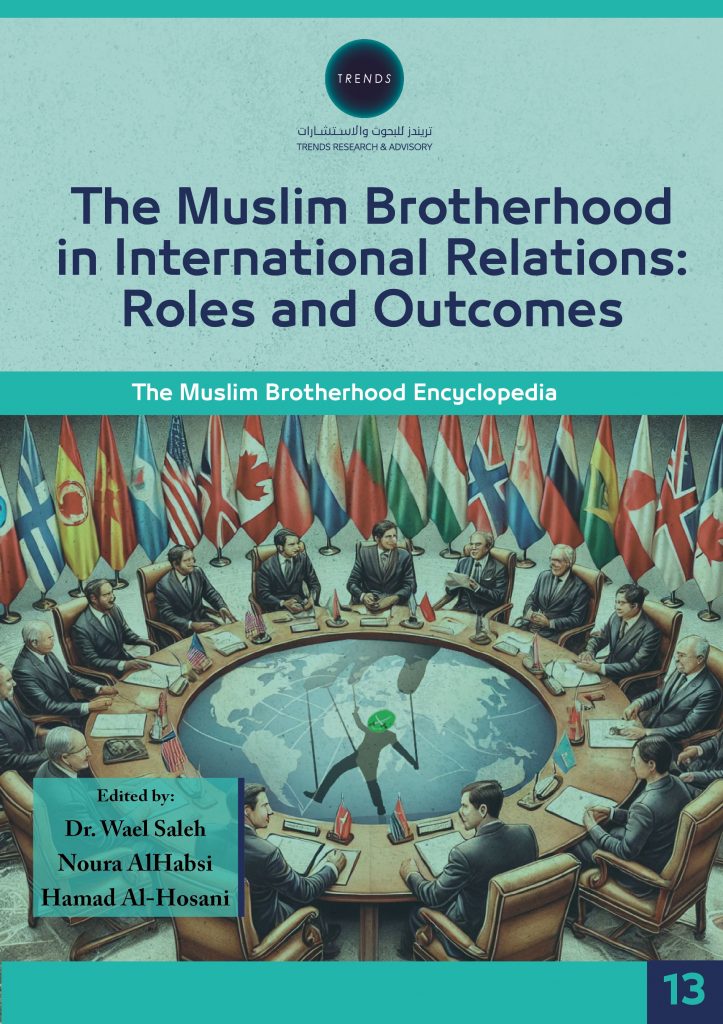
Les Frères musulmans dans les relations internationales : rôles et conséquences
- Wael Saleh
Dans cet ouvrage publié par TRENDS Research & Advisory (Abou Dhabi, mai 2026), Wael Saleh, membre du comité de coordination de Pluriel, analyse la place et les modes d’action des Frères m...
publication
Le cygne noir et la chute du régime du turban noir : repenser l’avenir de l’Iran et du Moyen-Orient
- Wael Saleh
Dans cette analyse publiée par TRENDS Research & Advisory (Abou Dhabi, 27 mars 2026) sous le titre original The Black Swan and the Fall of the Black Turban Regime: Rethinking the Future of Iran...
videos
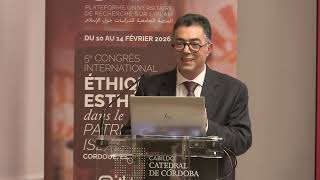
Discours d’ouverture du congrès à Cordoue
- Michel Younès
Le mardi 10 février 2026 à Cordoue, Michel Younès, coordinateur général de Pluriel et doyen de la Faculté de théologie de l'Université catholique de Lyon (UCLy), a prononcé le discours d'ouverture ...

publication
Dieu est avec nous. Comment les religions islamique et juive justifient la violence
- Haoues Seniguer
Bien avant le 7 octobre 2023 et évidemment bien davantage après, un certain judaïsme et un certain islam politisés ont créé et créent les conditions de légitimation, de surenchère et de sacralisati...
videos
Conférence inaugurale de la Chaire « Méditerranée, religions et sociétés »
- Dominique Avon
Conférence donnée par le professeur Dominique Avon le 13 octobre 2025 à l'Institut pontifical d'études arabes et d'islamologie (PISAI).

article
Culte musulman en France : la réorganisation voulue par l’État est-elle en marche ?
- Ali Mostfa
Dans cet article paru le 26 février 2025 sur le média The Conversation, Ali Mostfa analyse l'évolution du Forum de l'islam de France (Forif), créé en 2022 pour remplacer le Conseil français du cult...
publication
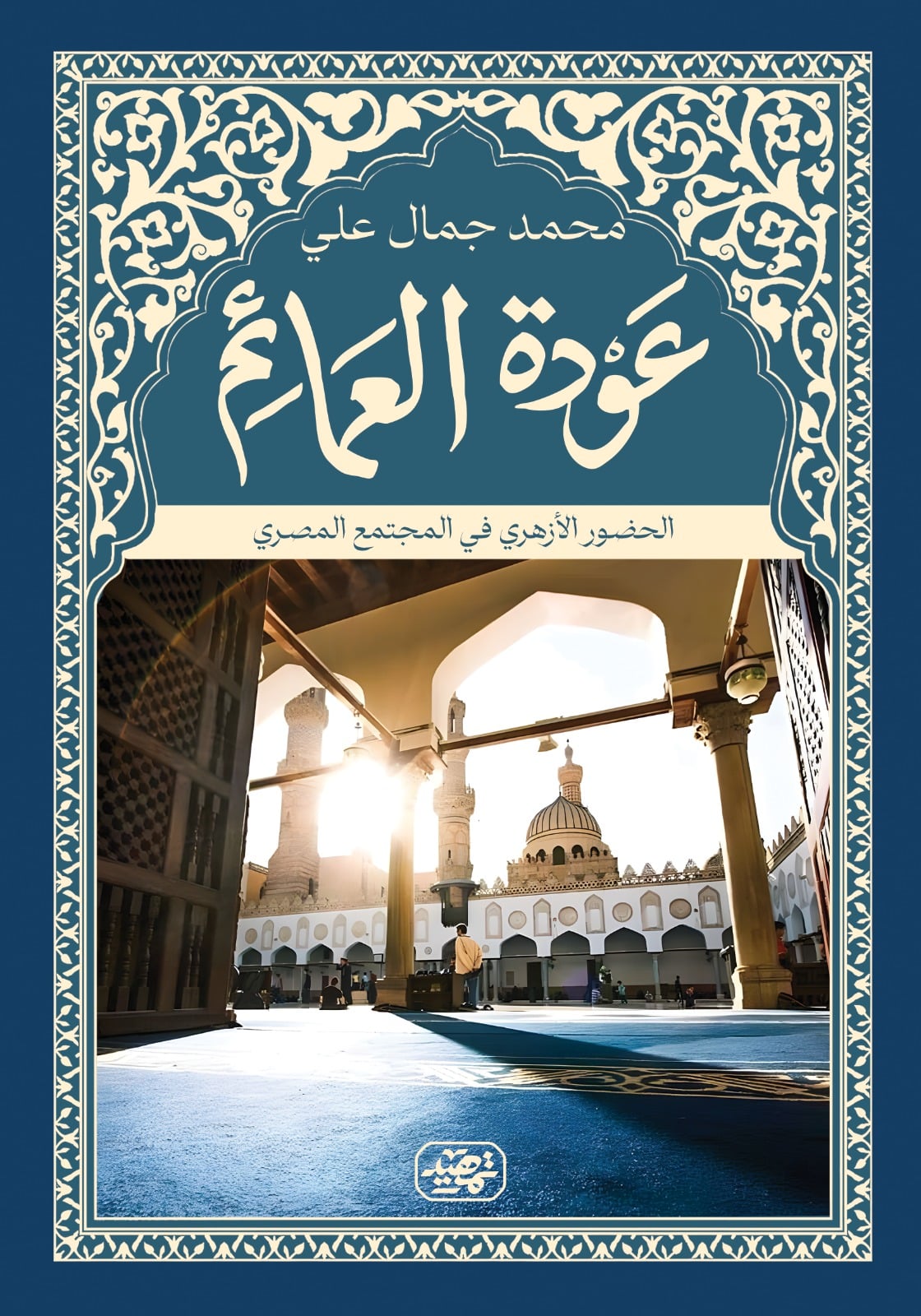
Le Retour des turbans. La présence d’Al-Azhar dans la société égyptienne
- Mohamed Gamal Ali
Publié fin 2024, Le Retour des turbans : la présence d’Al-Azhar dans la société égyptienne est l’aboutissement de la thèse de master en sciences politiques de Mohamad Gamal Ali, soutenue en 2...
publication
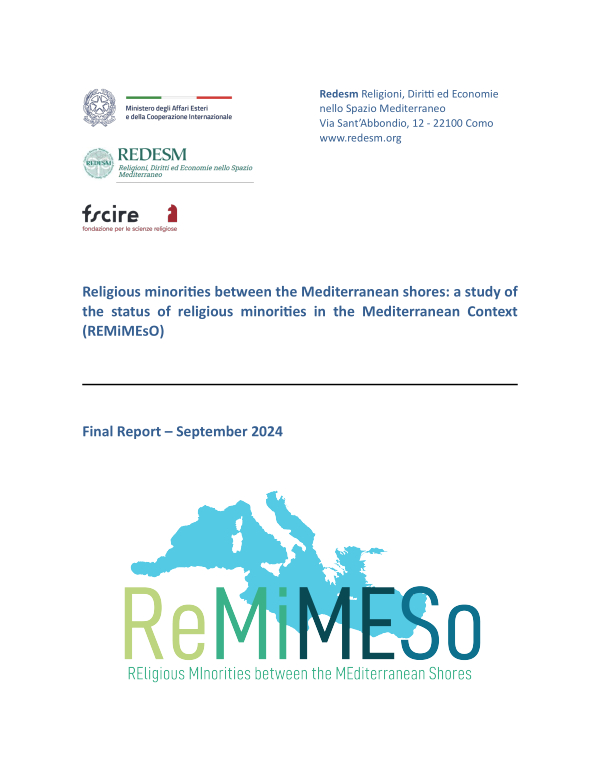
Les minorités religieuses entre les rives méditerranéennes : une étude du statut des minorités religieuses dans le contexte méditerranéen (REMiMEsO) – Rapport final
- Alessandro Ferrari
Le projet REMiMESo, dirigé par Ilaria Valenzi et soutenu par le ministère italien des Affaires étrangères, explore la situation des minorités religieuses dans cinq pays du bassin méditerranéen : Is...