

13 أبريل 2021

Plateforme universitaire de recherche sur l'Islam
ندوة إلكترونية «الإسلام والآخَريّة» يوم الثلاثاء 13 أبريل من 15:00 إلى 19:00
افتتاحاً للمؤتمر الدولي الثالث للمنصة، الذي سيمتدّ استثنائياً على سنتين، نقترح ندوة إلكترونية بعد ظهر الثلاثاء 13 أبريل 2021 من 15:00 إلى 19:00. ستُتاح التسجيلات قريباً على هذه الصفحة.
ستُلقي الباحثة القانونية Raja SAKRANI (بون، ألمانيا) محاضرةً افتتاحية قصيرة بعنوان «مسألة الآخَريّة في الإسلام الكلاسيكي»، تمهيداً للمداخلة التي ستقدّمها في مؤتمر بيروت 2022. سيُعقّب عليها ثلاثة أعضاء من اللجنة العلمية للمنصة وفق المحاور التي هيكلت التحضير للمؤتمر: الجيوسياسي، الحواري، المواطني.
ثمّ نقترح «بؤرة تركيز» على السياق اللبناني لموضوعنا العامّ «الإسلام والآخَريّة». طريقة لوضع قدمنا في لبنان بانتظار عام 2022. يتناول الكلمةَ الدكتور سليم دكّاش، رئيس جامعة القديس يوسف في بيروت، ليعرض علينا خصوصية النظرة الإسلامية اللبنانية إلى الآخر. وأخيراً، يكشف لبنانيّان، مؤرّخ ولاهوتية مسلمة، نظرتهما إلى تجربة «العيش المشترك» اللبناني.
تحميل البرنامج بصيغة PDF
البرنامج التفصيلي
الثلاثاء 13 أبريل 2021 من 15:00 إلى 19:00 — بتوقيت باريس (GMT + 2)
15:00: كلمة الافتتاح ميشال يونس (فرنسا)، المنسّق العام للمنصة
15:15: تقديم إشكالية المؤتمر «الإسلام والآخَريّة»، إيمانويل بيزاني (فرنسا)، مدير معهد علوم ولاهوت الأديان (ICP، باريس) ومدير المعهد الدومنيكي للدراسات الشرقية (القاهرة)
15:30: محاضرة: «مسألة الآخَريّة في الإسلام الكلاسيكي» (بالفرنسية). Raja SAKRANI (ألمانيا)، أستاذة وباحثة في القانون، منسّقة علمية في مركز Käte Hamburger للدراسات المتقدّمة «القانون بوصفه ثقافةً» (بون).
- الطرح: كيف كان المسلمون يتمثّلون الآخر؟ تساؤل مثقل بالتاريخ والذاكرة والهوية الإسلامية السردية، صعب التفكيك. أربعة عشر قرناً غنية بالفتوحات والانكسارات، والإدماج والإقصاء، والتسامح والتعصّب. فهم العلاقة المعيارية والسوسيولوجية للإسلام مع آخريّاته الوسيطة والمعاصرة يستلزم بالضرورة استجواب المتن اللاهوتي والفقهي الهائل في العصر الكلاسيكي. في هذا الإطار، تُفرض دراسة النص والسياق معاً. فمنذ نشأة الديانة التوحيدية الأخيرة في جزيرة العرب، مروراً بتوسّع الإمبراطورية والعصر الذهبي المتأرجح بين بغداد وقرطبة، وصولاً إلى تأسيس الإمبراطورية العثمانية، مرّت رؤية الآخَريّة غير الإسلامية بمراحل عدّة. لكنّ آلية النقل الذاكري العربية-الإسلامية تُعطي الأولوية للوعي الجماعي بالانتماء إلى الأمّة الإسلامية. مما يُصعّب استبانةَ التداخلات بين المتن المعياري والوقائع الاجتماعية وأسلوب إدارة الآخر، وكذلك التمثيلات الخيالية له.
16:00 المعقّبون:
- * المحور الجيوسياسي: Michaela QUAST-NEULINGER (النمسا)، مساعدة جامعية في معهد اللاهوت النظامي، جامعة إنسبروك (بالإنجليزية).
- * المحور الحواري: Tobias SPECKER (ألمانيا)، أستاذ مساعد في «اللاهوت الكاثوليكي في ضوء الإسلام»، المدرسة العليا للفلسفة واللاهوت في سانكت غيورغن، فرانكفورت (بالإنجليزية).
- * المحور المواطني: Alessandro FERRARI (إيطاليا)، أستاذ القانون المقارَن للأديان. مدير REDESM، جامعة Insubria، كومو، إيطاليا (بالفرنسية).
16:30 حوار مع الحضور
17:00: استراحة
17:15: تقديم لموضوع «الإسلام والآخَريّة في لبنان»، رولا طلحوق (لبنان)، مديرة مركز التوثيق والبحوث الإسلامية-المسيحية (CEDRIC) — جامعة القديس يوسف في بيروت.
17:30 محاضرة: «نظرة الإسلام اللبناني إلى الآخر: أيّ خصوصية؟» (بالفرنسية). سليم دكّاش (لبنان)، رئيس جامعة القديس يوسف منذ 2012. دكتوراه في الآداب والفلسفة وفي علوم التربية.
- الطرح: ما هي النظرة التي يحملها الإسلام اللبناني اليوم إلى الآخر، المسيحي، شريكه في العيش المشترك؟ يقتضي الأمر في هذا التأمّل الموجز، مع مراعاة الخطاب المتنوّع للإسلام السنّي والشيعي بل الدرزي، (1) تحديد بعض المعطيات حول صورة الآخر على المستوى التربوي، (2) عرض بعض وجهات نظر المفكّرين المعاصرين، (3) إبراز النقاط الإيجابية لهذا الخطاب المتعدّد وحدوده. وأخيراً، ما الذي يُشكّل خصوصية النظرة الإسلامية اللبنانية إلى الآخر؟
18:00 محاضرة: «لماذا يعيد المسيحيون والمسلمون التفكير في عيشهم المشترك عشيّة الذكرى المئوية الأولى لإعلان لبنان الكبير؟» (بالفرنسية). أمين الياس (لبنان)، أستاذ مساعد في التاريخ في الجامعة الأنطونية والجامعة اللبنانية.
- الطرح: عشيّة الذكرى المئوية الأولى لإعلان دولة لبنان الكبير (1 سبتمبر 1920)، تقترح هذه المداخلة عرض وتحليل موقف مسلمي لبنان من هذا الإعلان، ومن تجربة «العيش المشترك» مع المسيحيين.
18:20 محاضرة: «الإسلام والآخَريّة: نظرة لاهوتية مسلمة» (بالفرنسية أو الإنجليزية). نايلة الطبّارة (لبنان)، لاهوتية، دكتوراه في علوم الأديان، رئيسة مؤسسة أديان، أستاذة في جامعة القديس يوسف في بيروت.
- لماذا وكيف لاهوت جديد للأديان في الإسلام؟
- مسألة الخلاص
- رؤية الآخر ورؤية الذات
18:40: حوار مع الحضور
19:00: نهاية الندوة
En ouverture du 3è congrès international de PLURIEL, qui s’étendra exceptionnellement sur deux ans, nous proposons un webinaire d’un après-midi le le mardi 13 avril 2021 de 15h à 19h. Les enregistrements seront bientôt disponibles sur cette page.
La chercheuse en droit Raja SAKRANI (Bonn, Allemagne) donnera une courte conférence inaugurale sur La question de l’altérité dans l’islam classique, en préambule à la communication qu’elle nous réserve pour le colloque à Beyrouth en 2022. Trois membres du comité scientifique de PLURIEL y répondront selon les axes qui ont structuré l’élaboration du congrès : géopolitique, dialogue et citoyenneté.
Nous proposons ensuite un “focus” sur le contexte libanais de notre thématique générale « Islam et altérité ». Une manière de mettre déjà un pied au Liban, en attendant 2022. Ainsi c’est le docteur Salim DACCACHE, recteur de l’Université Saint Joseph de Beyrouth qui prendra la parole pour nous exposer la spécificité du regard musulman libanais sur l’autre. Enfin, ce sont deux libanais, un historien et une théologienne musulmane, qui dévoileront leur regard sur l’expérience du “vivre-ensemble” libanais.
Télécharger le programme PDF
Programme détaillé
Mardi 13 avril 2021 de 15h à 19h – Heure de Paris (GMT + 2)
15h00 : Mot d’ouverture Michel YOUNÈS (France), coordinateur général de PLURIEL
15h15 : Introduction à la problématique du Congrès « Islam et altérité », Emmanuel PISANI (France), directeur de l’Institut de Sciences et de Théologie des Religions (ICP, Paris) et directeur de l’Institut dominicain d’études orientales (Le Caire)
15h30 Conférence : La question de l´altérité en islam classique (En français). Raja SAKRANI (Allemagne), Enseignante et chercheure en droit, coordinatrice scientifique au Käte Hamburger Centre for Advanced Study “Law as Culture” (Bonn)
- Argument : Comment les musulmans se représentaient-ils l’autre? Voici un questionnement surchargé d’histoire, de mémoire et d’identité islamique narrative difficile à décoder. Quatorze longs siècles riches de conquêtes et de défaites, d”inclusion et d”exclusion, de tolérance et d”intolérance. Comprendre le rapport normatif et sociologique de l”islam vis-à-vis de ses altérités médiévales et contemporaines, implique nécessairement l’interrogation de l”immense corpus théologique et juridique à l”âge classique. Dans ce cadre, l’exploration non seulement du texte mais aussi du contexte s’impose. Car, depuis la naissance de la dernière religion monothéiste en Arabie, en passant par l”expansion de l”empire et l”âge d”or oscillant entre Bagdad et Cordoue, jusqu’à l’établissement de l’empire ottoman; la perception de l’altérité non islamique est passée par plusieurs phases. Or, le mécanisme arabo-musulman de la transmission mémorielle, privilégie en premier lieu la conscience collective de l’appartenance à la communauté islamique. Ceci, rend les imbrications entre le corpus normatif, les réalités sociales et le modus vivendi de la gestion de l’autre, ainsi que les représentations imaginaires de celui-ci difficiles à discerner.
16h Répondants :
- * Axe géopolitique, Michaela QUAST-NEULINGER (Autriche), Assistante universitaire à l’Institut de Théologie Systématique, Université d’Innsbruck. (En anglais)
- * Axe dialogal : Tobias SPECKER (Allemagne), Professeur adjoint pour la “Théologie catholique à la lumière de l’Islam” à l’Ecole supérieure de philosophie et de théologie de Sankt Georgen, à Francfort. (En anglais)
- * Axe citoyenneté : Alessandro FERRARI (Italie), Professeur de droit comparé des religions. Directeur du REDESM, Université d’Insubrie, Como, Italie (En français)
16h30 Echange avec l’auditoire
17h00 : Pause
17h15 : Introduction à la question « Islam et altérité au Liban », Roula TALHOUK (Liban), Directrice du Centre de documentation et de recherches islamo-chrétiennes (CEDRIC) – Université Saint-Joseph de Beyrouth.
17h30 Conférence : Le regard de l’Islam libanais sur l’autre: quelle spécificité? (En français). Salim DACCACHE (Liban), Recteur de l’Université Saint Joseph depuis 2012. Docteur en Lettres et Philosophie et en Sciences de l’éducation
- Argument : Quel est le regard que porte de nos jours l’Islam libanais sur l’autre, le chrétien, son homologue dans le vivre ensemble. Il y a lieu dans cette brève réflexion, en tenant compte du discours varié de l’Islam sunnite et chiite, même druze (1) à identifier quelques données sur l’image de l’autre au niveau de l’éducation, (2) à exposer quelques points de vue de penseurs contemporains, (3) à souligner les points positifs de ce discours multiple ainsi que ses limites. En finale, qu’est ce qui fait la spécificité du regard musulman libanais sur l’autre?
18h Conférence : Pourquoi Chrétiens et Musulmans repensent-ils leur vivre ensemble à la veille du premier centenaire de la proclamation du Grand Liban ? (En français). Amin ELIAS (Liban), Professeur assistant en Histoire à l’Université Antonine et l’Université libanaise
- Argument : À la veille du premier centenaire de la proclamation de l’Etat du Grand Liban (le premier septembre 1920), cette intervention propose d’exposer et analyser la position des musulmans au Liban à l’égard de cette proclamation ainsi que leur attitude vis-à-vis de l’expérience du « vivre ensemble » avec les chrétiens.
18h20 Conférence : Islam et altérité : regard d’une théologienne musulmane (En français ou anglais) Nayla TABBARA (Liban), théologienne, docteur en sciences des religions, Présidente de la Fondation Adyan, enseignante à l’Université Saint Joseph de Beyrouth.
- Le pourquoi et le comment d’une nouvelle théologie des religions en islam
- La question du salut
- La perception de l’autre et la perception de soi
18h40 : Echange avec l’auditoire
19h00 : Fin du webinaire
To open the 3rd International Congress of PLURIEL, which will exceptionally extend over two years, we are offering a one-afternoon webinar on Tuesday, April 13, 2021 from 3:00 pm to 7:00 pm.
The jurist Raja SAKRANI (Germany) will give a short inaugural lecture on The question of otherness in classical Islam, as a preamble to the paper she plans to present at the conference in Beirut in 2022. Three members of PLURIEL’s scientific committee will respond to it according to the axes that have structured the elaboration of the congress: geopolitics, dialogue and citizenship.
We then propose a “focus” on the Lebanese context of our general theme “Islam and otherness”. A way to step into Lebanon already, while waiting for 2022. Thus it is Dr Salim DACCACHE (Lebanon), rector of the Saint Joseph University of Beirut, who will take the floor to speal about the specificity of the Lebanese Muslim view of the other. Finally, two Lebanese researchers, a historian and a Muslim theologian, will reveal their views on the Lebanese experience of “living together”.
Download the PDF programme
Programme détaillé
Mardi 13 avril 2021 de 15h à 19h – Heure de Paris (GMT + 2)
3.00PM: Opening words, Michel YOUNÈS (France), general coordinator of PLURIEL
3.15: Introduction to the theme of the Congress “Islam and Otherness”, Emmanuel PISANI (France), Director of the Institute of Sciences and Theology of Religions (ICP, Paris) and Director of the Dominican Institute of Oriental Studies (Cairo)
3.30: Lecture: The question of otherness in classical Islam (In French). Raja SAKRANI (Germany), Lecturer and researcher in law, scientific coordinator at the Käte Hamburger Centre for Advanced Study “Law as Culture” (Bonn)
- Argument: How did Muslims represent each other? This is a questioning overloaded with history, memory and narrative Islamic identity that is difficult to decode. Fourteen long centuries of conquests and defeats, inclusion and exclusion, tolerance and intolerance. Understanding the normative and sociological relationship of Islam with its medieval and contemporary otherness necessarily implies questioning the immense theological and legal corpus of the classical age. In this context, the exploration not only of the text but also of the context is essential. From the birth of the last monotheistic religion in Arabia, through the expansion of the empire and the golden age oscillating between Baghdad and Cordoba, to the establishment of the Ottoman Empire, the perception of non-Islamic otherness went through several phases. However, the Arab-Muslim mechanism of the transmission of memory, in the first place, favours the collective consciousness of belonging to the Islamic community. This makes the interweaving of the normative corpus, the social realities and the modus vivendi of the management of the other, as well as the imaginary representations of the latter, difficult to discern.
4:00: Respondents :
- * Geopolitical axis, Michaela QUAST-NEULINGER (Austria), University Assistant at the Institute for Systematic Theology, University of Innsbruck.
- * Dialogical axis: Tobias SPECKER (Germany), Assistant Professor for “Catholic Theology in the Light of Islam” at the University of Philosophy and Theology of Sankt Georgen, Frankfurt.
- * Citizenship axis: Alessandro FERRARI (Italy), Professor of Comparative Religious Law. Director of REDESM, University of Insubria, Como, Italy
4.30 Discussion with the audience
5.00: Break
5.15: Introduction to the question ‘Islam and otherness in Lebanon’, Roula TALHOUK, Director of the Centre for Documentation and Islamic-Christian Research (CEDRIC) – Saint-Joseph University of Beirut.
5.30: Lecture : The view of Lebanese Islam on the other: what specificity? (In French). Salim DACCACHE, Rector of Saint Joseph University since 2012. Doctor of Letters and Philosophy and in Educational Sciences.
- Argument: How does Lebanese Islam look at the other, the Christian, its counterpart in living together nowadays? In this brief reflection, taking into account the varied discourse of Sunni and Shiite Islam, even Druze (1) to identify some data on the image of the other at the level of education, (2) to present some points of view of contemporary thinkers, (3) to underline the positive points of this multiple discourse as well as its limits. In the end, what makes the Lebanese Muslim perspective on the other specific?
6.00: Conference: Why are Christians and Muslims rethinking their life together on the eve of the first centenary of the proclamation of Greater Lebanon? (In French). Amin ELIAS, Assistant Professor in History at Antonine University and the Lebanese University
- Argument: On the eve of the first centenary of the proclamation of the State of Greater Lebanon (September 1, 1920), this intervention proposes to expose and analyse the position of Muslims in Lebanon towards this proclamation as well as their attitude towards the experience of “living together” with Christians.
18h20 Conférence : Islam et altérité : regard d’une théologienne musulmane (En français ou anglais) Nayla TABBARA (Liban), théologienne, docteur en sciences des religions, Présidente de la Fondation Adyan, enseignante à l’Université Saint Joseph de Beyrouth.
- The Why and How of a New Theology of Religion in Islam
- The question of salvation
- The perception of the other and the perception of the self
6.40: Discussion with the audience
7.00: End of the webinar


Ressources lié aux mots clés
article
وائل صالح: «الاعتراف بلا حصر لتحرير النقاش العام من مصادرة الهويّات»
- وائل صالح
في مقالة رأي نُشرت يوم 20 تمّوز/يوليو 2026 على صفحات صحيفة Le Devoir الكنديّة، يقترح الباحث وائل صالح، عضو اللجنة العلميّة لـالمنصّة الجامعيّة للدراسات حول الإسلام (Pluriel)، مفهوماً جديداً للنقاش ...
videos
«الحرب والسلام»، بقلم أدريان كانديار
في الأربعاء 20 أيار/مايو 2026 استضاف المعهد الدومنيكي للدراسات الشرقية (IDEO) في القاهرة محاضرةً للأخ أدريان كانديار، الراهب الدومنيكي والمختصّ في الدراسات الإسلامية، حول موضوع «الحرب والسلام». وفي...
article
كِنيث كراغ وحدث القرآن
- تيمو غوزيلمانسور
مقال بقلم تيمو غوزيلمانسور، نُشر بعنوان: Kenneth Cragg und das Ereignis des Koran (feinschwarz.net، 12 June 2026) يُقدّم تيمو غوزيلمانسور اللاهوتيَّ الأنغليكانيَّ كِنيث كراغ (المولود في نوتنغهام سن...
article
بحران ووجهة واحدة: تقرير الخدمة اليسوعية للمهاجرين لعام 2026 حول الحدود الجنوبية لإسبانيا
- جوزيب بواديس
إنّ هذا التقريرَ السنويّ، الذي أصدرته الخدمة اليسوعيّة للمهاجرين (SJM) — الهيئةَ الاجتماعيّةَ للرهبنة اليسوعيّة بإسبانيا — بقلم خوسيه (بيب) بواديس فوستر، يدرس ديناميات الهجرة على « الحدود الجن...
publication
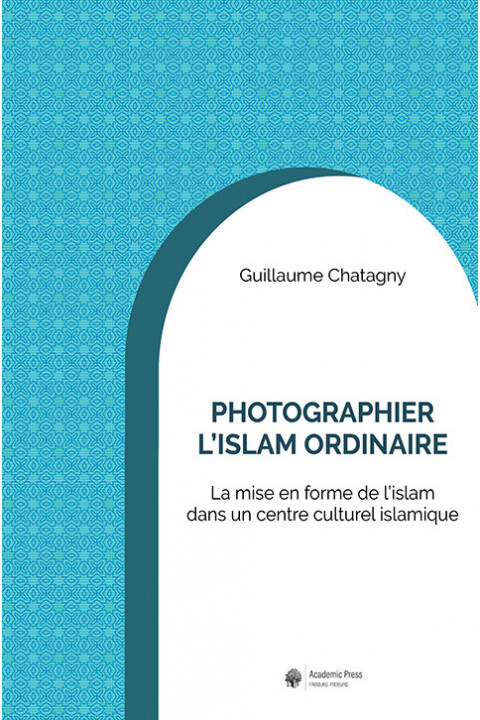
تصوير الإسلام اليومي
- غيوم شاتاني
كيف يتجلى الإسلام فعليًا داخل جمعية إسلامية؟ هذا هو السؤال الذي يجيب عنه عالم الاجتماع غيوم شاتانيي في هذا المؤلَّف المستمَد من بحث ميداني أُجري بين عامَي 2017 و2021 داخل مركز ثقافي إسلامي ألباني ف...

article
الرسالة العامة «الإنسانية الرائعة» للبابا ليون الرابع عشر ومجموعة عمل Pluriel حول الحوار بين الأديان بمساعدة الذكاء الاصطناعي
نص بقلم وائل صالح، باحث في جامعة كيبيك في مونتريال (UQAM) وعضو في لجنة تنسيق المنصة الجامعية للدراسات حول الإسلام (Pluriel). إن تزامن صدور الرسالة العامة الإنسانية الرائعة (Magnifica humanitas) ...
publication
اعترافُ طائرٍ طنّان: مقالاتٌ في الحوار بين الأديان والعمل الإرسالي (2007-2025)
- ريمي كوكاناس
صدر هذا الكتاب في أيار/مايو 2026 عن المعهد الحبري للدراسات العربية والإسلامية (PISAI) في روما، ويضمّ مقالات الباحث ريمي كوكاناس حول الحوار بين الأديان والعمل الإرسالي، المكتوبة بين عامَي 2007 و2025...
videos
من لافيجري إلى المعهد البابوي للدراسات العربية والإسلاميات: التاريخ المؤسسي لانخراط مرسلي إفريقيا مع الإسلام
أُلقيَت يوم 21 أيار/مايو 2026 في المعهد البابوي للدراسات العربية والإسلاميات (PISAI) في روما، تفتتح هذه المحاضرة سلسلة المؤتمرات الإحيائية للذكرى المئوية (1926-2026) لتأسيس المعهد. وقد أنجز الأب مو...