
University platform for research on Islam
Initiated by
the Federation
of European
Catholic
Universities
Supported by
the International
Federation
of Catholic
Universities
Hosted by

Publisher : L'Harmattan - Paris


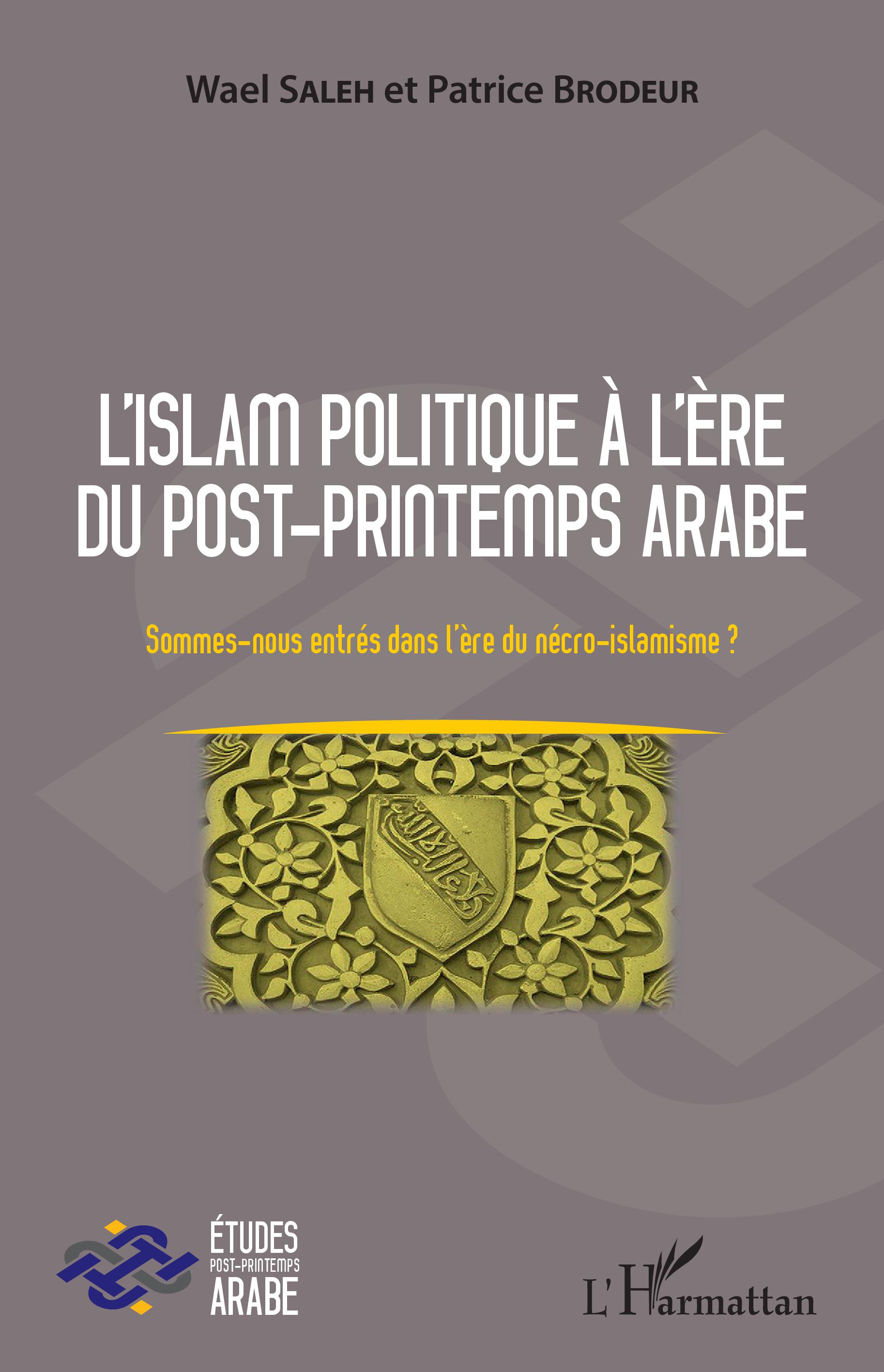
Political islam in the arab post-spring era
Sommes-nous entrés dans l’ère du nécro-islamisme ?
Dans quelle mesure peut-on dire que les islamistes, de plus en plus remis en question, se radicalisent ou se désislamisent suite aux multiples retombées du “printemps arabe” ? Ce livre essaie de répondre à cette question en proposant une nouvelle approche (islamismologie appliquée) et une nouvelle typologie tripartite de l’islamisme (rétro-islamisme, néo-islamisme et nécro-islamisme) pour mieux comprendre ses dynamiques, ses enjeux et son avenir.
4e de couverture
Cette étude débute par un résumé des principales assises de l’islamologie appliquée de Mohammed Arkoun, pour ensuite, en comparaison, présenter la notion, les visées et les choix épistémologiques de “l’islamismologie appliquée”. Cette nouvelle approche permet une relecture du phénomène de l’islamisme, surtout à l’ère du post-Printemps arabe. En second lieu, à la suite d’une présentation de huit approches analytiques traitant le phénomène de l’islamisme, cette étude fait ressortir des apports et des lacunes. La principale lacune demeure le manque d’importance donnée aux textes fondateurs sur les discours et pratiques des islamistes. Il émerge de ces textes une conception islamiste fondamentale de l’organisation de la société que cette étude analyse ensuite, pour voir dans quelle mesure elle est compatible avec les valeurs minimales du “bien vivre ensemble”. Enfin, toujours à la lumière des textes fondateurs, cette étude examine la vision islamique fondatrice dans la prise de décision politique d’après l’interprétation islamiste normative. Celle-ci peut servir, dans des études à venir, de point de référence pour évaluer l’influence de cette vision islamiste sur les pratiques. Ce livre conclut avec une nouvelle typologie tripartite de l’islamisme pour mieux comprendre ses dynamiques, ses enjeux et son avenir : rétro-islamisme, néo-islamisme et nécro-islamisme
 publisher's website
Author(s)
Resources of this researcher

videos
From Applied Islamology to Applied Islamismology
Lecture given on 14 October 2021 at the Catholic University of Lyon during the conference "Radicalisation leading to violence in the name of Islam, Epistemological, methodological and ethical appro...
article
Studies of radicalization leading to violence in the name of Islam: mapping theoretical actors to better understand epistemological and ethical issues
Original title : "Les études de la radicalisation menant à la violence au nom de l’islam : cartographier les acteurs théoriques pour mieux comprendre les enjeux épistémologiques et éthiques" Abs...

videos
Belonging(s) and territory(s) to the prism of religiosity (al-tadayyun) in current Arab-Muslim thought
Lecture by Wael SALEH, at the second International Congress of PLURIEL in Rome. As Syrian thinker Burhan Ghalioun [1] French historian Dominique Avon [2], Moroccan philosopher Abd al-Ila h Balqazi...
publication
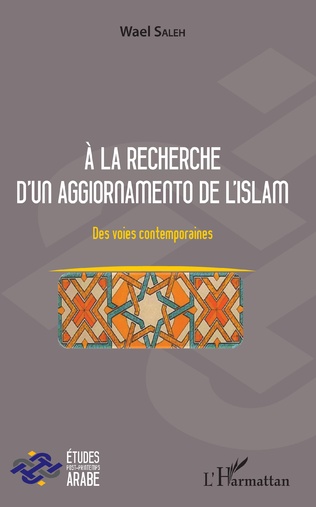
In search of an aggiornamento of Islam. Contemporary approaches
Can the upheavals in the Arab-Muslim world lead to an aggiornamento regulating the link between religion and politics and making it possible to live better together in peace? To answer this questio...
Resources related to keywords
videos
From Lavigerie to PISAI: The Institutional History of the Missionaries of Africa’s Engagement with Islam
Delivered on 21 May 2026 at the Pontifical Institute for Arabic and Islamic Studies (PISAI) in Rome, this lecture opens the series of conferences marking the institute's centenary (1926-2026). Fr. ...
videos
Interreligious Dialogue and Ethnic Nationalisms in the Balkans
At the invitation of PISAI (Pontifical Institute for Arabic and Islamic Studies, Rome) and Georgetown University, Ahmet Alibašić, professor of Islamic civilization at the Faculty of Islamic Studies...
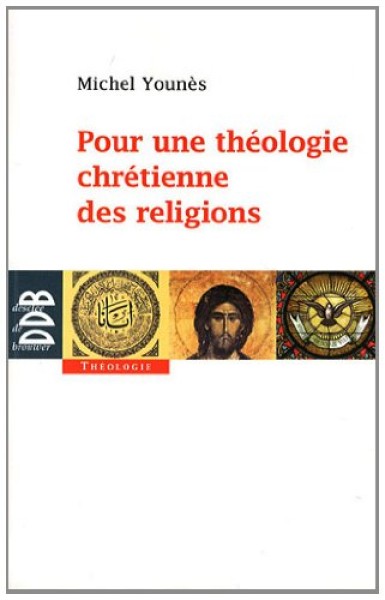
publication
For a Christian Theology of Religions
- Michel Younès
Faced with contemporary religious diversity, how can Christian theology make sense of the place that other religions occupy in God’s design? Michel Younès examines the three traditional ̶...
publication
Intercultural Theology
- Jean Patrick Nkolo Fanga
Because every theology is culturally situated, Christian theology is inevitably multicultural. Yet one step remains to be taken: to become intercultural. Crossing languages, contexts, origins, ages...
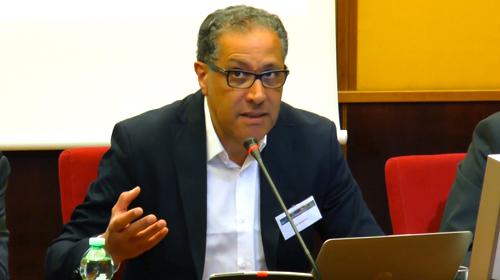
article
The grammar of sacred violence: A critical discourse analysis of radical Islamist writings
- Mohamed-Ali Mostfa
This article offers a discursive analysis of two contemporary Islamist texts that present violence not as a deviation from religious normativity, but as its necessary, even redemptive expression. I...
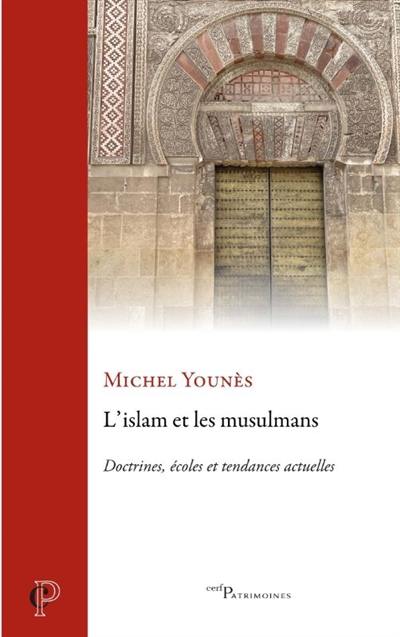
publication
Islam and Muslims. Doctrines, Schools of Thought, and Current Trends
- Michel Younès
Publication date: April 16, 2026. Islam, as a historical, religious, and civilizational reality, is difficult to define. It can be perceived as a form of political governance, an expression of fait...
publication
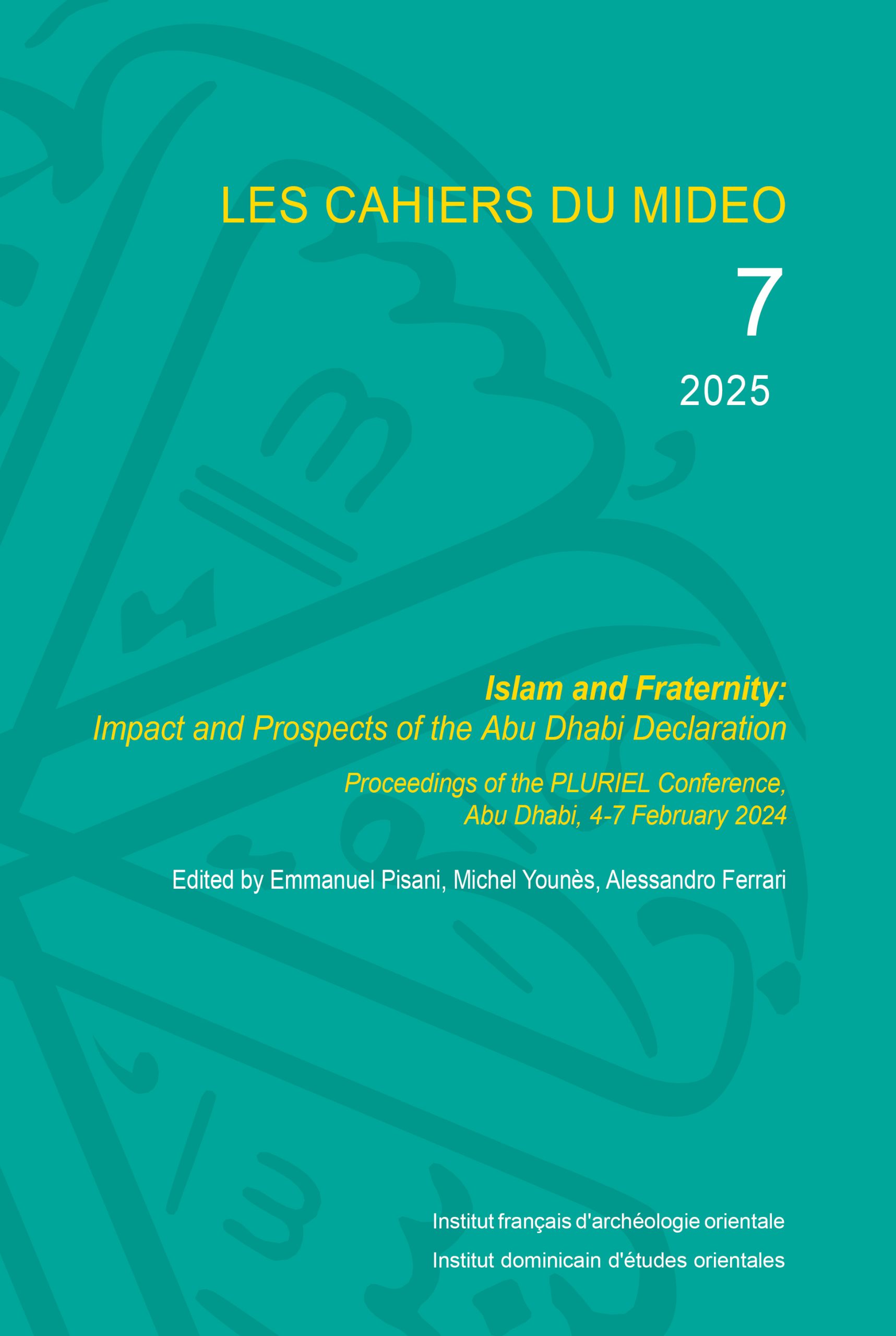
Islam and Fraternity: Impact and Prospects of the Abu Dhabi Declaration
The volume dedicated to the conference “Islam and Fraternity”, held in Abu Dhabi from February 4 to 7, 2024, under the auspices of the PLURIEL network, in partnership with Trends, a research center...
publication
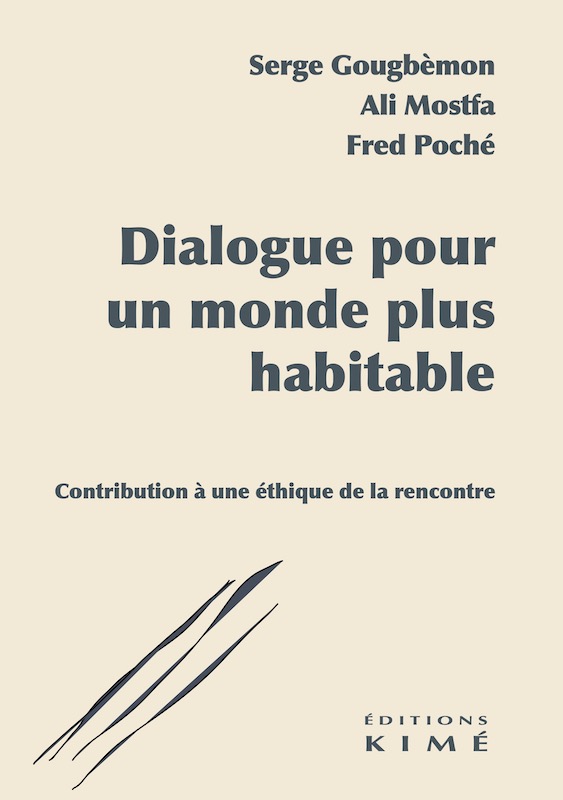
Dialogue for a More Livable World: Toward an Ethics of Encounter
- Mohamed-Ali Mostfa
How can we live in a climate of mistrust, trapped in identity-based withdrawal, and paralyzed by an uncertain future? On what basis can we open new paths to ease suffering—perhaps even reenchant ou...