
University platform for research on Islam
Initiated by
the Federation
of European
Catholic
Universities
Supported by
the International
Federation
of Catholic
Universities
Hosted by


The grammar of sacred violence: A critical discourse analysis of radical Islamist writings
This article offers a discursive analysis of two contemporary Islamist texts that present violence not as a deviation from religious normativity, but as its necessary, even redemptive expression. It examines Daʿwa al-muqāwama al-islāmiyya al-ʿālamiyya (The Global Islamic Resistance Call) by Abū Muṣʿab al-Ṣūrī (2004) and De l’idéologie islamique française (On French Islamic Ideology) by Aïssam Aït-Yahya (2015), two ideologically distinct yet rhetorically powerful works that articulate violence as an existential necessity. Although relatively unknown to the general public, al-Ṣūrī’s manifesto has become a foundational text in jihadist circles, serving as a discursive matrix to construct violence as both theologically sanctioned and strategically necessary. Aït-Yahya’s essay, more elliptical and less widely circulated, plays a significant role in ideological polarization within French Muslim contexts. Drawing on critical discourse analysis, the article explores how sacred language, theological references, and affective strategies produce a grammar of legitimacy. From this perspective, radicalization is approached not as deviant behavior, but as a discursive production — embedded in language, affect, and symbolic economy — that constructs violence as morally imperative and theologically grounded. The article also examines how discursive structures may open potential breaches toward disengagement, by revealing the interpretive tensions at the heart of radical narratives. It argues that understanding religious violence requires not only sociopolitical analysis, but a close reading of how language constructs normative obligations, moral antagonisms, and sacred temporality.
Violence: An International Journal, 2026, Vol. 0(0) 1-25 — SAGE / Fondation Maison des Sciences de l’Homme, dir. Michel Wieviorka, Paola Rebughini.
DOI: 10.1177/26330024261433999
Cet article propose une analyse discursive de deux textes islamistes contemporains qui présentent la violence non comme une déviation de la normativité religieuse, mais comme son expression nécessaire, voire rédemptrice. Il examine Daʿwa al-muqāwama al-islāmiyya al-ʿālamiyya (L’Appel à la résistance islamique mondiale) d’Abū Muṣʿab al-Ṣūrī (2004) et De l’idéologie islamique française d’Aïssam Aït-Yahya (2015), deux ouvrages idéologiquement distincts mais rhétoriquement puissants, qui articulent la violence comme une nécessité existentielle. Bien que relativement méconnu du grand public, le manifeste d’al-Ṣūrī est devenu un texte fondateur dans les cercles djihadistes, servant de matrice discursive pour construire la violence comme à la fois théologiquement sanctionnée et stratégiquement nécessaire. L’essai d’Aït-Yahya, plus elliptique et moins largement diffusé, joue un rôle significatif dans la polarisation idéologique au sein des contextes musulmans français. S’appuyant sur l’analyse critique du discours, l’article explore comment le langage sacré, les références théologiques et les stratégies affectives produisent une grammaire de la légitimité. Dans cette perspective, la radicalisation n’est pas abordée comme un comportement déviant, mais comme une production discursive — inscrite dans le langage, l’affect et l’économie symbolique — qui construit la violence comme moralement impérieuse et théologiquement fondée. L’article examine également comment les structures discursives peuvent ouvrir des brèches potentielles vers le désengagement, en révélant les tensions interprétatives au cœur des récits radicaux. Il soutient que la compréhension de la violence religieuse requiert non seulement une analyse sociopolitique, mais une lecture attentive de la manière dont le langage construit des obligations normatives, des antagonismes moraux et une temporalité sacrée.
Violence: An International Journal, 2026, Vol. 0(0) 1-25 — SAGE / Fondation Maison des Sciences de l’Homme, dir. Michel Wieviorka, Paola Rebughini.
DOI : 10.1177/26330024261433999
تقدم هذه المقالة تحليلا خطابيا لنصين إسلامويين معاصرين، يقدمان العنف لا بوصفه انحرافا عن المعيارية الدينية، بل باعتباره تعبيرا ضروريا ومؤديا إلى الخلاص. وتتناول دراسة كتاب «دعوة المقاومة الإسلامية العالمية» لأبي مصعب السوري (2004)، وكتاب «حول الأيديولوجيا الإسلامية الفرنسية» لعيصام آيت يحيى (2015)، وهما عملان مختلفان أيديولوجيا، لكنهما قويان من حيث البناء الخطابي، ويصوران العنف بوصفه ضرورة وجودية.
وعلى الرغم من أن بيان السوري لا يزال غير معروف نسبيا لدى عامة الناس، فقد أصبح نصا تأسيسيا في الأوساط الجهادية، إذ يشكل مصفوفة خطابية لبناء العنف بوصفه مبررا لاهوتيا وضرورة استراتيجية. أما نص آيت يحيى، وهو أكثر إيجازا وتلميحا وأقل انتشارا، فيؤدي دورا مهما في تعميق الاستقطاب الأيديولوجي داخل السياقات الإسلامية في فرنسا.
انطلاقا من مقاربة تحليل الخطاب النقدي، تستكشف المقالة كيف تسهم اللغة المقدسة والإحالات اللاهوتية والاستراتيجيات العاطفية في إنتاج نحو للشرعية. ومن هذا المنظور، لا تفهم الراديكالية بوصفها سلوكا منحرفا، بل بوصفها إنتاجا خطابيا متجذرا في اللغة والانفعال والاقتصاد الرمزي، يعيد بناء العنف كواجب أخلاقي مؤسس لاهوتيا.
كما تبحث المقالة في الكيفية التي يمكن أن تفتح بها البنى الخطابية إمكانات للانفكاك، من خلال الكشف عن التوترات التأويلية الكامنة في صلب السرديات الراديكالية. وتخلص إلى أن فهم العنف الديني لا يقتصر على التحليل السوسيوسياسي، بل يتطلب أيضا قراءة دقيقة لكيفية بناء اللغة للواجبات المعيارية والتضادات الأخلاقية والزمنية المقدسة.
Violence: An International Journal, 2026, Vol. 0(0) 1-25 — SAGE / Fondation Maison des Sciences de l’Homme, dir. Michel Wieviorka, Paola Rebughini.
DOI: 10.1177/26330024261433999


Resources of this researcher
publication
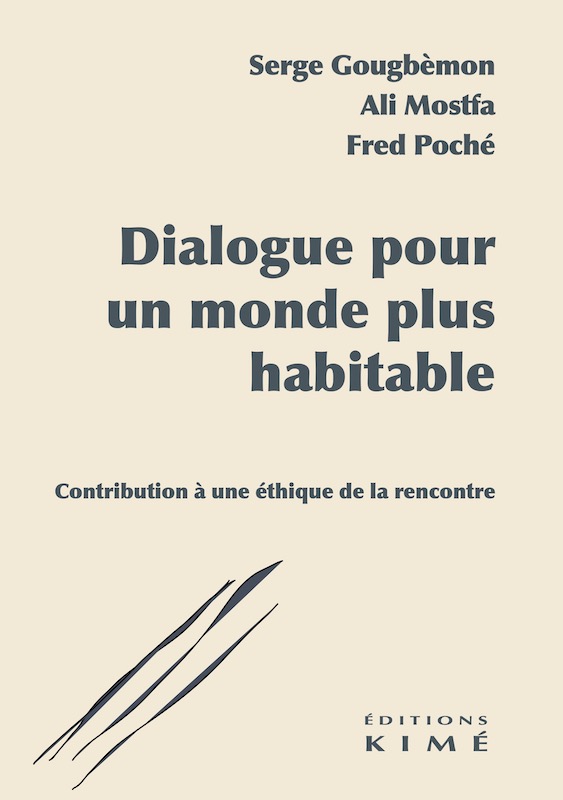
Dialogue for a More Livable World: Toward an Ethics of Encounter
How can we live in a climate of mistrust, trapped in identity-based withdrawal, and paralyzed by an uncertain future? On what basis can we open new paths to ease suffering—perhaps even reenchant ou...
article
Muslim worship in France: is the State-led reorganization underway?
In this article published on February 26, 2025, on The Conversation, Ali Mostfa analyzes the evolution of the Forum of Islam in France (Forif), created in 2022 to replace the French Council of Musl...
article
Redefining Qurʾānic Hermeneutics: Muḥammad ʿĀbid al-Jābrī and Nasr Ḥāmid Abū Zayd’s Humanistic Interpretations
This article presents the innovative endeavor by Muḥammad ʿĀbid al-Jābrī and Nasr Ḥāmid Abū Zayd in interpreting the Qurʾān through a humanistic lens. Their approach marks a pivotal shift, viewing ...
publication
Religions put to the test by freedom of expression
“In the republican context, freedom of expression involves all the players in society and mobilises a wide range of intellectual resources. What then are the conditions that foster it while r...
publication
Islam & Otherness. Proceedings of the Pluriel congress in Beirut
Edited by Michel Younès, Ali Mostfa and Roula Talhouk “In a contemporary context marked by a growing tendency to lock oneself into oppositional logics, reflection on otherness in Islam opens ...
article
Making religion online: the case of Islam
Islam in the digital age is becoming an inescapable reality in the lives of believers, thus introducing a new modality in the understanding of Islamic faith. From now on, the sacred text, rituals, ...
article
From Islamic Reference to Conservative Pragmatism – The Sinuous Paths of the Moroccan JDP Discourse
"The relationship between the political and religious fields in Morocco is generally based on tactical choices and pragmatic issues, often far from simple ideological orientations. In this context,...
publication
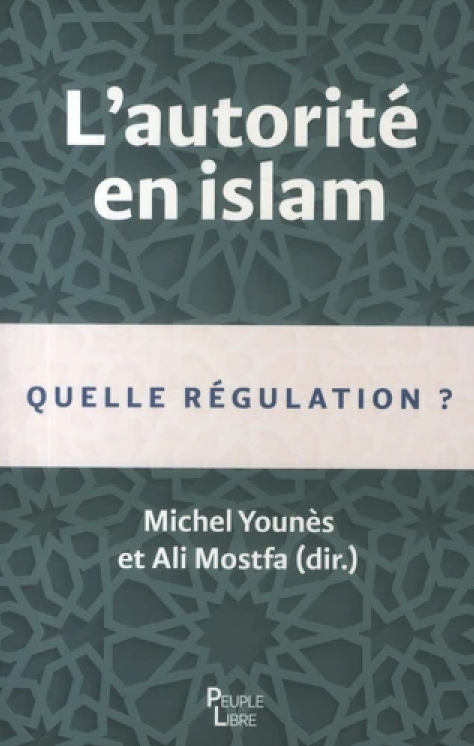
Authority in Islam. What regulation? Proceedings of the symposium.
“It is often said: “”no clergy in Islam””. In the absence of a hierarchical and universal magisterial authority, what are the instances and figures that serve as regul...
article
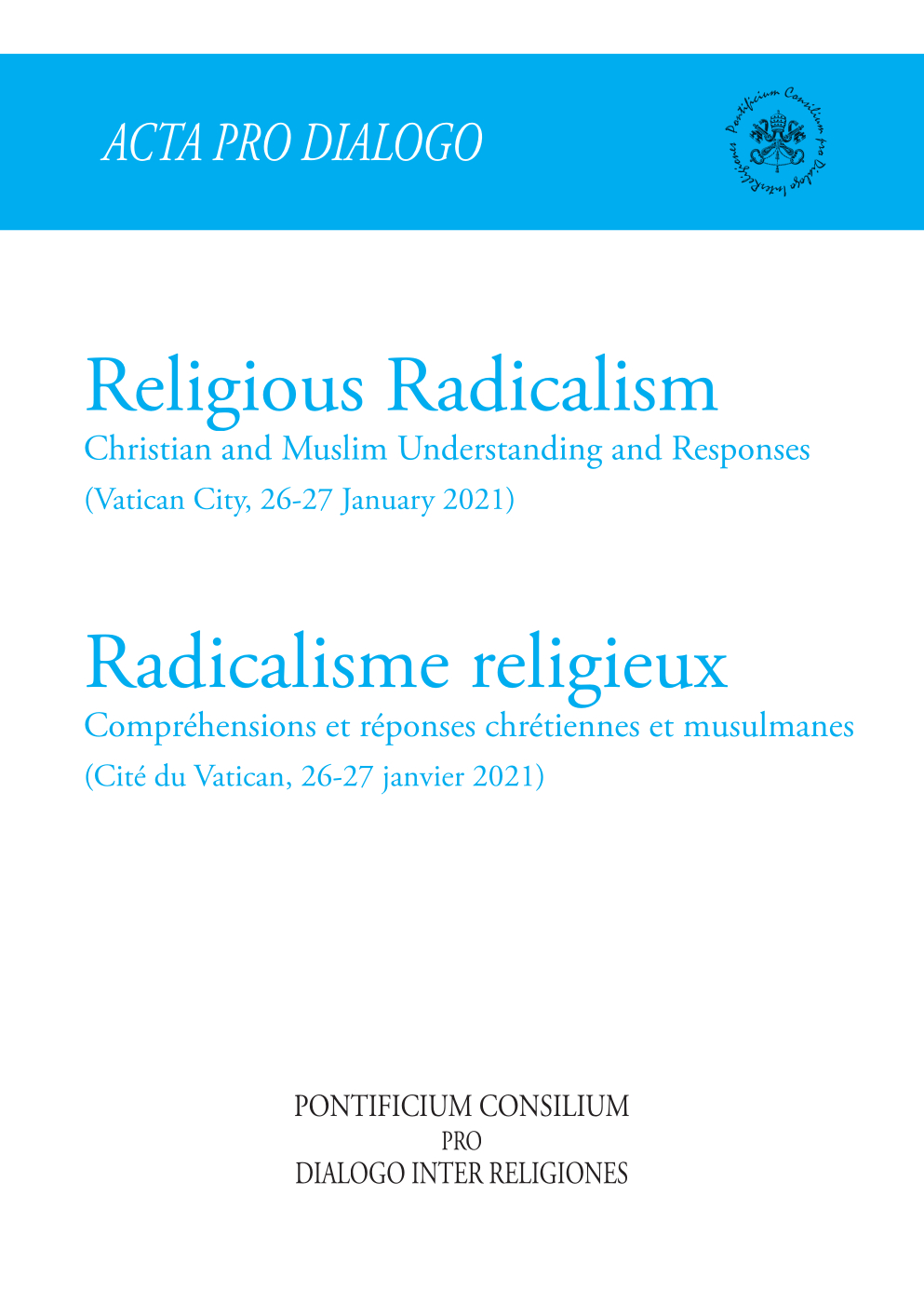
Religious Radicalism. The Challenges of an Ill-Defined Concept in Europe
Ali Mostfa, professor of linguistics and discourse analysis at the Catholic University of Lyon, analyses the semantic shifts about the notion of religious radicalism, particularly since the Septemb...
Resources related to Discourse Analysis - Hermeneutics
article
The grammar of sacred violence: A critical discourse analysis of radical Islamist writings
- Mohamed-Ali Mostfa
This article offers a discursive analysis of two contemporary Islamist texts that present violence not as a deviation from religious normativity, but as its necessary, even redemptive expression. I...
publication
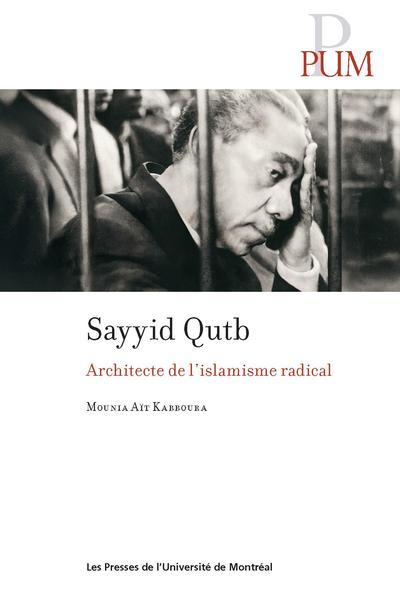
Sayyid Qutb. Architect of Radical Islamism
- Mounia Ait Kabboura
The thought of Sayyid Qutb (1906–1966) has profoundly shaped a wide range of religio-political movements, from the Muslim Brotherhood to Salafi-jihadists, radicalizing political Islam and inspiring...
videos
The Foundations of Arabic Grammatical Theory
Cairo. In a lecture delivered in Arabic on Saturday, January 25, 2025, at the Dominican Institute for Oriental Studies (IDEO) in Cairo, Professor Ramzi Baalbaki, holder of the Chair of Arabic...
publication
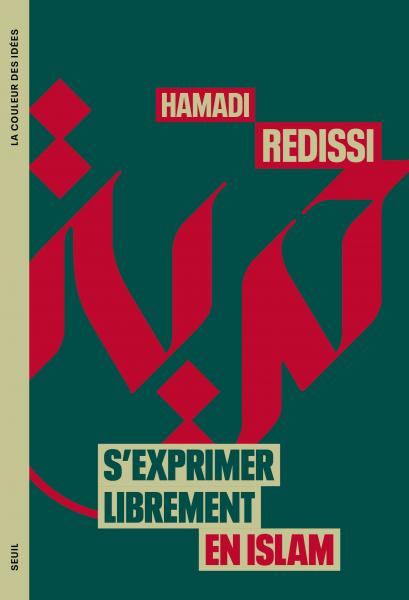
Speaking freely in Islam
- Hamadi Redissi
What is the Islamic doctrine of blasphemy, insult to God, religion and the Prophet? What about the prohibition of figurative representation of Muhammad? Can one openly believe or abjure in Islam? T...

videos
The History of the Quran according to Muslim Sources
- Gabriel Said Reynolds
Professors Shady Nasser from Harvard and Gabriel Reynolds from the University of Notre Dame explore the history of the revelation and compilation of the Quran according to traditional Muslim source...
article
The Genre of the Mawlid Narrative in the mid-12th h./18th Century as Exemplified by al-Barzanjī
- Antonio Cuciniello
Among the works of Arabic literature concerning the genre of Mawlid, certainly al-Barzanjī’s Mawlid is a text that has achieved great popularity and spread to large parts of the Islamic world. Inde...
publication
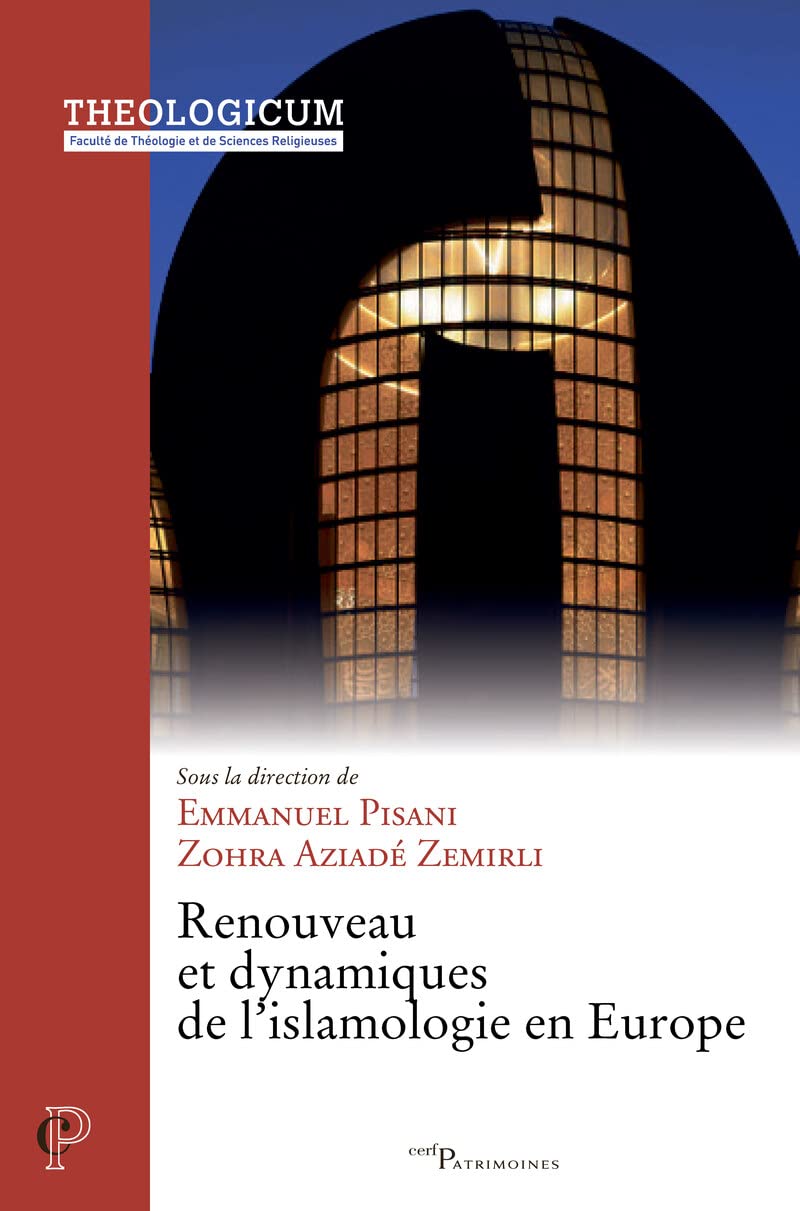
Revival and Dynamics of Islamic Studies in Europe
- Michel Younès
- Emmanuel Pisani
- Cédric Baylocq
- Zohra Aziadé Zemirli
- Michele Brignone
- Haoues Seniguer
“In a troubled international context where Islam is sometimes defined as an ideological marker of many conflicts, academic research drawing on history, sociology, and political science has mu...
videos
Jesus in Recent Qur’an Translations | The Jesus of the Qur’an vs. the Jesus of the New Testament
- Gabriel Said Reynolds
In this video, Gabriel Said Reynolds discusses the presentation of Jesus in the Qur'an and how it is interpreted and rendered in English by recent translations of the Qur'an. I show that recent tra...