

الفرنسية

Institut dominicain d’Etudes orientales
إيمانويال بيساني :” فكر الغزالي يسمح بتأسيس حرّية الوجدان”
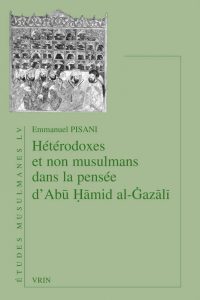
مقابلة: يتحدّثُ إيمانويال بيساني، مدير معهد الدراسات الشرقية للآباء الدومنيكان في القاهرة، إلى شبكة Pluriel بعد نشر أطروحته حول أبو حامد الغزالي التي حصدت جائزة محمد أركون للعام 2016.
Pluriel : ما الذي دفعَك لتختارَ موضوع الأطروحة هذا؟
إيمانويال بيساني: في خلال زيارتي للمعهد البابوي للدراسات العربية والإسلاميّة، عثرتُ على مقال للأب كاسبار يتناولُ فيه عقيدة الاستعادة الكلية أو الأبوكاتستاسيس ” apocatastasis” في الإسلام. ويعالج على وجه الخصوص كتاباً لمفكّر بارز من العصور الوسطى، مُحيي الإسلام، أبو حامد الغزالي (ت. 505 ه/1111 م). وقد ترك فيّ هذا النص أثراً كبيراً نظراً لحداثته أو لانفتاحه على الآخر ورؤيته التي تسمح بوضع أسس الحوار اللاهوتي.
في الواقع، إذا كنّا مقتنعين بأنّ من لا يشاركنا معتقداتنا سيُحكم عليه بنار جهنّم من الطبيعي أن نسعى إلى هدايته إلى ديننا. ما يشكّل دلالةً على اهتمامٍ فعليّ حقيقيّ به. أمّا إذا اعتقدنا أنّه قد يخلُص بغضّ النظر عن إيمانه عندئذٍ لن نسعى لنردّه إلينا. لذا، تُعتبرُ المسألة الإسخاتولوجيّة شرطاً مسبقاً للحوار اللاهوتي. فعندما تحتّم عليّ اختيار موضوع الأطروحة تذكّرتُ هذا المقال ورغبتُ في إجراء بحثٍ معمّقٍ حول طريقة رؤية الغزالي لغير المُسلمين بشكل عامّ متجاوزاً مسألة خلاصهم في الآخرة.
كيف يسهمُ فكر الغزالي في الحوار ما بين الأديان ومع غير المؤمنين في يومنا هذا؟
لا يتطرّق الغزالي إلى مسألة غير المؤمنين ذلك أنّه كان يعيشُ في عصر يندرُ فيه تواجدُ الملحدين. بالطبع ادّعى البعضُ اعتناقَ الإلحاد مستندين إلى حججٍ فلسفيّة لكنّ الغزالي أبدى موقفاً صارماً حيالهم. إنّما، في حال استندنا إلى فكره الأنثروبولوجيّ ندرك إمكانية إيجاد أسس كرامة وجوديّة لكلّ إنسان.
نجد إذاً بدايات فكر يسمح بتشكيل أساسات حريّة الوجدان. لم يعالج هذه المسألة بشكل مباشر لكنّه قدّم عناصر صلبةً راسخةً مستقاةً من تعاليم القرآن وتعاليم الصوفيّين.
ما كانت أصداء أعمالك حول فكر الغزالي؟
من الناحية الأكاديمية، أسهمت جائزة محمد أركون التي منحتني إيّاها مجموعة المصالح العلمية للشرق الأوسط والعالم الإسلامي GIS-MOMM (جائزة وضعها المركز الوطني للبحث العلمي ومدرسة الدراسات العليا في العلوم الاجتماعية) إلى حدّ بعيد في إبراز عملي ونشره. فقد دُعِيتُ إلى جامعات أو مختبرات أبحاث عدّة لأتولّى مهمّة تنشيط ندوة حول الغزالي. أمّا من الجانب المسلم، فقد أُتيحت لي، في إطار العلاقات الإسلامية المسيحية تحديداً، فرصة عرض أعمالي وإظهار انفتاح الغزالي على الآخر، خصوصاً من خلال نظريّته القانونيّة حول حقوق الجارِ .
وفي السياق الحالي حيث غدت العلاقات ما بين الأديان أكثر توتّراً وحدّةً ممّا كانت عليه في السابق، آملُ أن يعيدَ نشرُ أطروحتي إحياءَ الاهتمام بالغزالي ويسمحَ بالتحدّث عن المنتمين إلى الإسلام الذين سعوا إلى محاربة التطرّف العنيف وتعزيز حسن الإحسان في العلاقة المدنيّة لدى الجميع.
أجرى المقابلة رافاييل جورجي.
Interview. À l’occasion de la publication de sa thèse sur Abû Hamid al-Ghâzâli, qui avait remporté le prix Mohamed Arkoun en 2016, le directeur de l’Institut dominicain d’études orientales au Caire Emmanuel Pisani revient pour Pluriel sur son travail.
Pluriel : Qu’est-ce qui vous a poussé à choisir ce sujet de thèse ?
Emmanuel Pisani : Lors de mon séjour au PISAI (Institut Pontifical d’Études Arabes et d’Islamologie, ndlr), je suis tombé sur un article du Père Caspar où il traitait de l’apocatastase en islam. Il y traitait notamment d’un ouvrage du grand penseur médiéval, le revivificateur de l’islam, Abû Hamid al-Ghâzâli (m. 505/1111). Ce texte m’avait fait forte impression par sa modernité ou pour le moins, par son ouverture à l’autre, et sa vision qui permettait de fonder le dialogue théologique.
En effet, si l’on est convaincu que celui qui ne partage pas nos croyances est condamné au feu de l’enfer, il est naturel que l’on s’enquiert à le convertir. C’est plutôt le signe d’un réel intérêt pour lui. Mais si l’on croit qu’il pourra être sauvé, indépendamment de sa foi, alors on ne cherchera pas à le ramener à soi. La question eschatologique est un préalable au dialogue théologique. Lorsqu’il a fallu envisager un sujet de thèse, je me suis souvenu de cet article et j’ai voulu creuser la manière dont al-Ghâzâli envisageait de manière plus générale les non musulmans, au-delà de la seule question de leur salut dans l’au-delà.
En quoi la pensée d’al-Ghazali peut contribuer au dialogue interreligieux et avec les non croyants aujourd’hui ?
La question des non croyants n’est quasiment pas abordée par al-Ghâzâli. Nous sommes à une époque où ceux qui faisaient profession d’athéisme étaient très rares. Bien sûr, certains se disaient athée à l’appui d’arguments philosophiques, et al-Ghâzâli est sévère à leur encontre. Mais si l’on part de son anthropologie, alors il est possible de retrouver les fondements d’une dignité ontologique pour chaque homme.
On trouve ainsi les prémices d’une pensée qui permet de fonder la liberté de conscience. Certes, la question n’est pas directement traitée, mais il y a des éléments forts à partir de la synthèse de l’enseignement coranique et de celui des soufis.
Comment vos travaux sur al-Ghazali ont été reçus ?
Du point de vue académique, le prix Mohammed Arkoun décerné par le GIS-MOMM (prix fondé par le CNRS et l’École des Hautes Études en Sciences Sociales, ndlr) a bien sûr contribué à donner une réelle visibilité à mon travail. J’ai ainsi été invité dans plusieurs universités ou laboratoires de recherche pour animer la séance d’un séminaire autour de mon auteur. Du côté musulman, c’est surtout dans le cadre des relations islamo-chrétiennes que j’ai eu l’occasion d’exposer mes travaux et de montrer l’ouverture d’al-Ghâzâli sur l’autre, notamment à partir de sa théorie juridique sur les droits du voisin.
Dans le contexte actuel où les relations interreligieuses sont souvent plus tendues qu’elles ne l’étaient, j’espère que cette publication pourra relancer l’intérêt pour mon auteur et permettre ainsi que l’on parle de ceux qui en islam ont cherché à combattre les extrémismes violents et à promouvoir le bel agir d’une relation civile à tout un chacun.
Propos recueillis par Raphaël Georgy
Interview. On the occasion of the publication of his thesis about Abu Hamid Al-Ghazali, which won the Mohamed Arkoun Prize in 2016, Emmanuel Pisani, director of the Dominican Institute of Oriental Studies in Cairo, talks to Pluriel about his work.
Pluriel: What prompted you to choose this subject for your thesis?
Emmanuel Pisani: During my stay at the PISAI (Pontifical Institute for Arabic Studies and Islamology), I came across an article by Father Caspar in which he dealt with apocatastasis in Islam. In particular, he dealt with a work by the great medieval thinker, the revivalist of Islam, Abu Hamid Al-Ghazali (d. 505/1111). This text made a strong impression on me because of its modernity, or at least its openness to the other, and its vision that allowed for the foundation of theological dialogue.
Indeed, if one is convinced that the one who does not share one’s beliefs is condemned to hellfire, it is natural that one should try to convert him. It is rather a sign of a real interest in him. But if one believes that he can be saved, regardless of his faith, then one will not seek to bring him back to oneself. The eschatological question is a prerequisite for theological dialogue. When it came time to consider a topic for a thesis, I remembered this article and wanted to dig into how al-Ghazali viewed non-Muslims more generally, beyond just the question of their salvation in the hereafter.
How can al-Ghazali’s thought contribute to inter-religious dialogue and dialogue with non-believers today?
The question of non-believers is hardly addressed by al-Ghazali. This was a time when those who professed atheism were very rare. Of course, there were those who claimed to be atheists on the basis of philosophical arguments, and al-Ghazali is harsh on them. But if we start from his anthropology, then it is possible to find the foundations of an ontological dignity for every man.
We thus find the beginnings of a thought that allows the foundation of freedom of conscience. Of course, the question is not directly addressed, but there are strong elements from the synthesis of the Koranic teaching and that of the Sufis.
How has your work on al-Ghazali been received?
From an academic point of view, the Mohammed Arkoun prize awarded by the GIS-MOMM (a prize founded by the CNRS and the École des Hautes Études en Sciences Sociales, editor’s note) has of course helped to give real visibility to my work. I have been invited to several universities or research laboratories to lead a seminar on my author. On the Muslim side, it is especially in the framework of Islamic-Christian relations that I had the opportunity to expose my work and to show al-Ghazali’s openness to the other, notably through his legal theory on the rights of the neighbour.
In the current context where inter-religious relations are often more strained than they used to be, I hope that this publication can rekindle interest in my author and thus allow those in Islam who have sought to combat violent extremism and promote the beautiful act of a civil relationship to be talked about.
Interview by Raphaël Georgy


المصادر المرتبطة بـ  لاهوت الأديان

article
الرسالة العامة «الإنسانية الرائعة» للبابا ليون الرابع عشر ومجموعة عمل Pluriel حول الحوار بين الأديان بمساعدة الذكاء الاصطناعي
نص بقلم وائل صالح، باحث في جامعة كيبيك في مونتريال (UQAM) وعضو في لجنة تنسيق المنصة الجامعية للدراسات حول الإسلام (Pluriel). إن تزامن صدور الرسالة العامة الإنسانية الرائعة (Magnifica humanitas) ...
publication
اعترافُ طائرٍ طنّان: مقالاتٌ في الحوار بين الأديان والعمل الإرسالي (2007-2025)
- ريمي كوكاناس
صدر هذا الكتاب في أيار/مايو 2026 عن المعهد الحبري للدراسات العربية والإسلامية (PISAI) في روما، ويضمّ مقالات الباحث ريمي كوكاناس حول الحوار بين الأديان والعمل الإرسالي، المكتوبة بين عامَي 2007 و2025...
videos
من لافيجري إلى المعهد البابوي للدراسات العربية والإسلاميات: التاريخ المؤسسي لانخراط مرسلي إفريقيا مع الإسلام
أُلقيَت يوم 21 أيار/مايو 2026 في المعهد البابوي للدراسات العربية والإسلاميات (PISAI) في روما، تفتتح هذه المحاضرة سلسلة المؤتمرات الإحيائية للذكرى المئوية (1926-2026) لتأسيس المعهد. وقد أنجز الأب مو...
publication
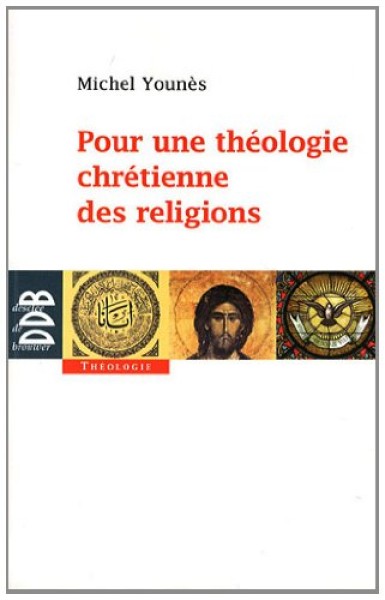
في سبيل لاهوت مسيحي للأديان
- ميشال يونس
أمام التنوّع الديني المعاصر، كيف يمكن للاهوت المسيحي أن يفكّر في المكان الذي تشغله الأديان الأخرى في التدبير الإلهي؟ يتناول ميشال يونس في هذا الكتاب «مداخل» لاهوت الأديان الثلاثة التقليدية: الخلاص،...
publication
اللاهوت العابر للثقافات
- جان باتريك نكولو فانغا
بما أن كلّ لاهوت مشروط بسياقه الثقافي، فإنّ اللاهوت المسيحي لاهوت متعدّد الثقافات بالضرورة. غير أنّه يتعيّن عليه أن يخطو خطوة أبعد: أن يصير لاهوتًا عابرًا للثقافات. هو عبور اللغات والسياقات والأصول...
article
الأجراس والمؤذّن في انسجام: الحوار مع الإسلام كمسؤولية روحية
- تيمو غوزيلمانسور
مقال بقلم تيمو غوزيلمانسور، نُشر بعنوان: Glocken und Muezzin im Einklang. Der Dialog mit dem Islam als geistliche Verantwortung (Herder Korrespondenz، 15 April 2026) بوصفه مديراً لمركز اللقاء والتو...
publication
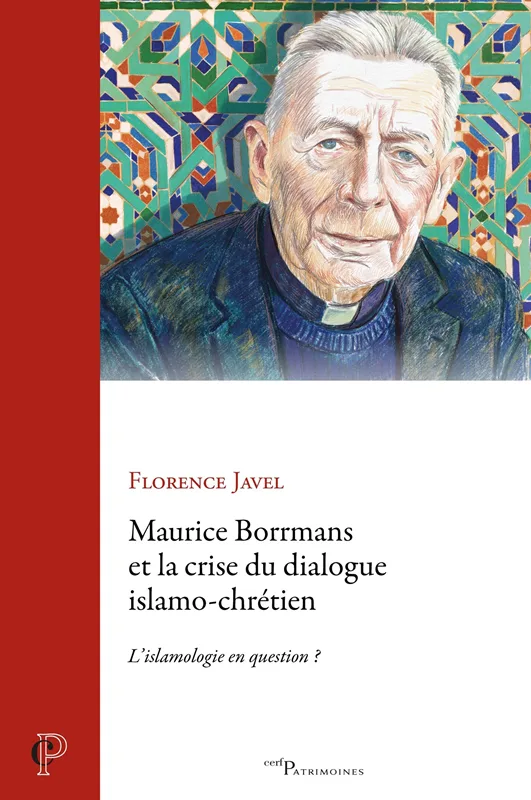
موريس بورمانس وأزمة الحوار الإسلامي-المسيحي: الدراسات الإسلامية موضع تساؤل؟
- فلورنس جافيل
في السنة الجامعية 2025-2026، نُحيي الذكرى الستين لانعقاد المجمع الفاتيكاني الثاني وصدور إعلان في عصرنا (Nostra aetate، 28 تشرين الأول/أكتوبر 1965). قبل ذلك بقرن من الزمن، في تشرين الأول/أكتوبر 1925...
videos
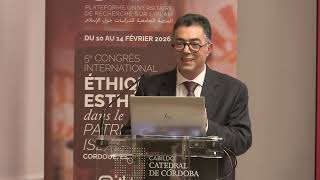
الكلمة الافتتاحية لمؤتمر قرطبة
- ميشال يونس
في الثلاثاء 10 شباط/فبراير 2026 بقرطبة، ألقى ميشيل يونس، المنسّق العام لـ«المنصة» وعميد كلية اللاهوت في الجامعة الكاثوليكية بليون (UCLy)، الكلمةَ الافتتاحية للمؤتمر الدولي الرابع للمنصة، المخصّص لم...