
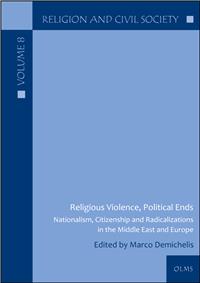
Religious Violence, Political Ends
Religious violence due to political reasons has been a common practice since ancient times: The massacres of early Christian communities, carried out by the Roman Empire, were rapidly replaced by equally harsh measures against non-Christian believers, being accused of abominable and polytheistic practises. The advent of the modern age, the homogenization of the religious sphere for political-economic ends, the annihilation of any kind of heresy and the emergence of Protestantism, Calvinism and Anglicanism restructured the conceptualization of the Western European States emphasizing the adage “one kingdom, with one religion and one nation”.
The end of the religious wars (1648), the Westphalian sovereignty and the cuius regio, eius religio had an impact on the formation of Europe and other regions, the Franco-British colonialism imposed the same system on the entire Middle Eastern and Islamic World.
This volume thoroughly examines the usage of inter-religious violence, religious sectarianism and Islamophobia on a theoretical basis, linked with “Clashes of Civilizations” and “Religious Nationalism”, and describes them as manifestations of precise political ends, aiming to preserve fragmentation and warlike states in the East as well as fear and prejudices in the West.
http://www.olms.de/search/Detail.aspx?pr=2009584
Religious violence due to political reasons has been a common practice since ancient times: The massacres of early Christian communities, carried out by the Roman Empire, were rapidly replaced by equally harsh measures against non-Christian believers, being accused of abominable and polytheistic practises. The advent of the modern age, the homogenization of the religious sphere for political-economic ends, the annihilation of any kind of heresy and the emergence of Protestantism, Calvinism and Anglicanism restructured the conceptualization of the Western European States emphasizing the adage “one kingdom, with one religion and one nation”.
The end of the religious wars (1648), the Westphalian sovereignty and the cuius regio, eius religio had an impact on the formation of Europe and other regions, the Franco-British colonialism imposed the same system on the entire Middle Eastern and Islamic World.
This volume thoroughly examines the usage of inter-religious violence, religious sectarianism and Islamophobia on a theoretical basis, linked with “Clashes of Civilizations” and “Religious Nationalism”, and describes them as manifestations of precise political ends, aiming to preserve fragmentation and warlike states in the East as well as fear and prejudices in the West.
http://www.olms.de/search/Detail.aspx?pr=2009584
كان العنف الديني لأسباب سياسية ممارسةً شائعة منذ العصور القديمة: مذابح الجماعات المسيحية الأولى على يد الإمبراطورية الرومانية استُبدلت سريعاً بإجراءات لا تقلّ قسوة ضدّ المؤمنين غير المسيحيين، بتهمة ممارسات مقيتة ومتعدّدة الآلهة. مقدم العصر الحديث، وتجانس الفضاء الديني لأغراض سياسية-اقتصادية، والقضاء على أيّ نوع من الهرطقة، وظهور البروتستانتية والكالفينية والأنغليكانية، أعادت هيكلة تصوّر الدول الأوروبية الغربية بتأكيد المبدأ: «مملكة واحدة بديانة واحدة وأمّة واحدة».
نهاية الحروب الدينية (1648)، والسيادة الوستفالية، وقاعدة cuius regio, eius religio أثّرت في تشكيل أوروبا ومناطق أخرى، وقد فرض الاستعمار الفرنسي-البريطاني النظامَ نفسه على الشرق الأوسط والعالم الإسلامي بأسره.
يفحص هذا المجلّد بعمق استخدامَ العنف بين الأديان، والطائفية الدينية، والإسلاموفوبيا على أساس نظري، بالصلة مع «صراع الحضارات» و«القومية الدينية»، ويُقدّمها بوصفها تجلّياتٍ لغايات سياسية دقيقة، تهدف إلى الإبقاء على التشرذم والحروب في الشرق، وعلى الخوف والأحكام المسبَقة في الغرب.
بقلم Marco DEMICHELIS
Resources related to keywords
article
Wael Saleh: “Recognising Without Confining, to Better ‘De-other’ the Public Debate”
- Wael Saleh
In an op-ed published on 20 July 2026 by Le Devoir, Wael Saleh, a member of the scientific committee of Pluriel, puts forward a new concept for contemporary democratic debate: "de-othering" (in Fre...
videos
“War and peace”, by Adrien Candiard
On Wednesday 20 May 2026, the Dominican Institute for Oriental Studies (IDEO) hosted in Cairo a lecture by Brother Adrien Candiard, Dominican and Islamologist, on the theme "War and peace". Faced w...
article
Kenneth Cragg and the Event of the Qur’an
- Timo Güzelmansur
Article by Timo Güzelmansur published under the title Kenneth Cragg und das Ereignis des Koran on the theological portal feinschwarz.net (12 June 2026, open access). Timo Güzelmansur presents the A...
article
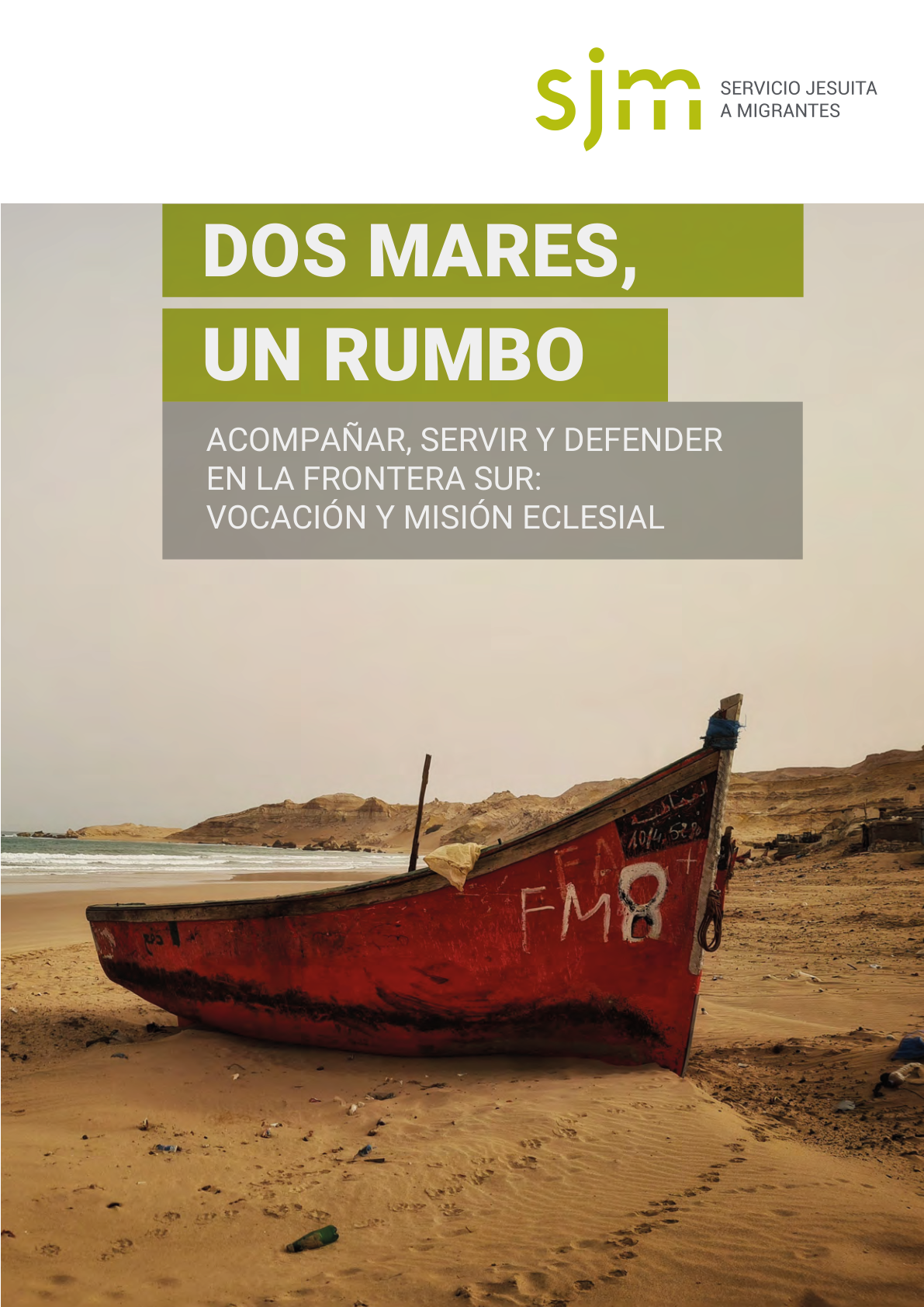
Two Seas, One Course: The 2026 Jesuit Migrant Service Report on Spain’s Southern Border
- Josep Buades
The annual report of the Jesuit Migrant Service (SJM), the social apostolate body of the Society of Jesus in Spain, written by Josep (Pep) Buades Fuster, examines the migratory dynamics of Spain’s ...
publication
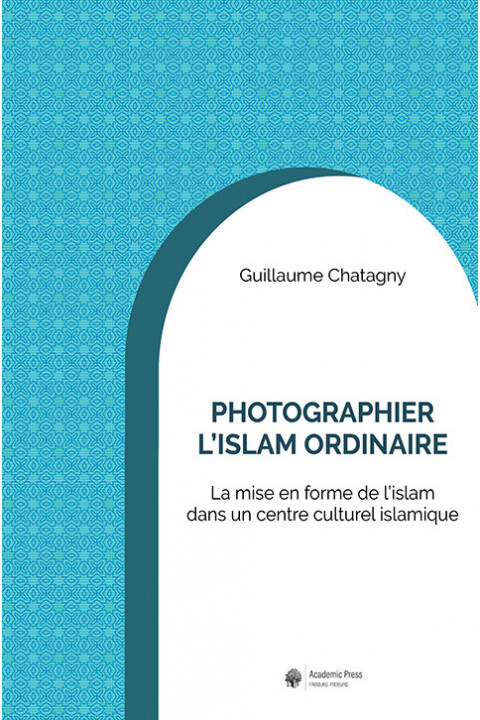
Photographing Ordinary Islam
- Guillaume Chatagny
What does Islam concretely look like within a Muslim association? This is the question addressed by sociologist Guillaume Chatagny in this book, based on fieldwork conducted between 2017 and 2021 w...

article
Leo XIV’s encyclical Magnifica Humanitas and the Pluriel working group on AI-assisted interreligious dialogue
- Wael Saleh
Text by Wael Saleh, researcher at the Université du Québec à Montréal (UQAM) and member of the Pluriel coordination committee. The simultaneous appearance of Leo XIV's encyclical Magnifica Human...

publication
The Recognition of a Hummingbird. Essays on Interreligious Dialogue and Missionary Work (2007-2025)
- Rémi Caucanas
Published in May 2026 by PISAI (Pontifical Institute for Arabic and Islamic Studies, Rome), this collection brings together the essays of Rémi Caucanas on interreligious dialogue and missionary wor...
videos
From Lavigerie to PISAI: The Institutional History of the Missionaries of Africa’s Engagement with Islam
Delivered on 21 May 2026 at the Pontifical Institute for Arabic and Islamic Studies (PISAI) in Rome, this lecture opens the series of conferences marking the institute's centenary (1926-2026). Fr. ...