
Religious Freedom in Italy. An Impossible Paradigm
Italy, seat of the Pope and Vatican City, has a long and difficult relationship with religious freedom. Often identified as a quintessentially Catholic nation, Italy owes its unification to a political class that advocated for the separation of Church and State. Home of the Concordat, contemporary Italy recognizes a particular notion of legal secularism (laicità) as the supreme principle of its constitutional order. Through the lens of law, tracing the history of the right to religious freedom from Unification to the present day, the nine chapters of the book allow us to understand the paradoxes and contradictions of a complex system made up of unresolved stratifications where strong constitutional recognition of religious freedom is accompanied by weak legislative protection of religious pluralism and, at the same time, vigorous religious action in the public space. Religious freedom in Italy offers an interpretation of a model of religious freedom that is not only a paradigm for many European experiences, but also a possible interpretative parameter for better understanding the dynamics of religious freedom between the two shores of the Mediterranean.
L’Italie, siège du Pape et de la Cité du Vatican, entretient une relation longue et difficile avec la liberté religieuse. Souvent identifiée comme une nation catholique par excellence, l’Italie doit son unification à une classe politique qui prônait la séparation de l’Église et de l’État. Patrie du Concordat, l’Italie contemporaine reconnaît une notion particulière de laïcité juridique (laicità) comme principe suprême de son ordre constitutionnel. À travers le prisme du droit, retraçant l’histoire du droit à la liberté religieuse de l’Unification à nos jours, les neuf chapitres du livre permettent de comprendre les paradoxes et les contradictions d’un système complexe fait de stratifications non résolues où une forte reconnaissance constitutionnelle de la liberté religieuse s’accompagne d’une faible protection législative du pluralisme religieux et, en même temps, d’une vigoureuse action religieuse dans l’espace public. La liberté religieuse en Italie offre une interprétation d’un modèle de liberté religieuse qui n’est pas seulement un paradigme pour de nombreuses expériences européennes, mais aussi un paramètre interprétatif possible pour mieux comprendre les dynamiques de la liberté religieuse entre les deux rives de la Méditerranée.
إيطاليا، مقر البابا ودولة الفاتيكان، لها علاقة طويلة ومعقدة مع الحرية الدينية. غالبًا ما يُنظر إليها كدولة كاثوليكية بامتياز، لكن إيطاليا تدين بتوحيدها إلى طبقة سياسية دعت إلى فصل الكنيسة عن الدولة. وطن الكونكوردات، تعترف إيطاليا المعاصرة بمفهوم خاص للعلمانية القانونية (laicità) كمبدأ أعلى في نظامها الدستوري. من خلال منظور القانون، وتتبع تاريخ الحق في الحرية الدينية من التوحيد إلى يومنا هذا، تسمح فصول الكتاب التسعة بفهم مفارقات وتناقضات نظام معقد مكون من طبقات غير محلولة حيث يتزامن الاعتراف الدستوري القوي بالحرية الدينية مع حماية تشريعية ضعيفة للتعددية الدينية، وفي الوقت نفسه، مع عمل ديني قوي في الفضاء العام. تقدم الحرية الدينية في إيطاليا تفسيرًا لنموذج الحرية الدينية الذي ليس فقط نموذجًا للعديد من التجارب الأوروبية، ولكنه أيضًا معيار تفسيري محتمل لفهم ديناميات الحرية الدينية بين ضفتي البحر المتوسط بشكل أفضل.
By the same author on Pluriel
 “The Right to Religious Freedom: A ‘Special’ Right?”, Revue du droit des religions No. 22
Alessandro Ferrari Issue 22 of the Revue du droit des religions, published by Presses universitaires de Strasbourg, comes out on 19 November 2026. Its thematic section,…
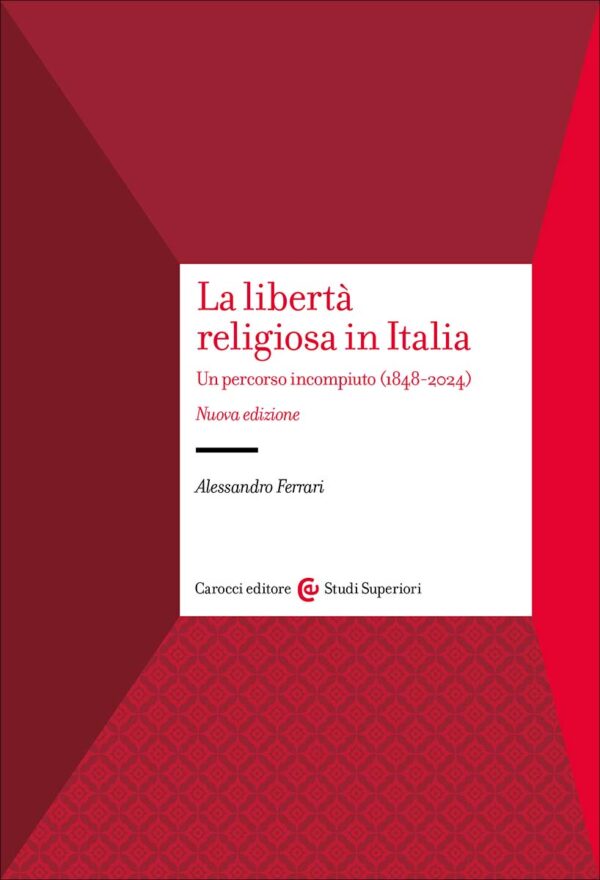 Religious Freedom in Italy. An Unfinished Path (1848-2024)
Alessandro Ferrari Published under the original title La libertà religiosa in Italia. Un percorso incompiuto (1848-2024), this synthesis by Alessandro Ferrari, professor of ecclesiastical law and…
 Religious minorities between the Mediterranean shores: a study of the status of religious minorities in the Mediterranean context (REMiMEsO) – Final Report
Alessandro Ferrari The REMiMESo project, led by Ilaria Valenzi and supported by the Italian Ministry of Foreign Affairs, explores the situation of religious minorities in five…
 Contemporary Issues in Islamic Law, Economics and Finance
Alessandro Ferrari · Flavia Cortelezzi This book explores how Islam can impact the structures and performance of firms, financial institutions and capital markets across a range of countries and…
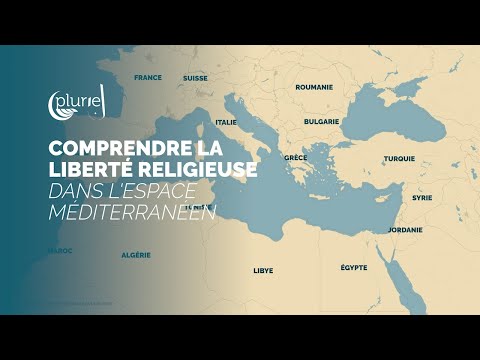 Understanding freedom of religion around the Mediterranean
Alessandro Ferrari · Amin Elias How to manage religious plurality? Three researchers from our network look back at the history of the northern, eastern and southern shores of the…
 The Question of Otherness in Classical Islam | Respondents
Michaela Quast-Neulinger · Tobias Specker · Alessandro Ferrari Following the lecture: "The question of Otherness in Classical Islam" given by Raja SAKRANI, three members of the scientific committee of the PLURIEL network…
Related resources: « Freedom of Religion »
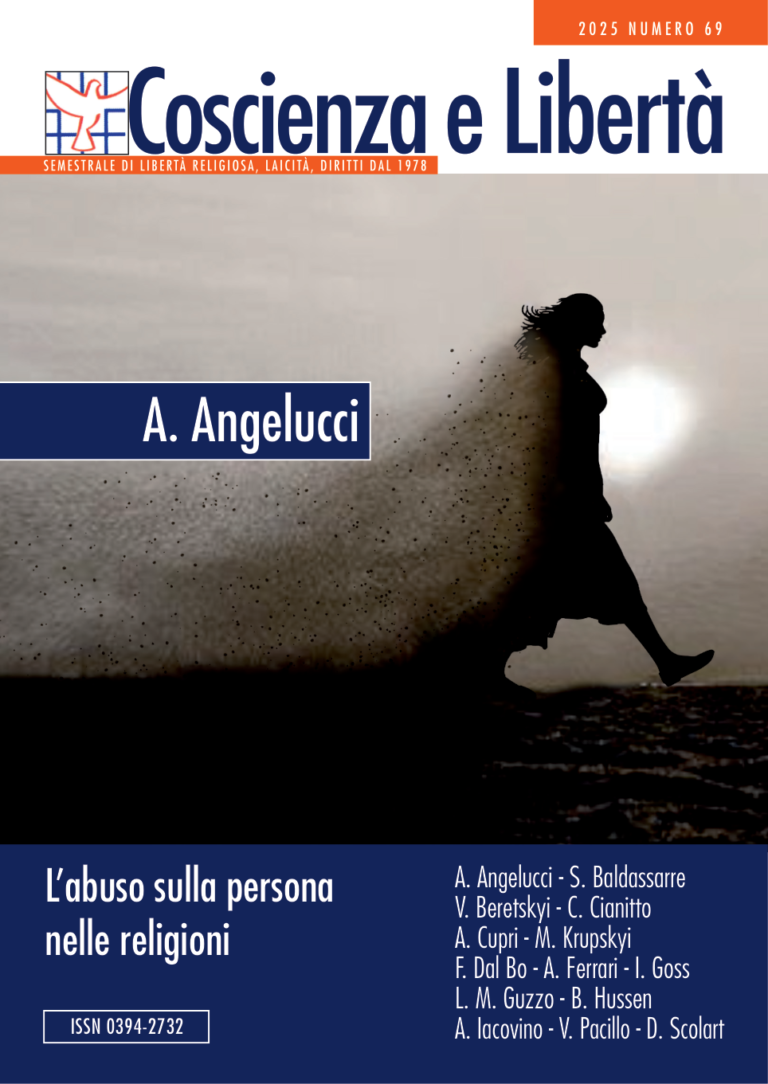 “Inclusive Citizenship, the Right to a Place of Worship and Everyday Peace”, by Antonio Angelucci
Antonio Angelucci In an article published in the Italian journal Coscienza e Libertà (no. 69, 2025), Antonio Angelucci, associate professor of law and religion at the…
 Freedom of conscience, a contested yet resilient right
Dominique Avon Rome. In a conference given on November 28, 2024, at the Pontifical Institute for Arabic and Islamic Studies, Professor Dominique Avon from the École…
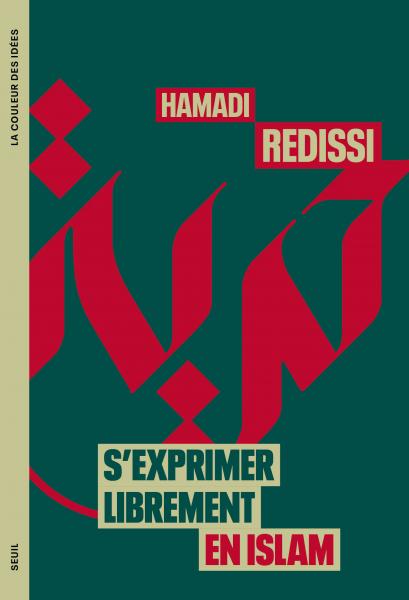 Speaking freely in Islam
Hamadi Redissi What is the Islamic doctrine of blasphemy, insult to God, religion and the Prophet? What about the prohibition of figurative representation of Muhammad? Can…
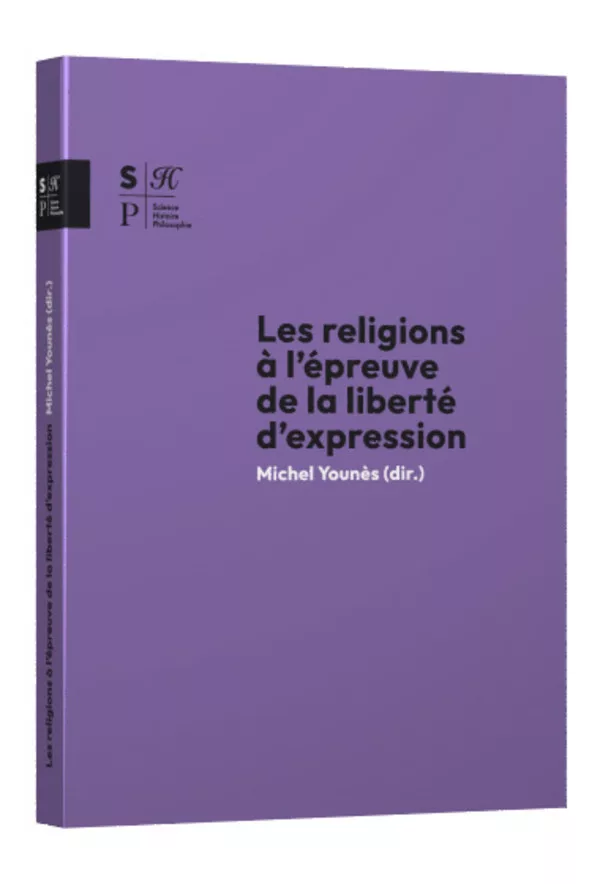 Religions put to the test by freedom of expression
Michel Younès · Mohamed-Ali Mostfa · Malek Chaïeb “In the republican context, freedom of expression involves all the players in society and mobilises a wide range of intellectual resources. What then are…
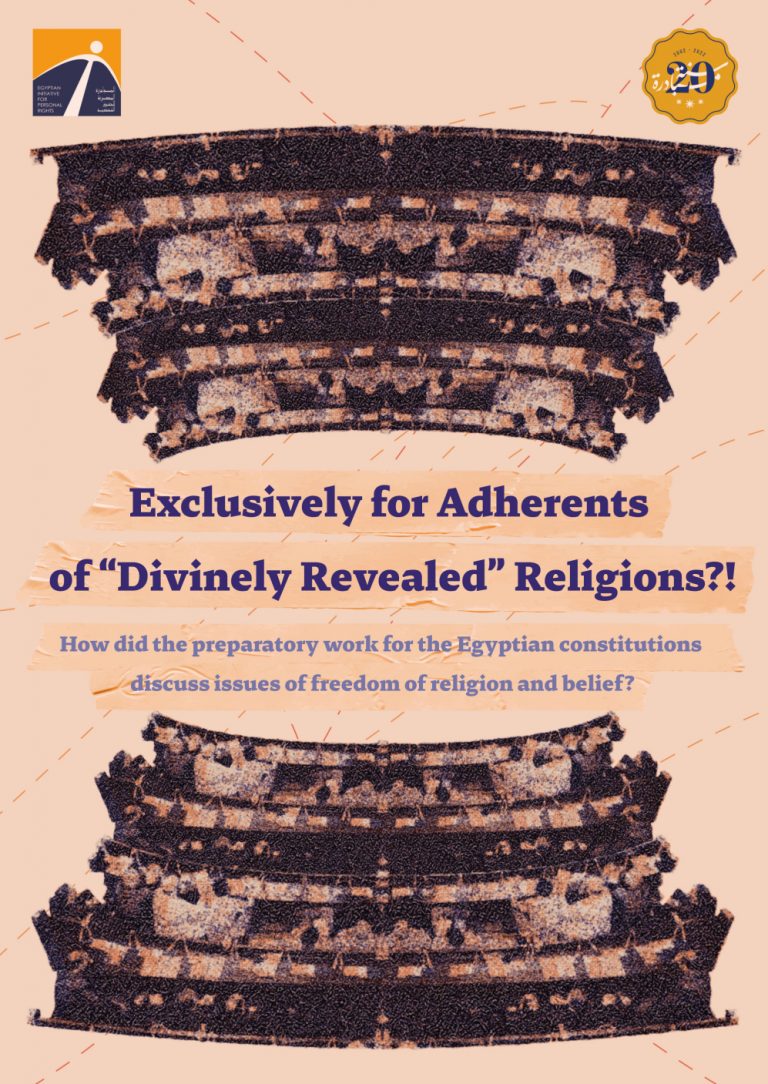 Exclusively for Adherents of ‘Divinely Revealed’ Religions?
Mohamed Gamal Ali How did the preparatory work for the Egyptian constitutions discuss issues of freedom of religion and belief? « The term “divinely revealed religions” is…
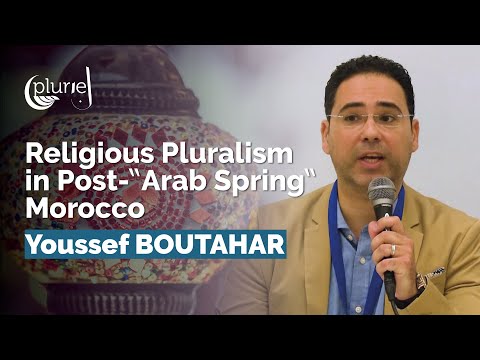 Religious Pluralism in Post-“Arab Spring” Morocco
Youssef Boutahar Title of the lecture : "Re-problematizing the Religious Majority-Minority Dialectics in Post-Arab Spring Morocco: Between Subalternity and Digital Disobedience" Given the debate currently prevailing…